
Supervolcanoes of Earth and Their Eruptions
Supervolcanoes are among the most powerful natural forces on the planet, capable of releasing thousands of times more material than typical volcanic eruptions.
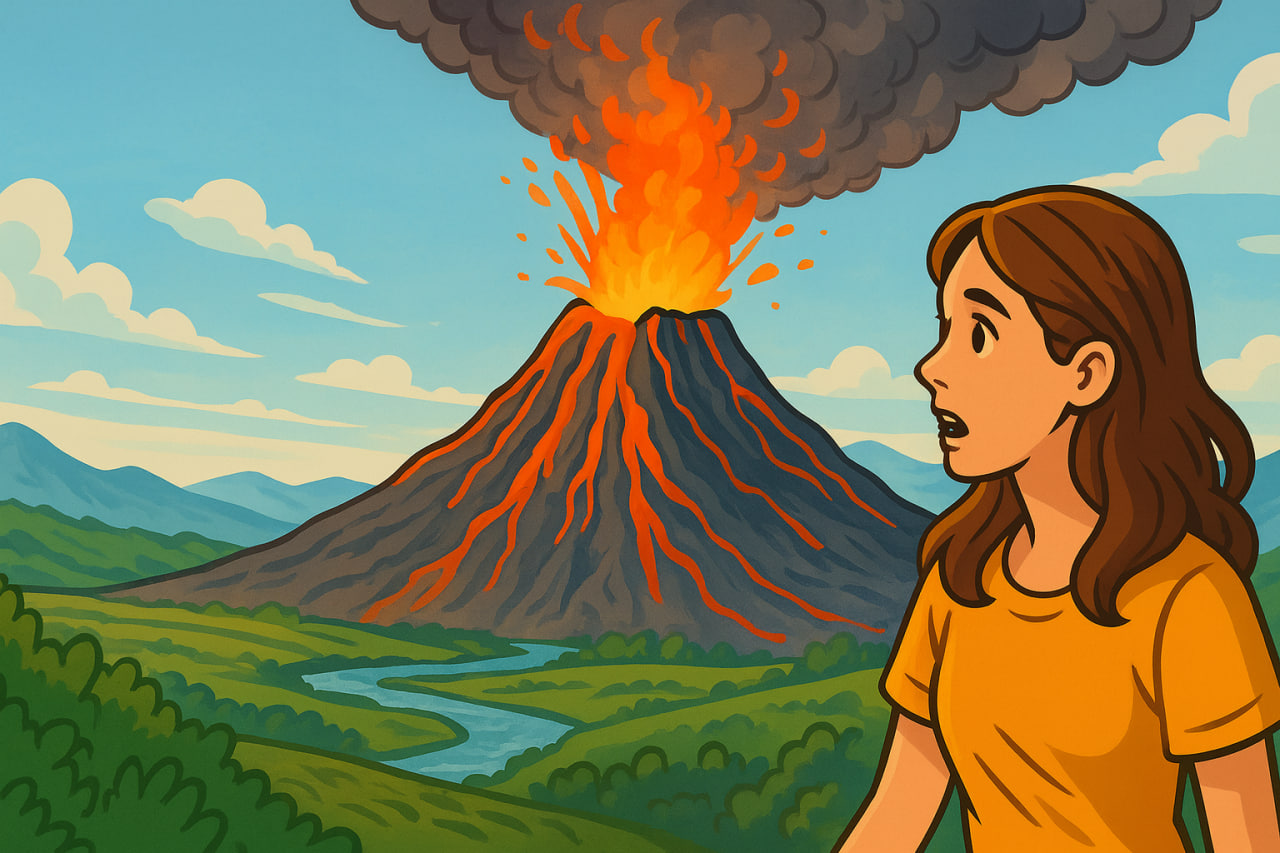
Supervolcanoes are among the most powerful natural forces on the planet, capable of releasing thousands of times more material than typical volcanic eruptions.

Lake Mungo is one of the most significant archaeological and geological sites in Australia, offering a rare glimpse into the deep past of human civilization.
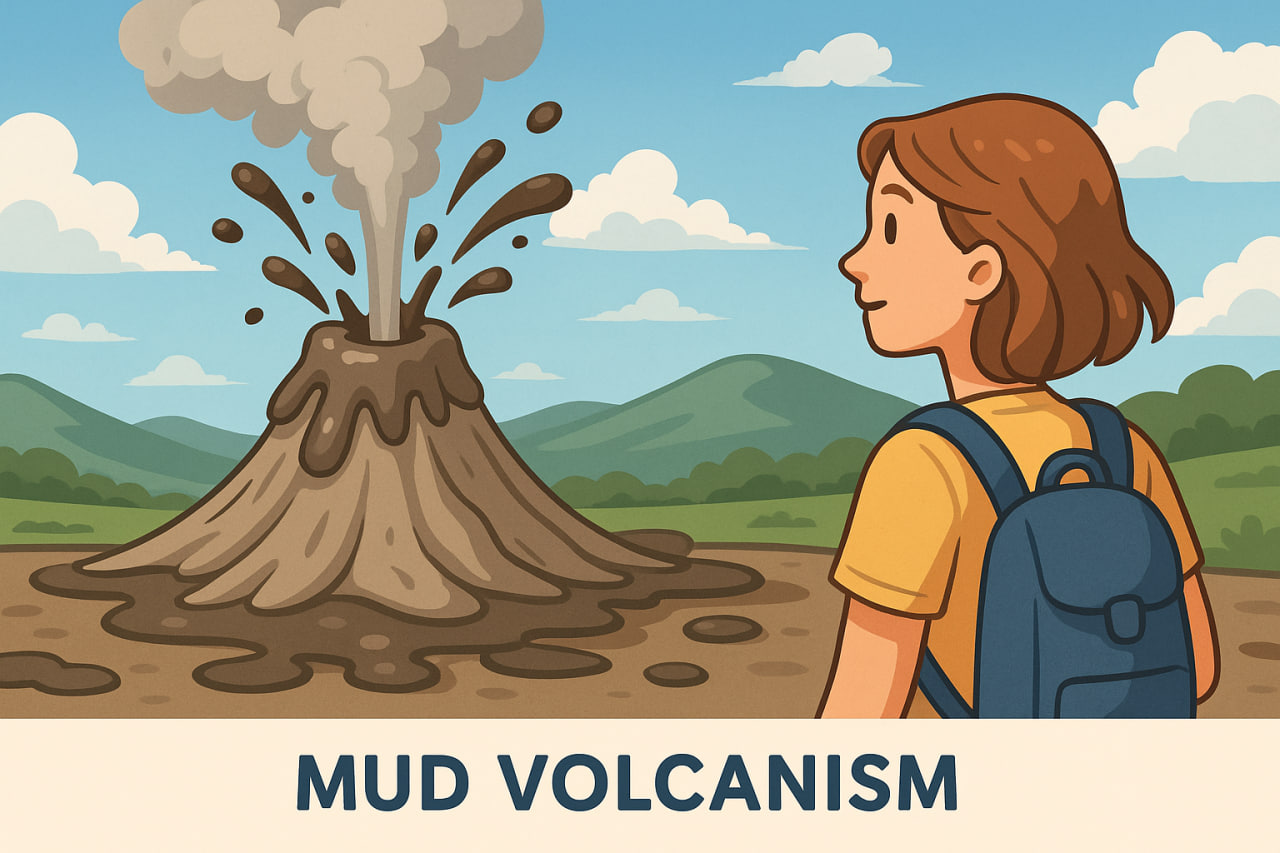
Mud volcanism is a fascinating geological process in which mixtures of water, gases, and fine sediments erupt from the Earth’s subsurface, forming structures that resemble traditional lava...
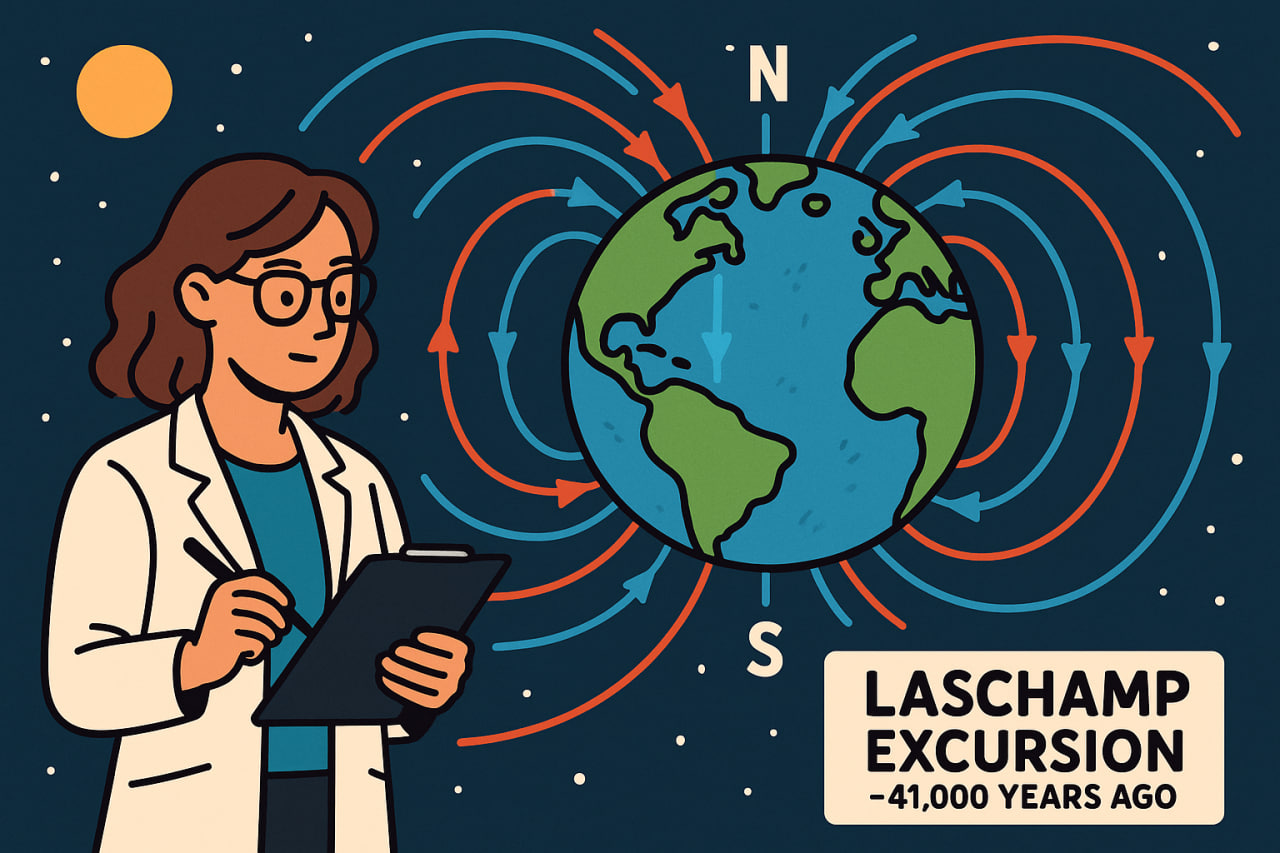
The Laschamp Excursion was a dramatic geomagnetic event that occurred approximately 42,000 years ago, during which Earth’s magnetic field weakened drastically and temporarily reversed its...
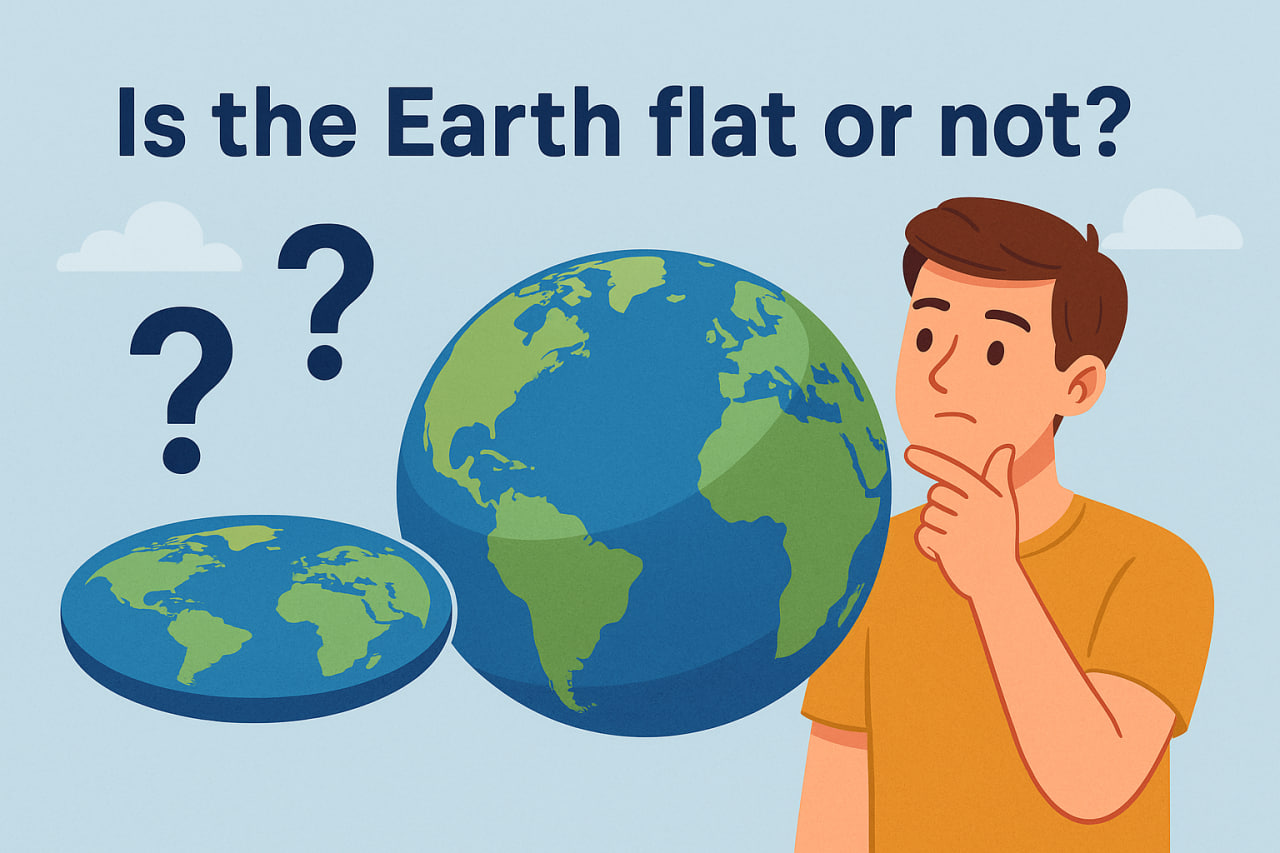
The question of whether the Earth is flat or round has been answered by science for centuries, yet it still appears in modern discussions.
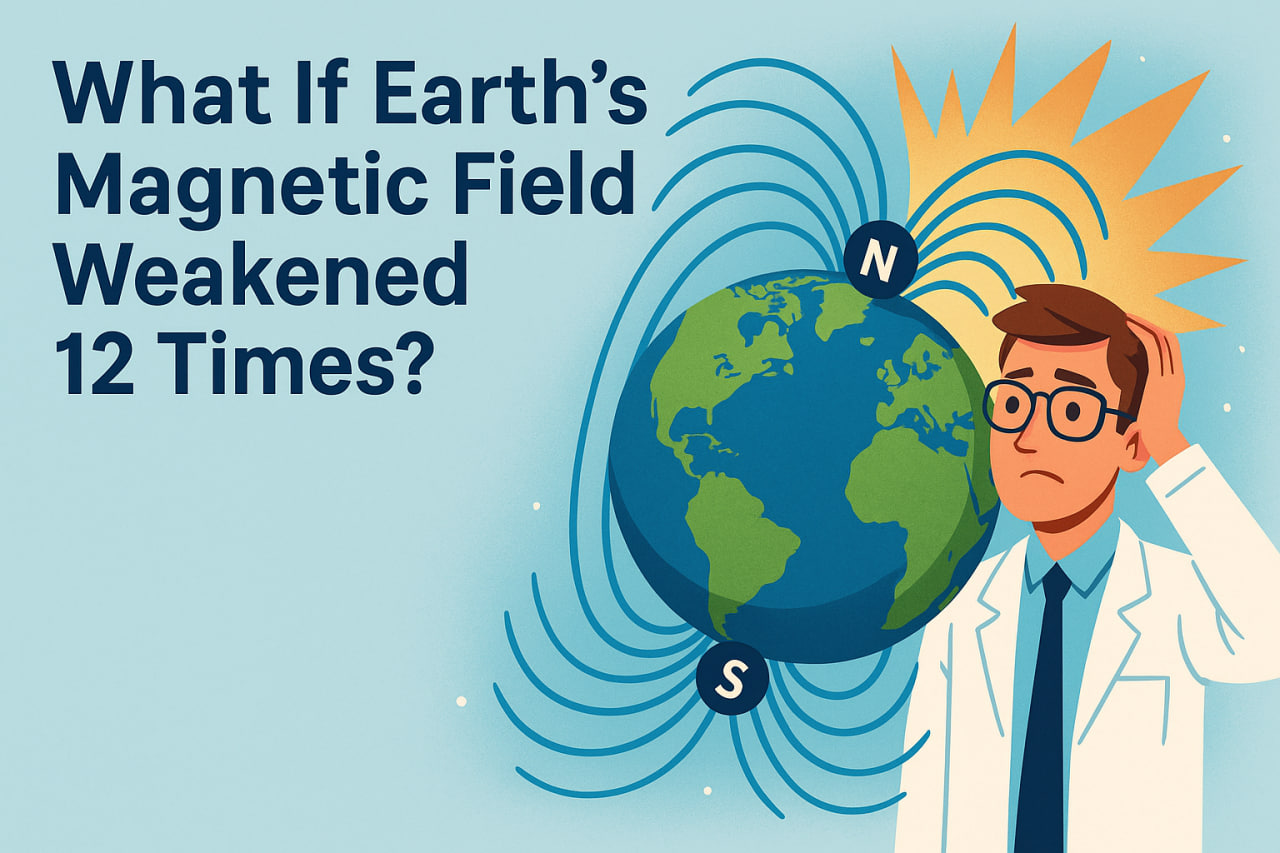
Earth’s magnetic field is an essential shield that protects the planet from solar wind, cosmic radiation, and charged particles from the Sun.
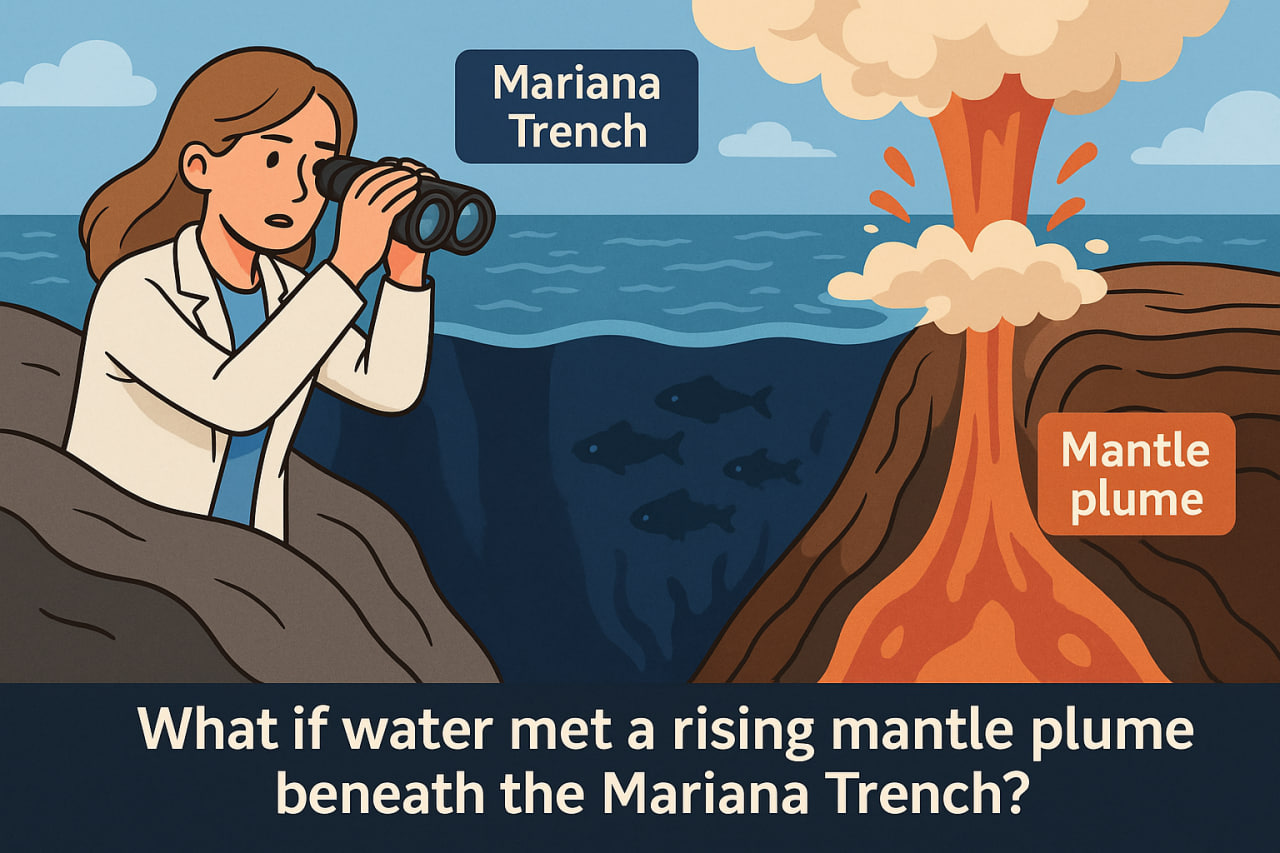
The Mariana Trench is the deepest part of the world’s oceans, plunging nearly 11 kilometers beneath the surface.

Although the underwater world may seem silent to the human ear, it is actually filled with an astonishing variety of sounds — including the singing of fish.

Fjords are among the most breathtaking geological formations on Earth, shaped over tens of thousands of years by powerful glaciers that carved deep, narrow valleys into ancient bedrock.

Bears are among the most recognizable mammals on Earth, known for their strength, intelligence, and adaptability across diverse habitats.