
Why Waterfalls Change Landscapes
Waterfalls are among nature’s most powerful and visually striking features. Beyond their beauty, they are dynamic geological agents capable of reshaping the landscapes around them.
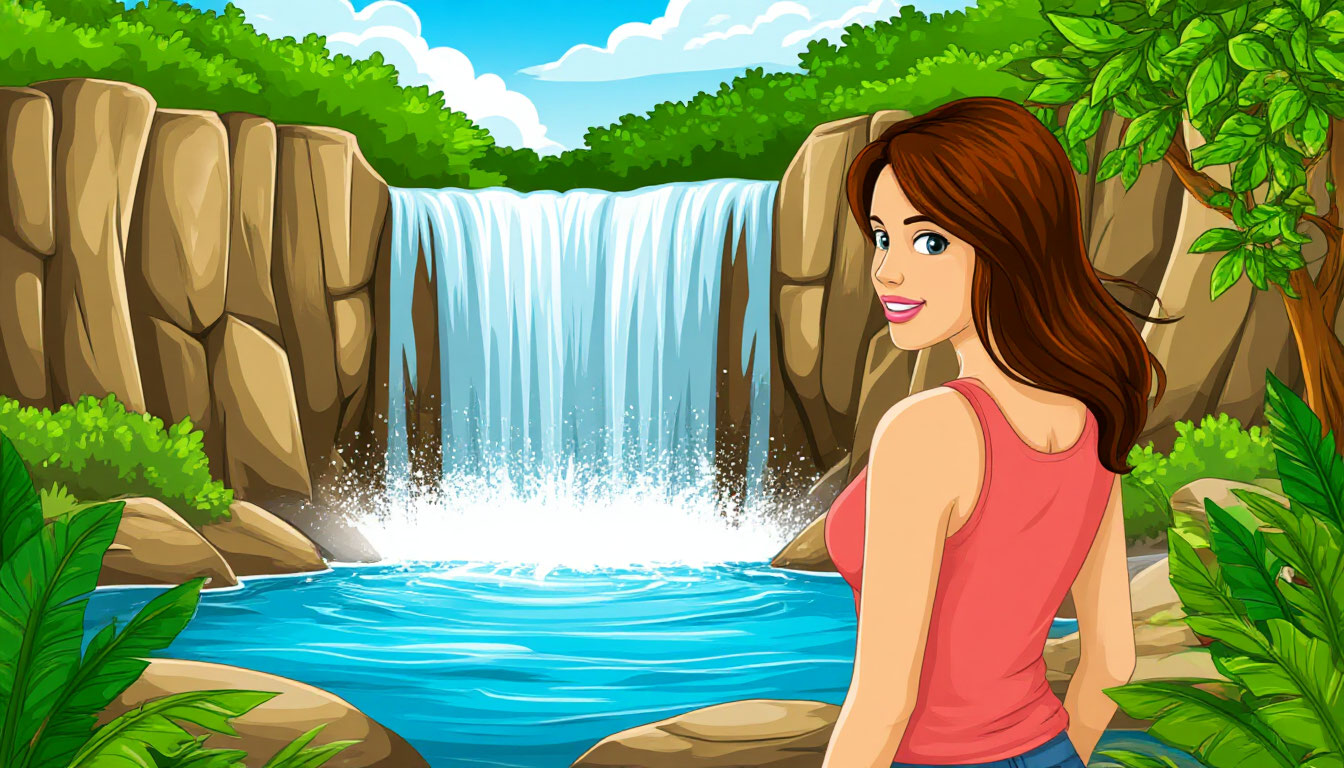
Waterfalls are among nature’s most powerful and visually striking features. Beyond their beauty, they are dynamic geological agents capable of reshaping the landscapes around them.
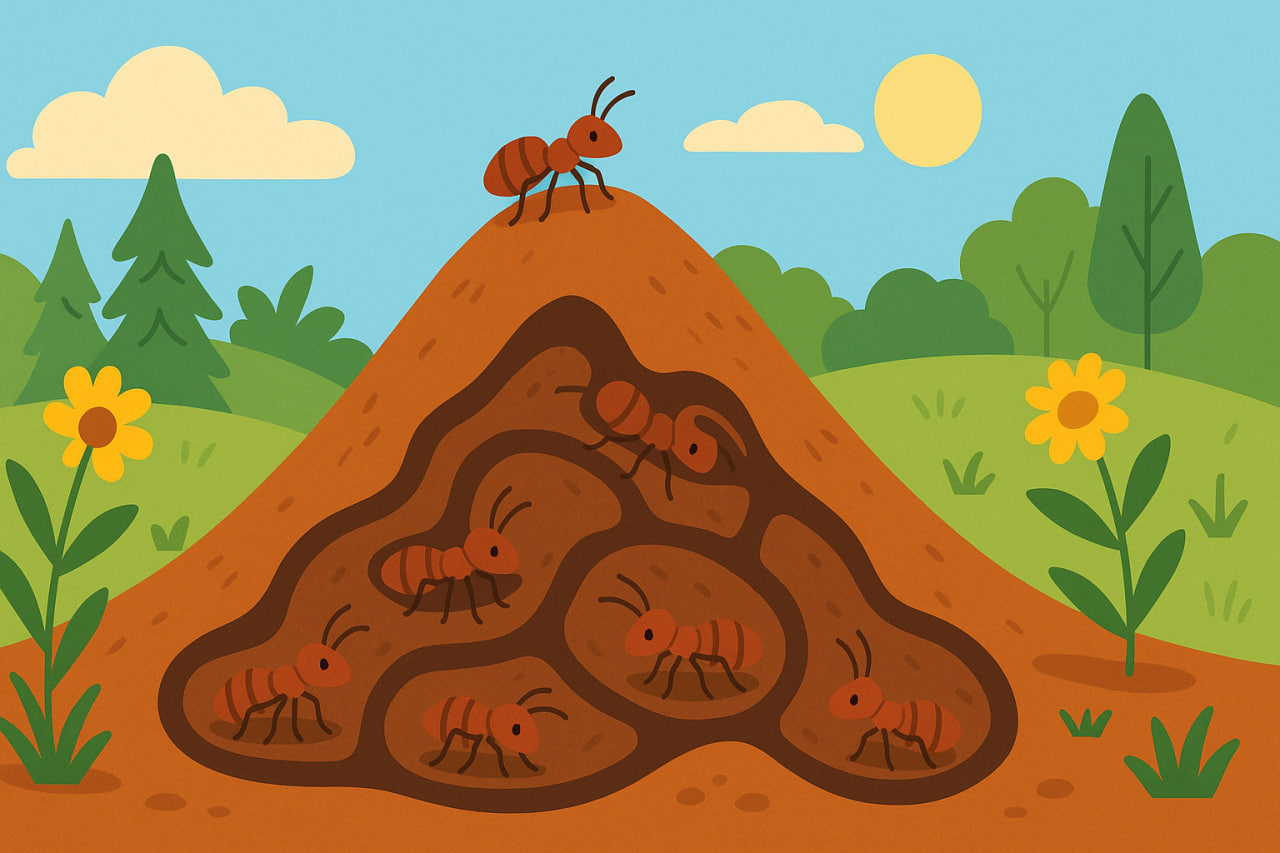
Ant hills are among nature’s most remarkable examples of collective engineering. Built and maintained by thousands of ants, these structures are essential for the survival and growth of their...
Landscape equilibrium is the state of natural balance between the physical, biological, and climatic components of a landscape.
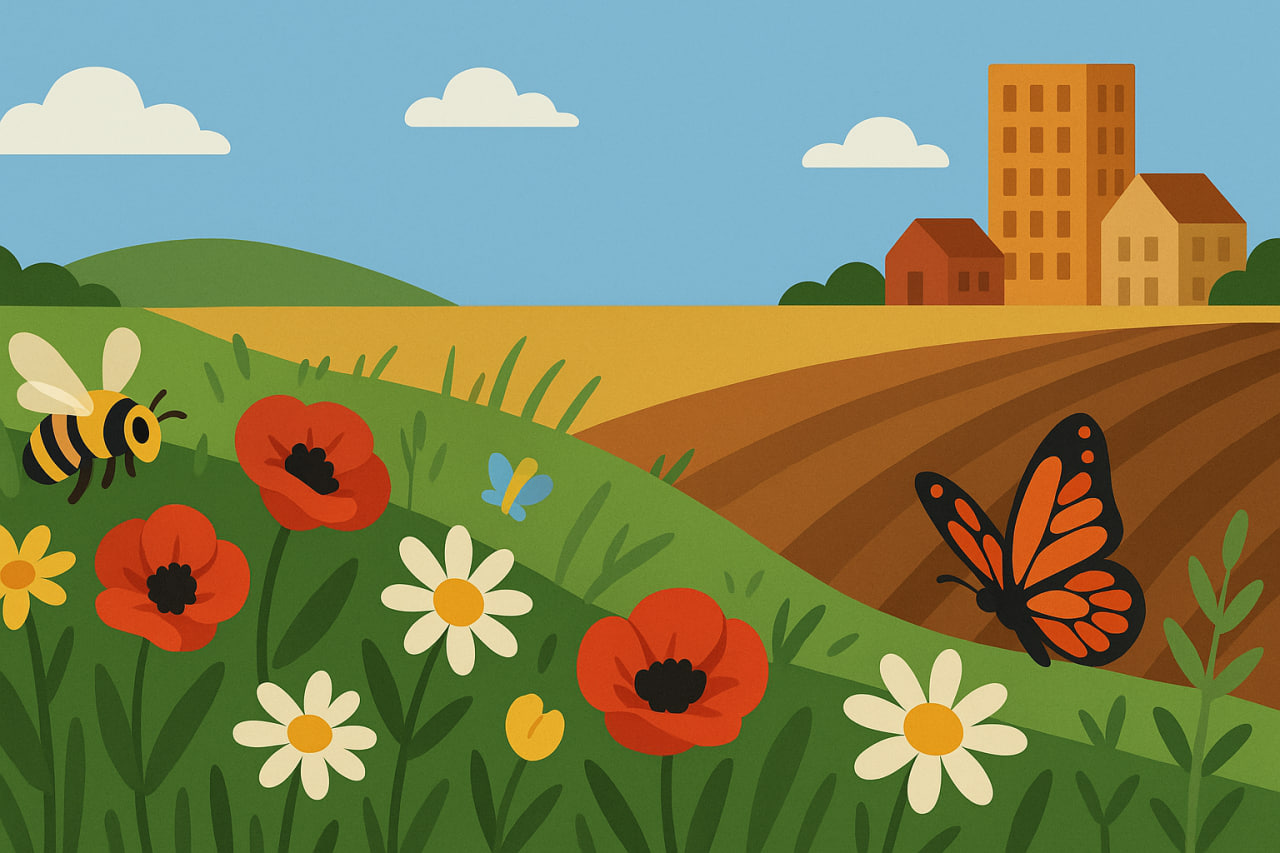
Wild meadows, once widespread across many regions, are now rapidly declining. These natural grasslands host a remarkable diversity of plants, insects, and animals, serving as important...
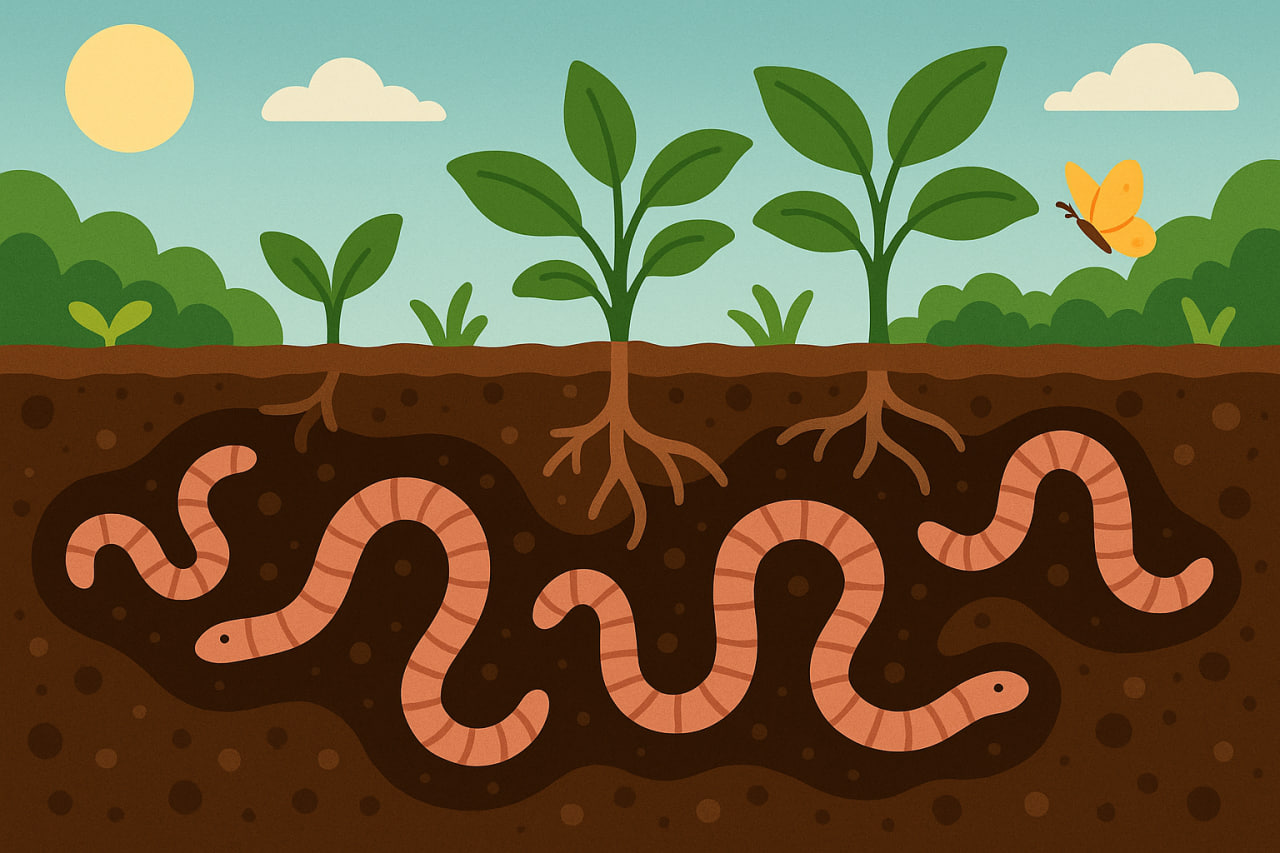
Earthworms are small but mighty engineers of the soil ecosystem. These humble creatures play a crucial role in maintaining soil health, supporting plant growth, and enhancing agricultural...
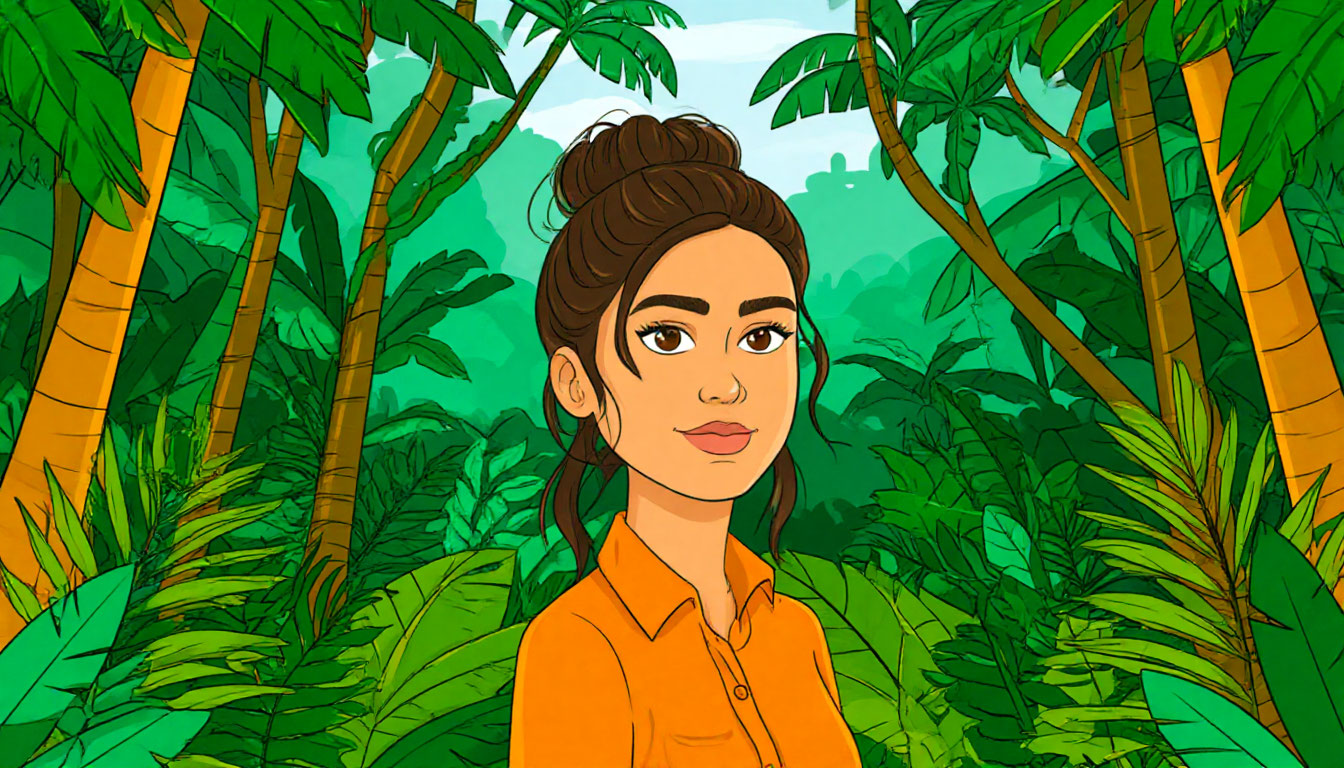
Equatorial jungles, also known as tropical rainforests, are among the most biologically rich and ecologically important ecosystems on Earth.

Tundra is a unique biome characterized by extreme cold, short growing seasons, and limited biodiversity.

Plants grow in some of the harshest, coldest environments on Earth — from Arctic tundra to high mountain peaks.
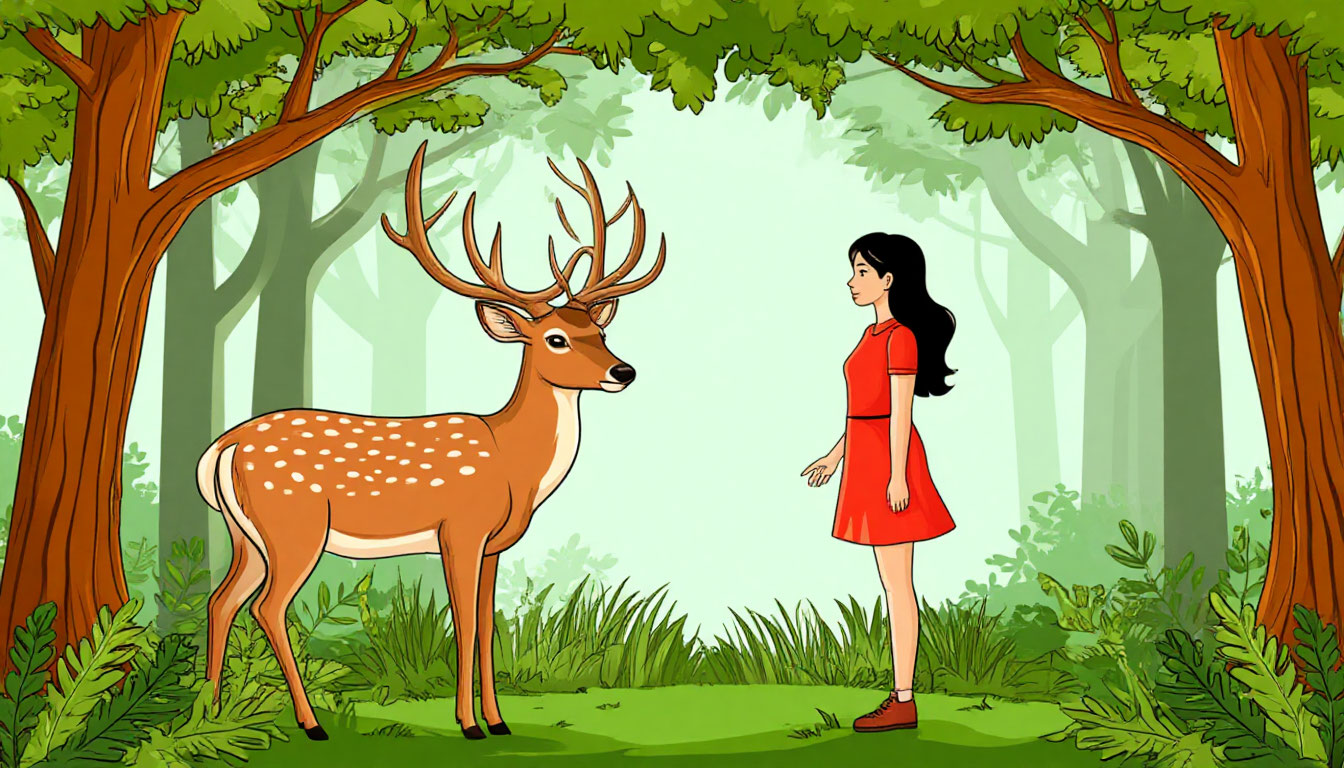
Primary forests, also known as old-growth forests, are woodlands that have developed naturally over long periods without significant human disturbance.

Pollination is the process of transferring pollen from the male part of a flower (anther) to the female part (stigma), enabling fertilization and seed production.