
Greenhouse Gases Emitted by Nature
When discussing greenhouse gases, most attention focuses on human activities such as burning fossil fuels and industrial pollution.
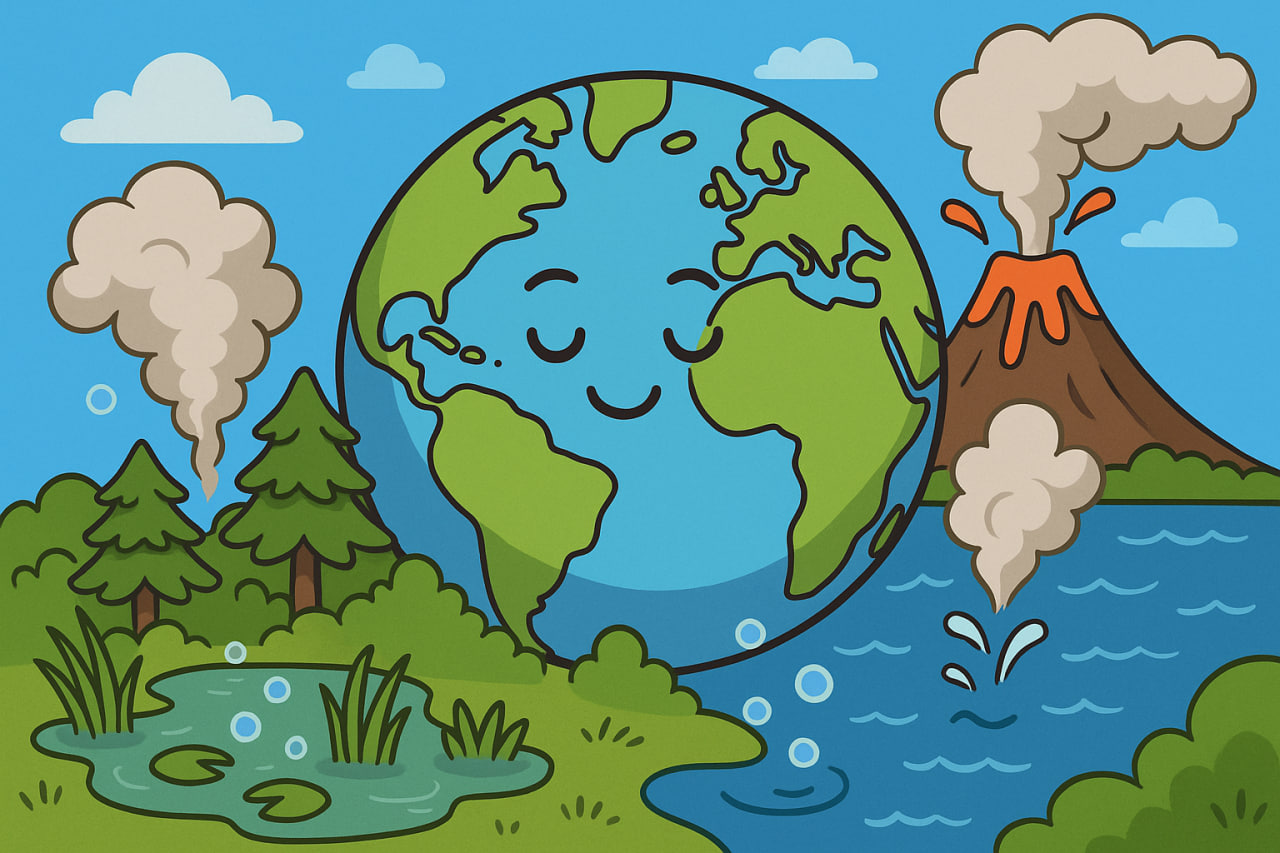
When discussing greenhouse gases, most attention focuses on human activities such as burning fossil fuels and industrial pollution.
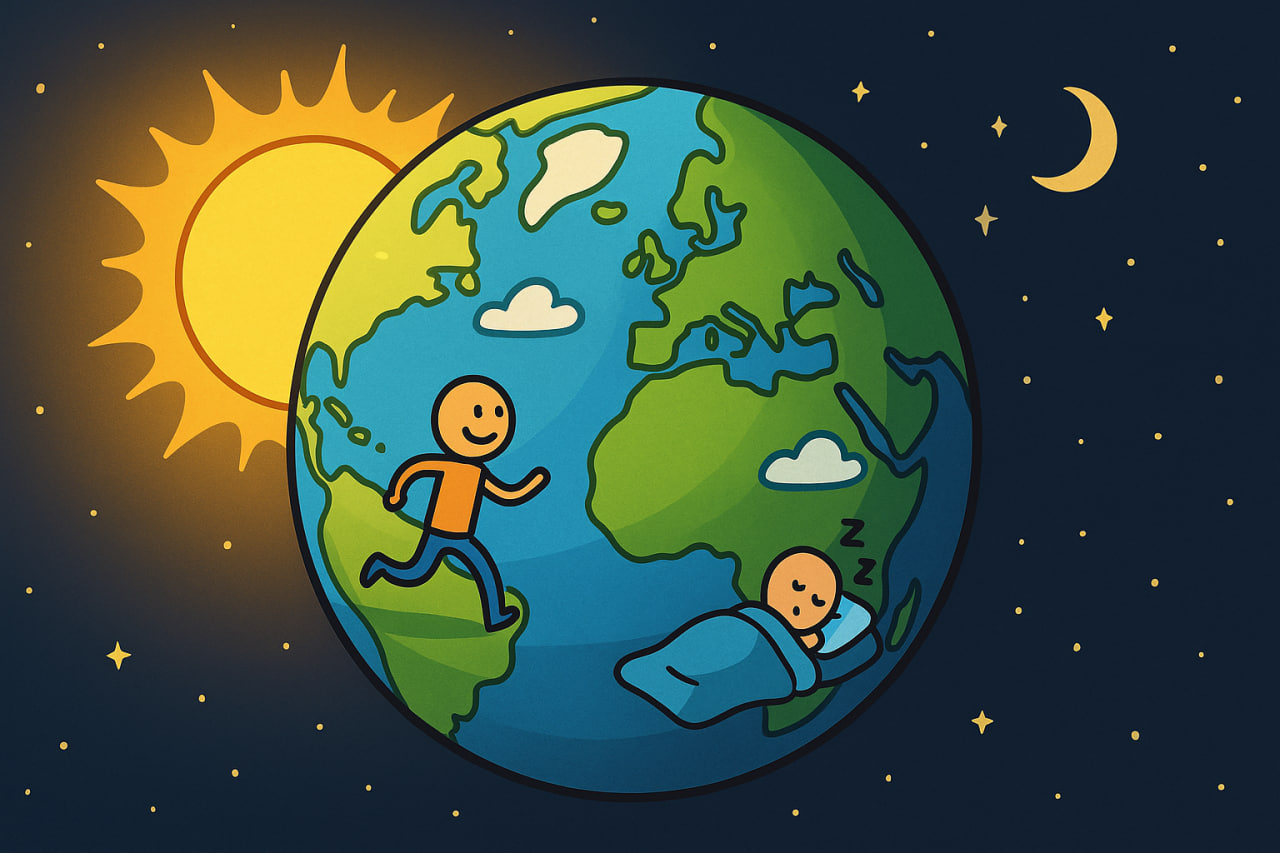
Every 24 hours, we experience the change from day to night and back again — a rhythm so natural we often take it for granted. This daily cycle is caused by the rotation of the Earth on its axis.
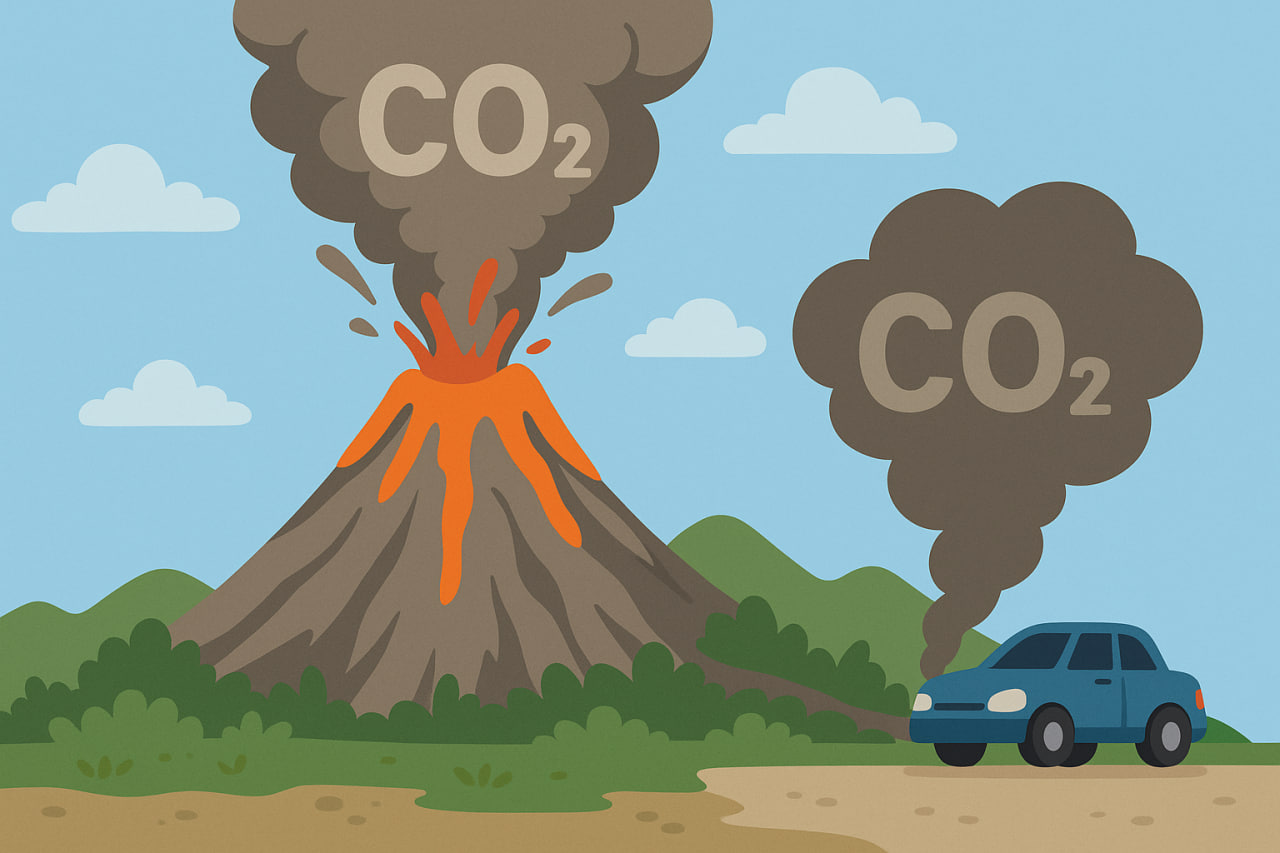
Volcanoes are among Earth’s most dramatic natural features, capable of shaping continents and influencing climate.
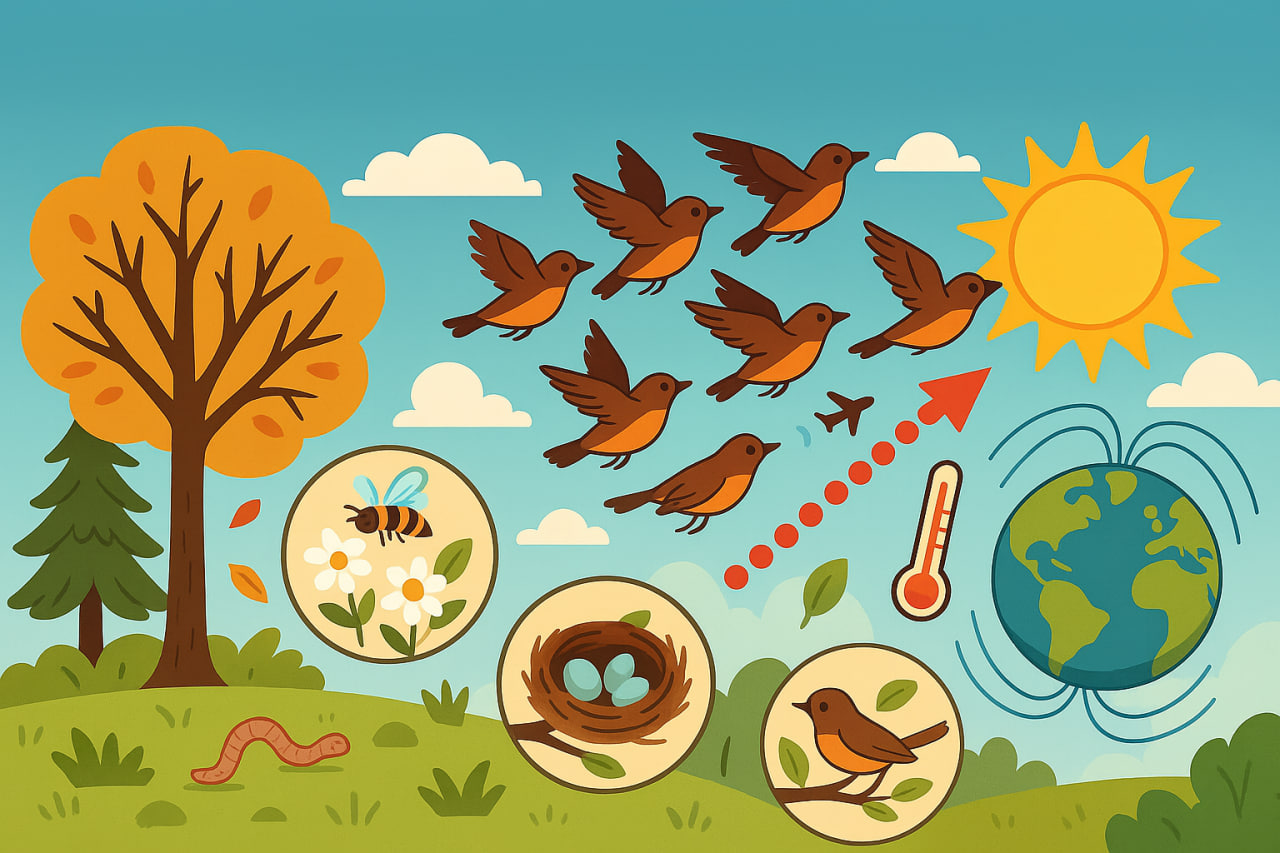
Each year, billions of birds around the world leave their summer homes and fly thousands of kilometers to warmer regions.
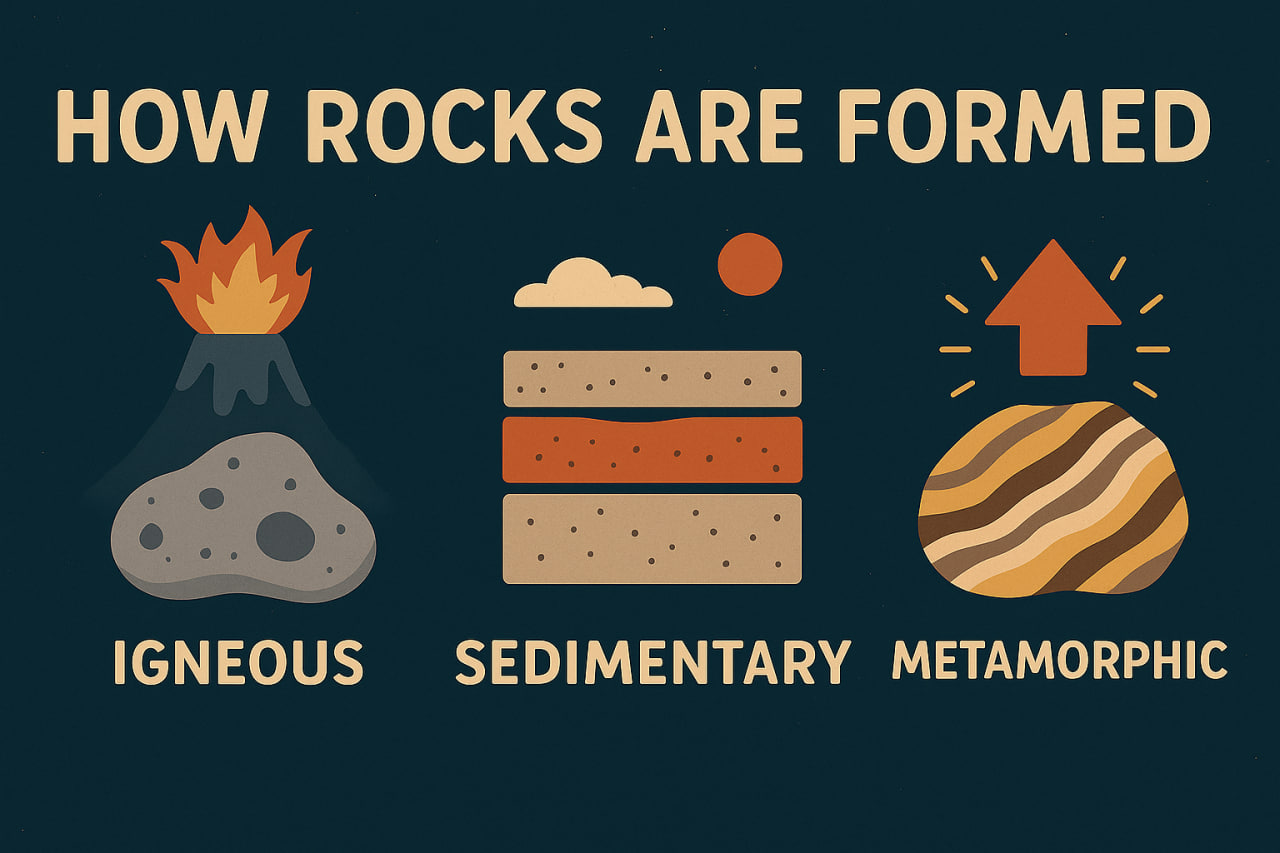
Rocks are the fundamental building blocks of Earth’s crust and have been forming for billions of years through dynamic geological processes.
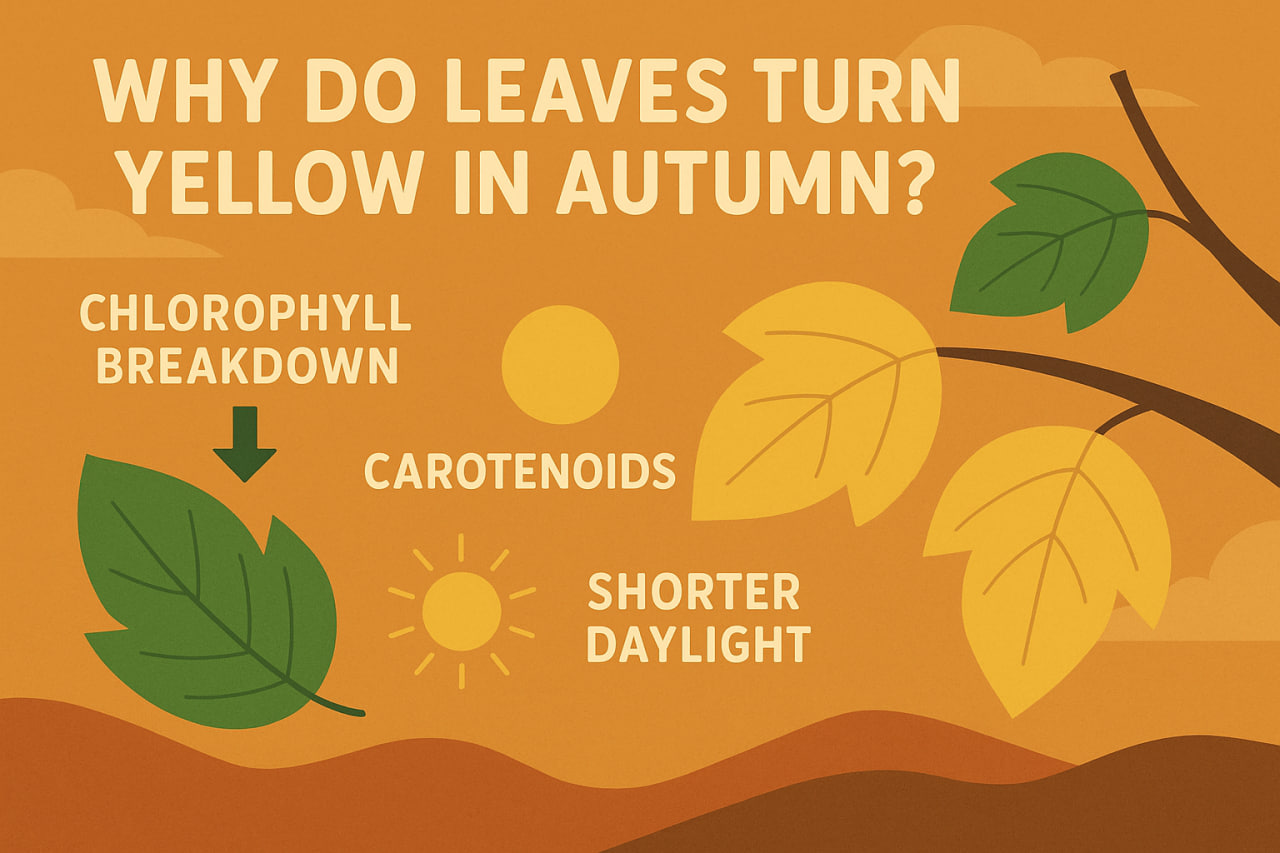
Each autumn, trees in temperate regions put on a dazzling display of color—greens fade into brilliant yellows, oranges, and reds. But why does this transformation happen?
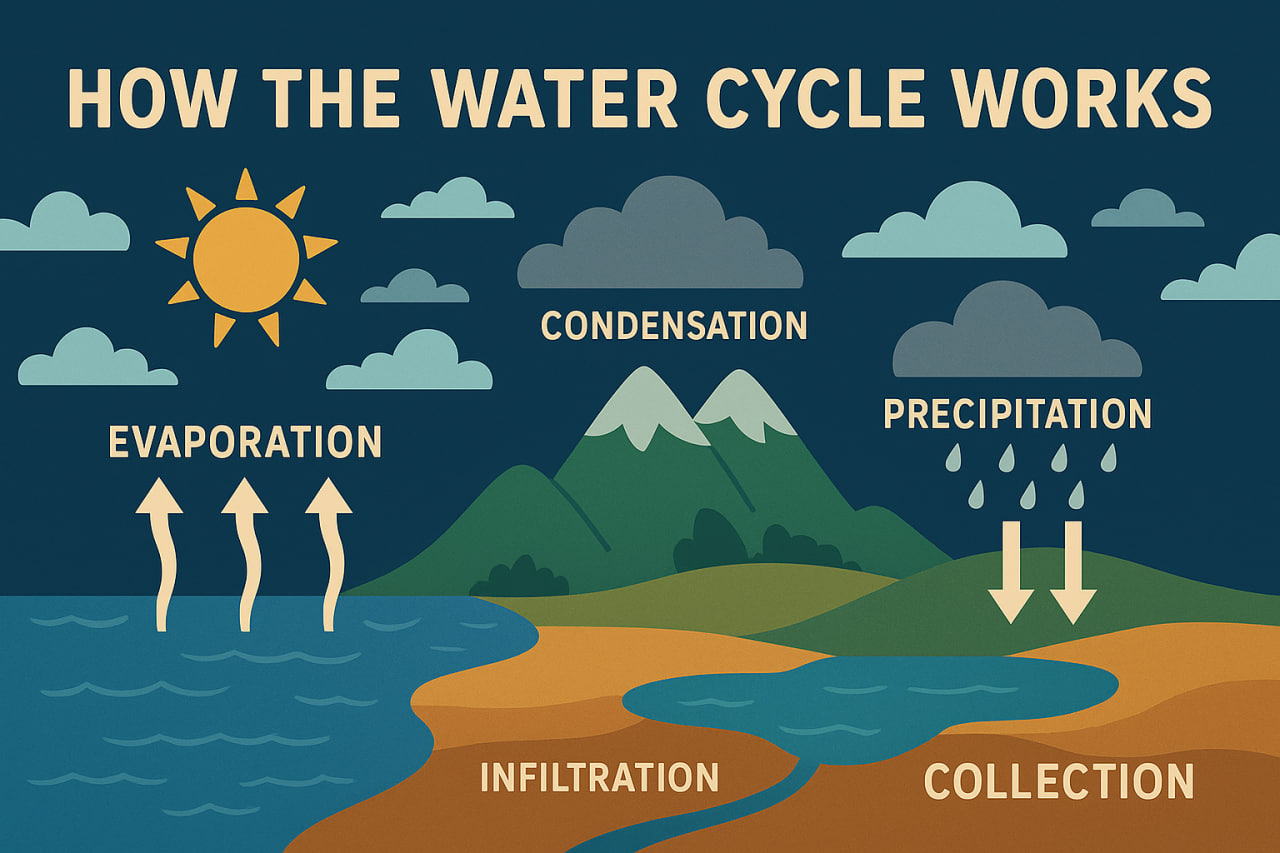
The water cycle, also known as the hydrologic cycle, is the continuous movement of water on, above, and below the surface of the Earth.
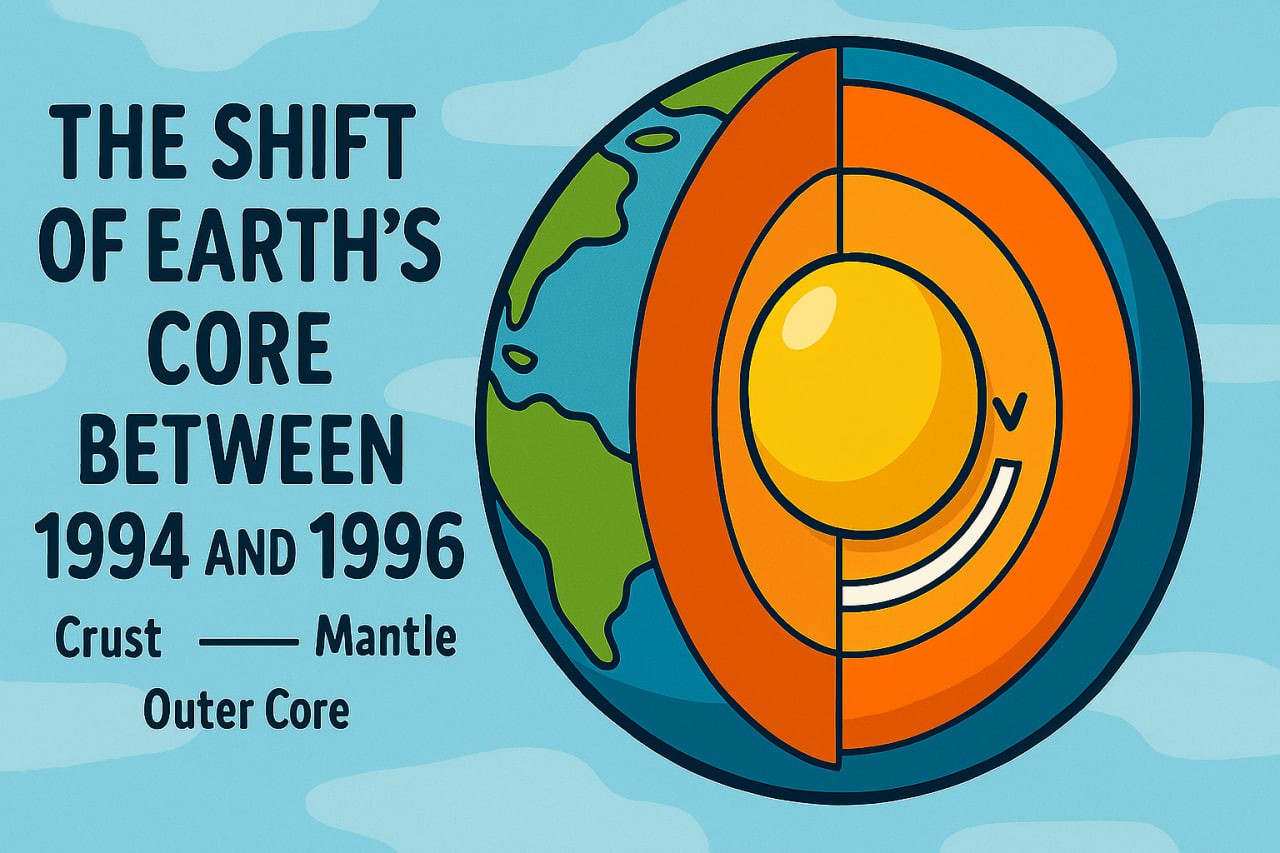
Between 1994 and 1996, a subtle but intriguing event occurred deep inside our planet — a possible change in the rotation rate of Earth’s inner core.
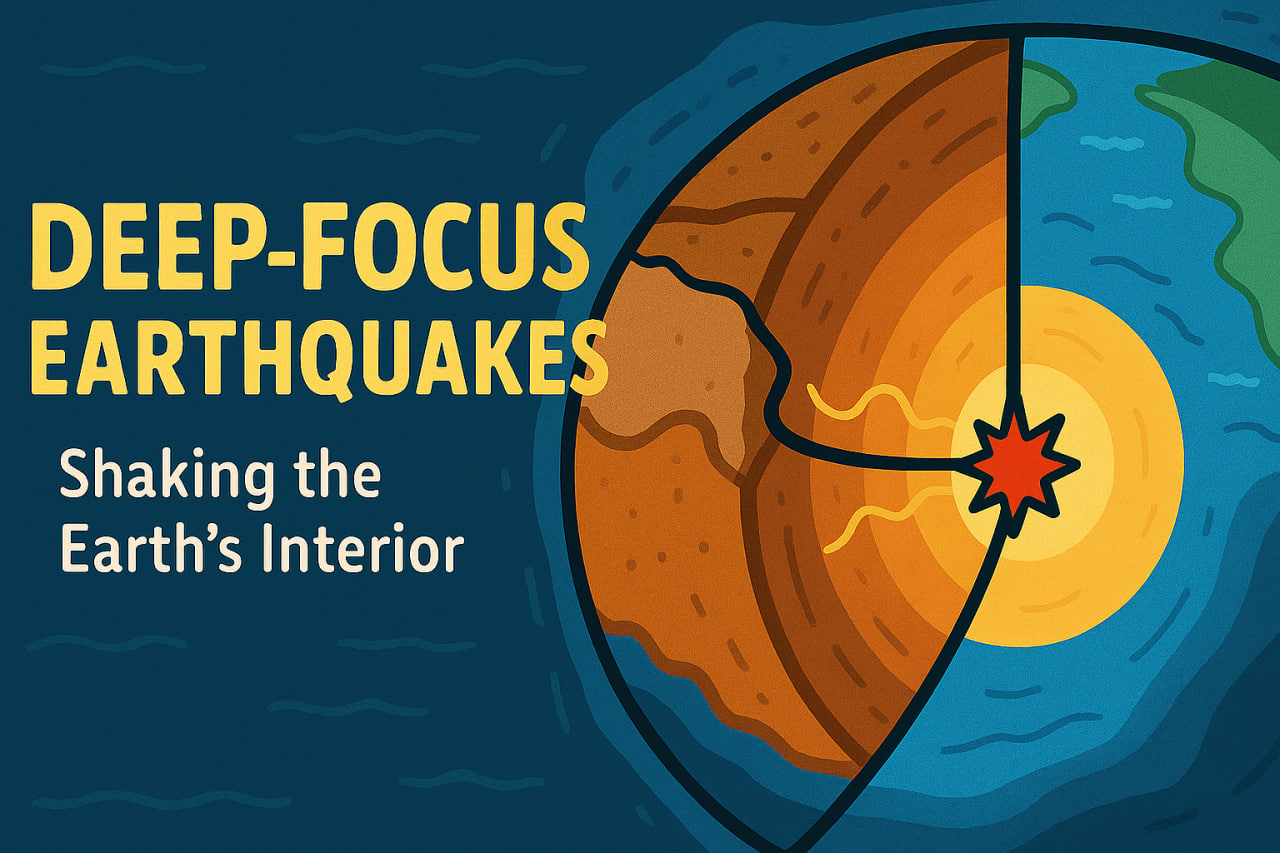
Most people associate earthquakes with shaking ground and damaged buildings near the surface. But not all earthquakes happen close to the Earth's crust.
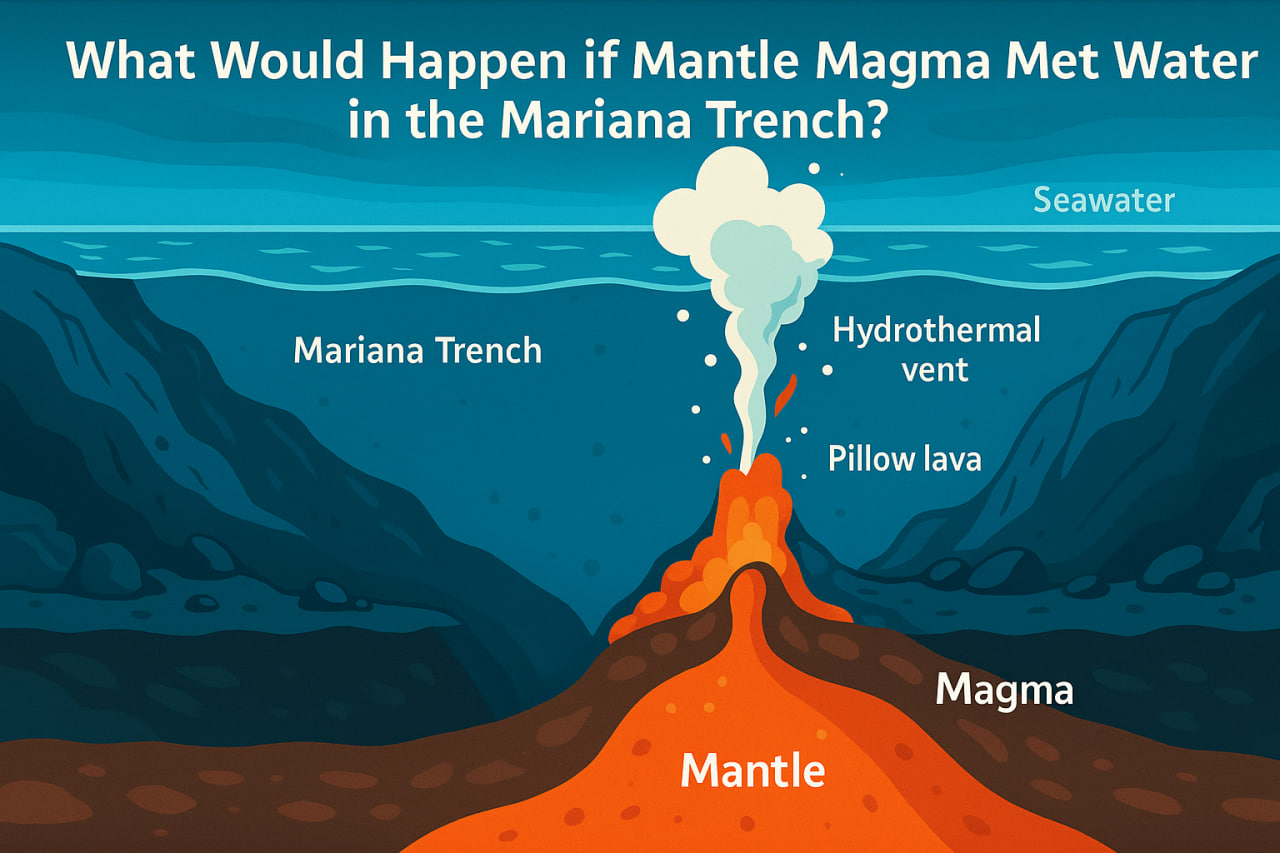
The Mariana Trench is the deepest known part of Earth's oceans, reaching nearly 11 kilometers (7 miles) below sea level.