
Why Birds Have Feathers of Different Colors
Bird feathers come in an astonishing variety of colors, patterns, and textures. While these features make birds beautiful to observe, they are not just for decoration — the colors serve vital...
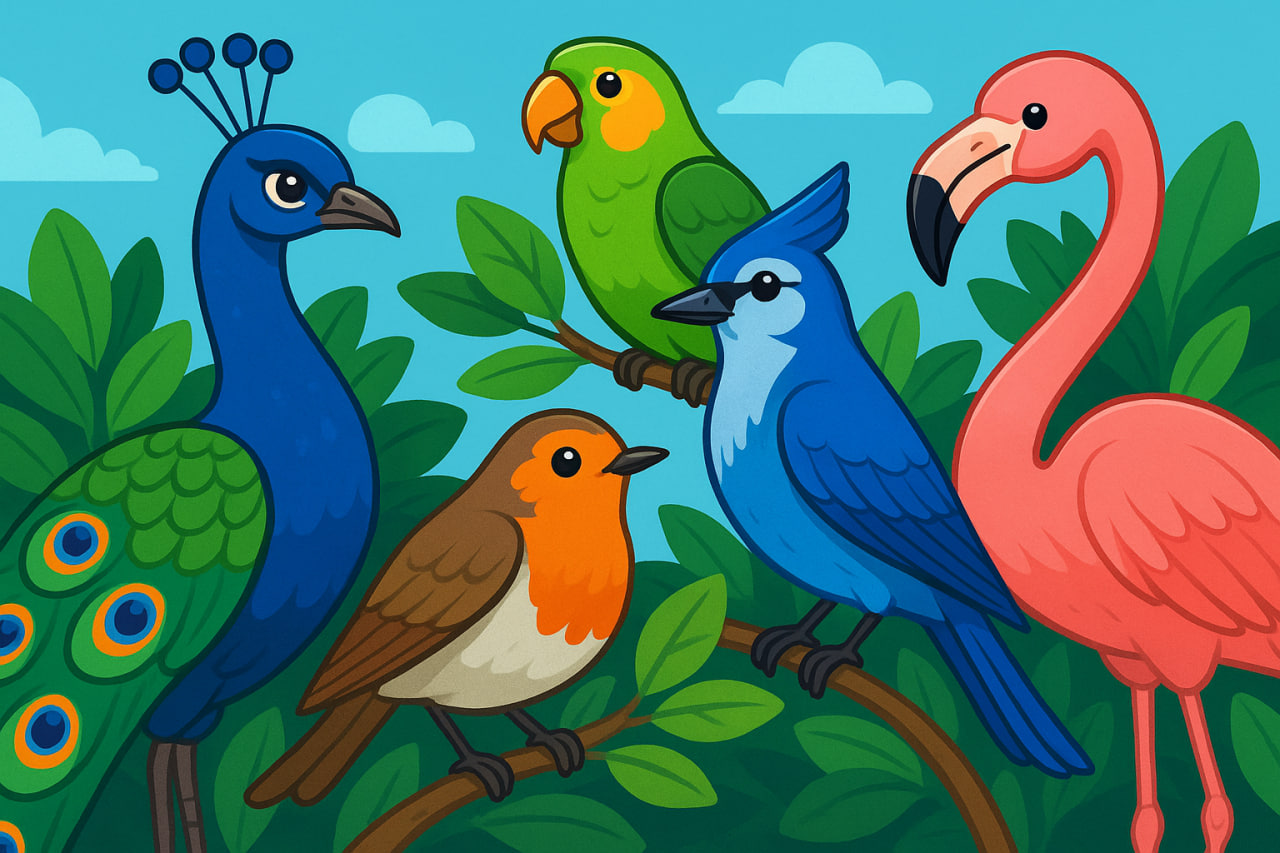
Bird feathers come in an astonishing variety of colors, patterns, and textures. While these features make birds beautiful to observe, they are not just for decoration — the colors serve vital...
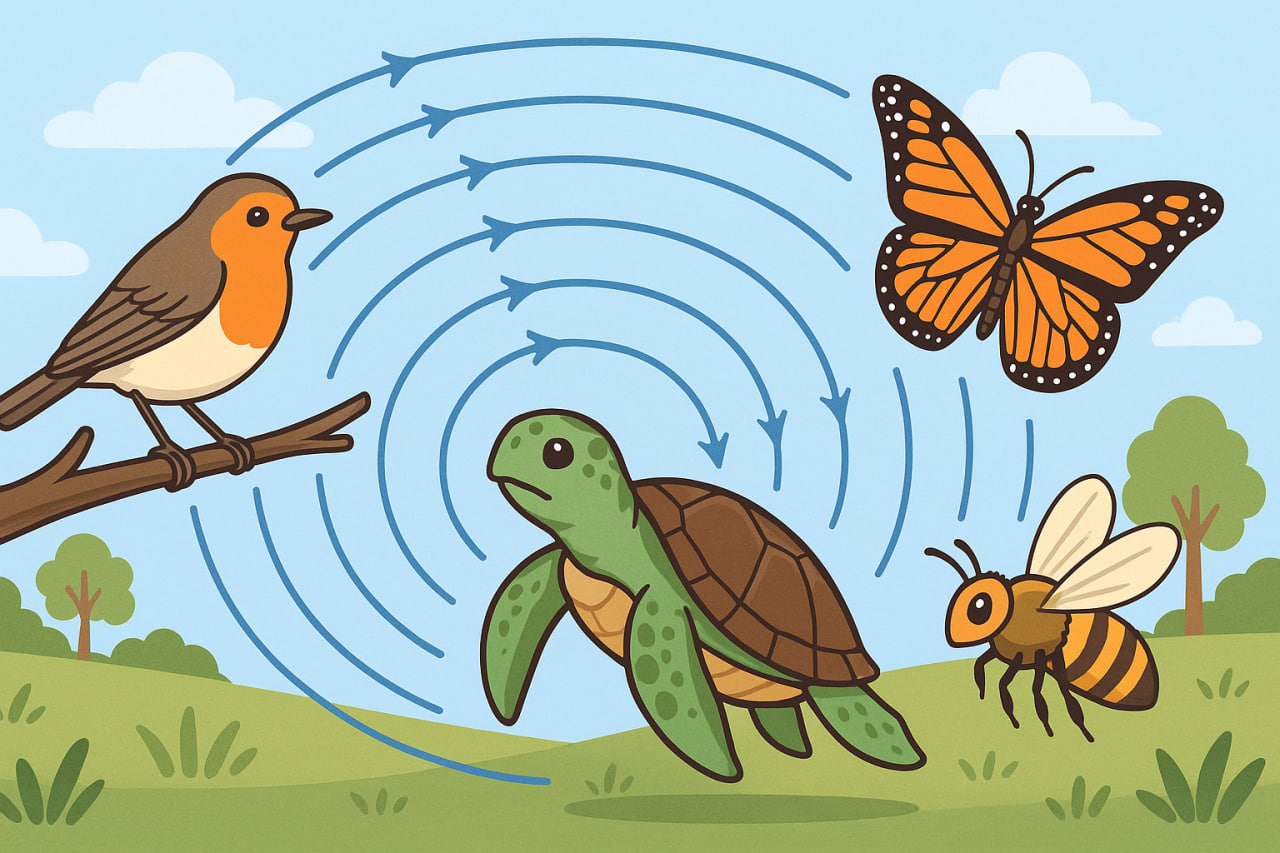
The Earth’s magnetic field is an invisible force that surrounds our planet, created by the movement of molten iron in its core.
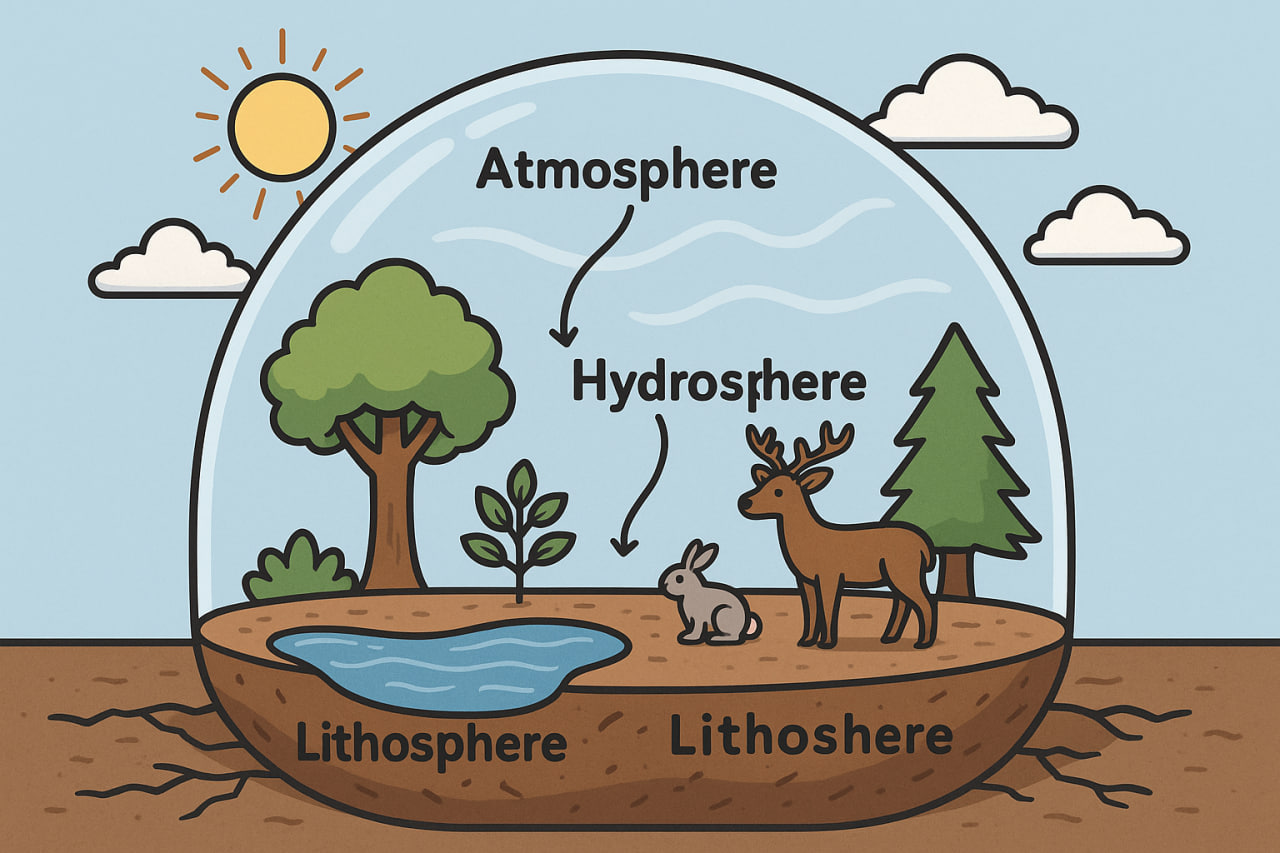
A biosphere is the global sum of all ecosystems — the regions of Earth (or a closed artificial system) where life exists and interacts with the atmosphere, hydrosphere, and lithosphere.
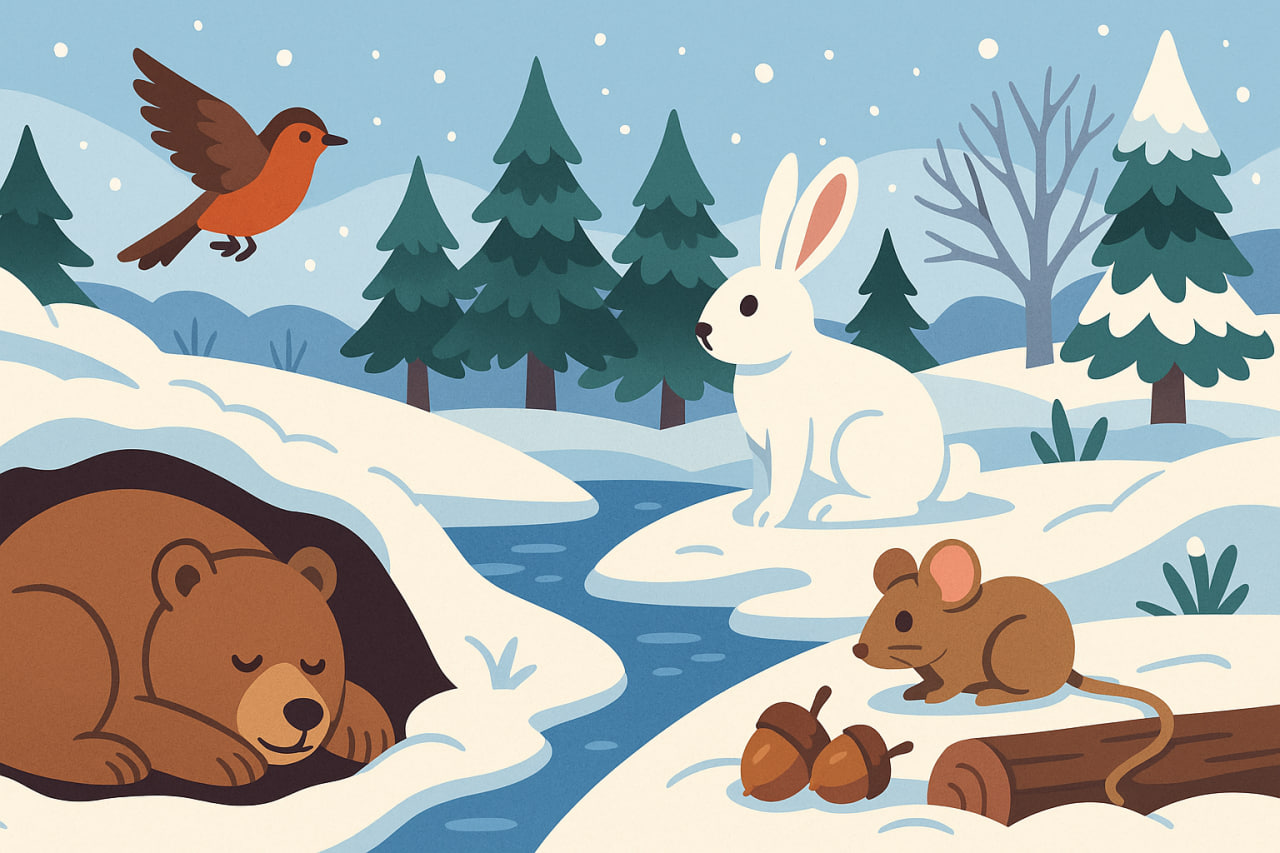
Winter presents harsh conditions for animals: freezing temperatures, snow-covered landscapes, and limited access to food.
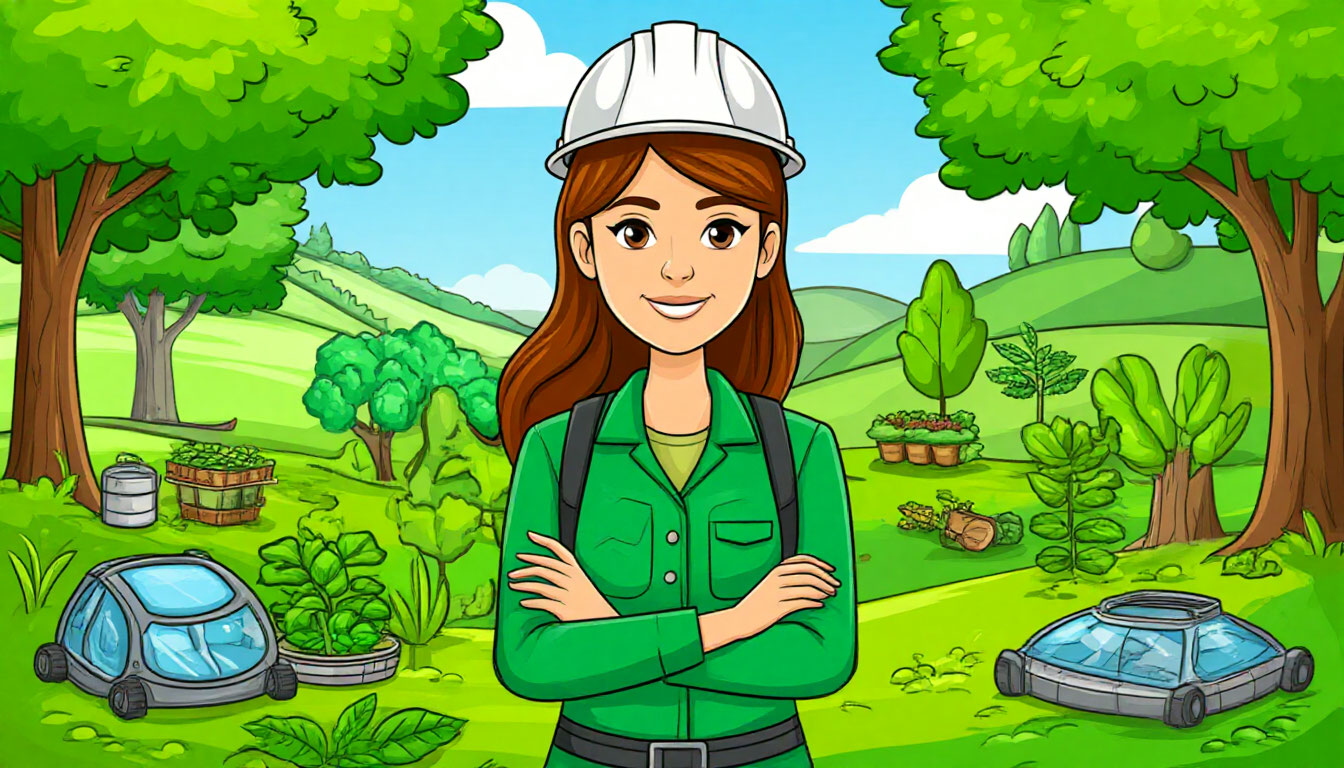
Ecology is the scientific study of the relationships between living organisms and their environment.
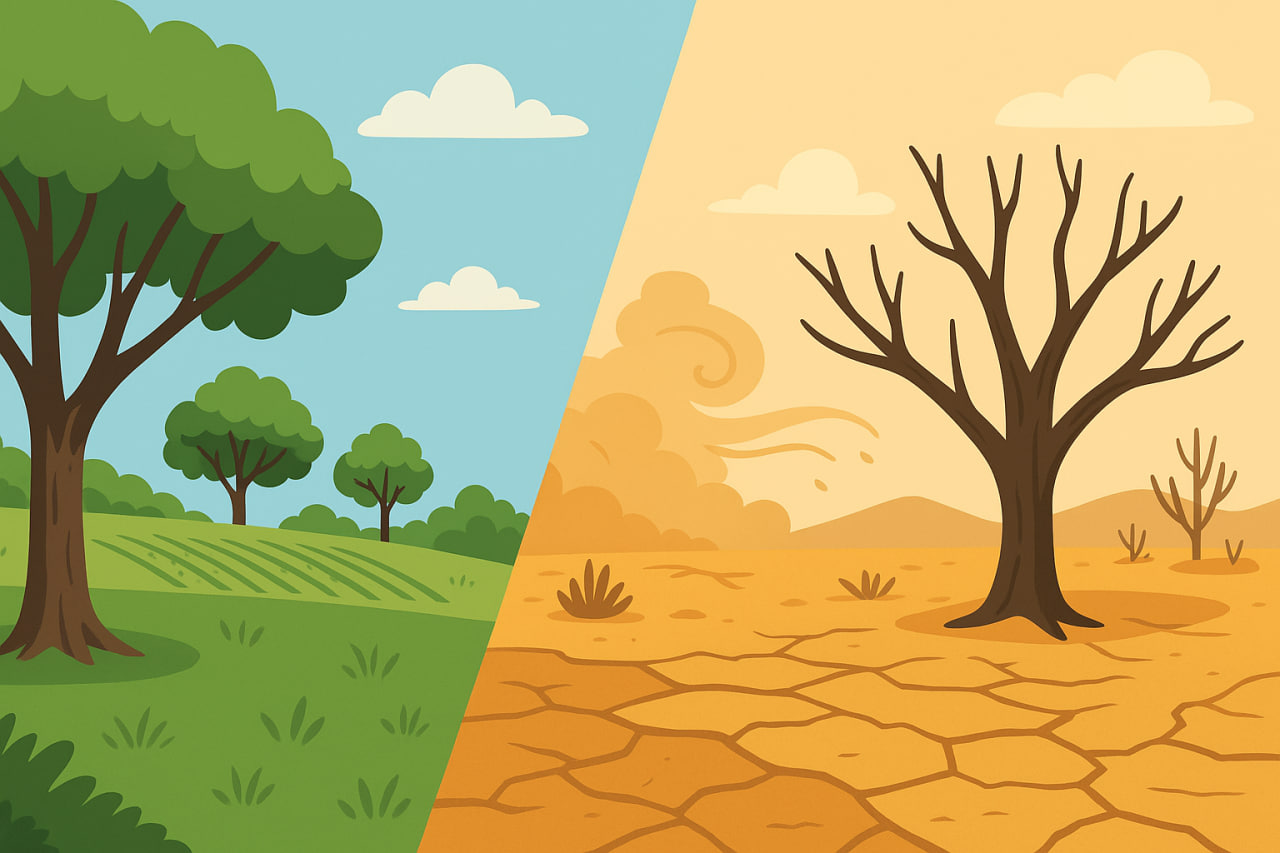
Desertification is the process by which fertile land gradually turns into arid desert, making it unsuitable for agriculture, forests, or other natural ecosystems.
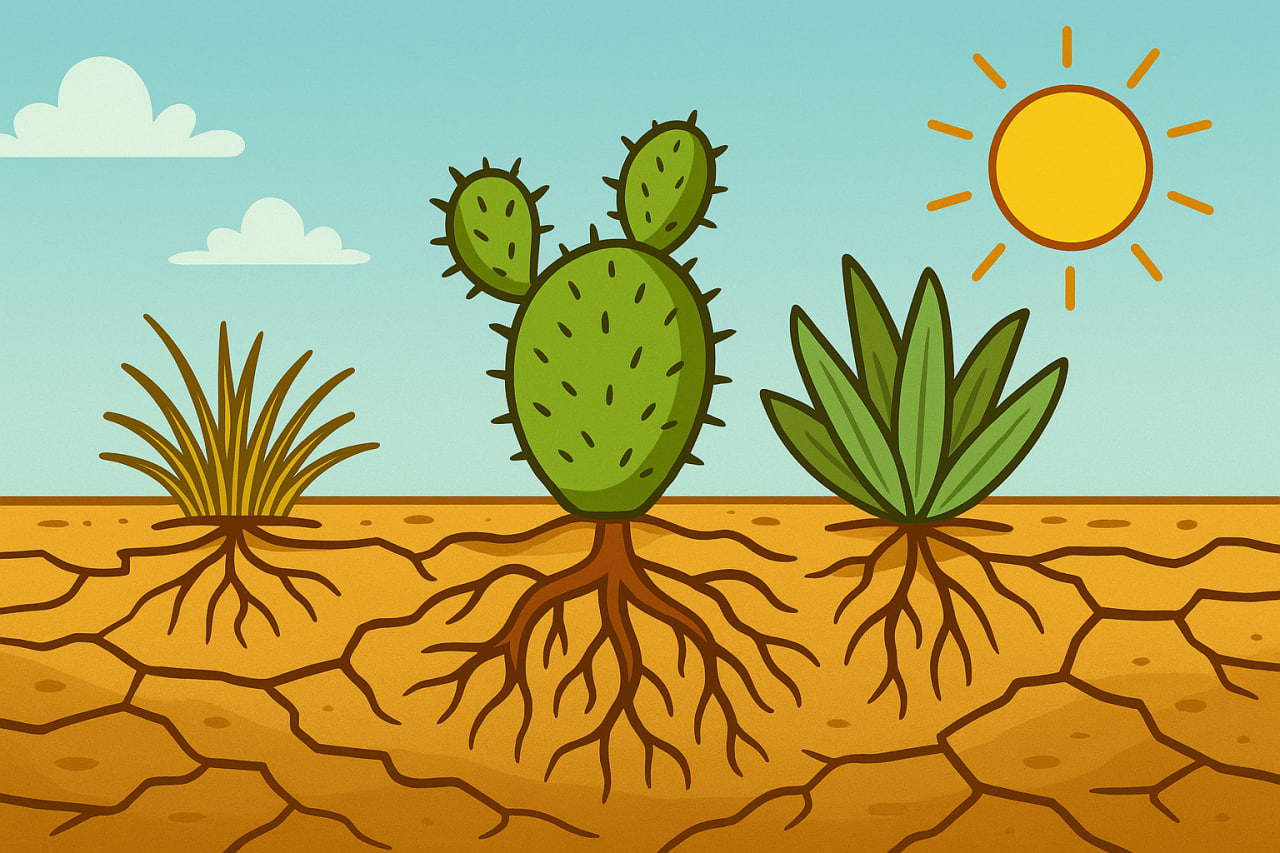
Drought is one of the most challenging conditions that plants must endure, especially in arid and semi-arid regions.
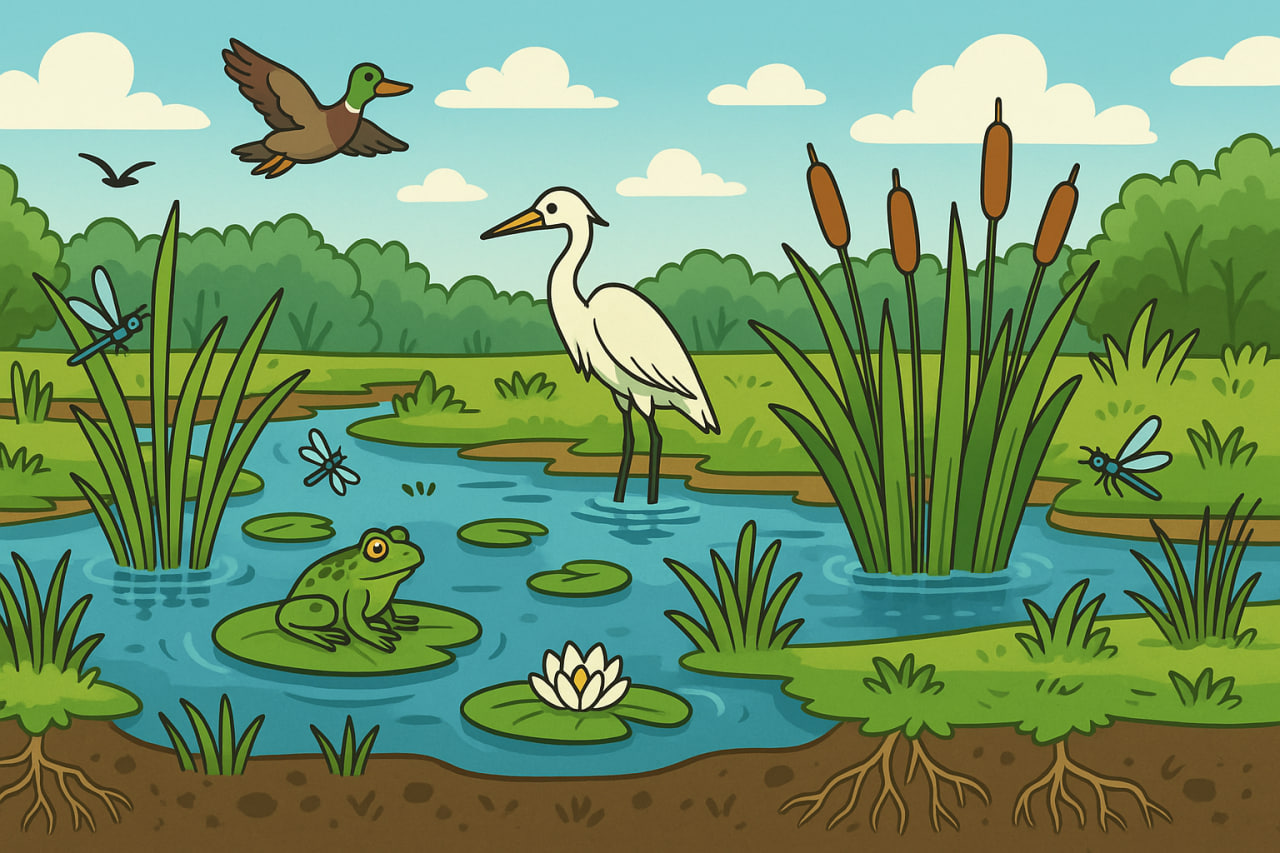
Wetlands are unique ecosystems that exist at the interface between land and water. They include marshes, swamps, bogs, and fens, and are found on every continent except Antarctica.
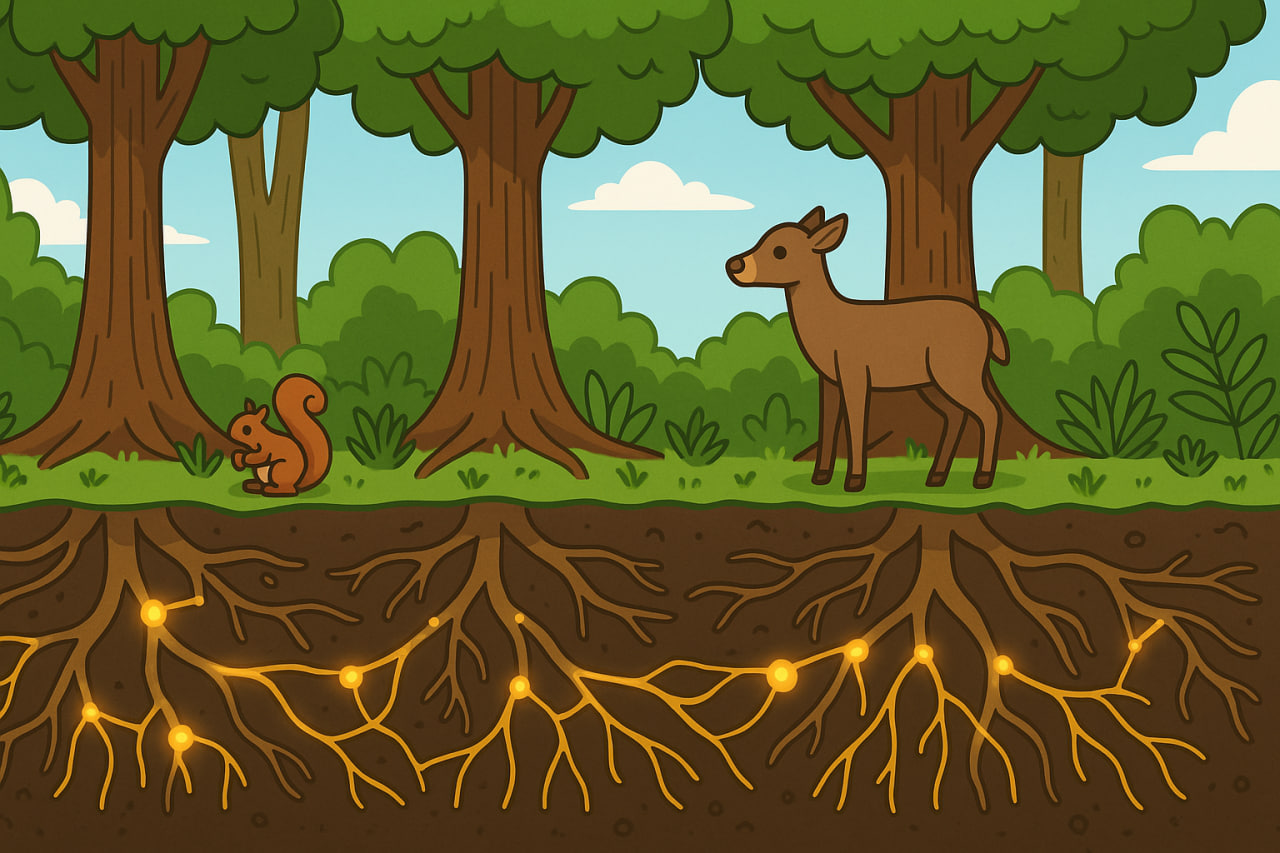
Although they may seem silent and solitary, trees are part of intricate networks that allow them to communicate, share resources, and defend themselves.
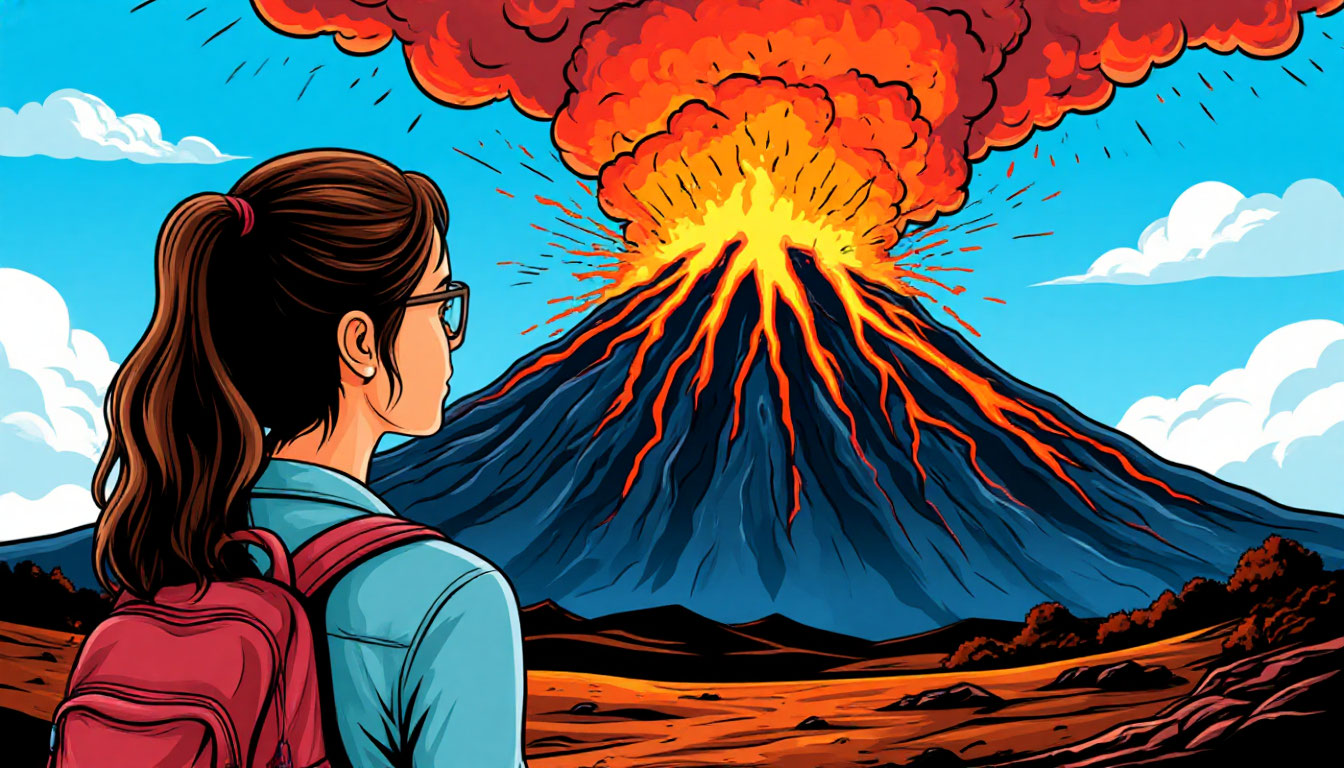
Volcanoes are among Earth’s most powerful natural phenomena, capable of shaping landscapes, triggering natural disasters, and even altering global climate patterns.