
The Discovery of Antarctica: A Journey to the Last Continent
Antarctica, the fifth-largest continent and the coldest, windiest place on Earth, was the last major landmass to be discovered by humans.
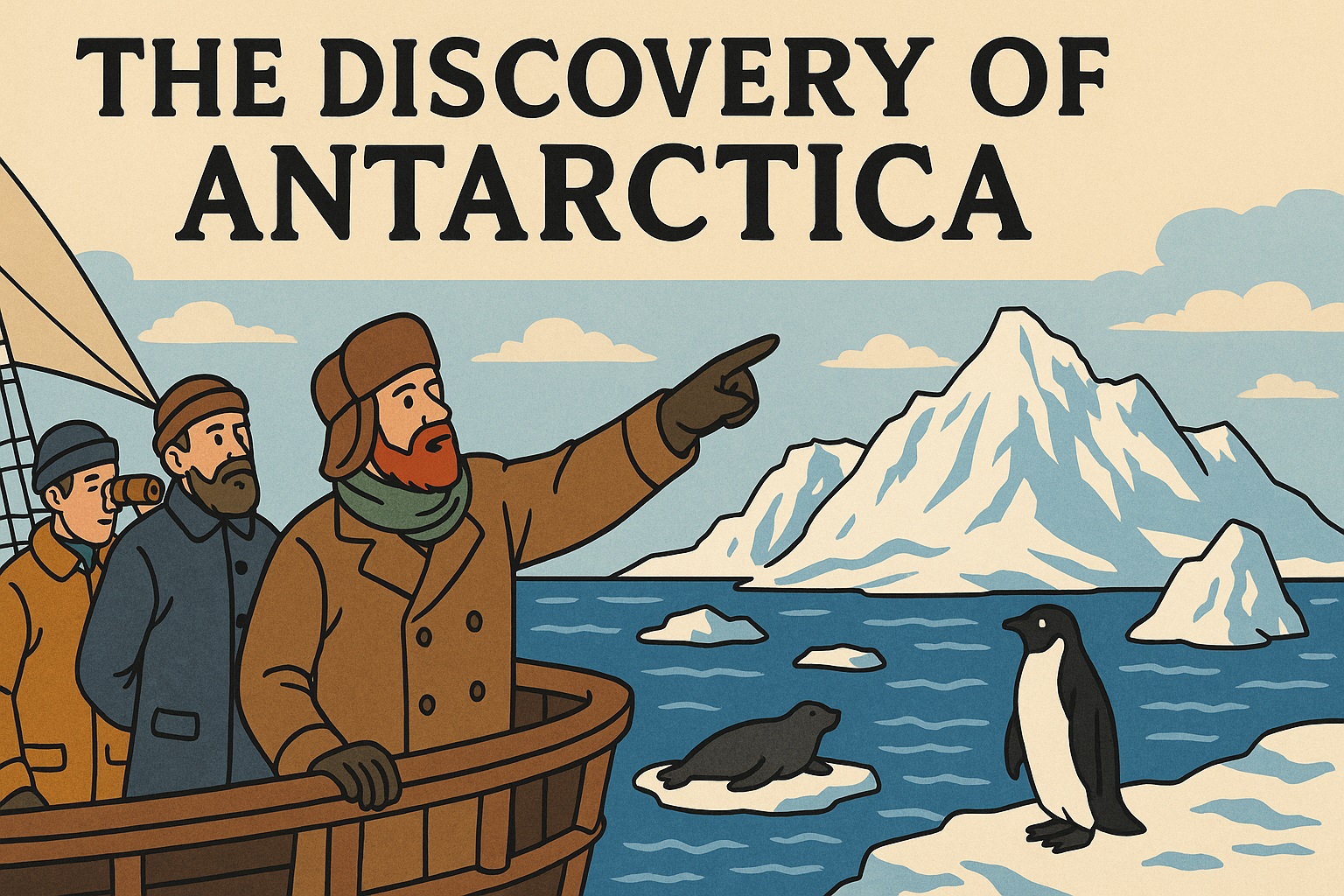
Antarctica, the fifth-largest continent and the coldest, windiest place on Earth, was the last major landmass to be discovered by humans.
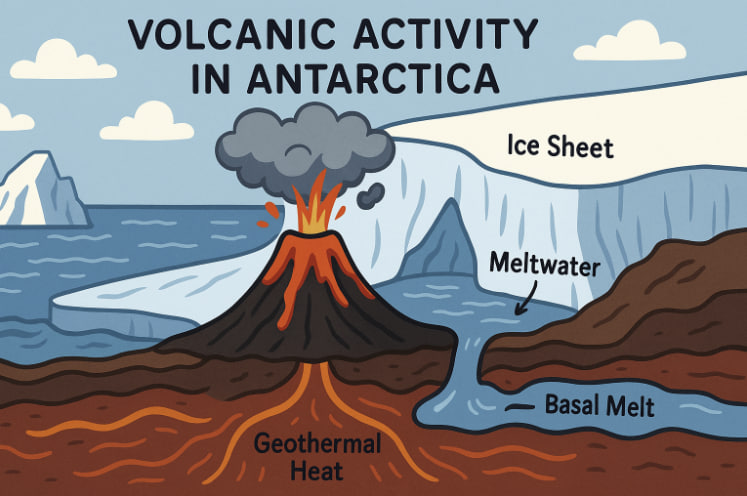
While Antarctica is often imagined as a frozen, silent continent, it hides a surprisingly active geological landscape beneath its thick ice sheets.
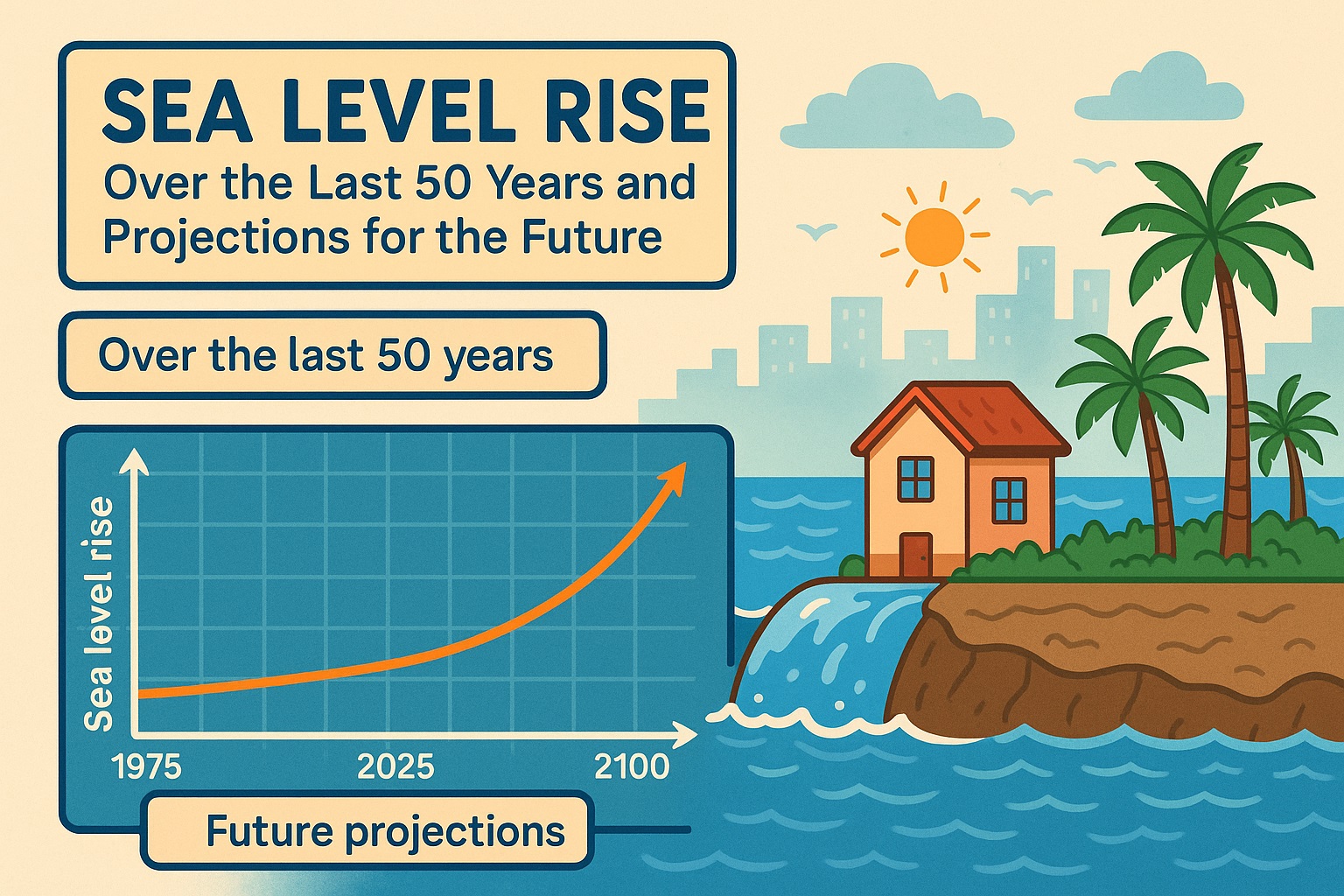
The rise in global sea levels is one of the most visible and urgent consequences of climate change.
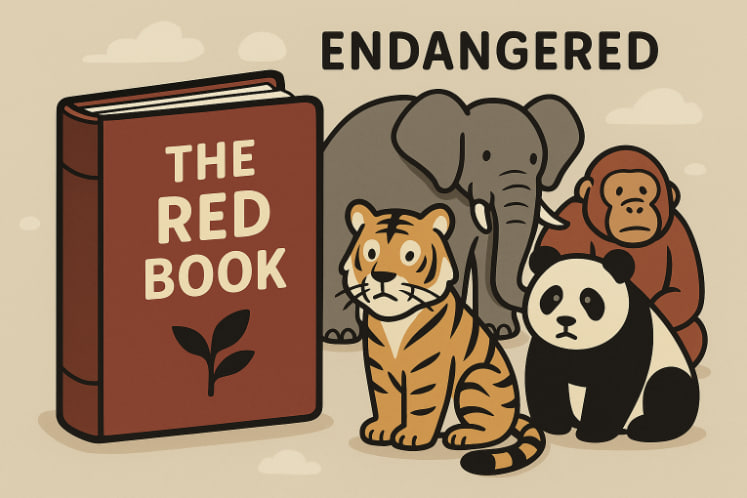
The Red Book, officially known as the IUCN Red List of Threatened Species, is the world’s most comprehensive inventory of the conservation status of animal, plant, and fungal species.
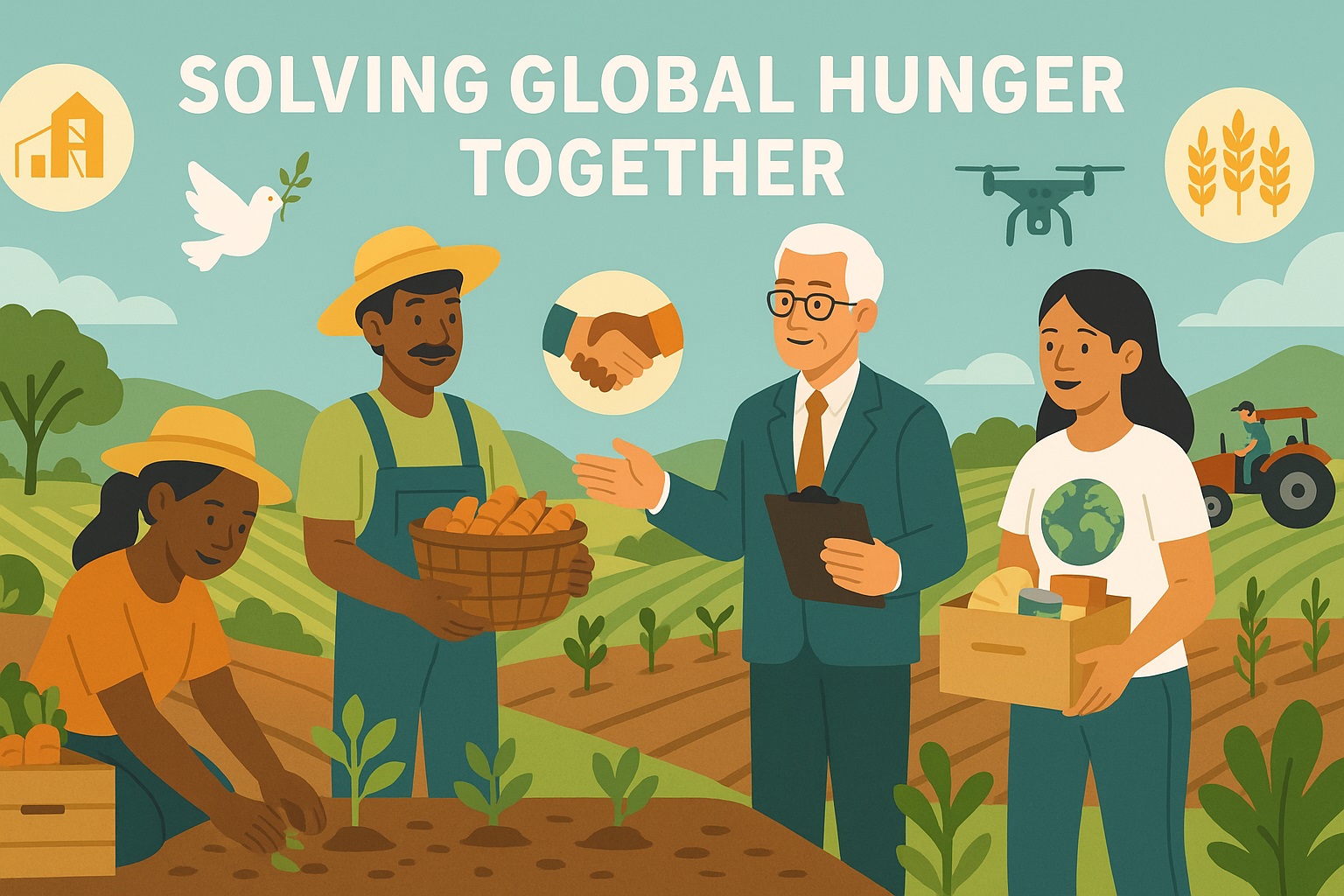
Solving world hunger is not just a humanitarian goal—it's a moral, economic, and environmental imperative.
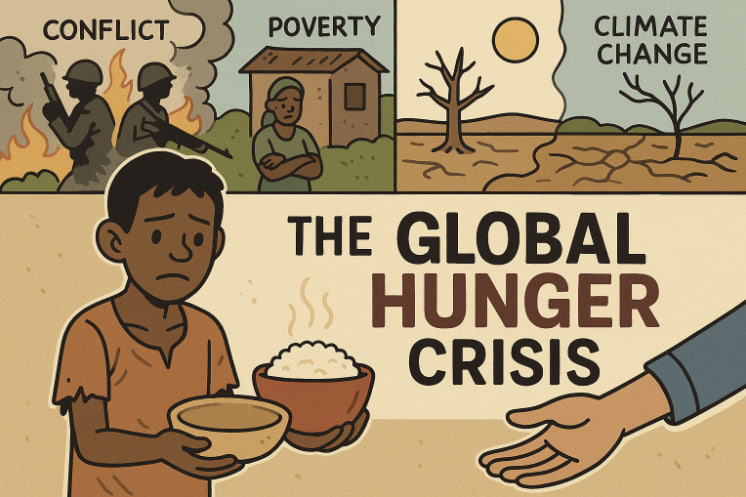
Despite technological and agricultural advances, over 700 million people around the world still go to bed hungry every night.
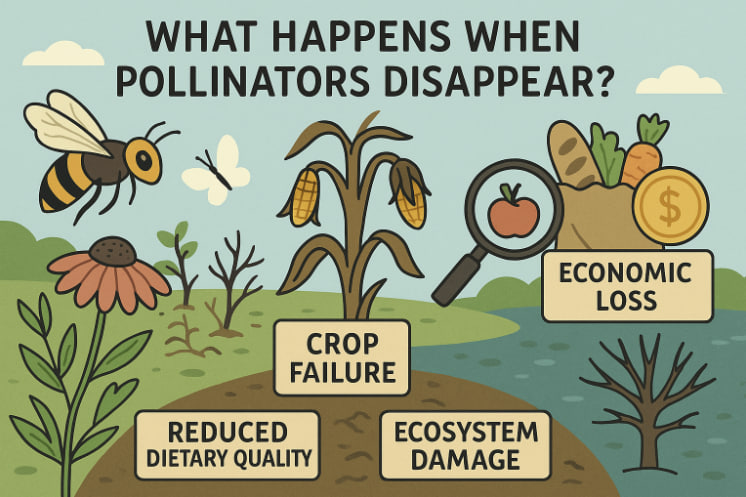
Pollinators such as bees, butterflies, beetles, birds, and bats play a crucial role in ecosystems and agriculture by helping plants reproduce.
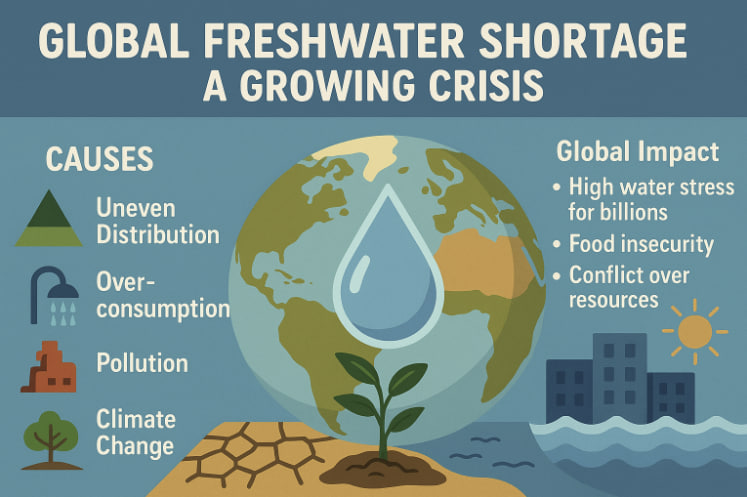
Water covers over 70% of Earth’s surface, yet less than 3% of it is freshwater, and only about 1% is accessible for human use.
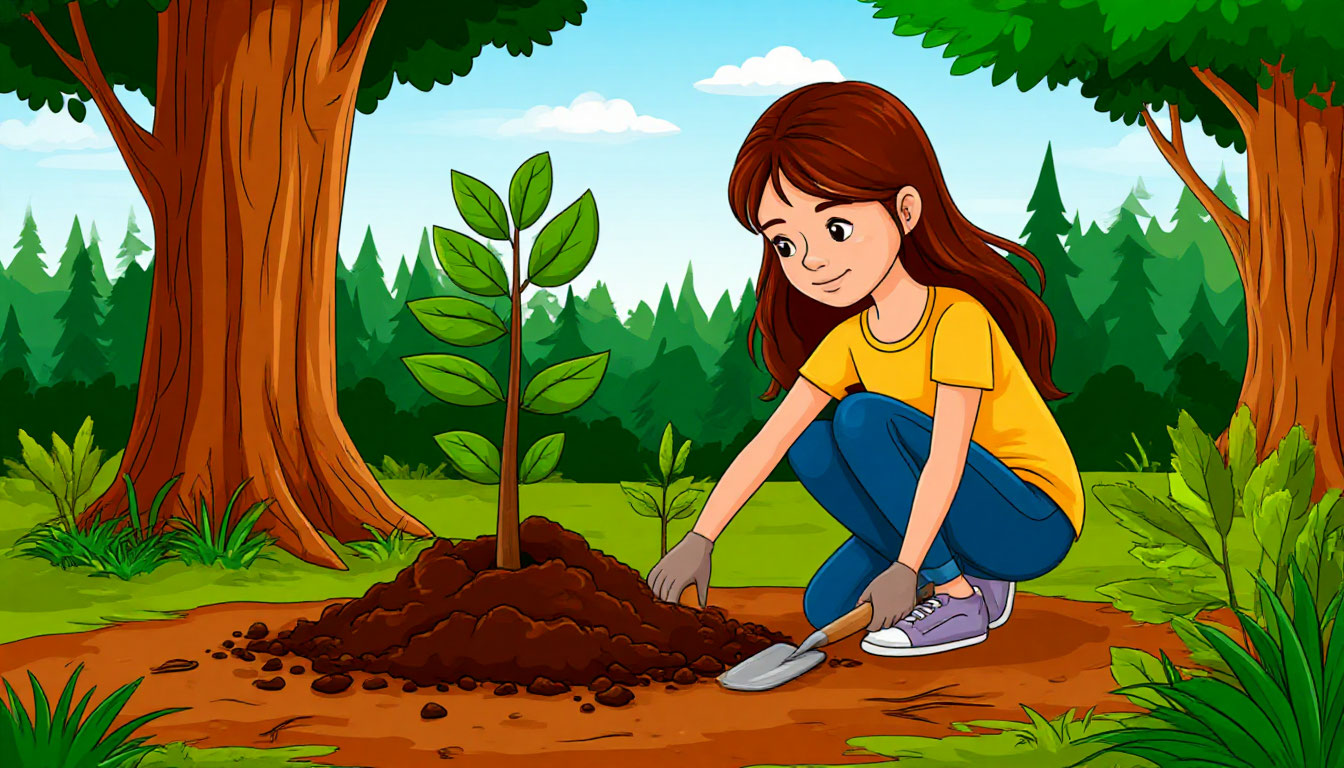
Forests are vanishing at an alarming rate, with millions of hectares lost each year. But this trend is not inevitable.
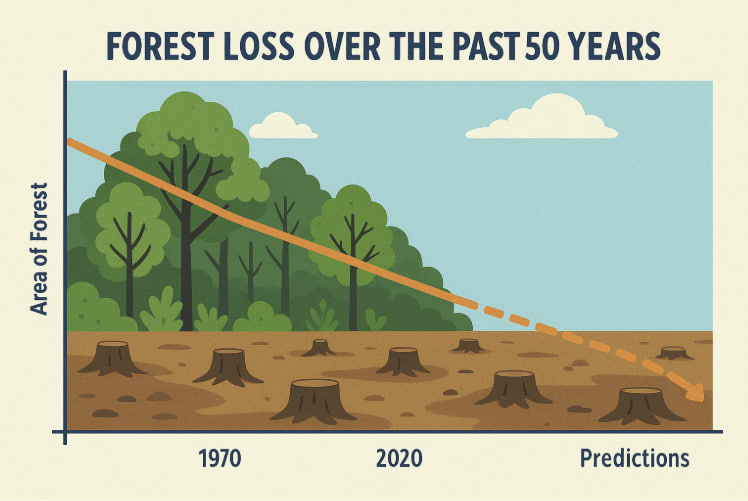
Forests are essential to life on Earth, covering about 30% of the planet's land surface.