
Avalanches: What They Are, How They Form, and How to Stay Safe
An avalanche is a sudden, rapid flow of snow down a mountain slope, often triggered naturally or by human activity.
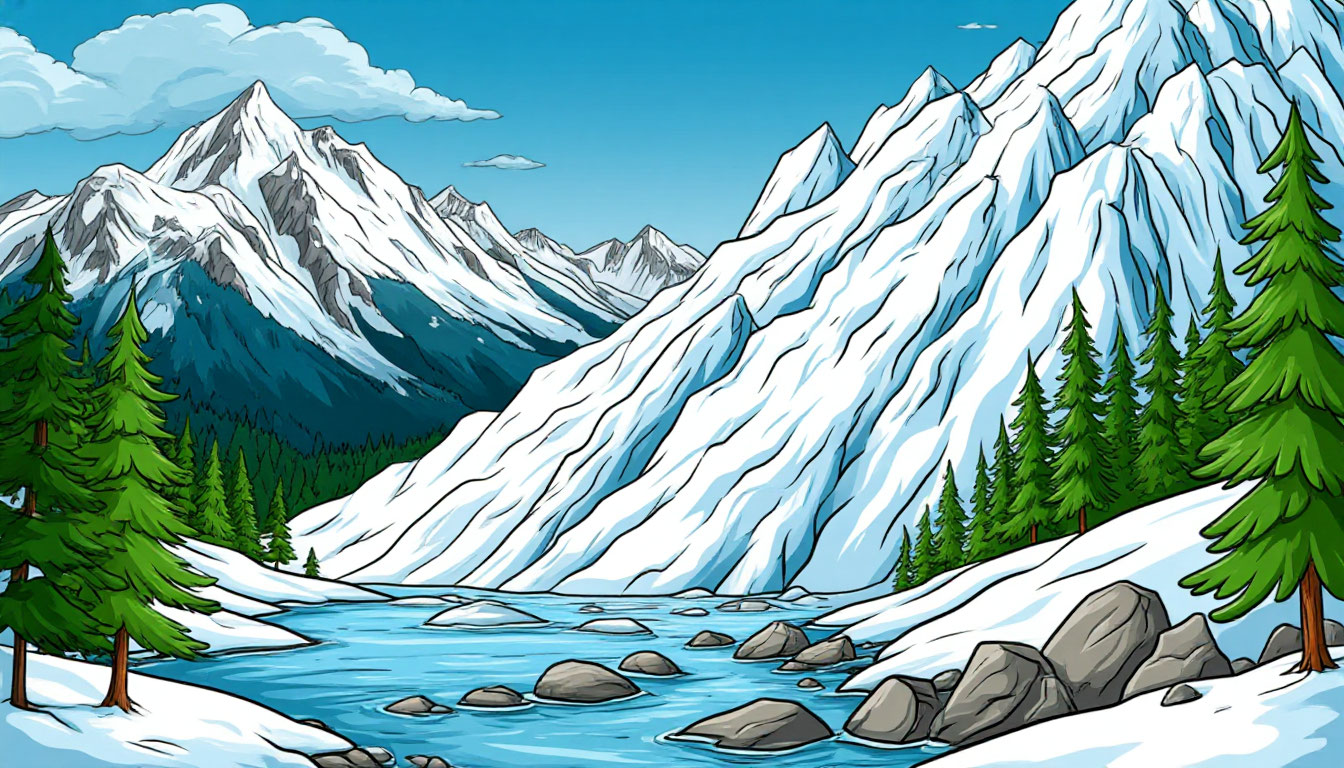
An avalanche is a sudden, rapid flow of snow down a mountain slope, often triggered naturally or by human activity.
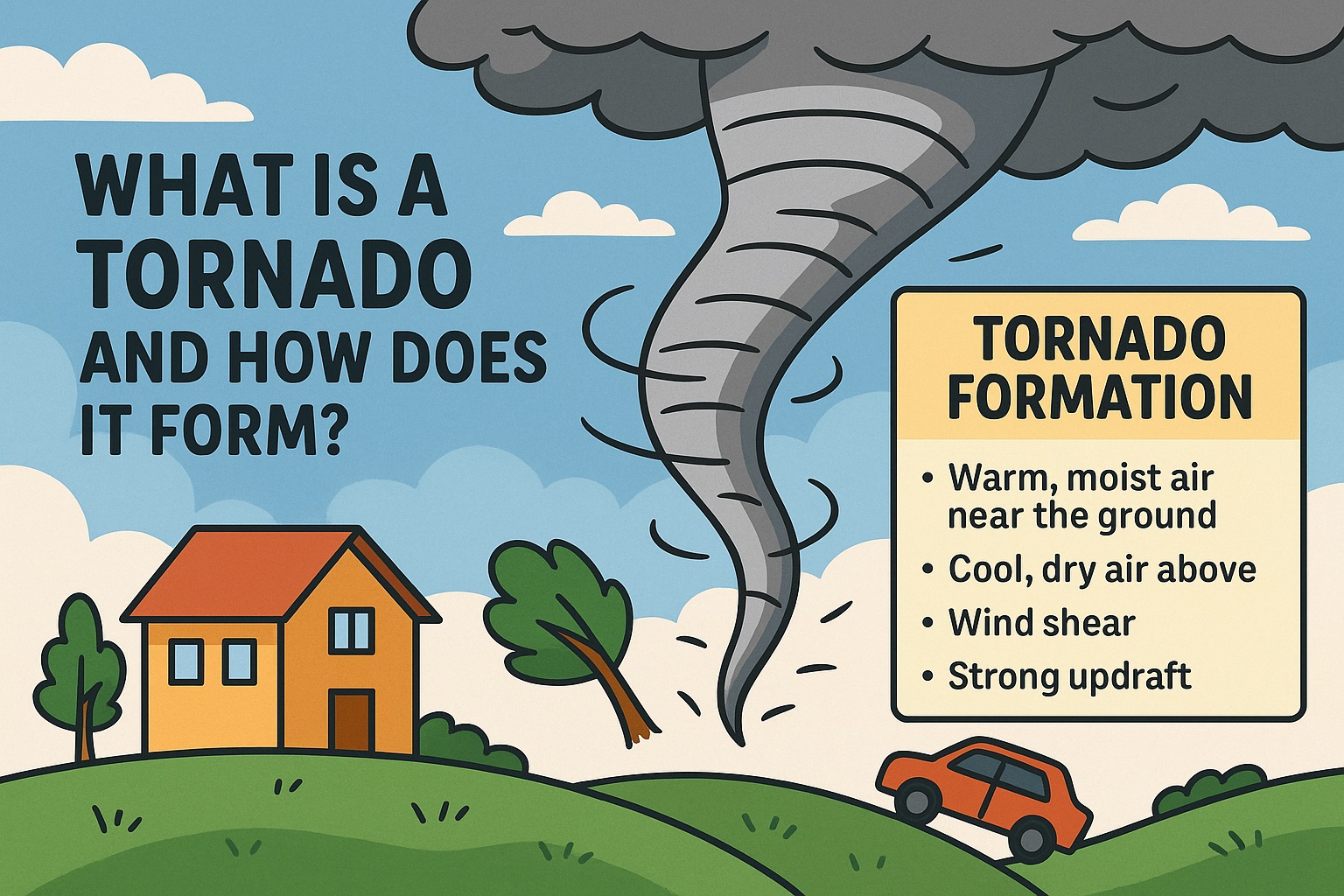
A tornado is a violently rotating column of air that extends from the base of a thunderstorm to the ground.
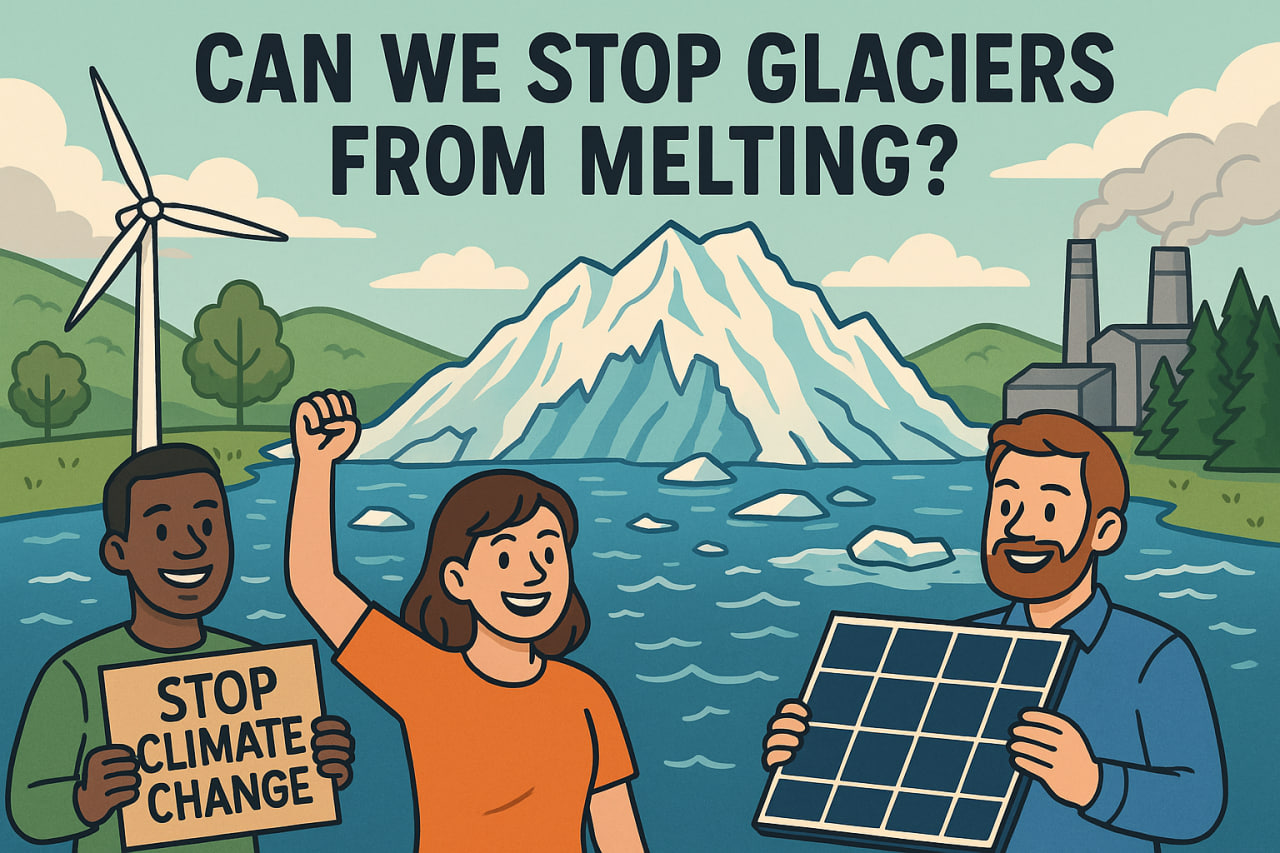
Glaciers are retreating across the globe at a speed not seen in recorded history. These ancient rivers of ice are critical for maintaining freshwater supplies, regulating climate, and...
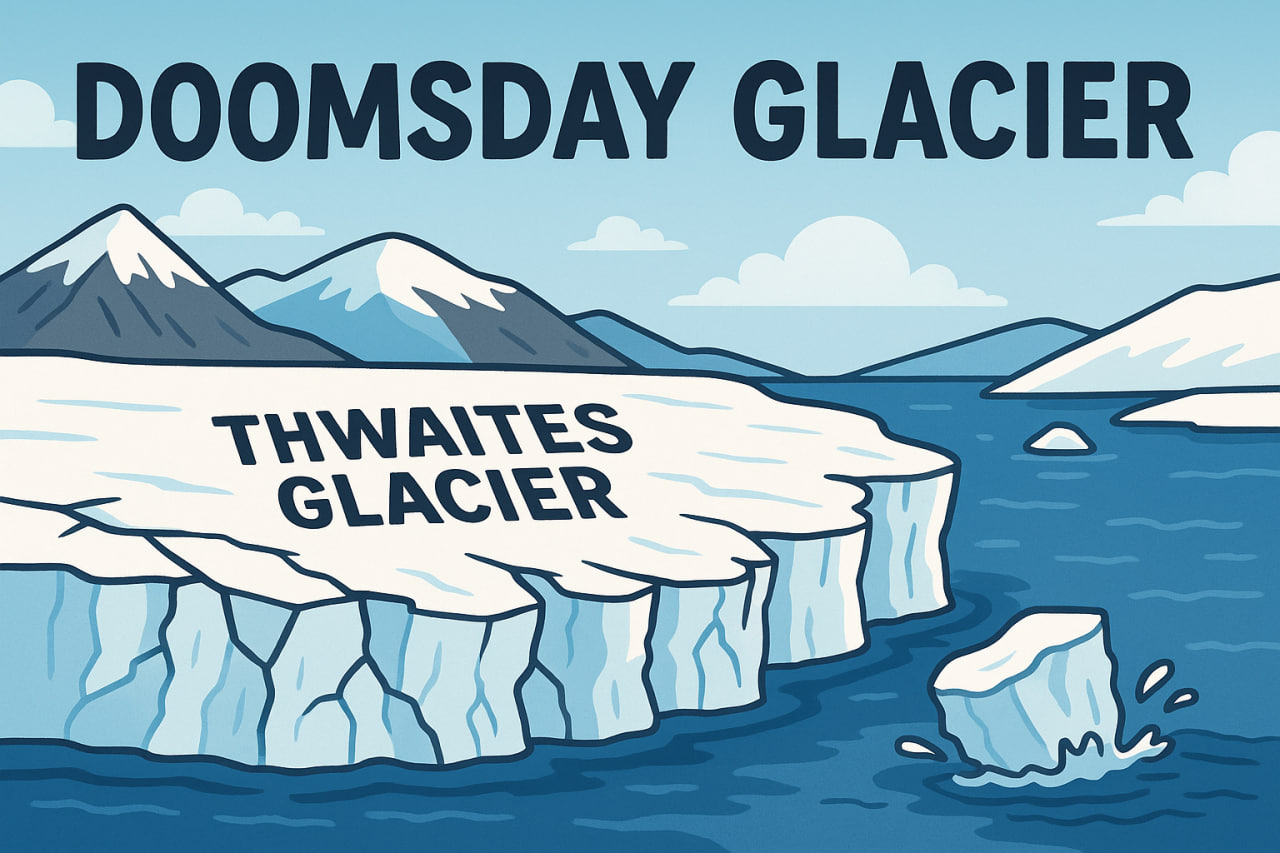
Nicknamed the "Doomsday Glacier," Thwaites Glacier in West Antarctica has captured global attention due to its potential to raise sea levels dramatically if it collapses.
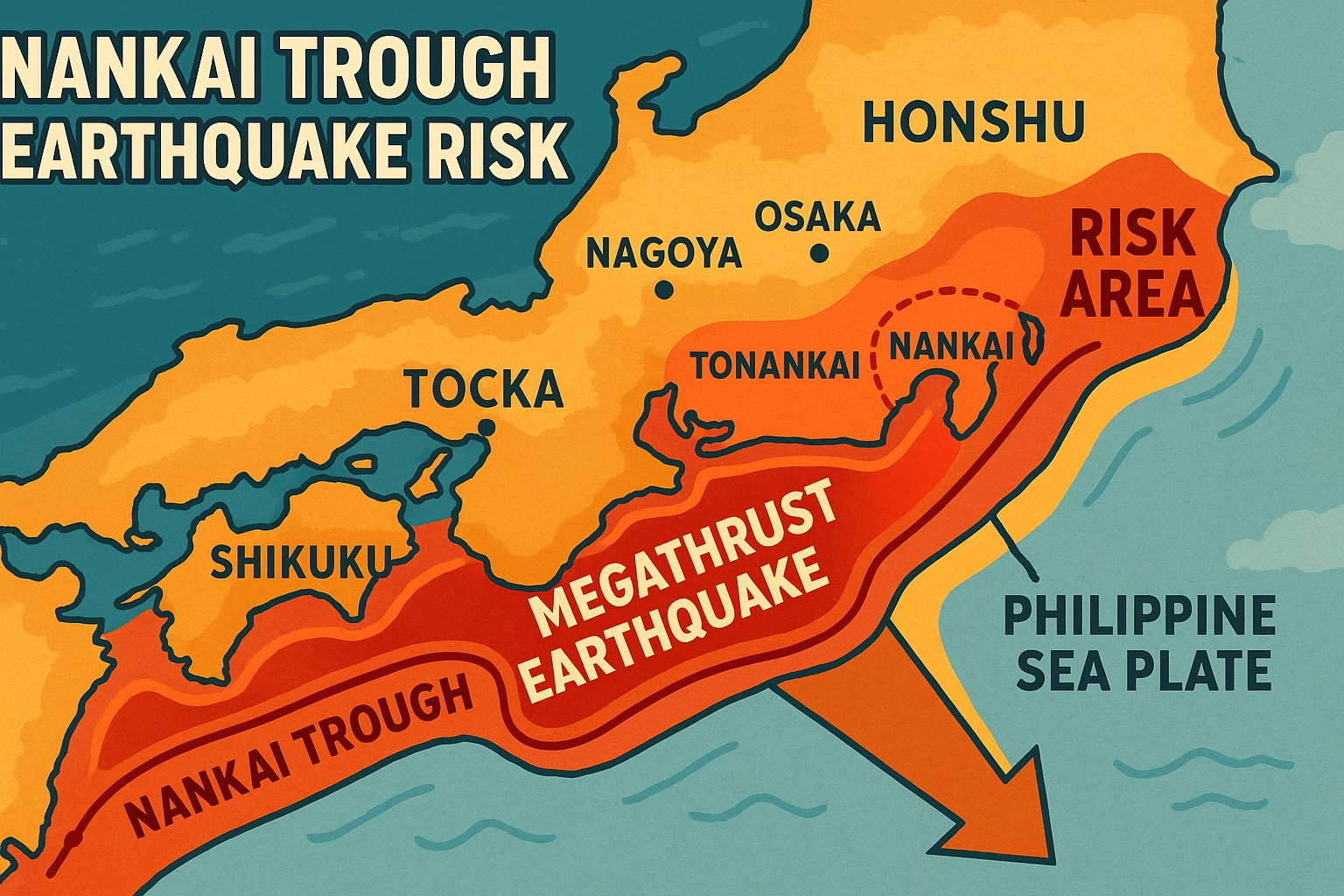
Russian geophysicist Alexey A. Lyubushin has developed a novel method to evaluate long-term seismic hazards using multifractal analysis of continuous low-frequency microseismic noise.
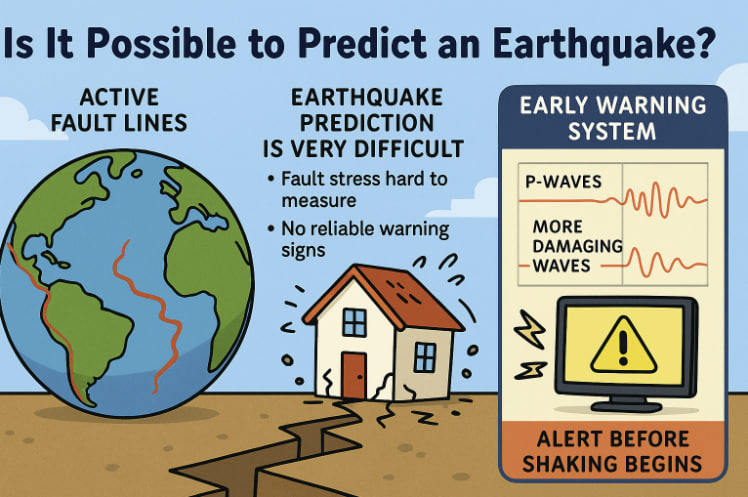
Despite decades of scientific research, earthquakes remain largely unpredictable in terms of their exact time, location, and magnitude.
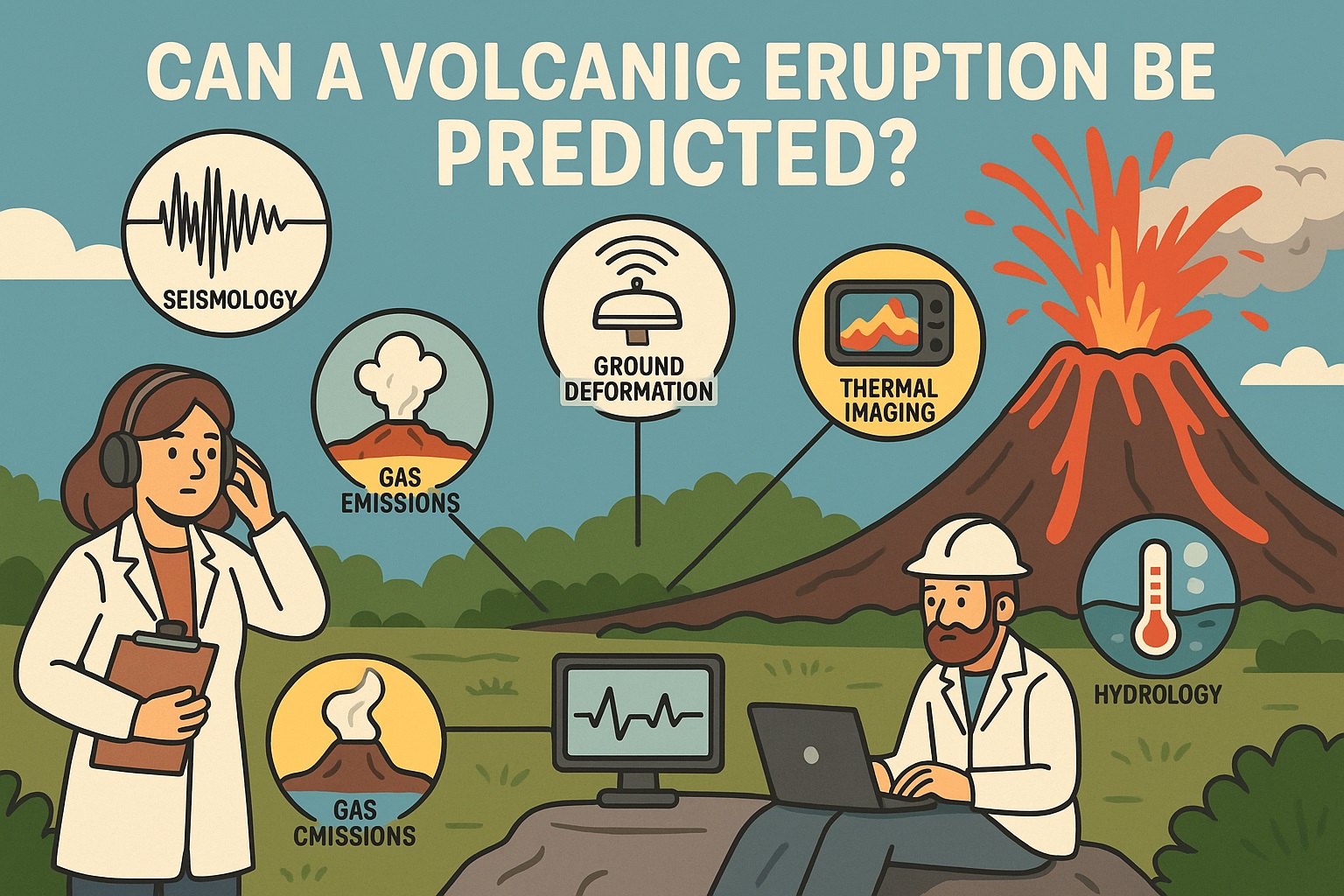
Volcanoes are some of the most powerful forces on Earth, capable of shaping landscapes, affecting global climate, and endangering lives.
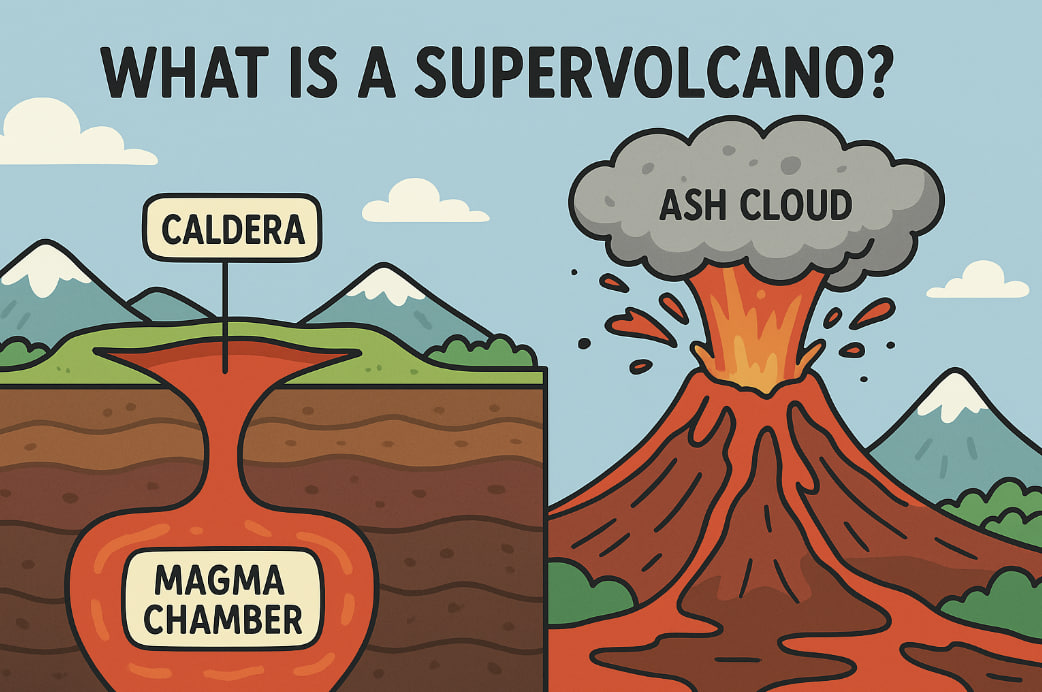
Supervolcanoes are massive volcanic systems capable of producing catastrophic eruptions far more powerful than any recorded in human history.
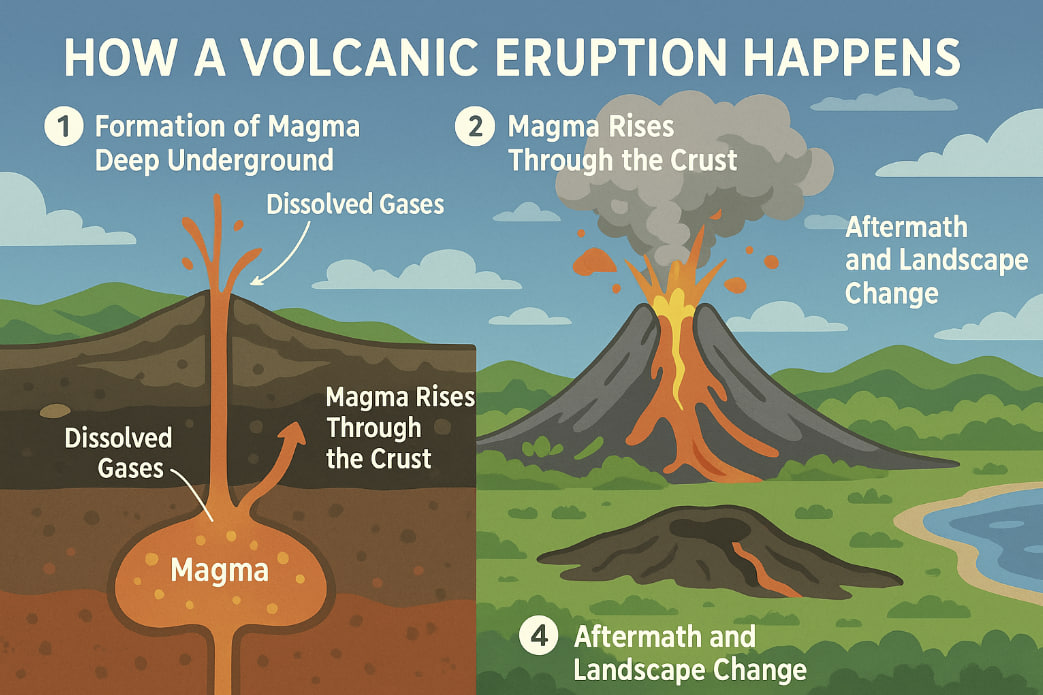
A volcanic eruption is one of nature’s most powerful and dramatic geological events. It begins deep within the Earth and ends with the violent release of lava, ash, gas, and rock at the surface.

Dolphins are among the most beloved and intelligent marine animals on Earth. These highly social, agile, and curious creatures belong to the cetacean family, which also includes whales and...