
The Web of Life
Nature operates as a complex, interdependent system where all living and non-living components are intricately connected.
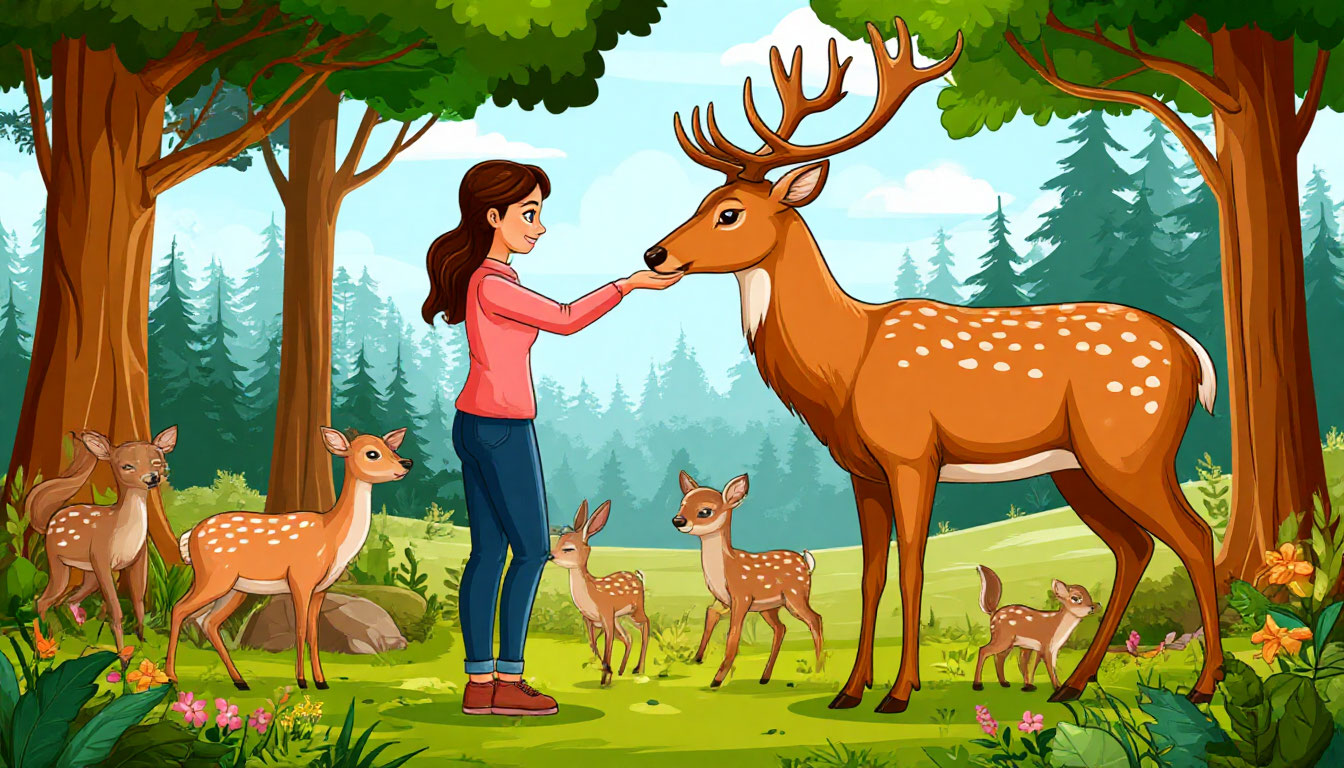
Nature operates as a complex, interdependent system where all living and non-living components are intricately connected.
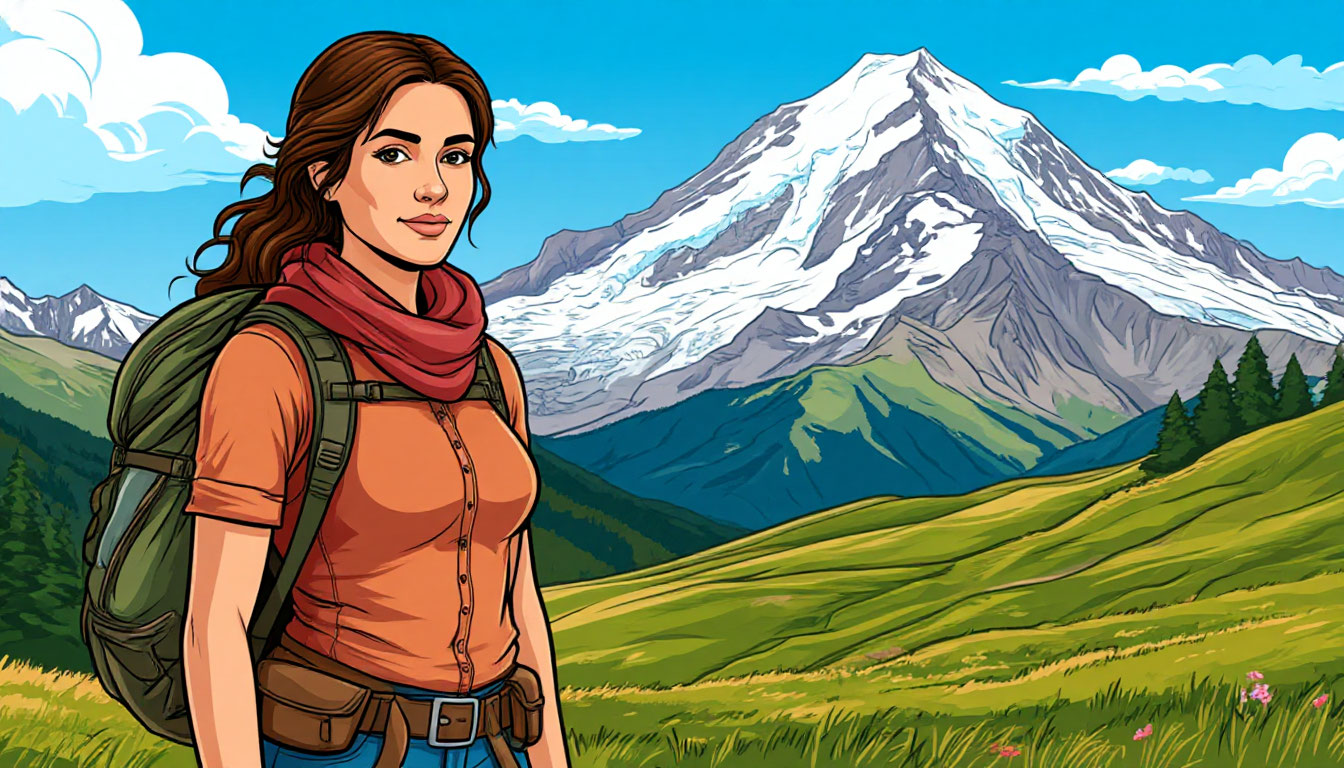
Mount Elbrus is a dormant stratovolcano located in the western Caucasus Mountains of southern Russia, near the border with Georgia.
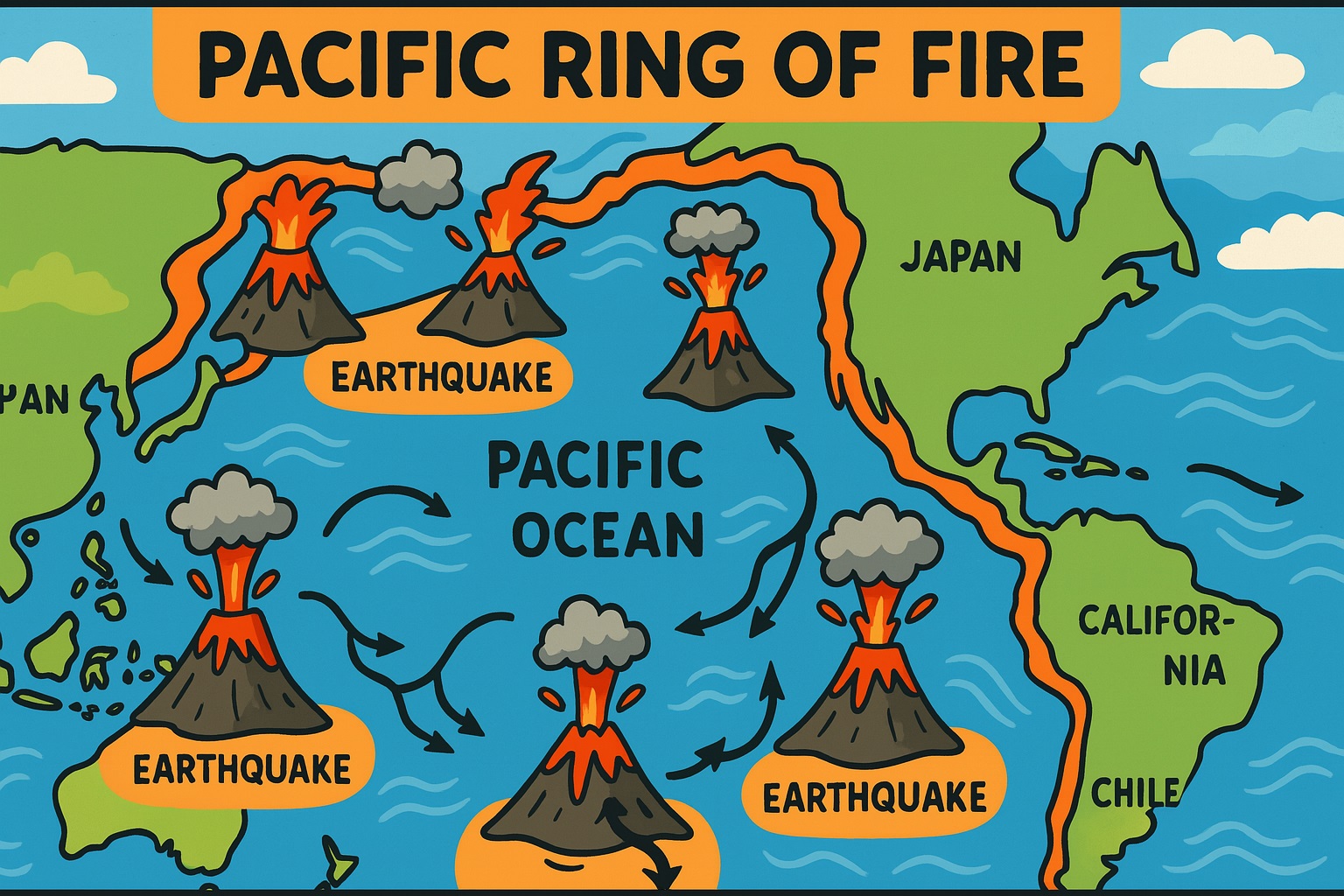
The Pacific Ring of Fire is a horseshoe-shaped belt of intense seismic and volcanic activity that surrounds the Pacific Ocean basin.
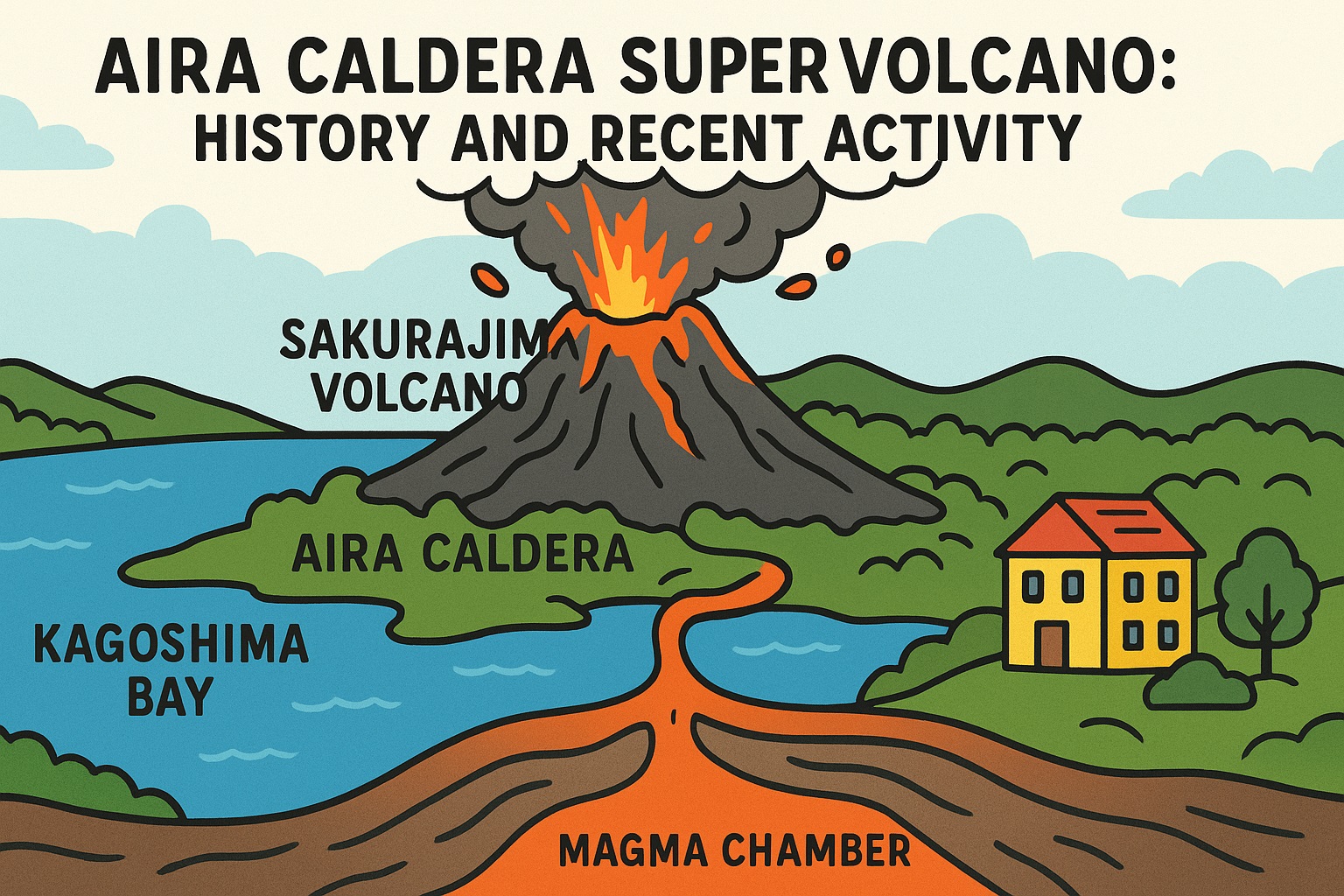
Located in southern Kyushu, Japan, the Aira Caldera is one of the most active and geologically significant volcanic systems in the world.
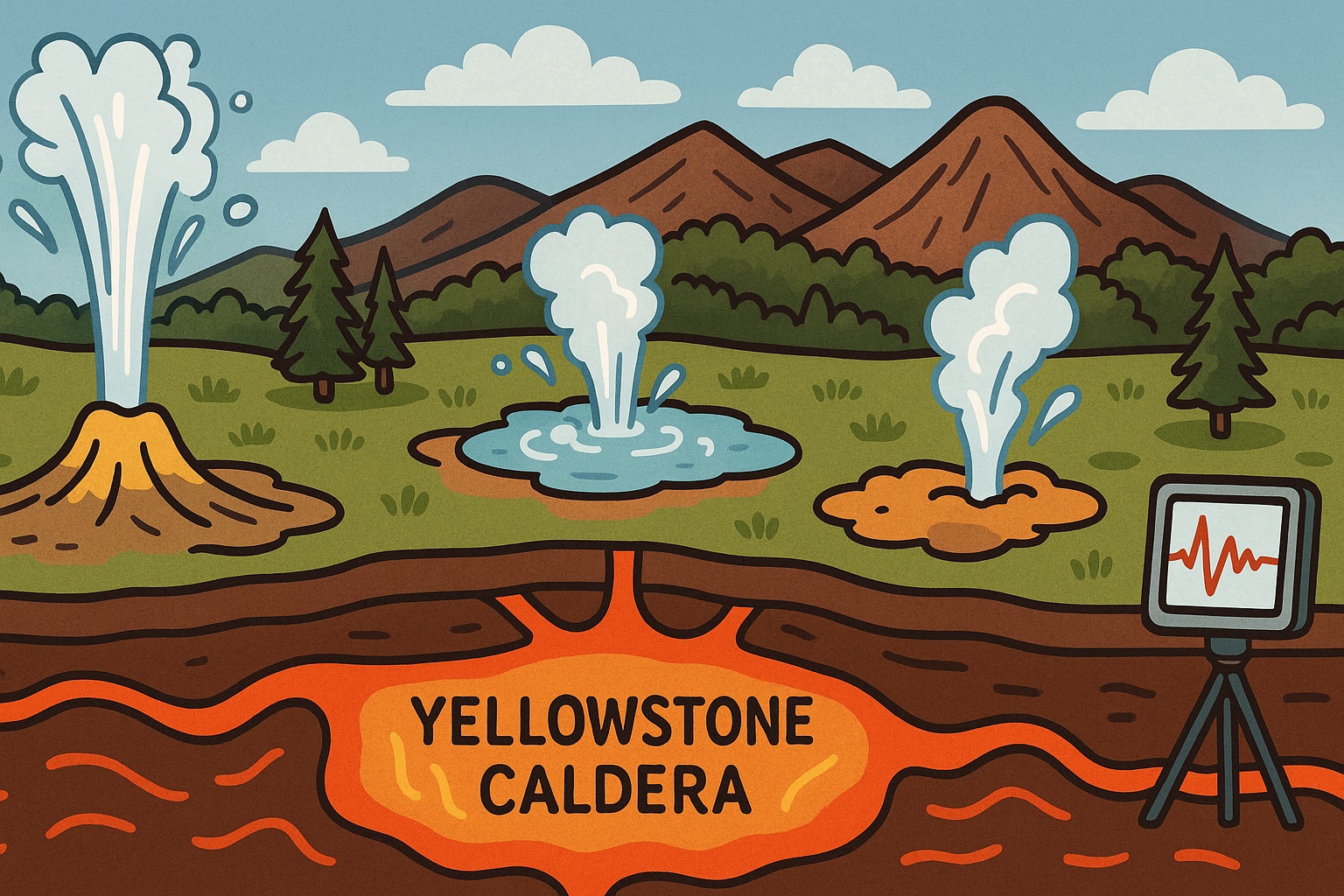
Beneath the picturesque landscapes of Yellowstone National Park, located in the U.S. states of Wyoming, Montana, and Idaho, lies one of the largest and most powerful volcanic systems on...
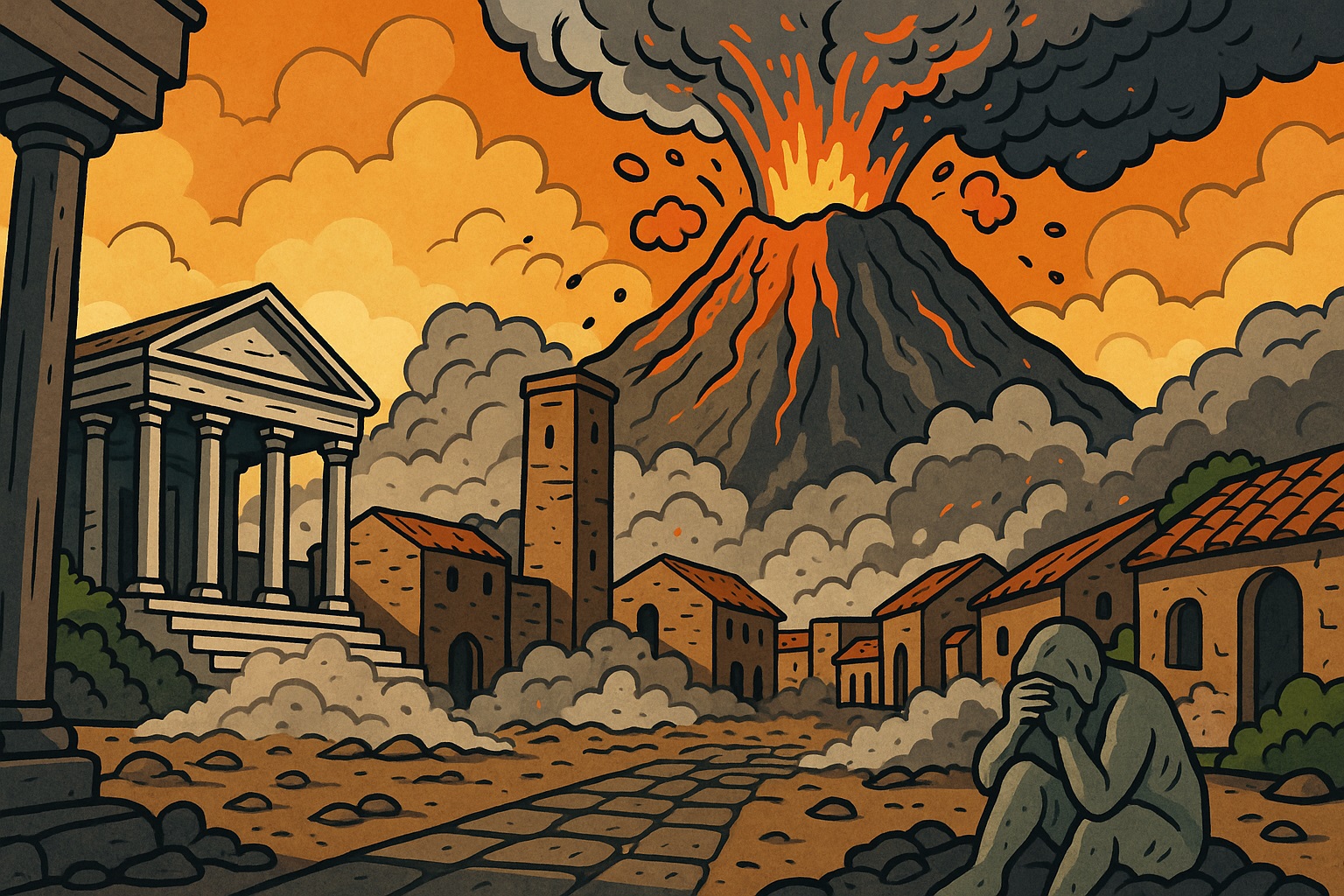
Pompeii was a prosperous Roman city located near the Bay of Naples, in southern Italy.
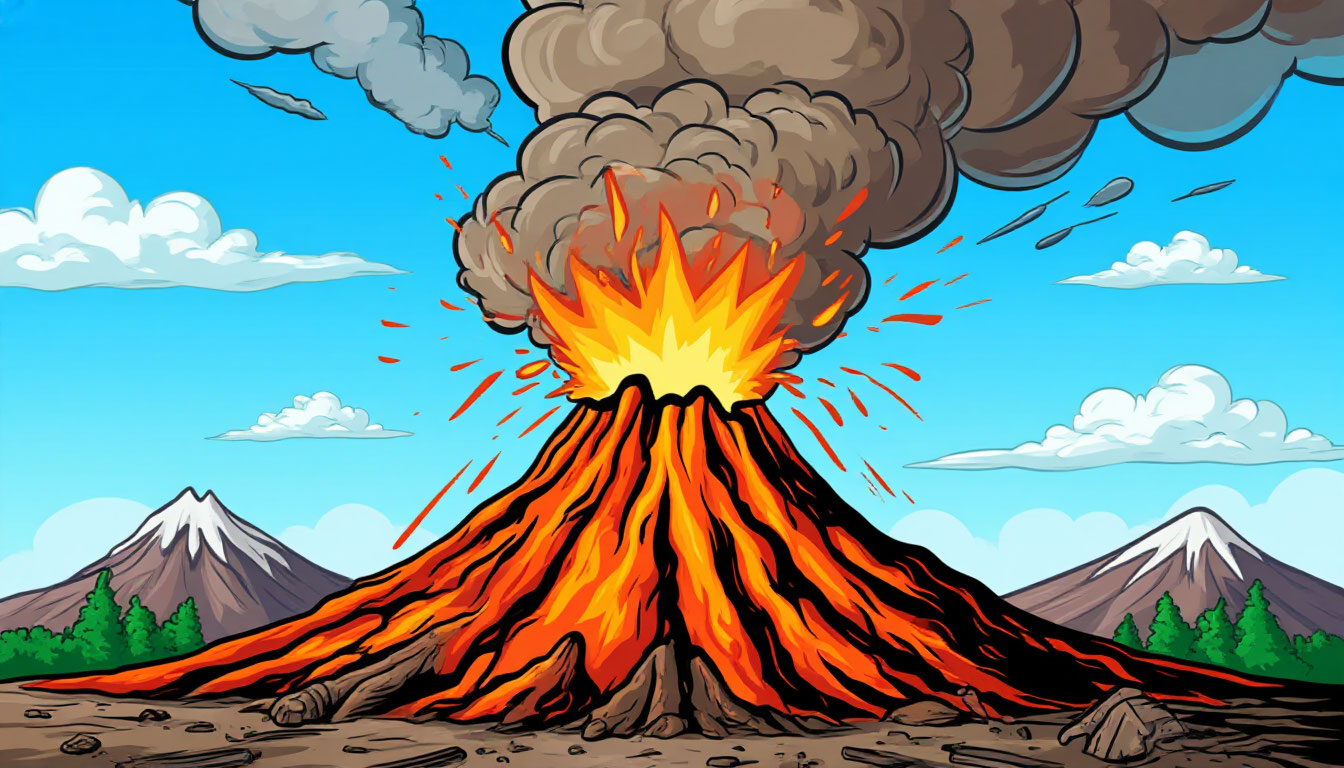
Volcanic eruptions are among the most dramatic natural events on Earth, capable of reshaping landscapes, affecting global climate, and endangering lives. However, not all eruptions are the same.
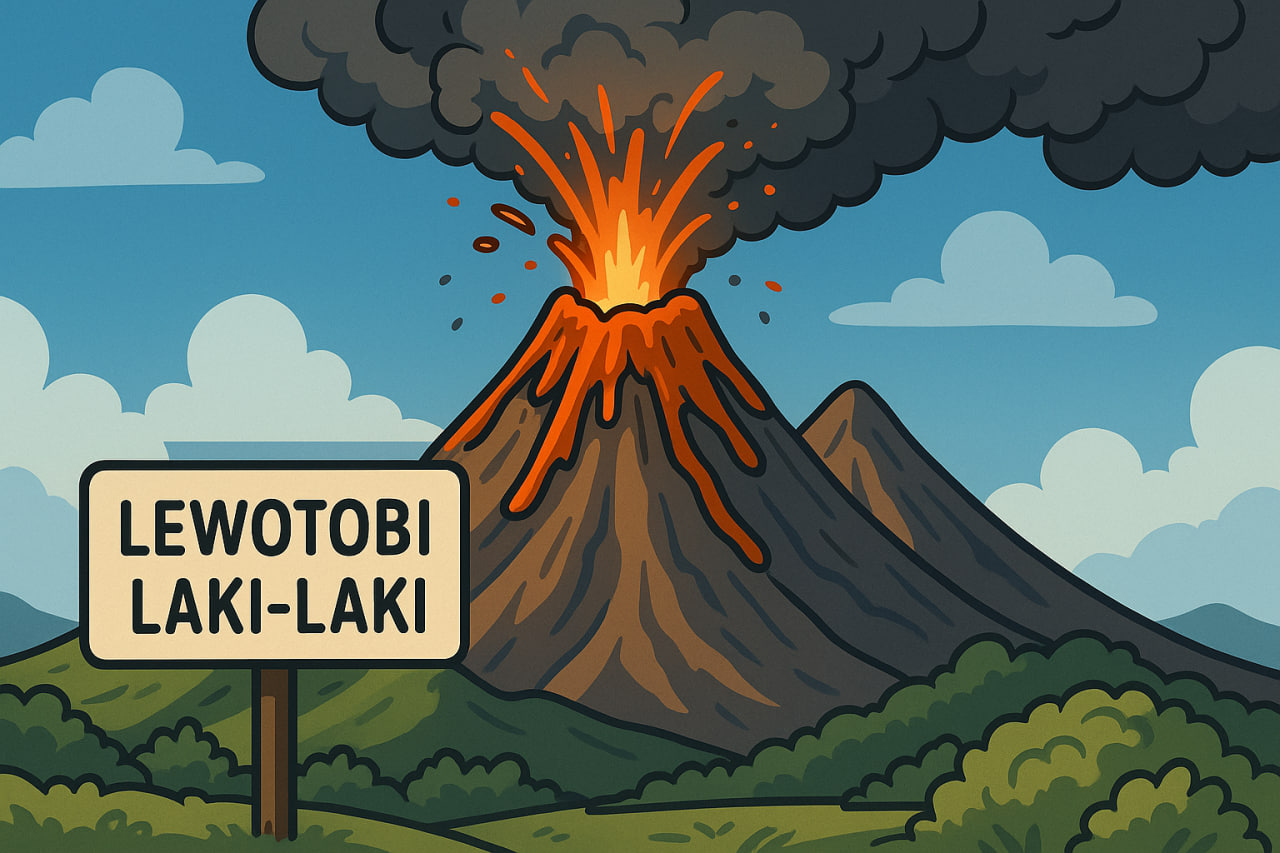
Lewotobi Laki-Laki, part of the Lewotobi volcanic complex in East Flores, Indonesia, is one of the most striking twin volcanoes in Southeast Asia.
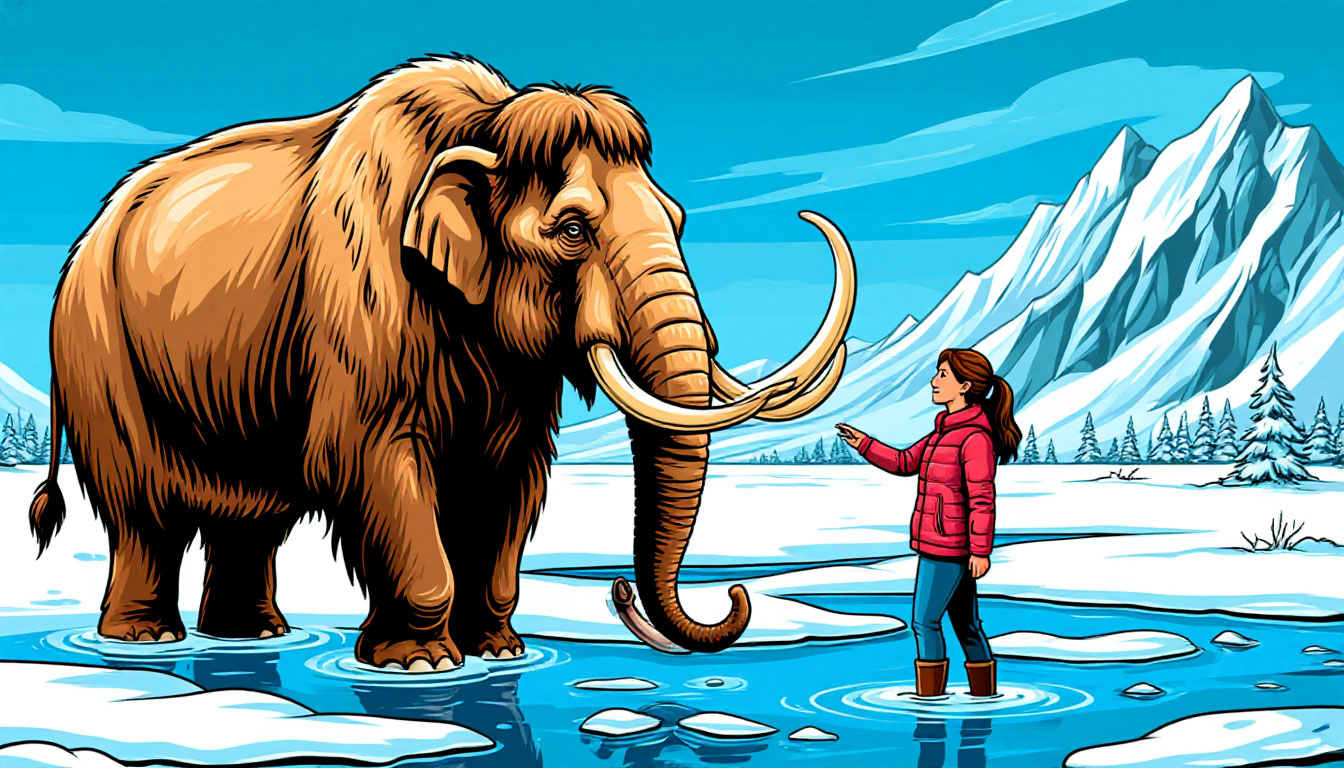
An ice age, or glacial period, is a long-lasting climate event during which global temperatures drop significantly, causing large portions of the Earth to be covered by ice sheets and glaciers.

Mountains are some of the most awe-inspiring features on Earth — towering landforms that shape climate, influence ecosystems, and often serve as natural borders.