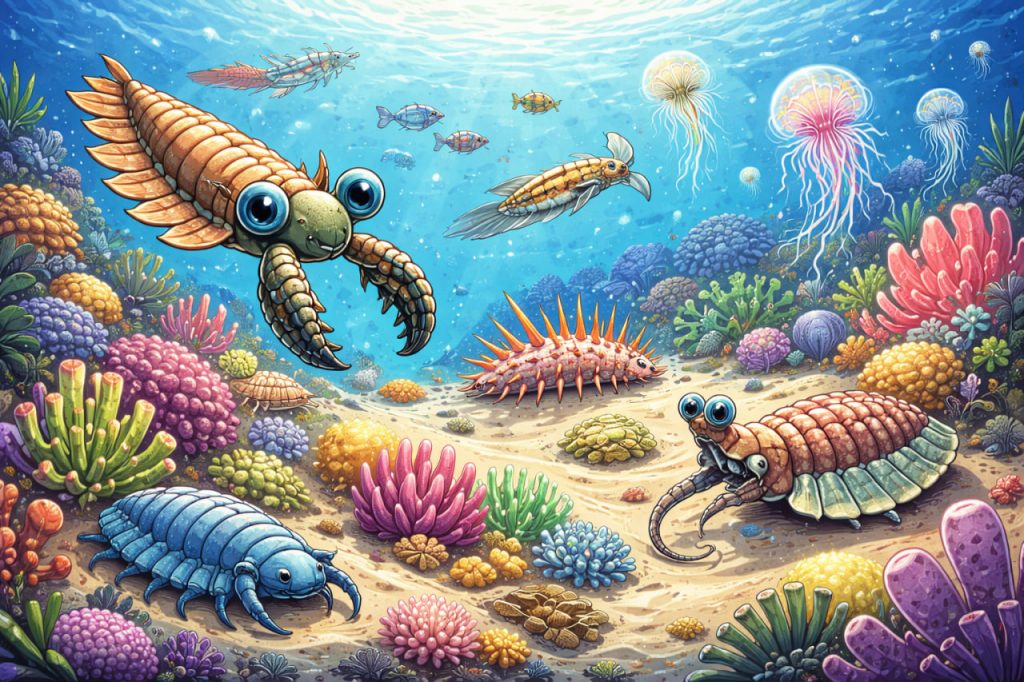
The Cambrian Explosion is one of the most significant and mysterious events in the history of life on Earth. Around 541 million years ago, the planet experienced a relatively short…
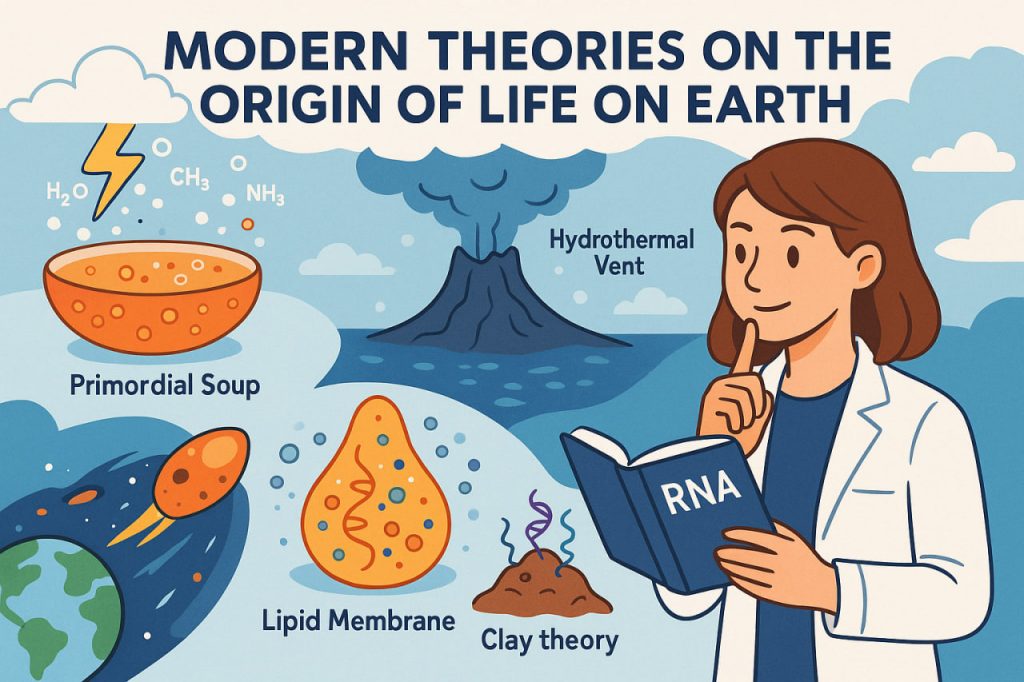
The origin of life on Earth remains one of the most profound and fascinating scientific questions of all time. While no single explanation has been universally confirmed, modern research offers…
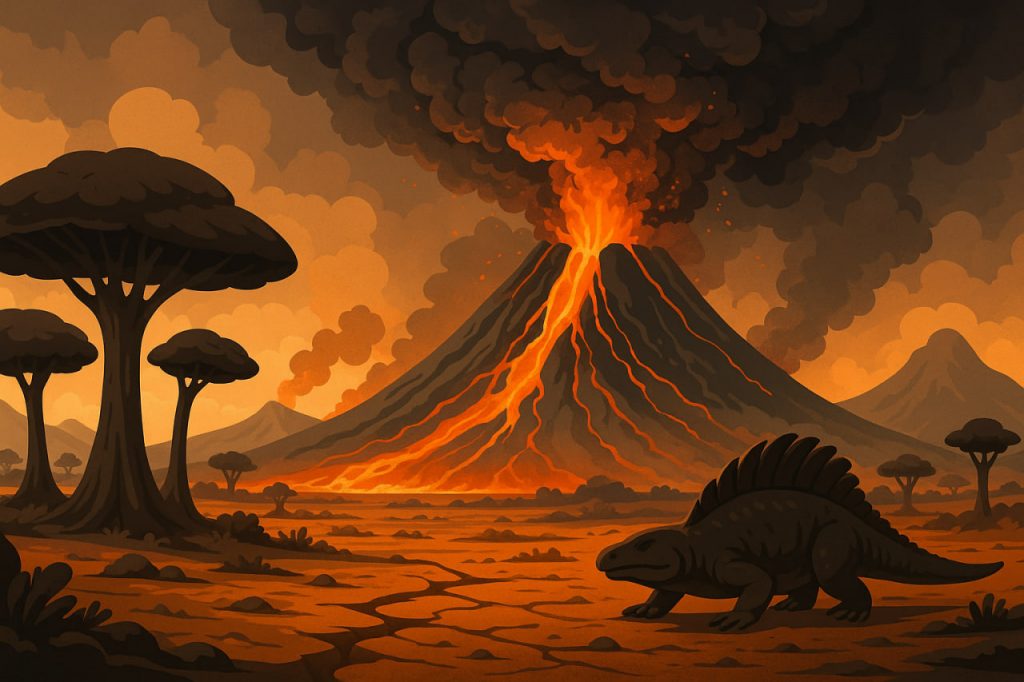
The Permian anomaly refers to a dramatic and still not fully understood period of geological and biological upheaval that occurred near the end of the Permian period, roughly 252 million…
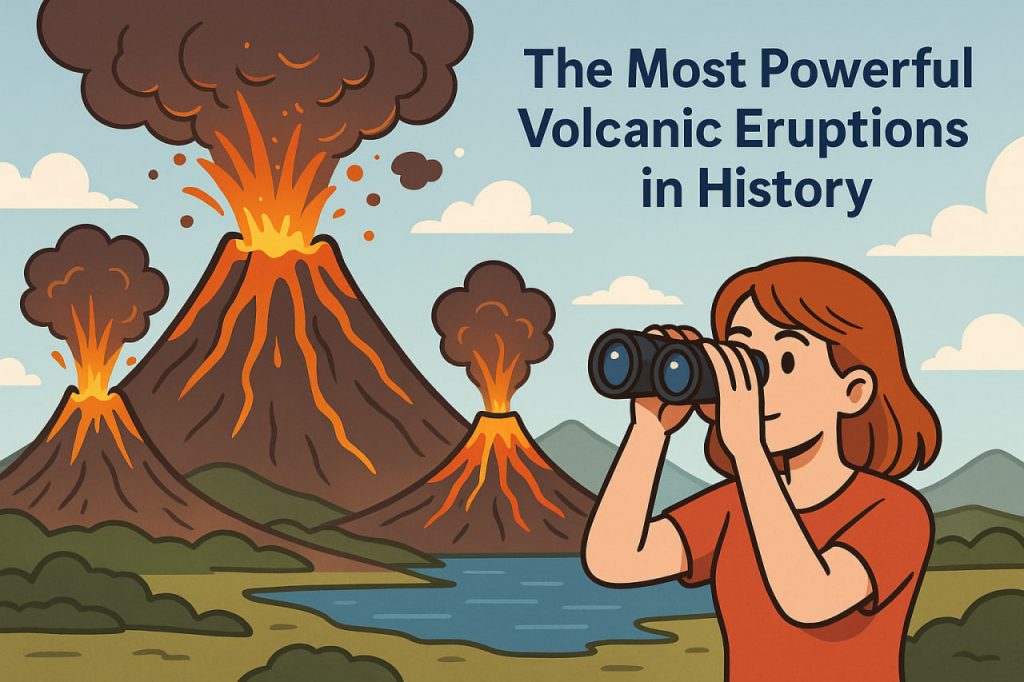
Volcanic eruptions are some of the most dramatic natural events on Earth, capable of reshaping landscapes, altering climate, and changing the course of human history. While volcanic activity occurs frequently…
Tsunamis are among the most devastating natural disasters on Earth, capable of destroying entire coastlines within minutes. These massive ocean waves are usually triggered by underwater earthquakes, volcanic eruptions, landslides,…
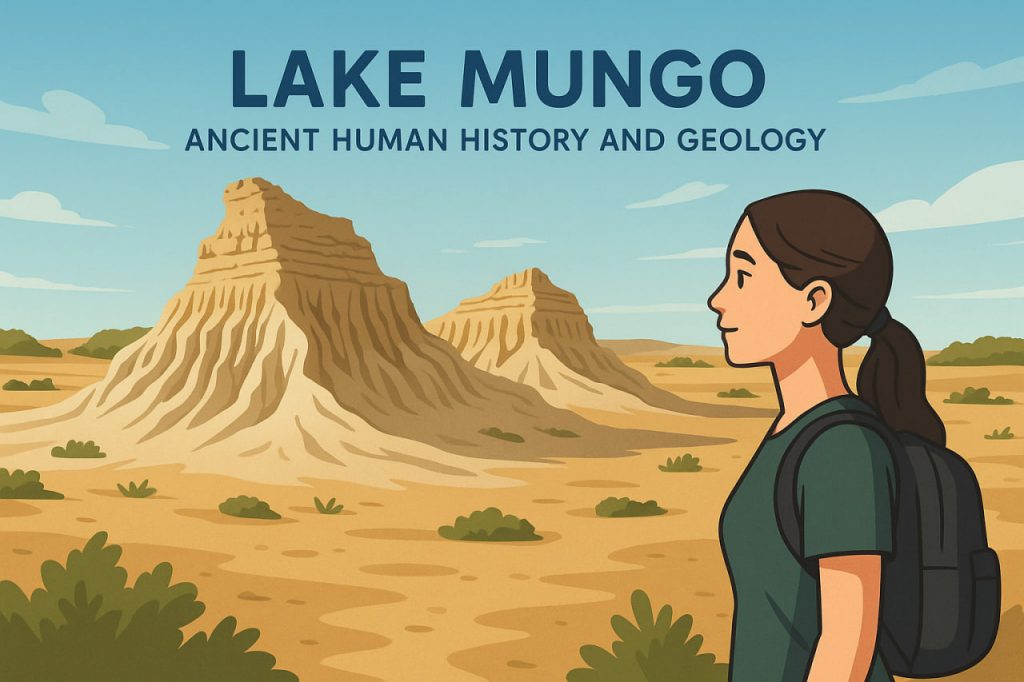
Lake Mungo is one of the most significant archaeological and geological sites in Australia, offering a rare glimpse into the deep past of human civilization. Located in New South Wales…
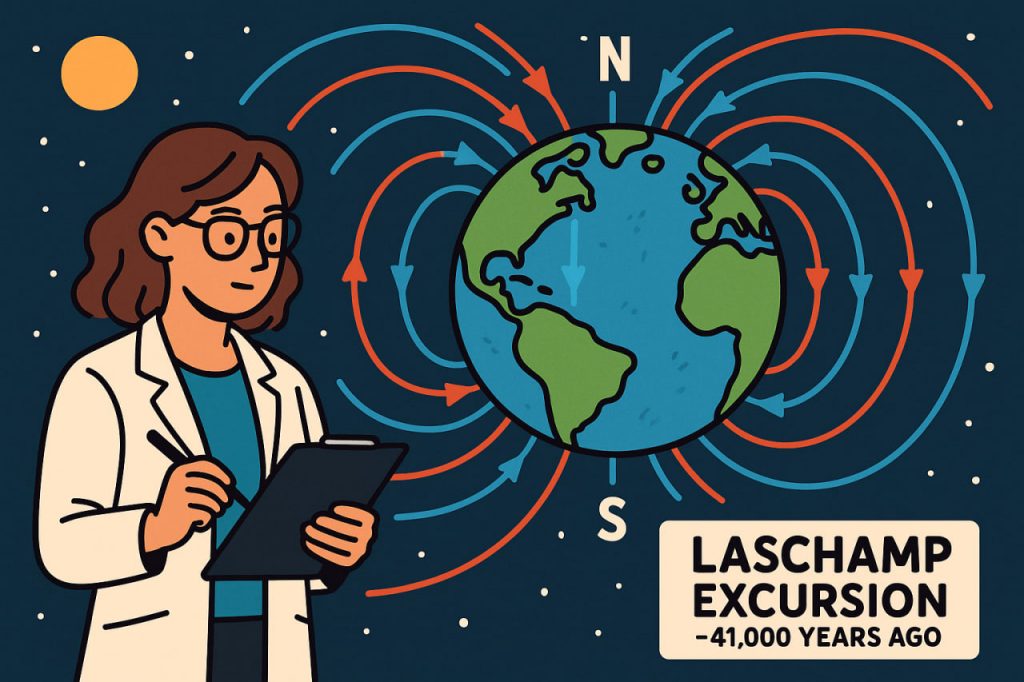
The Laschamp Excursion was a dramatic geomagnetic event that occurred approximately 42,000 years ago, during which Earth’s magnetic field weakened drastically and temporarily reversed its polarity. Named after the village…
Ice cores are cylindrical samples drilled from ice sheets or glaciers, preserving thousands of years of climate history within their layers. Each layer of ice forms as snow accumulates year…
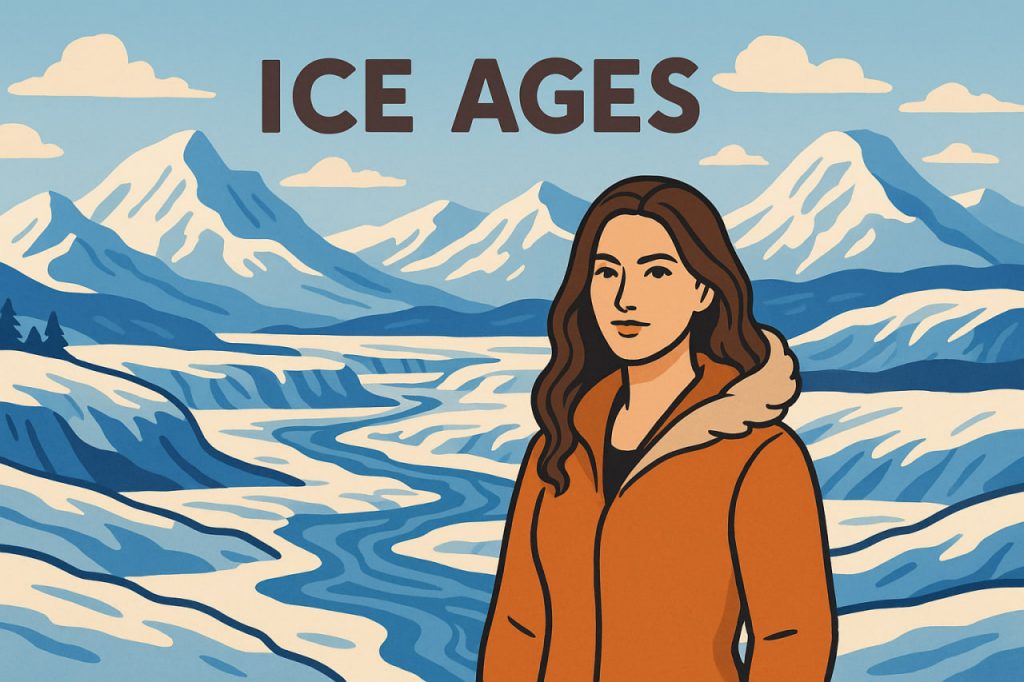
Earth’s ice ages, also known as glacial periods, are long intervals in which global temperatures drop significantly, allowing massive ice sheets to expand across continents. These cold periods repeat in…
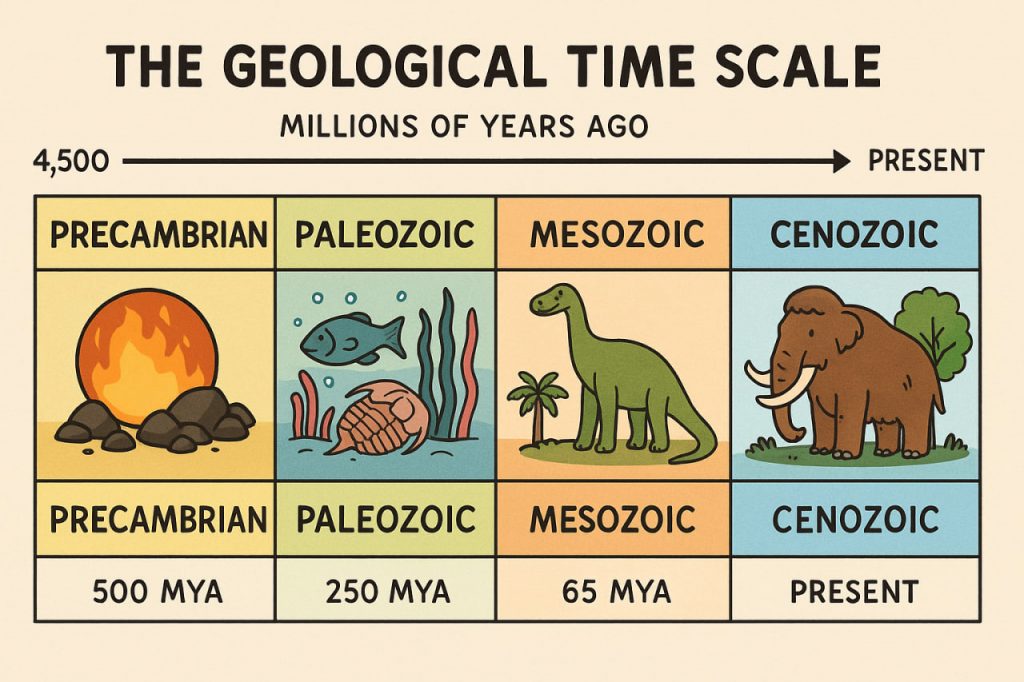
After its formation about 4.54 billion years ago, Earth went through several dramatic geological stages that transformed it from a molten sphere into the vibrant, life-sustaining planet we know today.…