
What Is an Ecological Niche
An ecological niche is a fundamental concept in ecology that describes the role and position of a species within an ecosystem.
This section explores biodiversity preservation, sustainable resource use, and climate-related issues. Learn about environmental threats, green initiatives, legislation, and the path toward a more sustainable future.
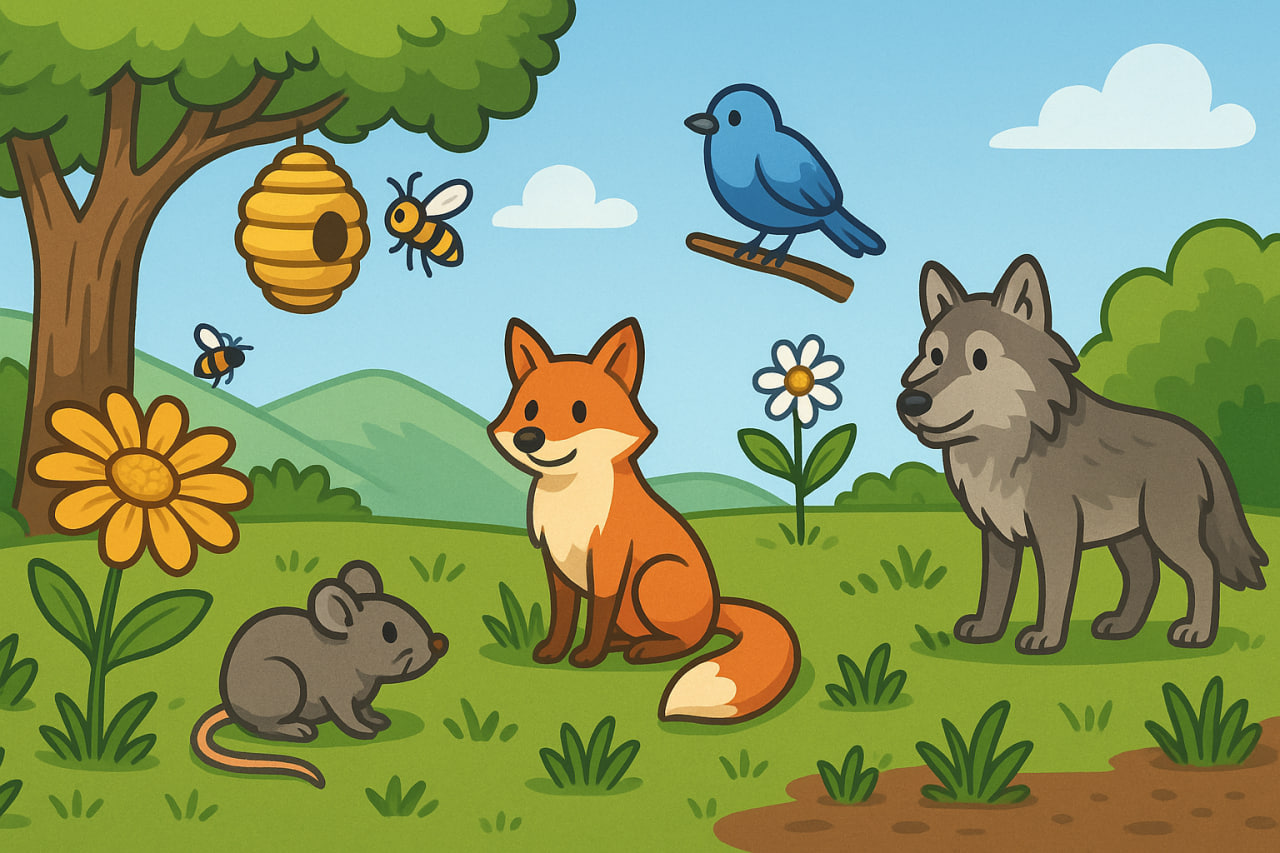
An ecological niche is a fundamental concept in ecology that describes the role and position of a species within an ecosystem.
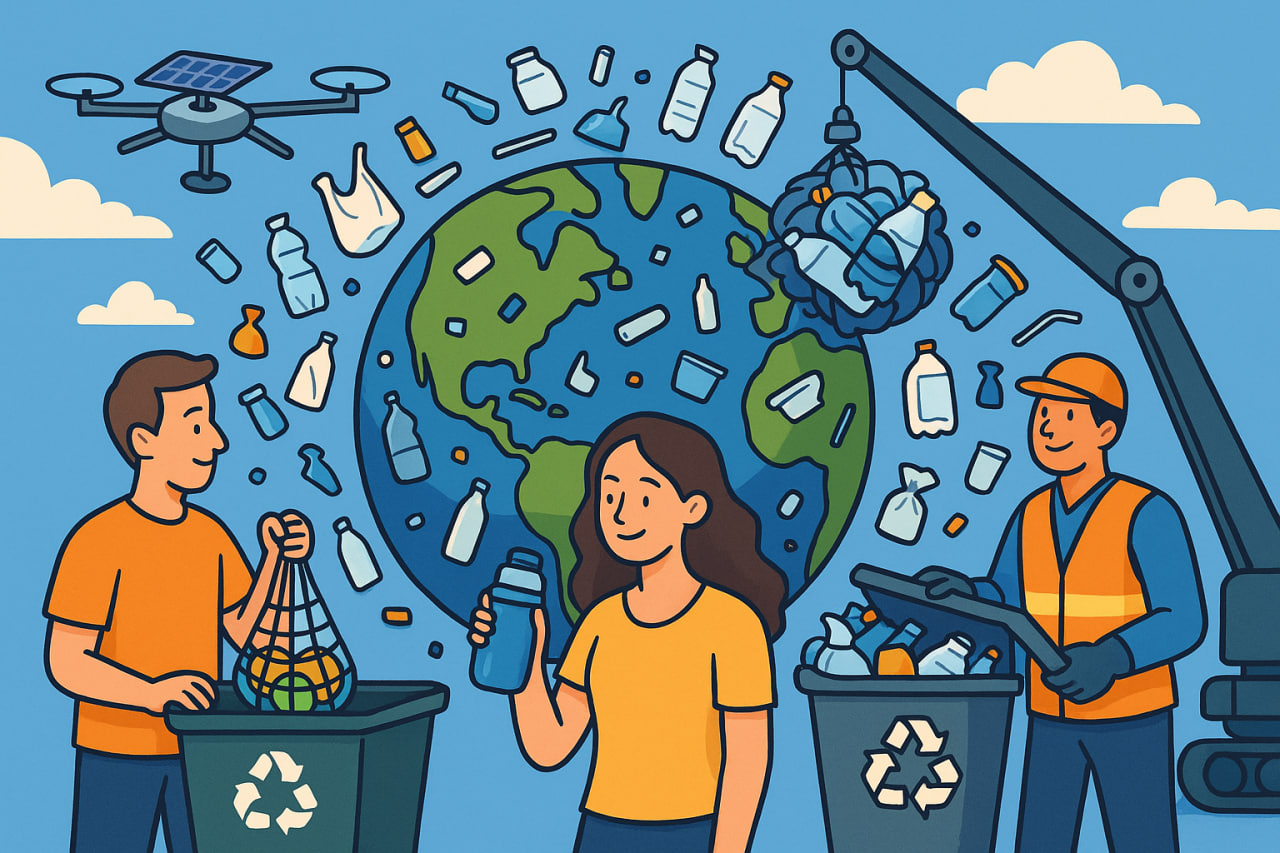
Plastic pollution is one of the most pressing environmental challenges of the 21st century.
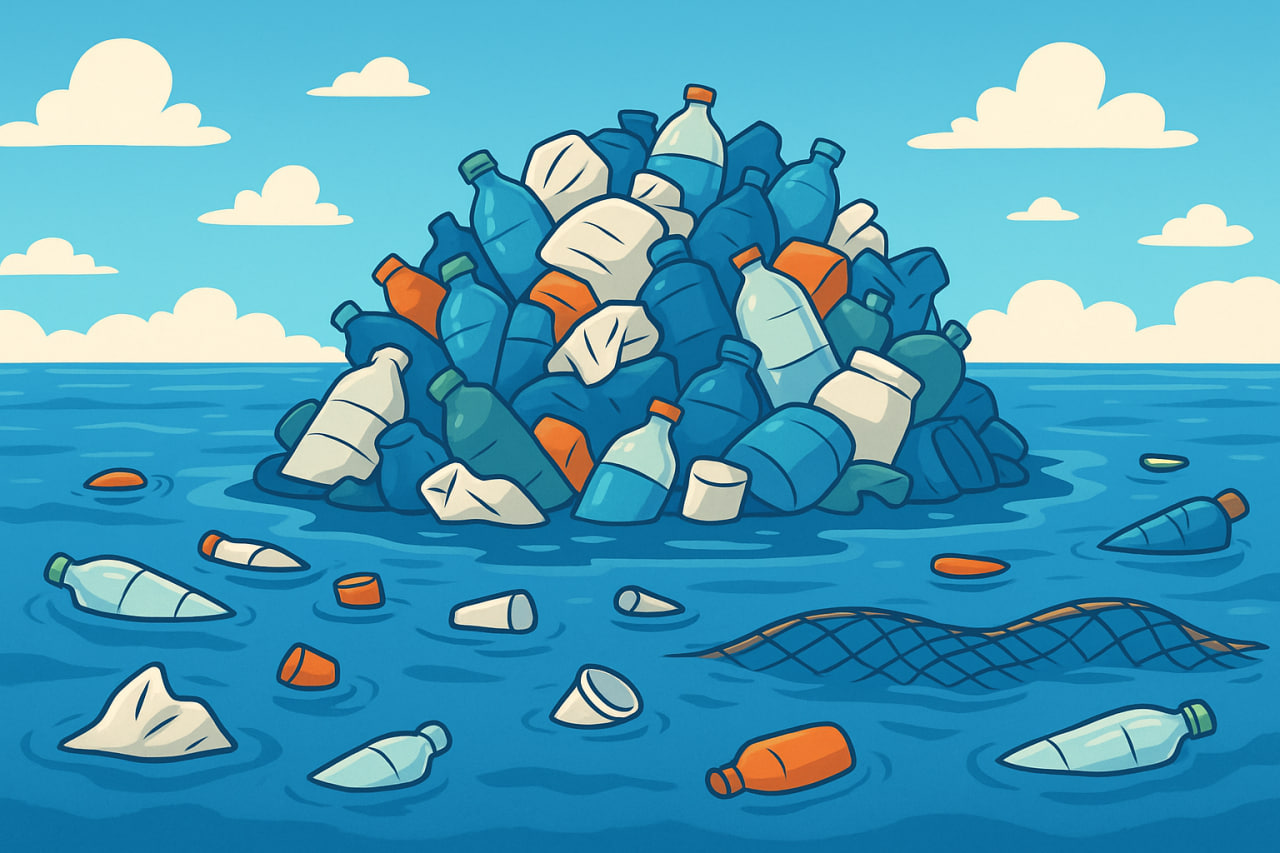
The “continent of trash” in the ocean is a common name for the Great Pacific Garbage Patch, the largest accumulation of marine plastic waste in the world.
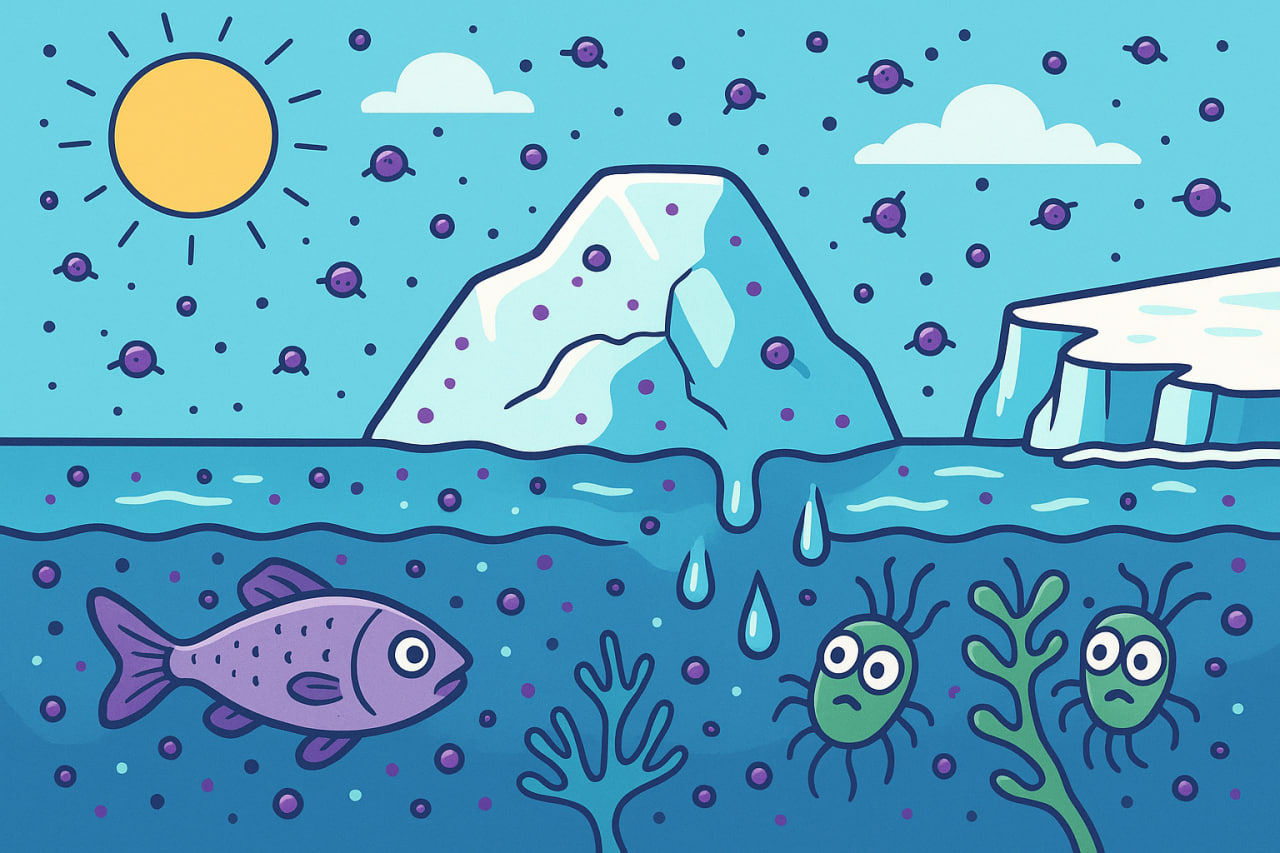
Nanoplastics, particles smaller than 1 micrometer, are increasingly recognized not only as a threat to human health and ecosystems but also as a potential influence on the climate system.
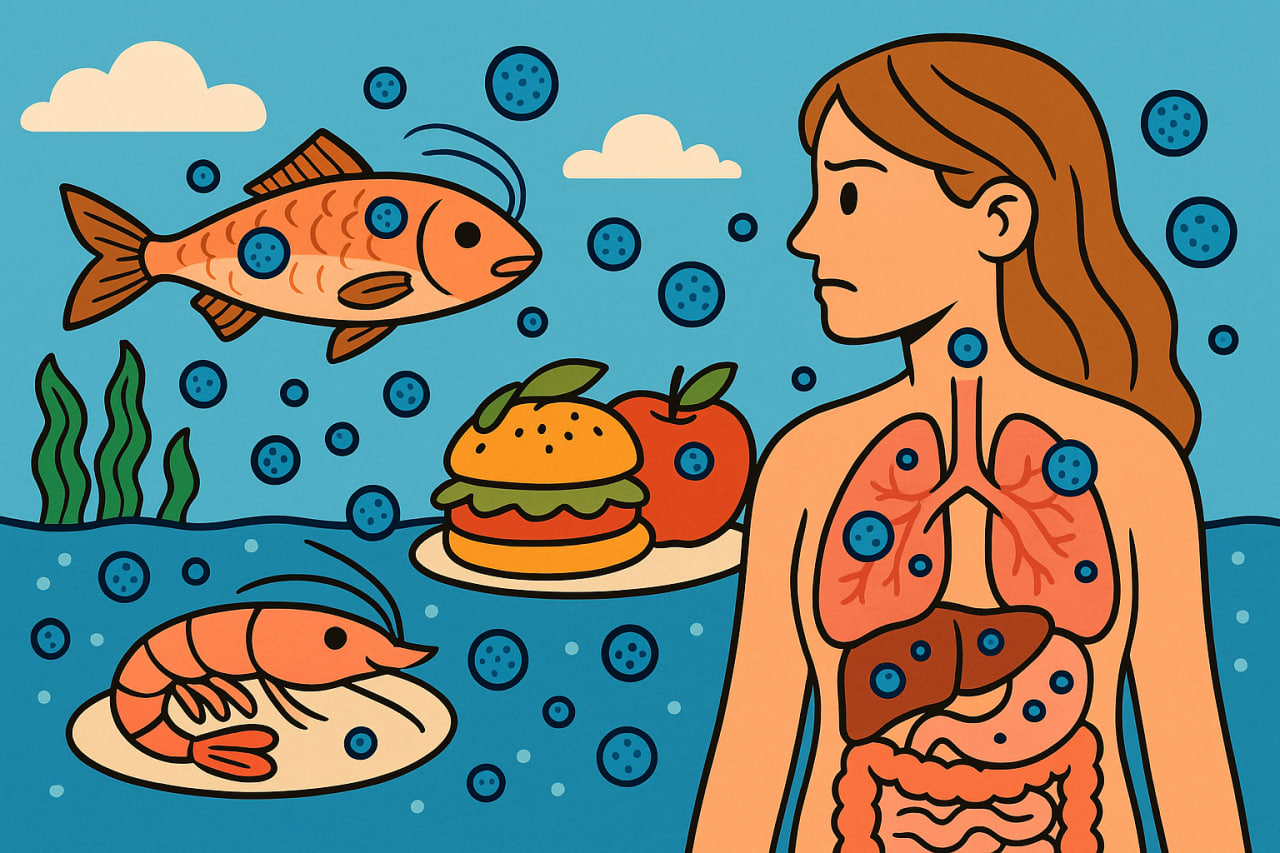
Nanoplastics are tiny plastic particles smaller than 1 micrometer (µm). They form from the breakdown of larger plastics and are now found everywhere—from oceans and soil to the air we...

The relationship between predators and prey is one of the most fundamental interactions in nature. It shapes ecosystems, controls populations, and drives evolution.

Deserts, often seen as barren and lifeless landscapes, can sometimes transform into fields of vibrant flowers.
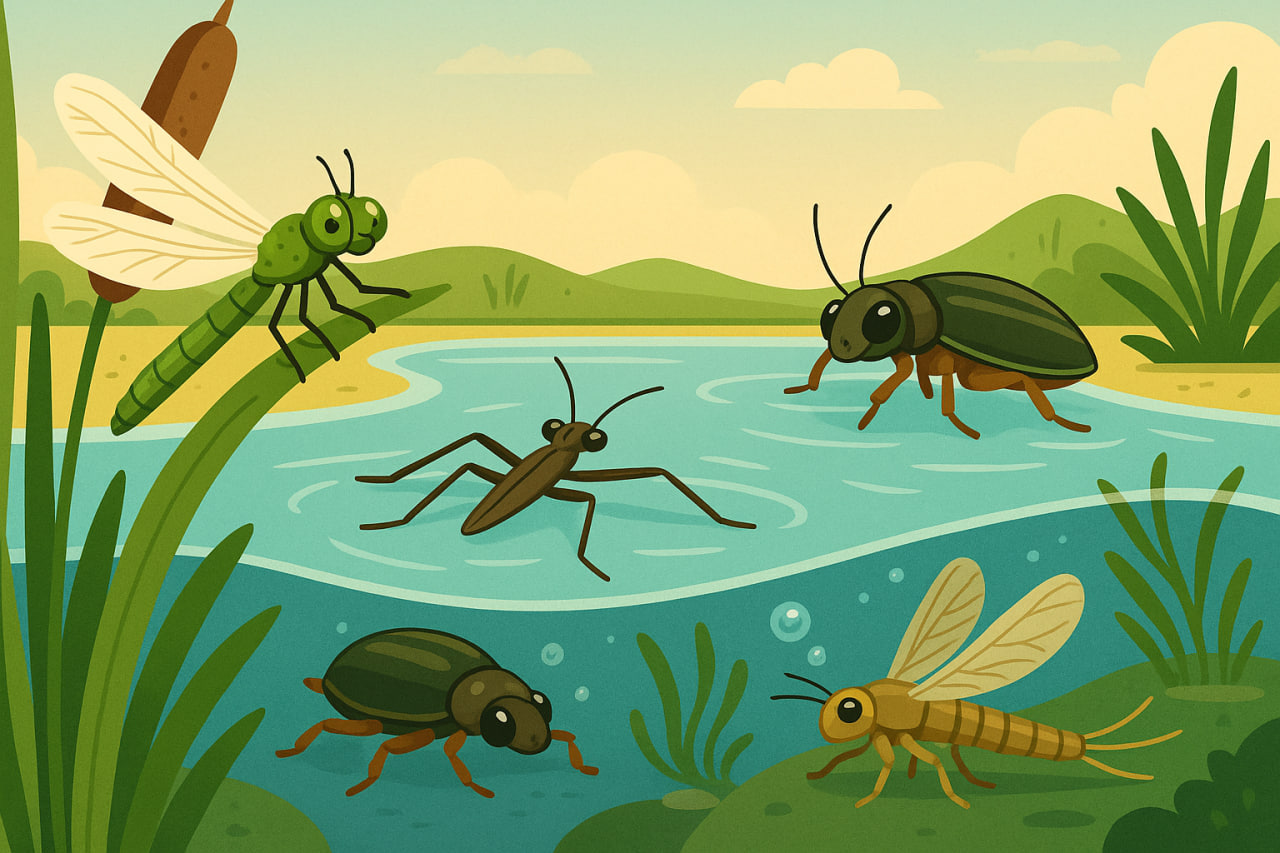
Aquatic insects are a diverse group of insects that spend part or all of their life cycles in water.
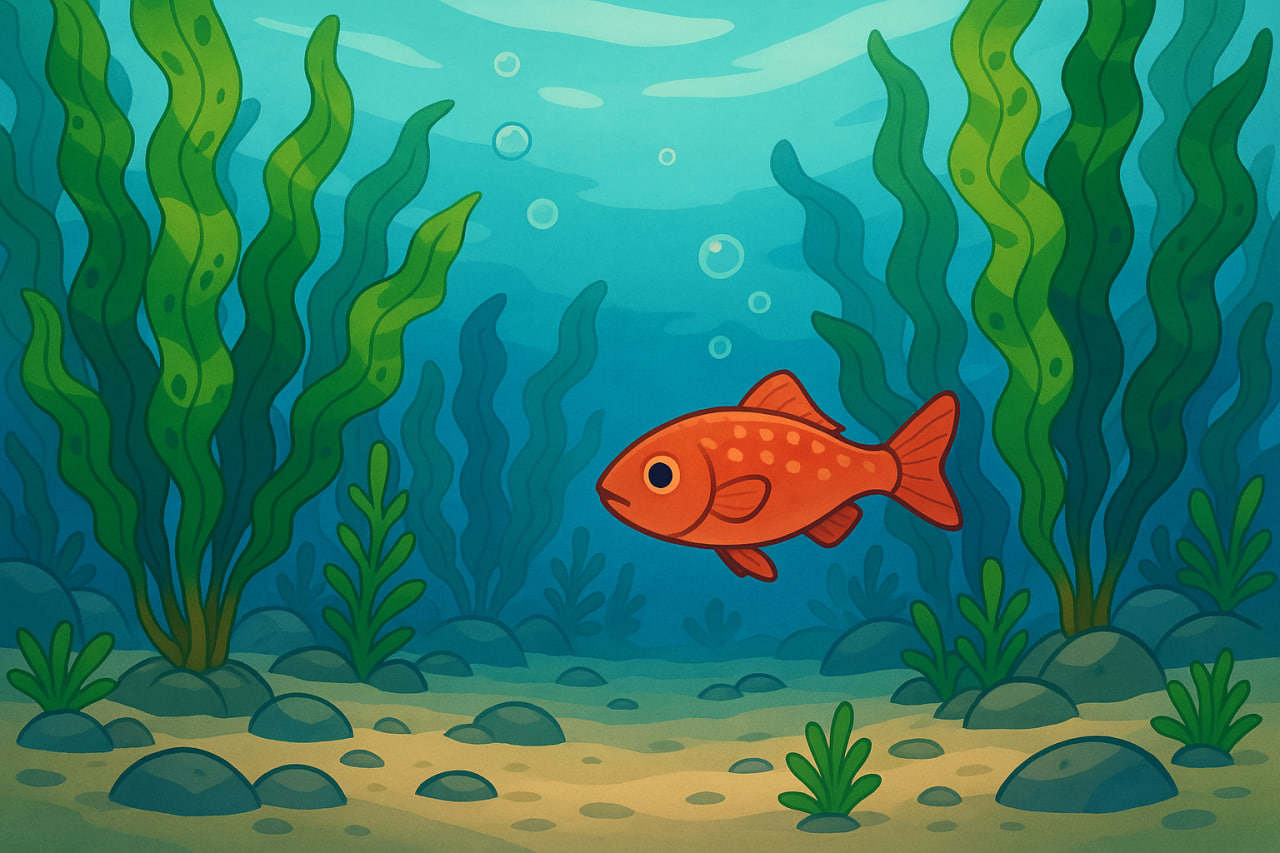
Underwater forests are extraordinary ecosystems made up of large aquatic plants, such as kelp and seagrasses, that grow in oceans, seas, and freshwater bodies.
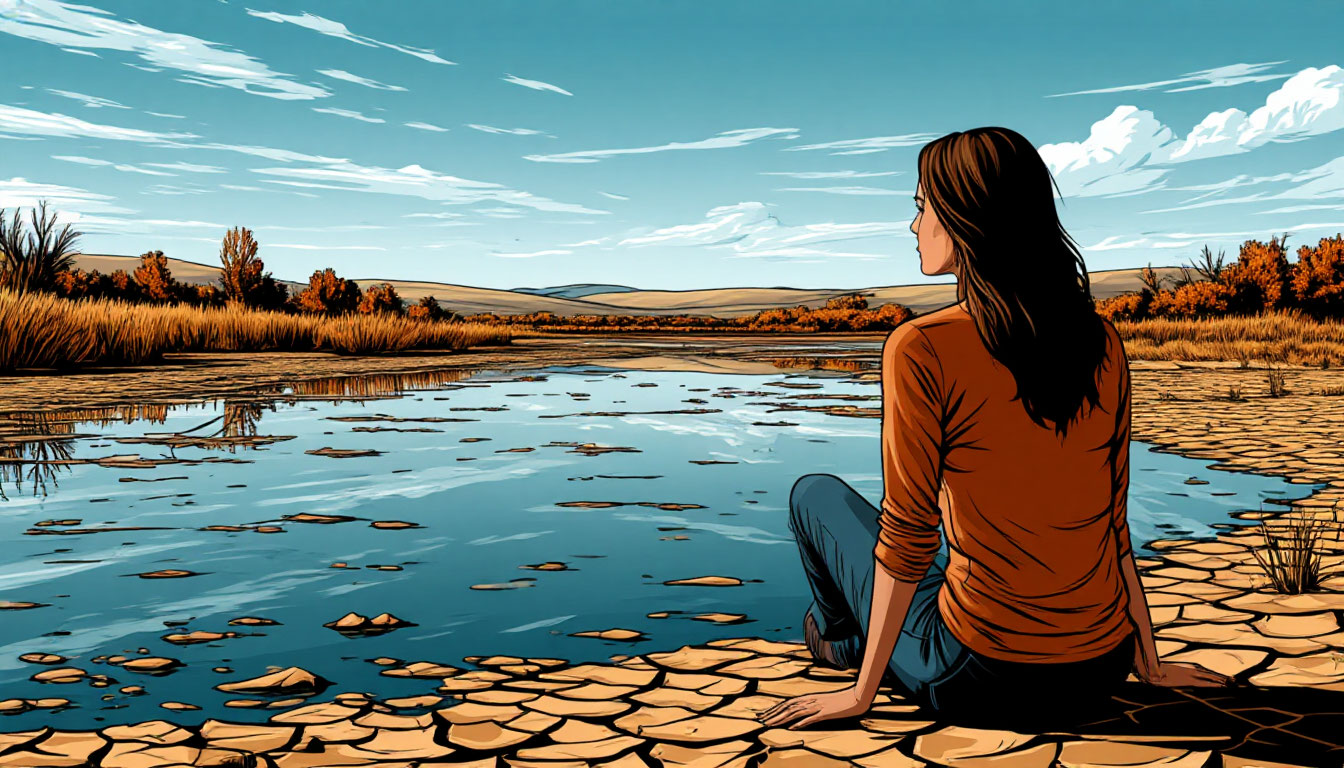
Lakes are essential parts of Earth’s ecosystems, providing water, habitats, and climate regulation. However, many lakes around the world are shrinking or vanishing entirely.