
Overexploitation: When Resource Use Exceeds Nature’s Limits
Overexploitation refers to the unsustainable use of natural resources at a rate faster than they can replenish. It affects wildlife, forests, oceans, soil, and freshwater systems.
This section explores biodiversity preservation, sustainable resource use, and climate-related issues. Learn about environmental threats, green initiatives, legislation, and the path toward a more sustainable future.
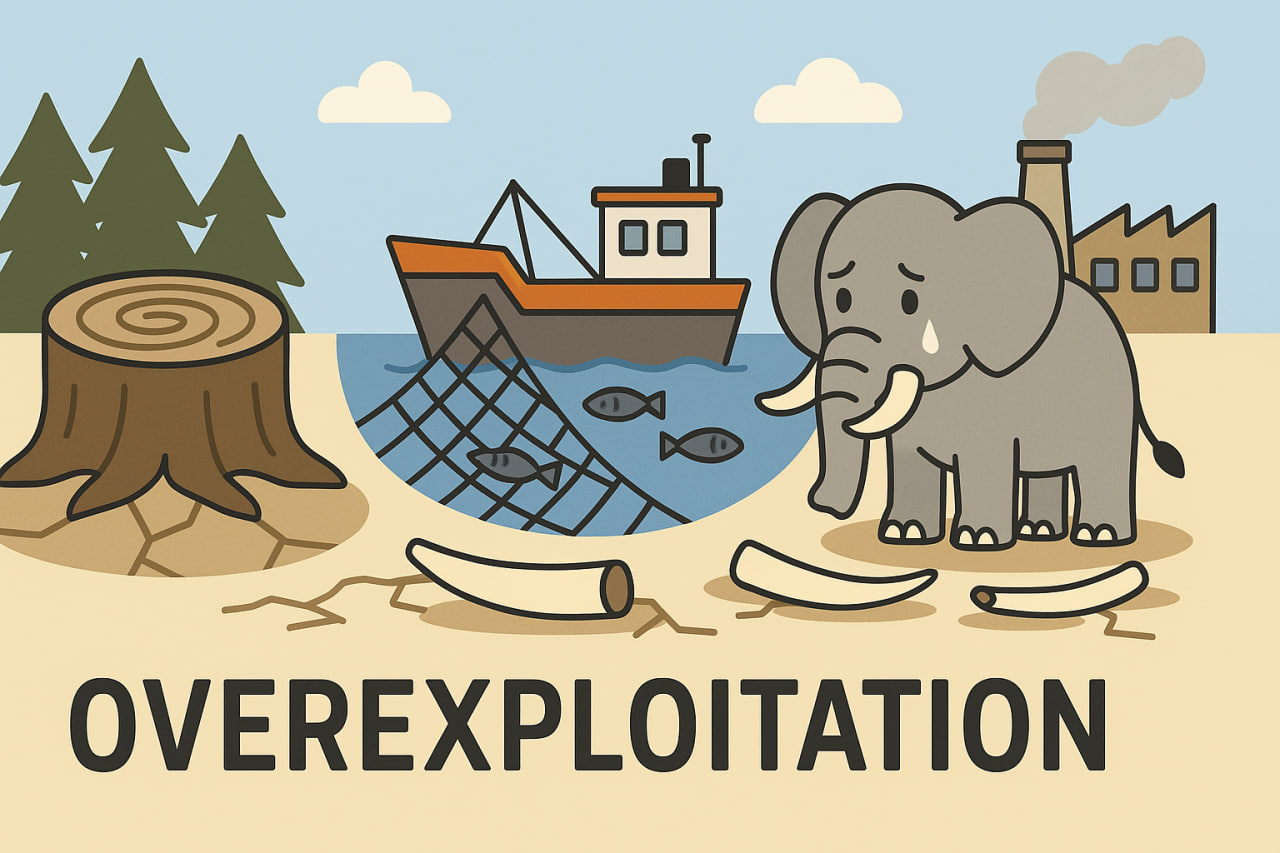
Overexploitation refers to the unsustainable use of natural resources at a rate faster than they can replenish. It affects wildlife, forests, oceans, soil, and freshwater systems.
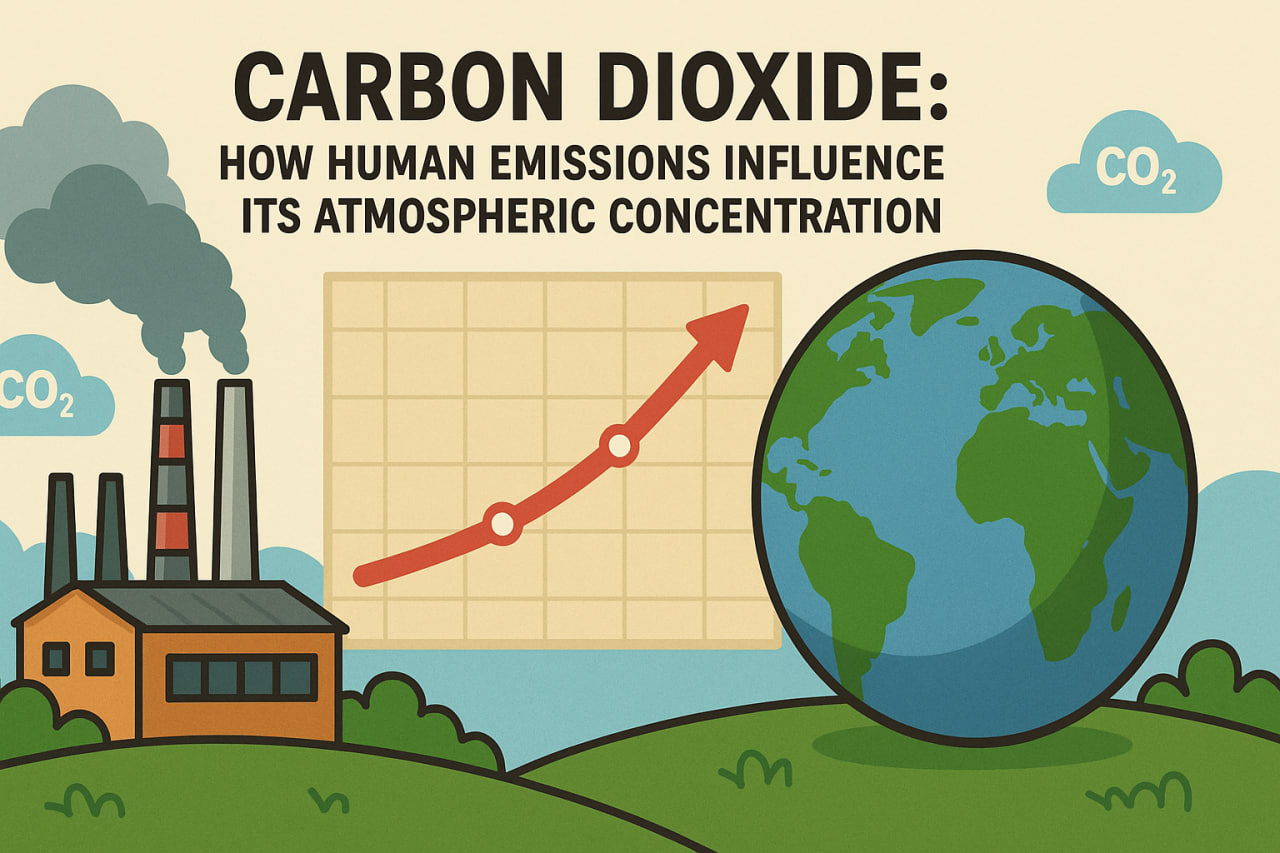
Carbon dioxide (CO₂) is a naturally occurring greenhouse gas in Earth’s atmosphere. It plays a crucial role in regulating global temperature by trapping heat from the Sun.
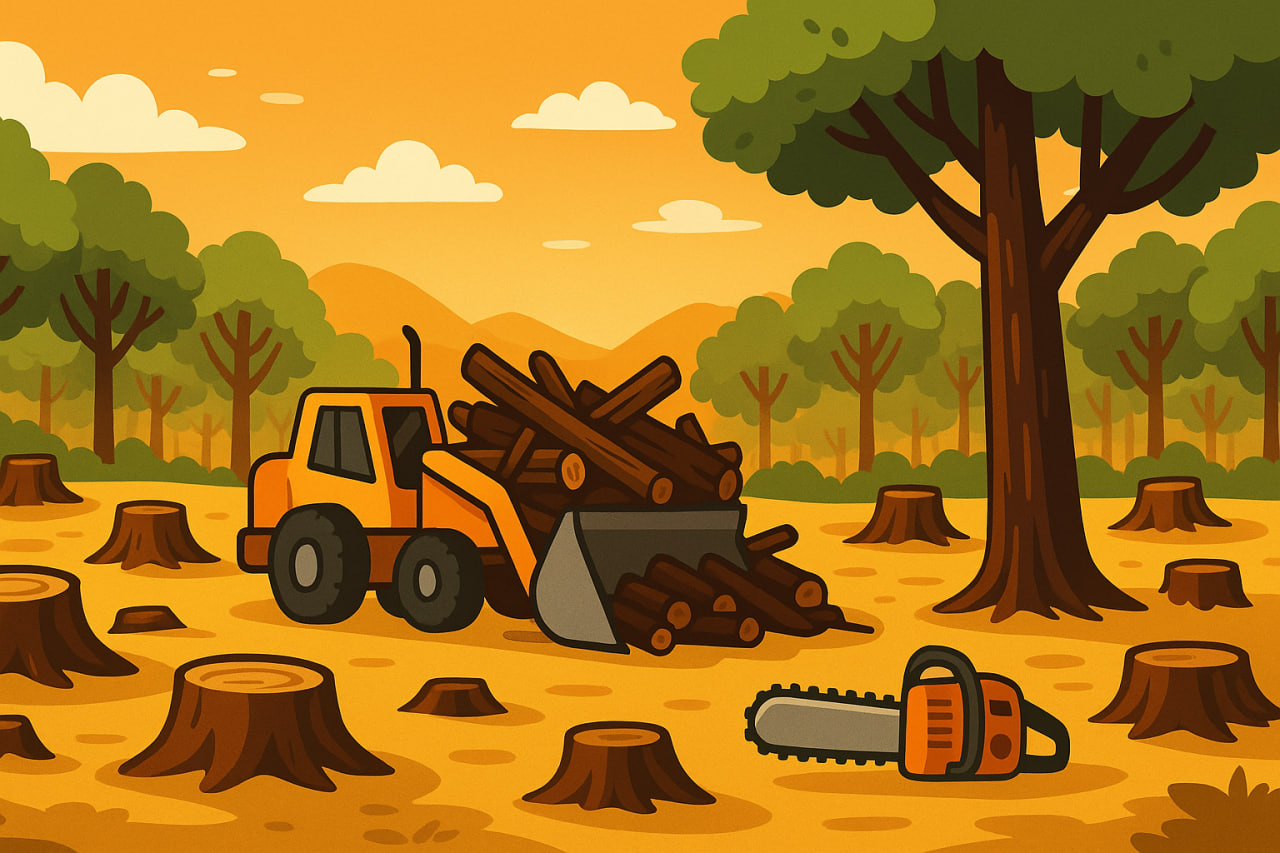
Deforestation is the large-scale removal of forests, usually to clear land for agriculture, urban development, or industrial use.
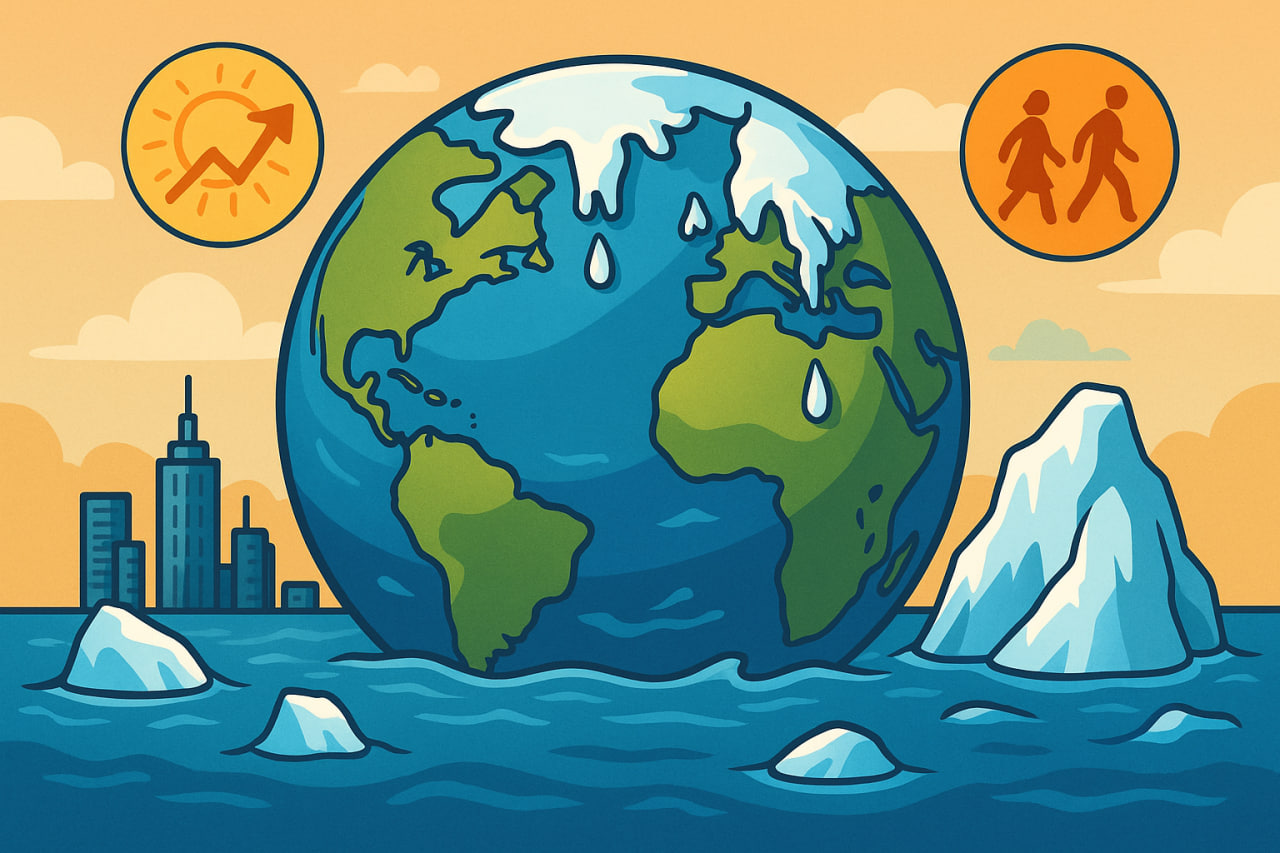
Glaciers and polar ice caps store about 70% of the world’s freshwater, covering vast areas of Greenland, Antarctica, and mountain ranges.
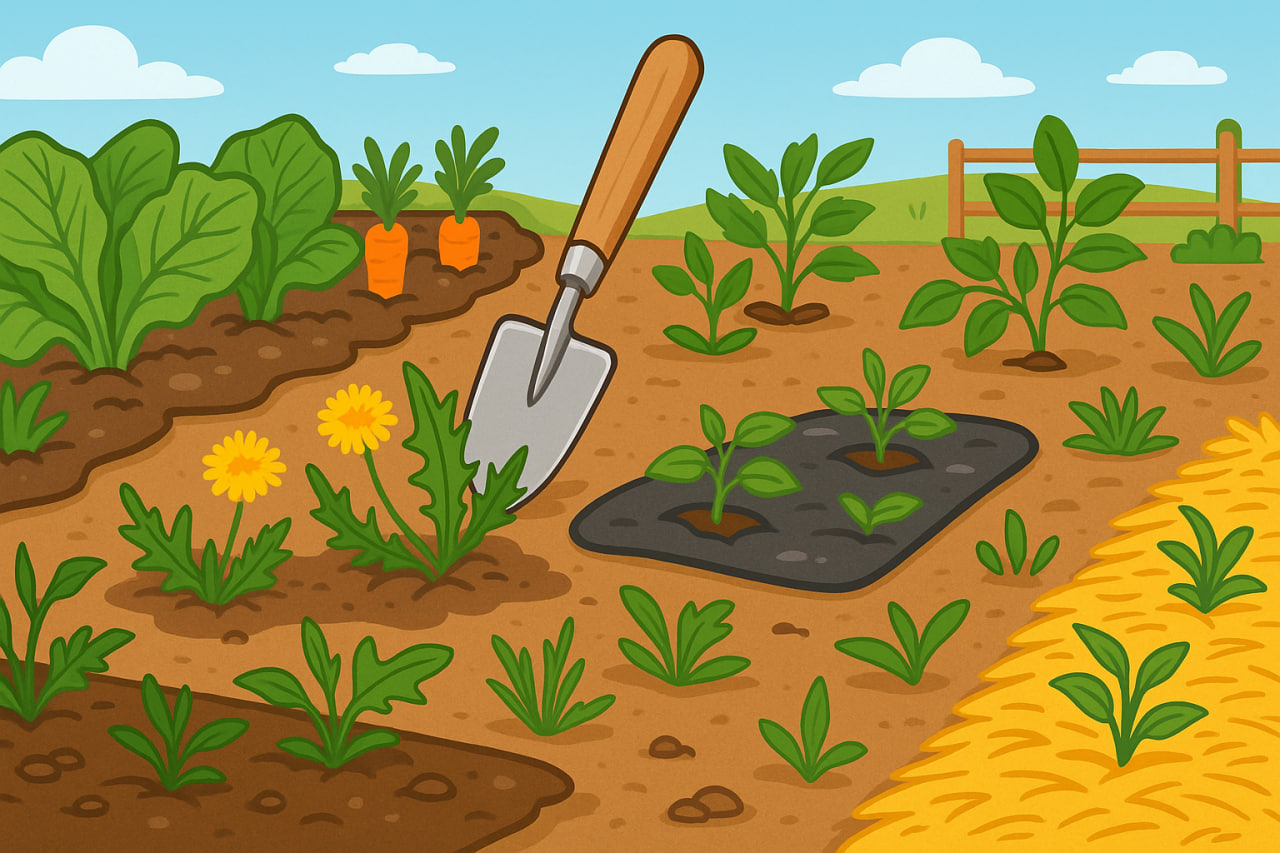
Weeds are plants that grow where they are not wanted, often competing with cultivated crops, flowers, or lawns.
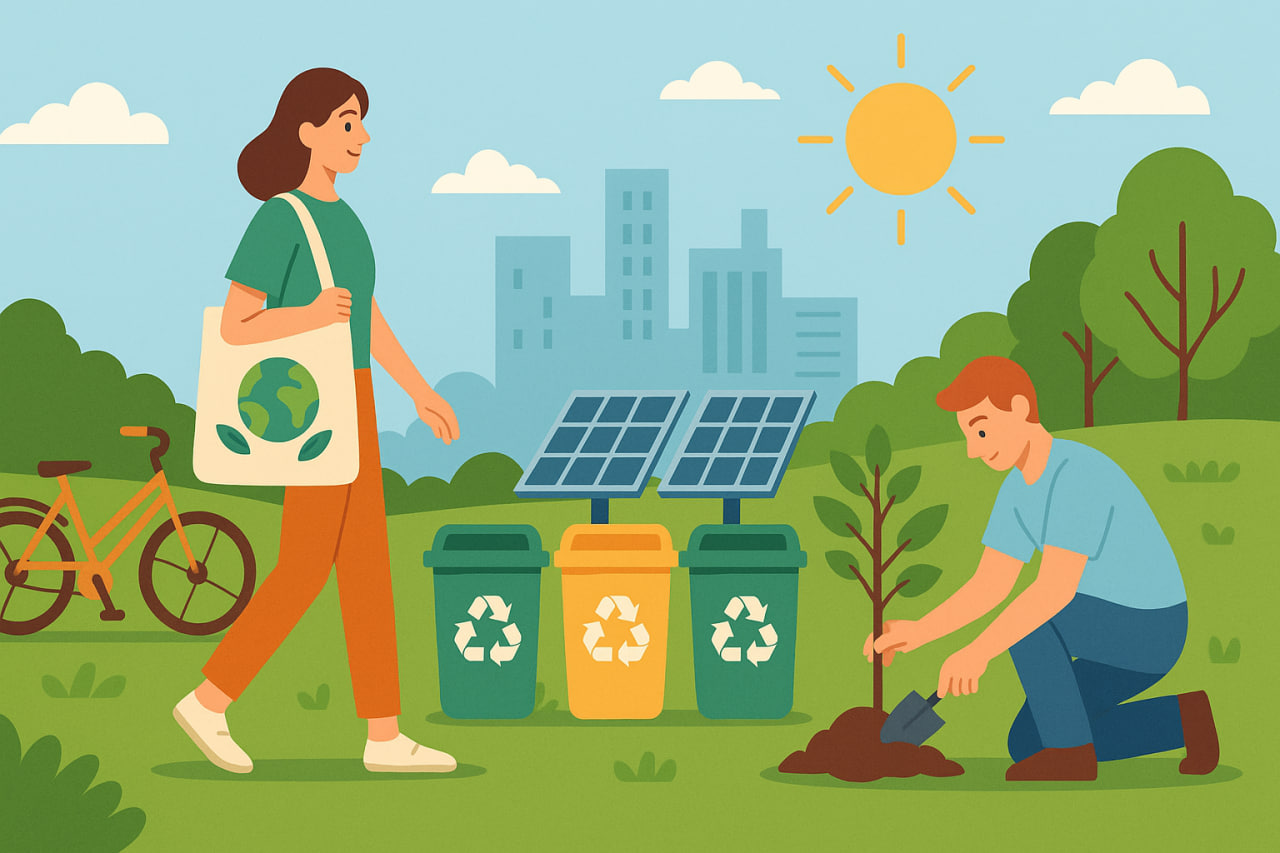
The global environmental crisis often feels overwhelming, but real change begins with individual actions. Every person can contribute to protecting the planet by making thoughtful daily choices.
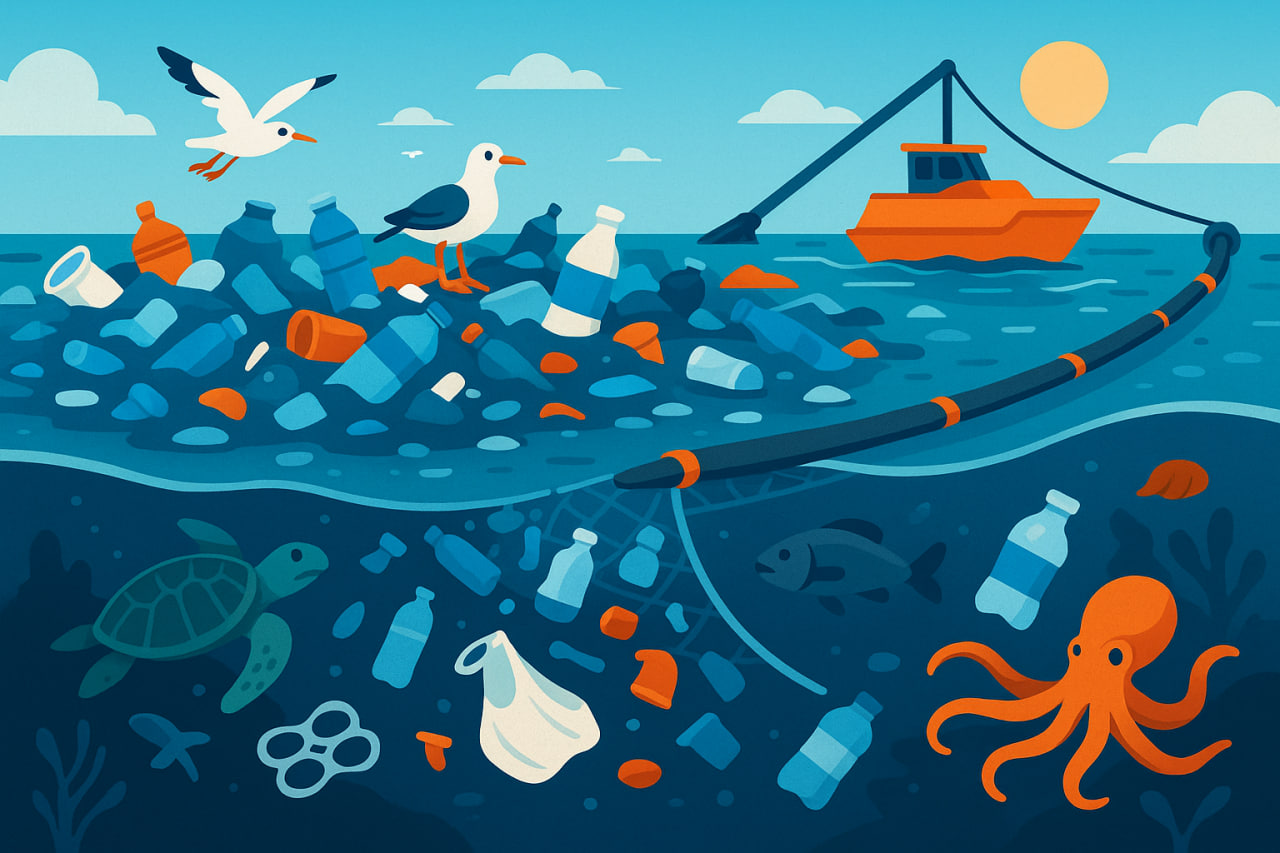
In the world’s oceans, enormous patches of floating plastic debris have formed, often referred to as the “plastic continent” or “Great Pacific Garbage Patch”.
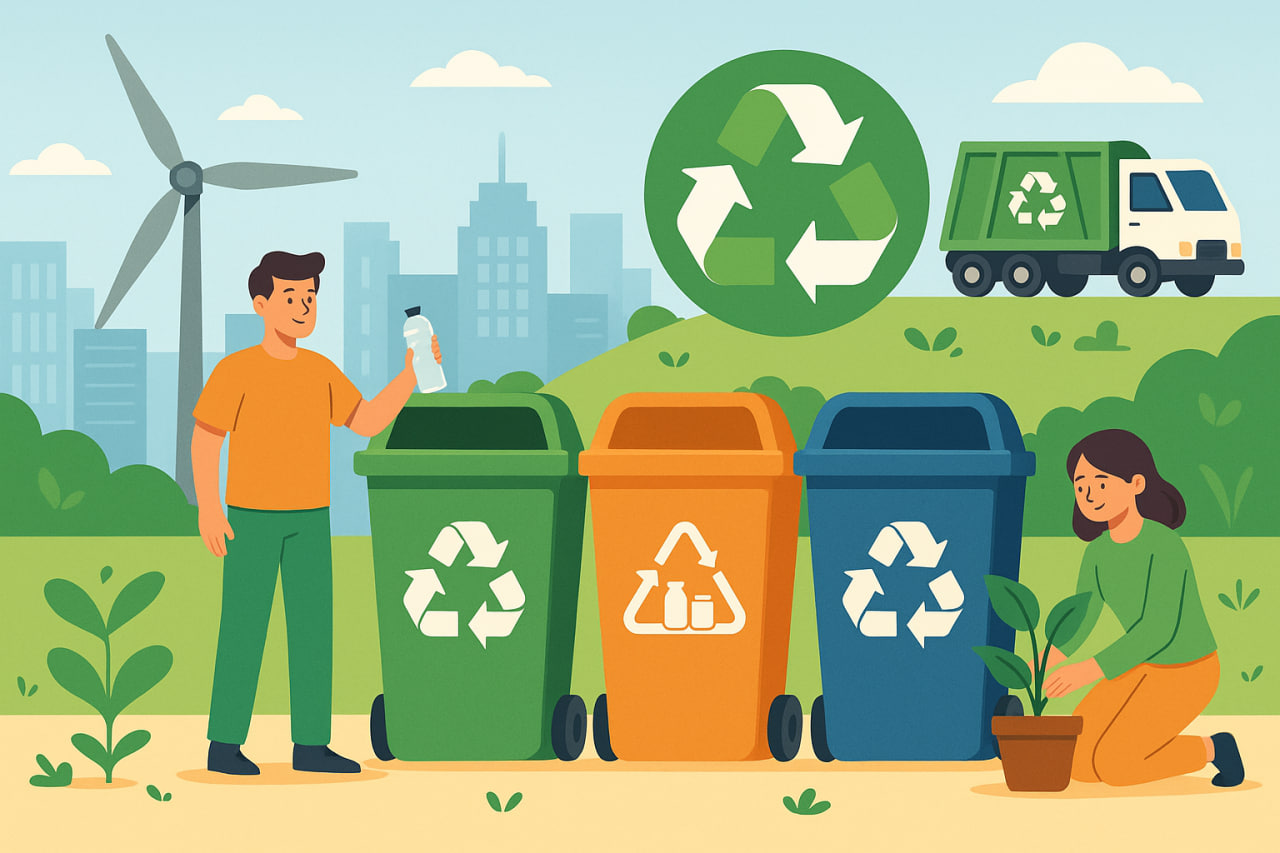
The problem of waste accumulation has become one of the most urgent environmental challenges of the 21st century.
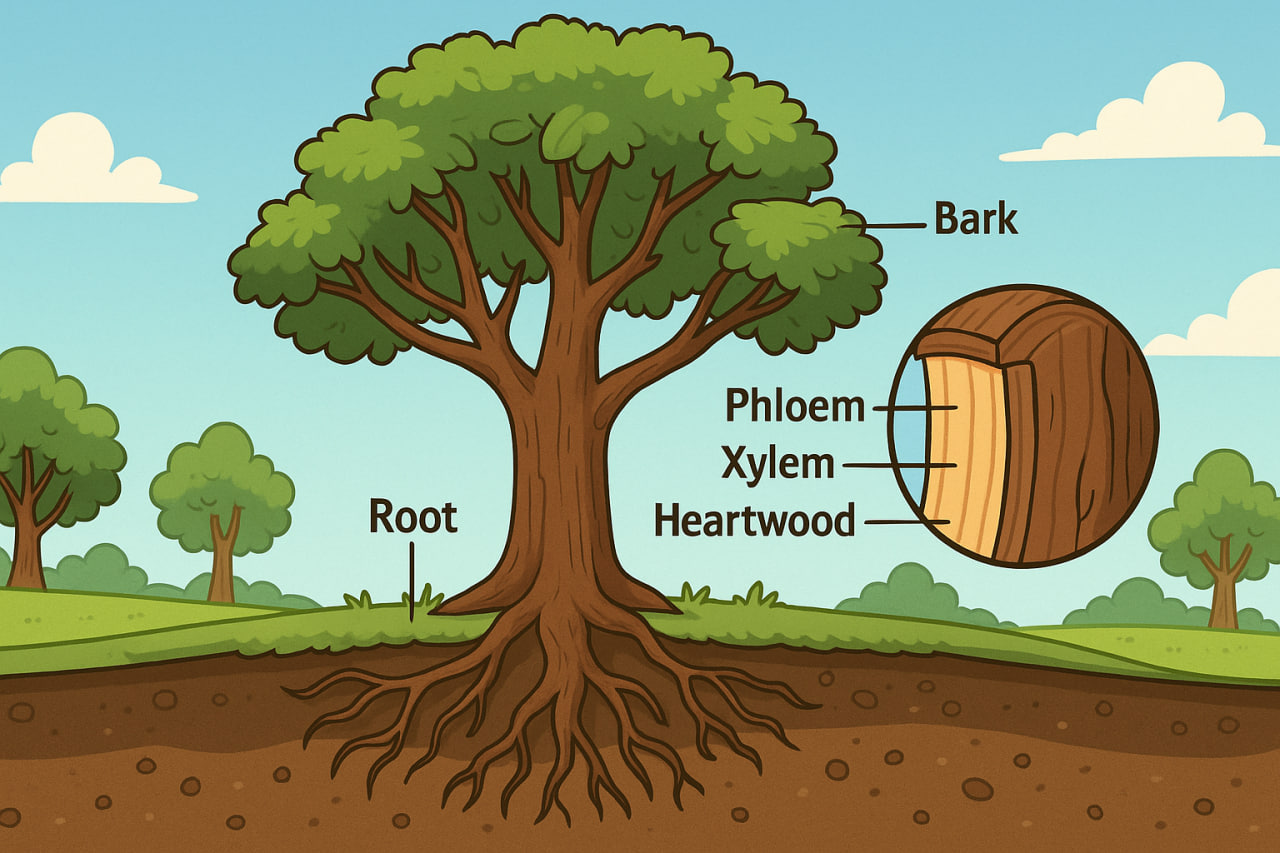
A tree may look like a simple organism, but in reality, it is one of the most complex life forms on land.
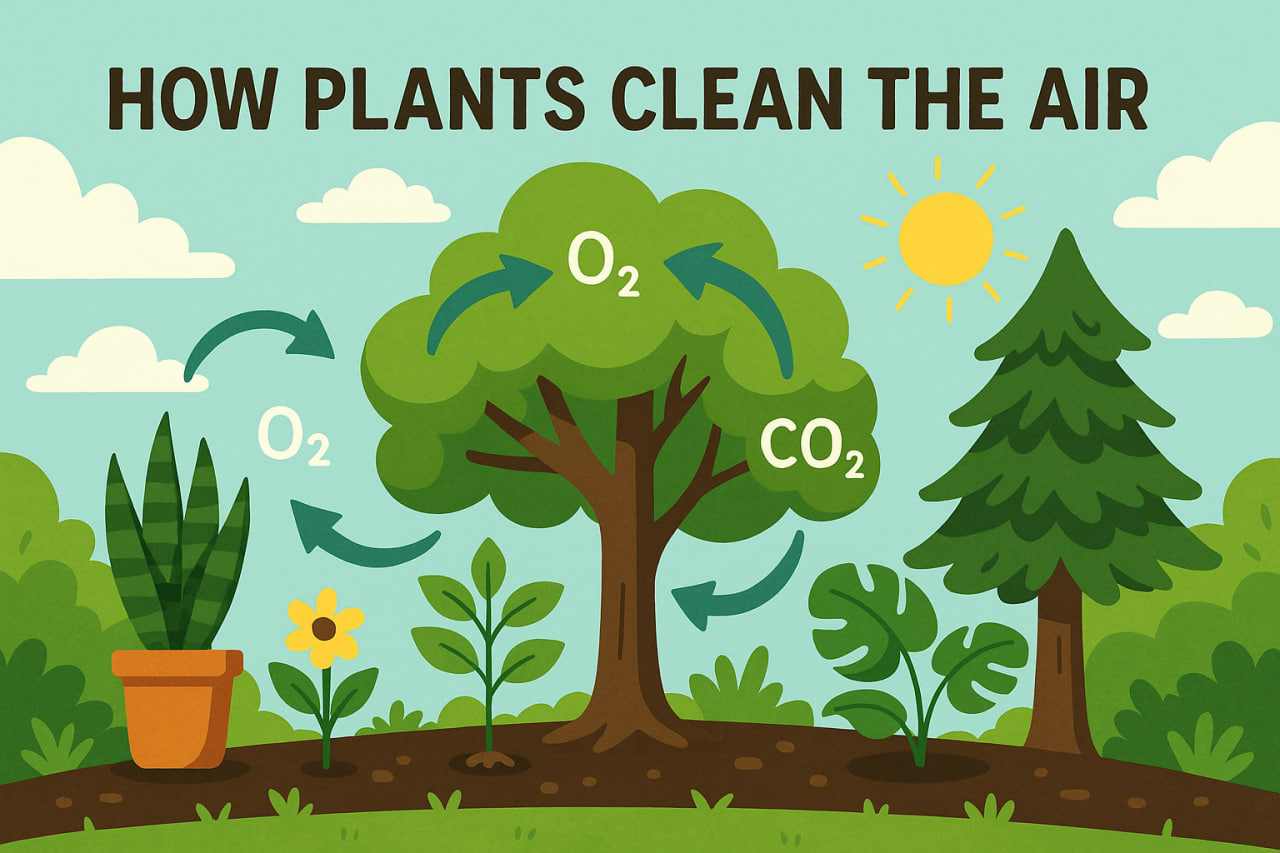
Plants play a crucial role in maintaining the balance of our atmosphere by naturally cleaning the air.