
How Forests Influence the Air
Forests are often called the lungs of the Earth because of their vital role in maintaining the balance of gases in the atmosphere.
This section explores biodiversity preservation, sustainable resource use, and climate-related issues. Learn about environmental threats, green initiatives, legislation, and the path toward a more sustainable future.
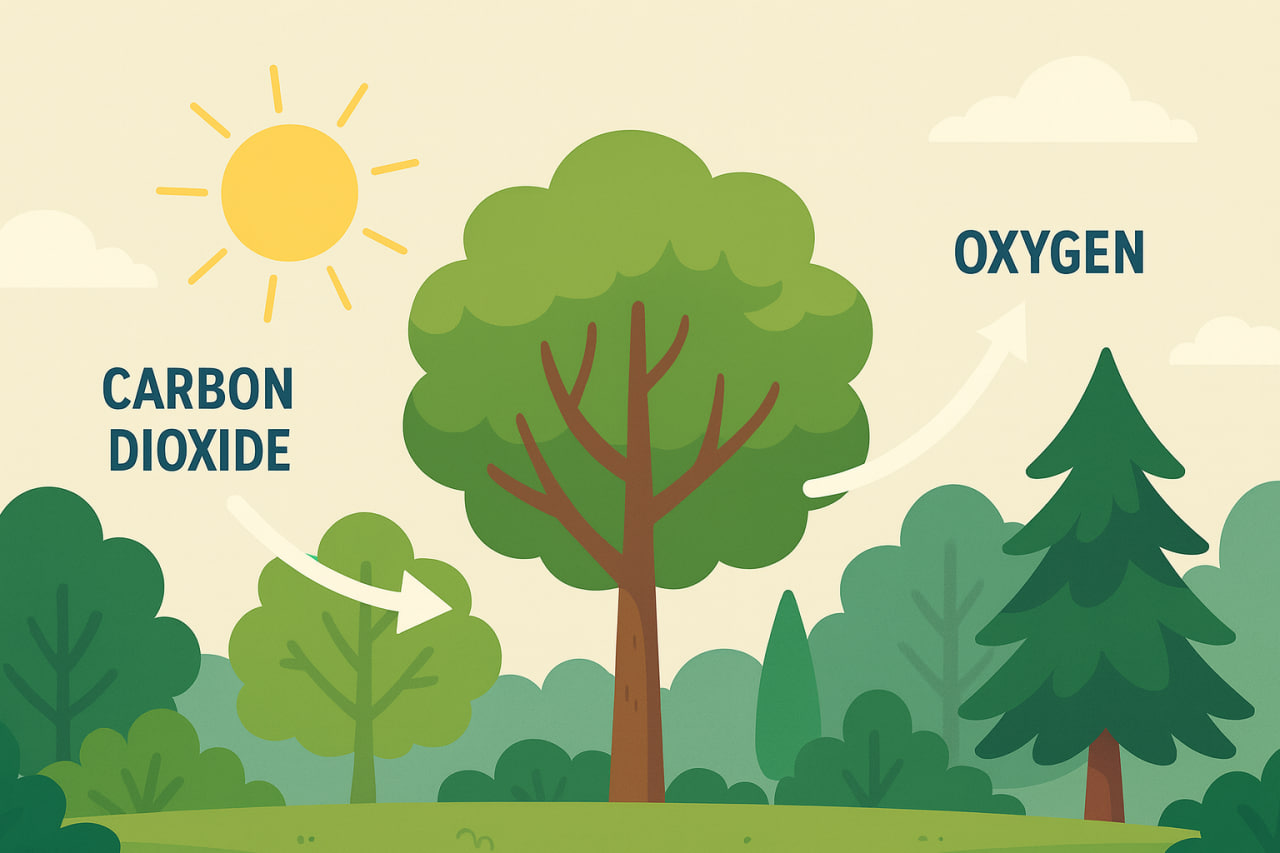
Forests are often called the lungs of the Earth because of their vital role in maintaining the balance of gases in the atmosphere.
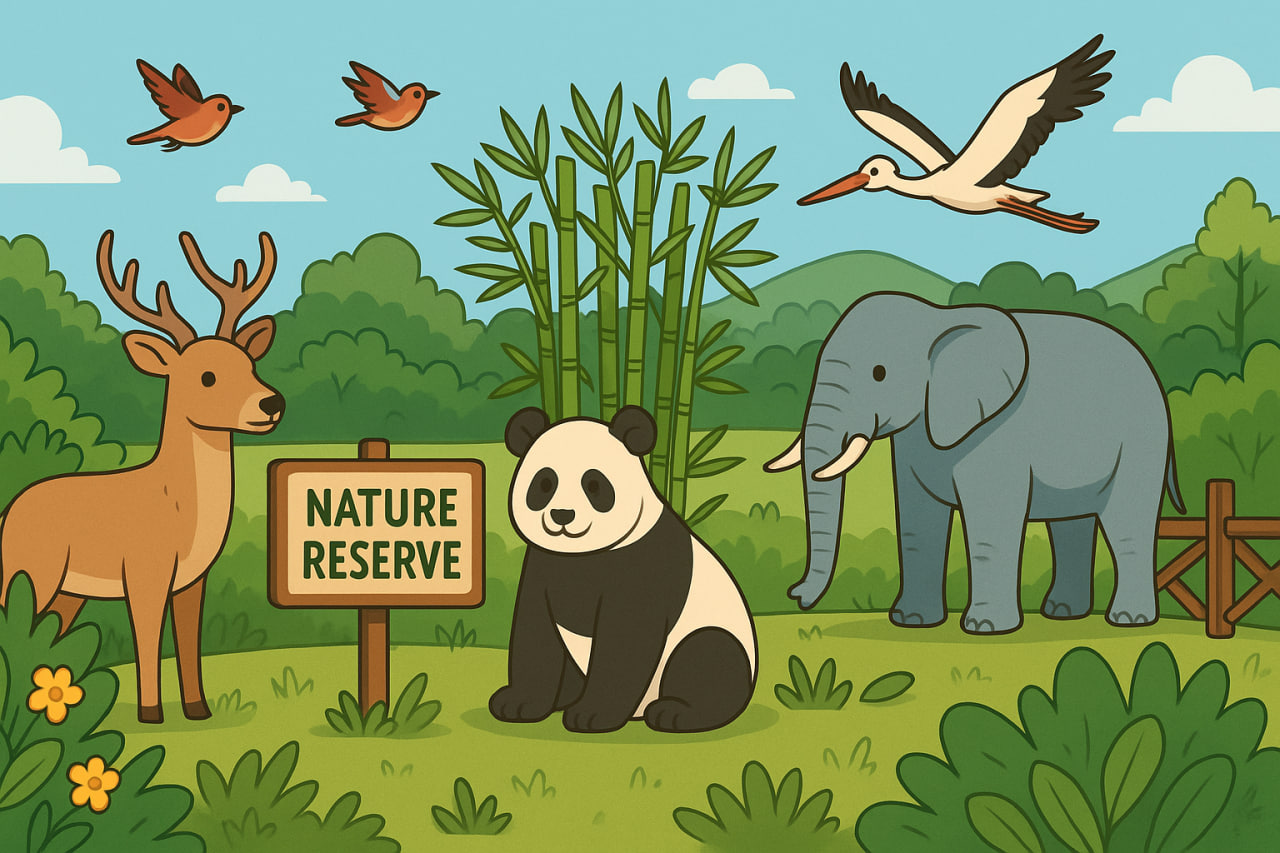
A nature reserve (or wildlife sanctuary) is a protected area of land or water where ecosystems, species, and natural resources are preserved for scientific, educational, and conservation...
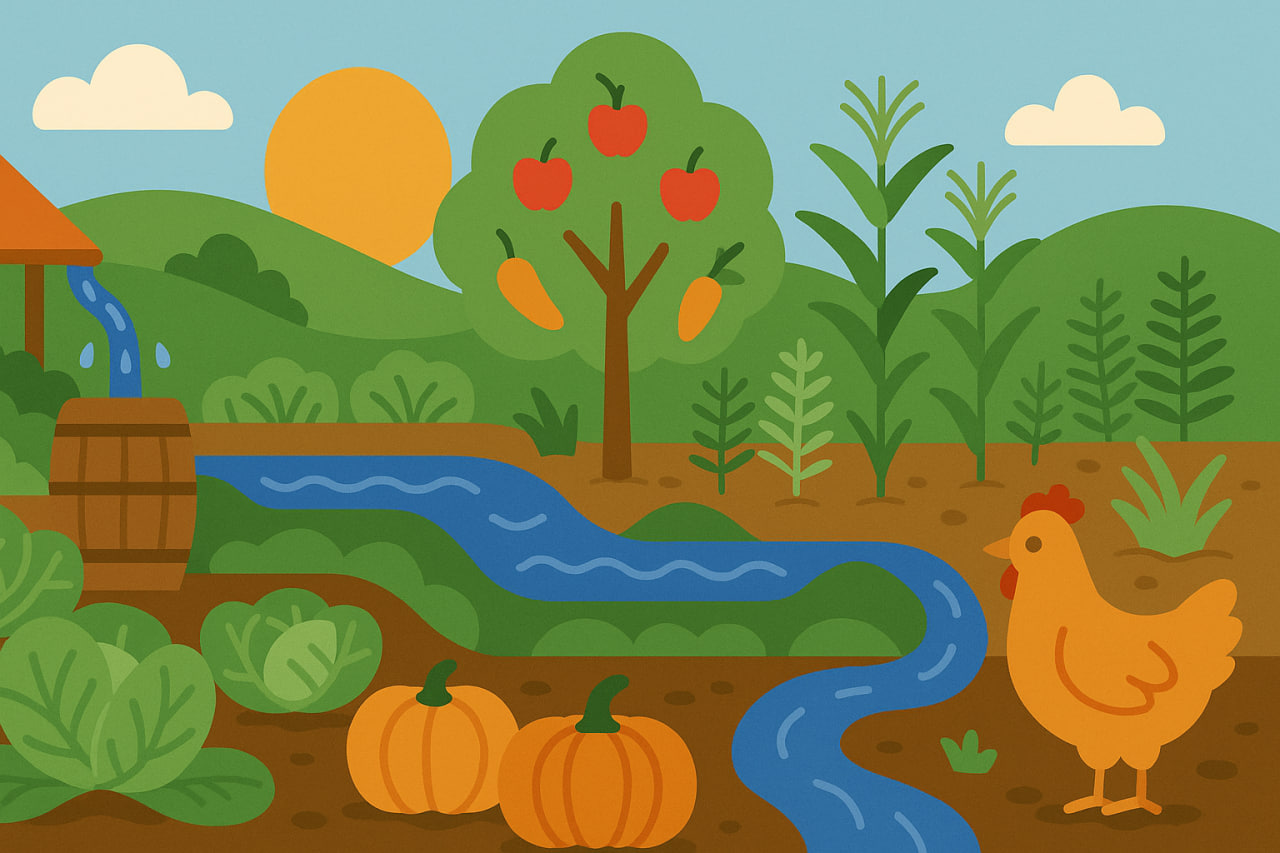
Permaculture is a sustainable approach to agriculture and living that works with nature rather than against it.
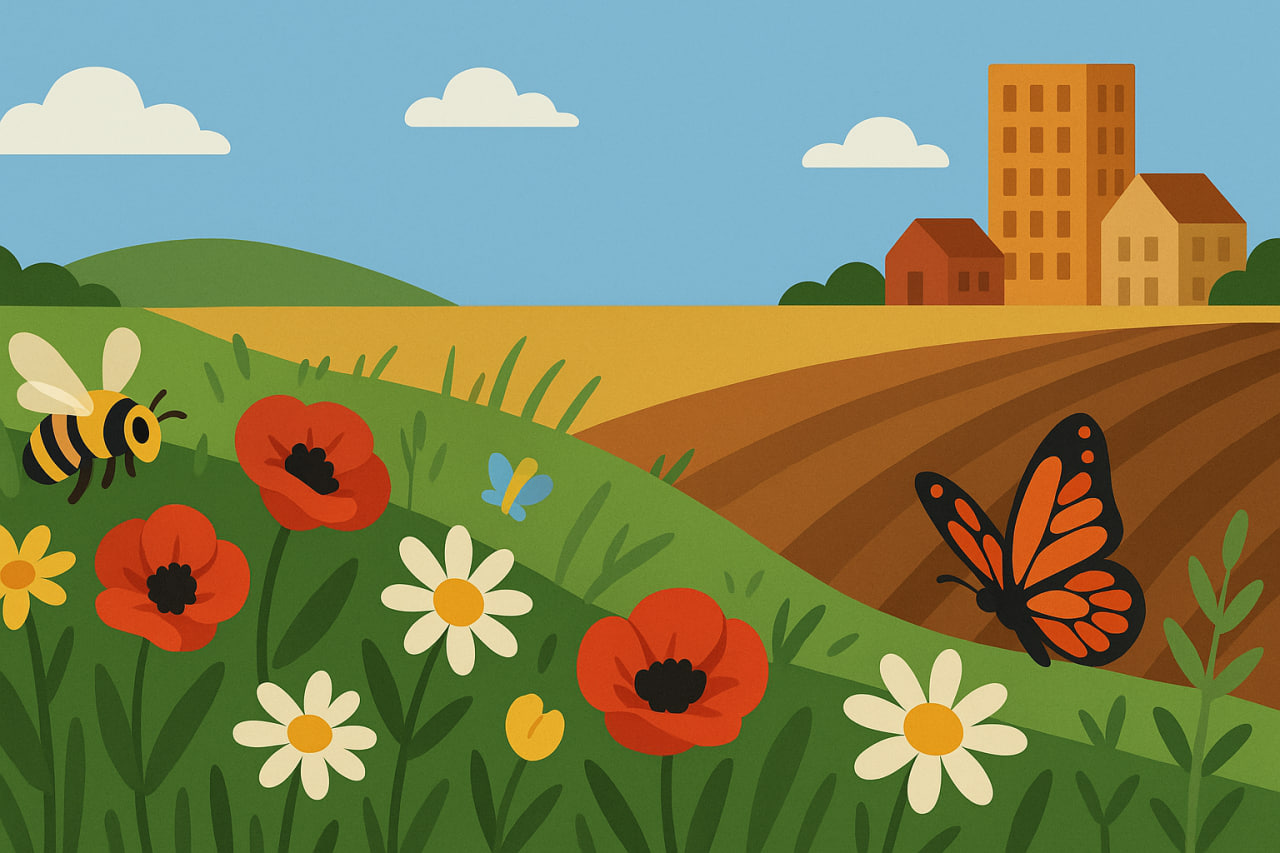
Wild meadows, once widespread across many regions, are now rapidly declining. These natural grasslands host a remarkable diversity of plants, insects, and animals, serving as important...
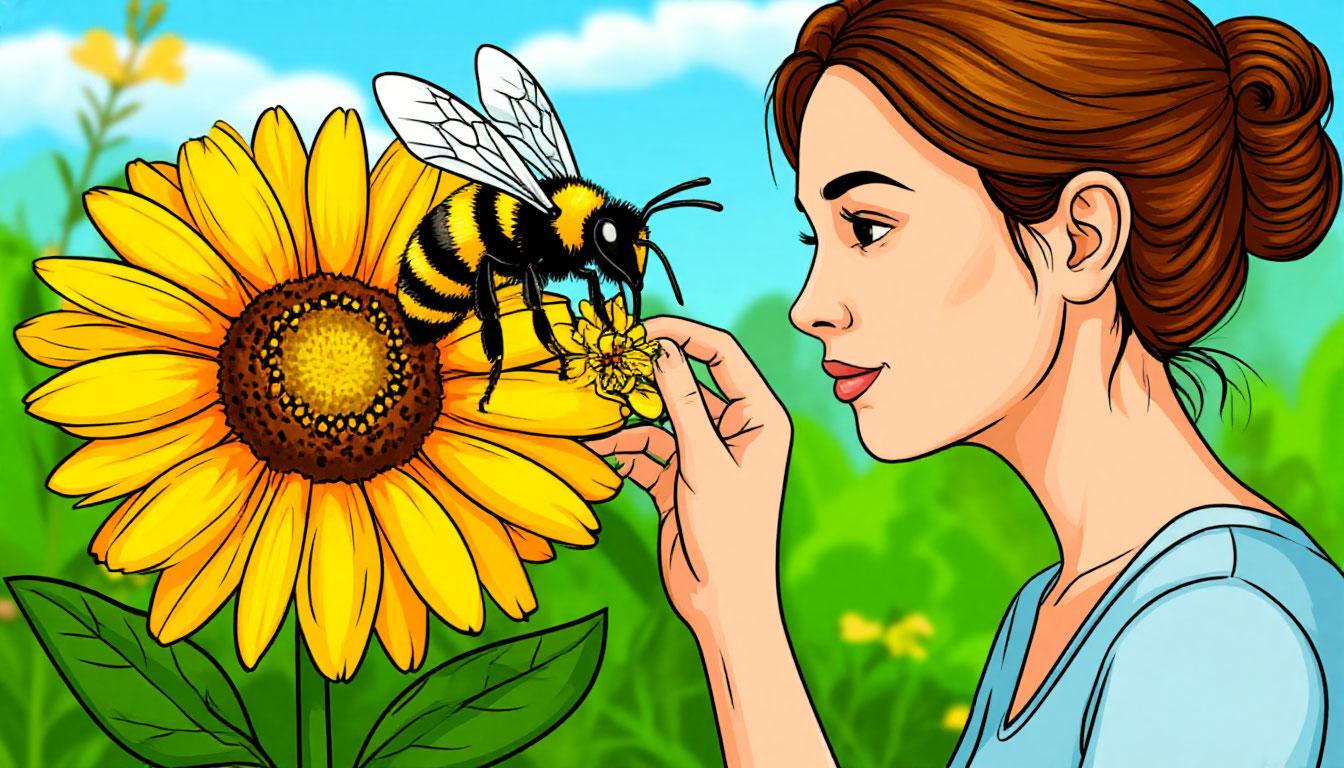
Insects, despite their small size, are among the most influential organisms on Earth.
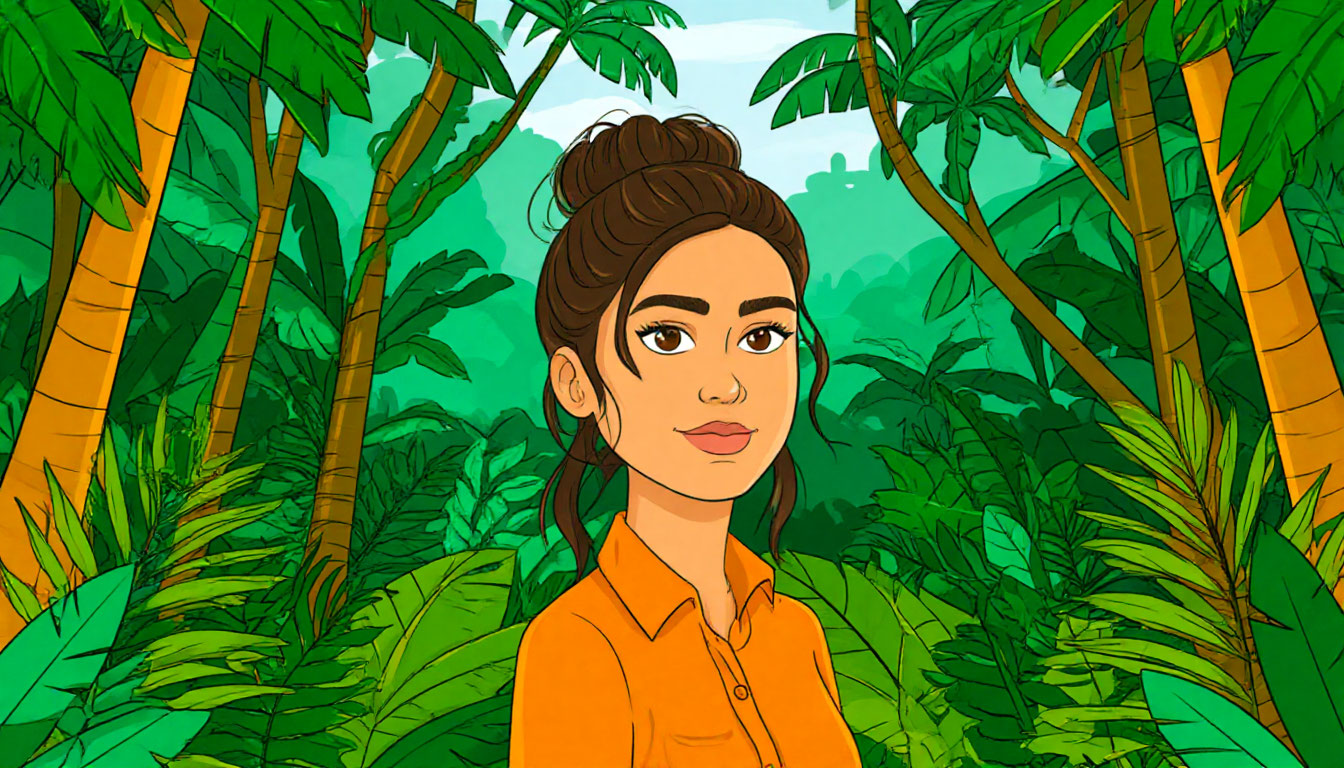
Equatorial jungles, also known as tropical rainforests, are among the most biologically rich and ecologically important ecosystems on Earth.
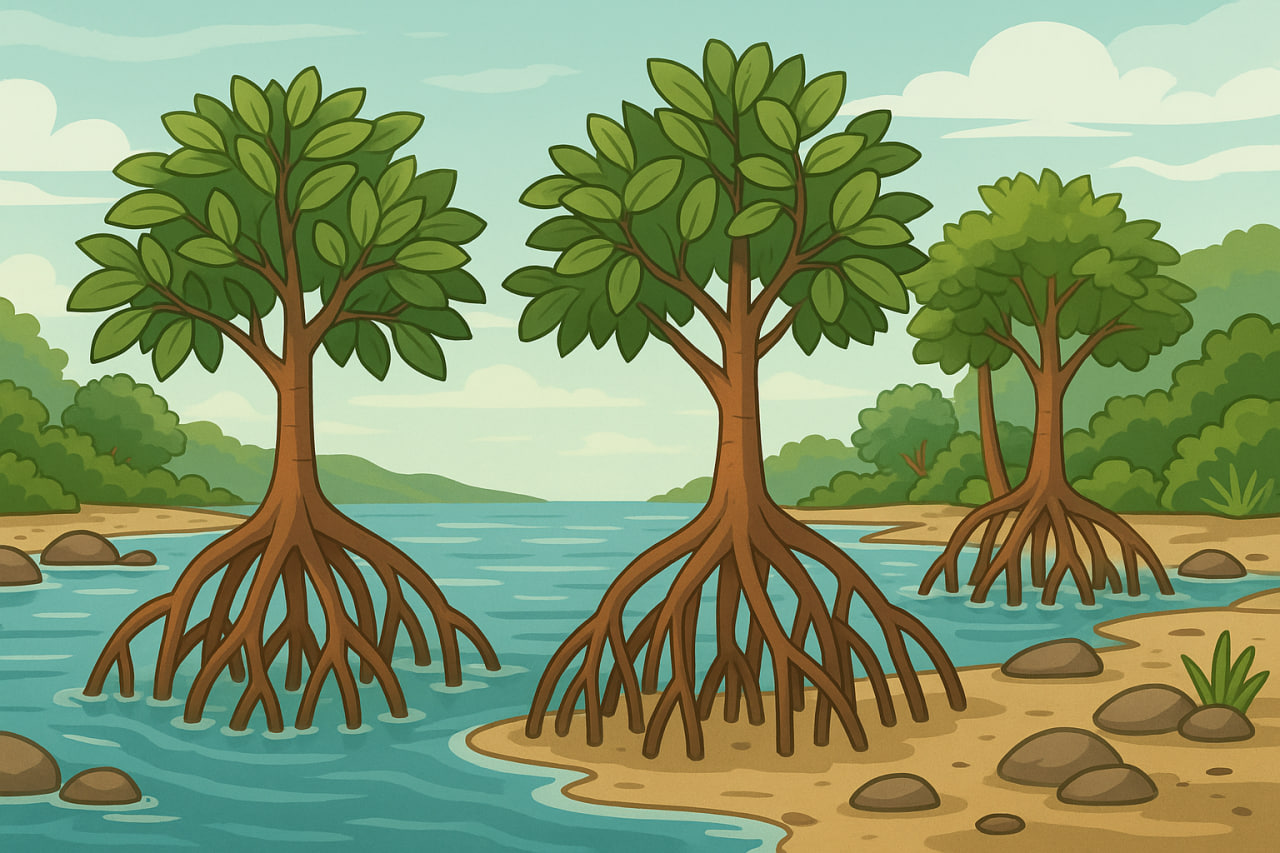
Mangrove forests are coastal ecosystems found in tropical and subtropical regions, where salt-tolerant trees grow in the intertidal zone.
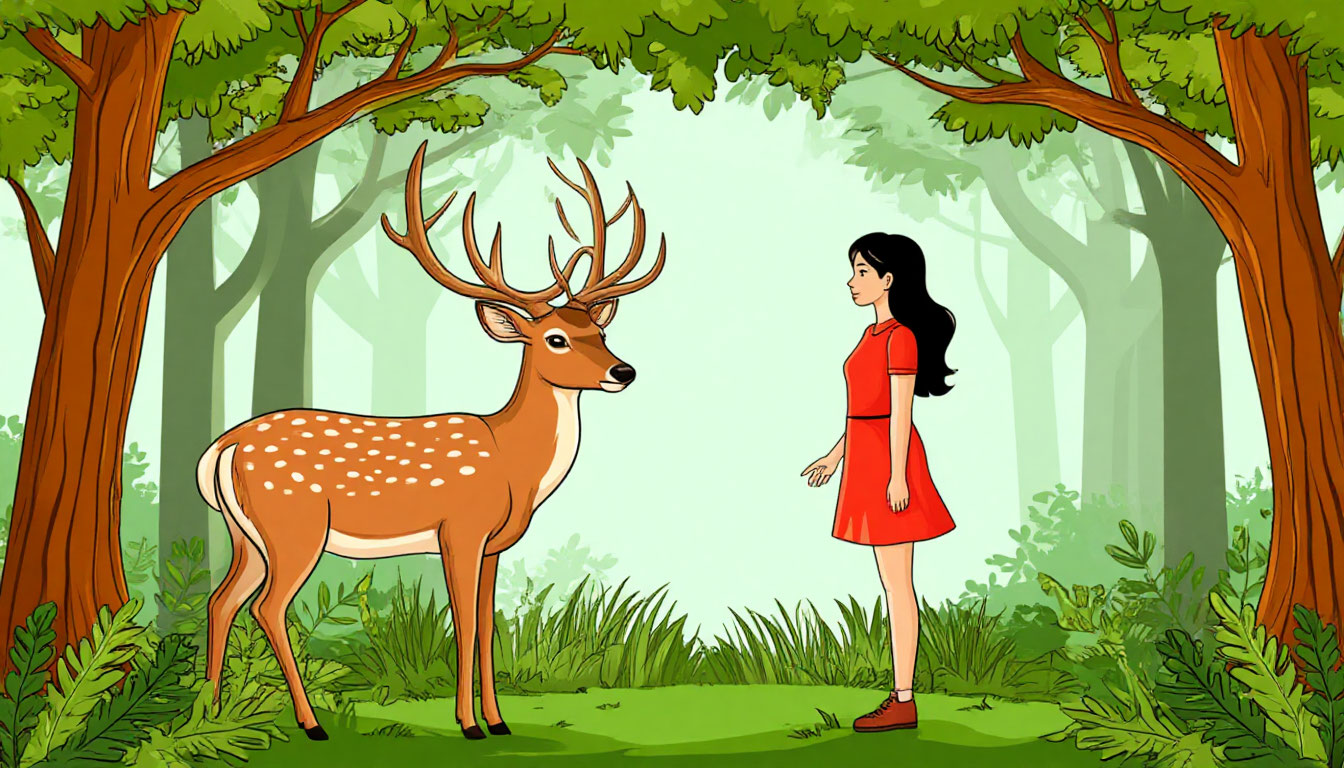
Primary forests, also known as old-growth forests, are woodlands that have developed naturally over long periods without significant human disturbance.
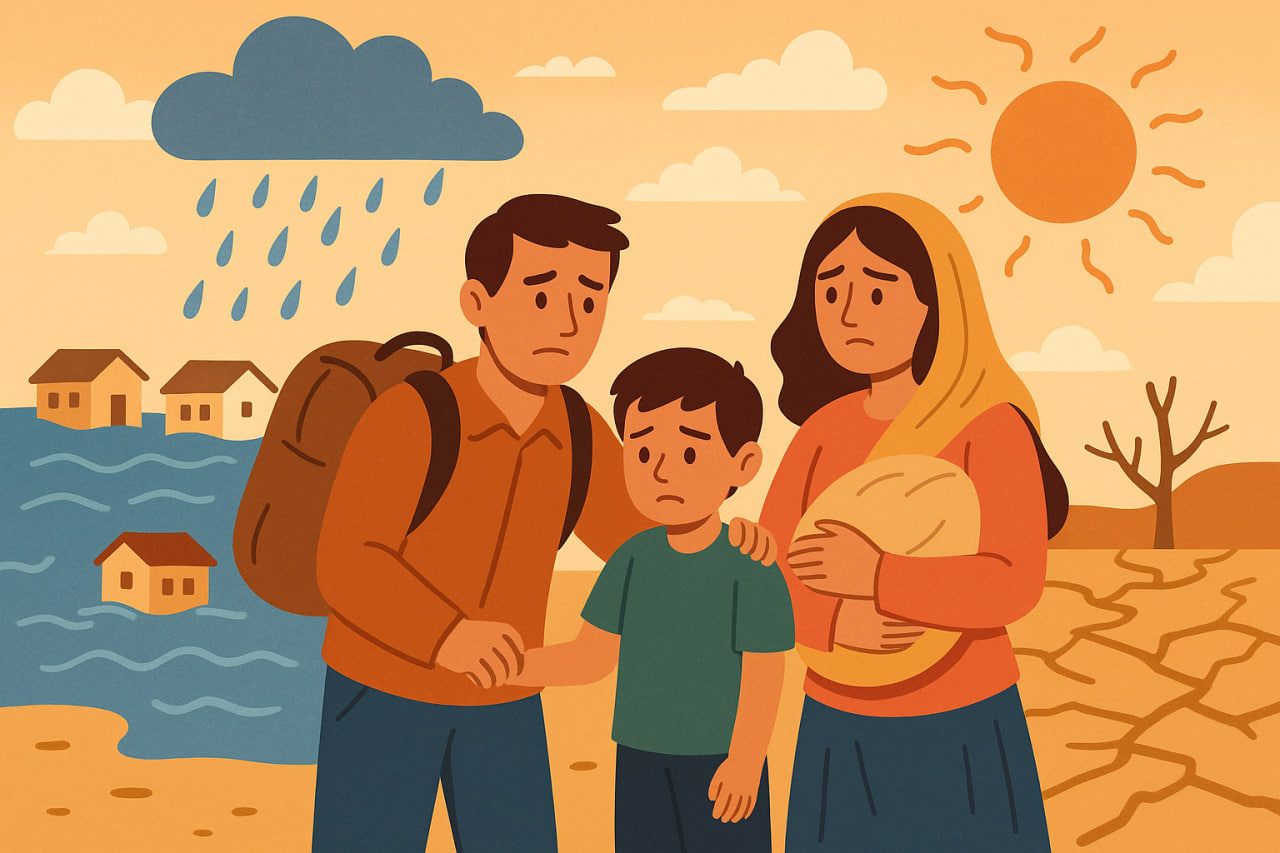
Climate refugees are people forced to leave their homes due to the effects of climate change and environmental disasters.
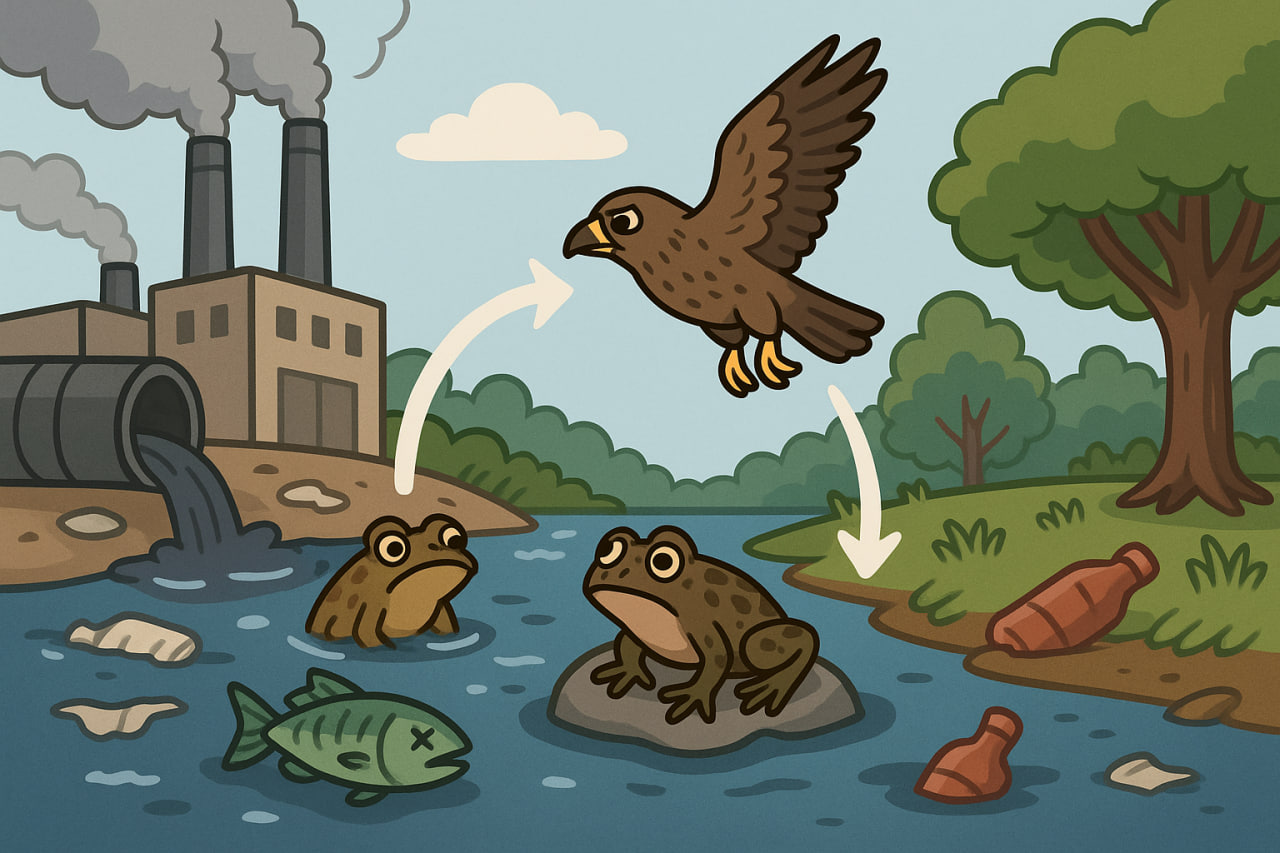
A food chain is the natural sequence in which organisms obtain energy by consuming other organisms.