
Microplastics and Nanoplastics in the Environment: Where They Come From and What Happens Next
Plastic pollution is no longer limited to discarded bottles, floating garbage, or abandoned fishing nets.
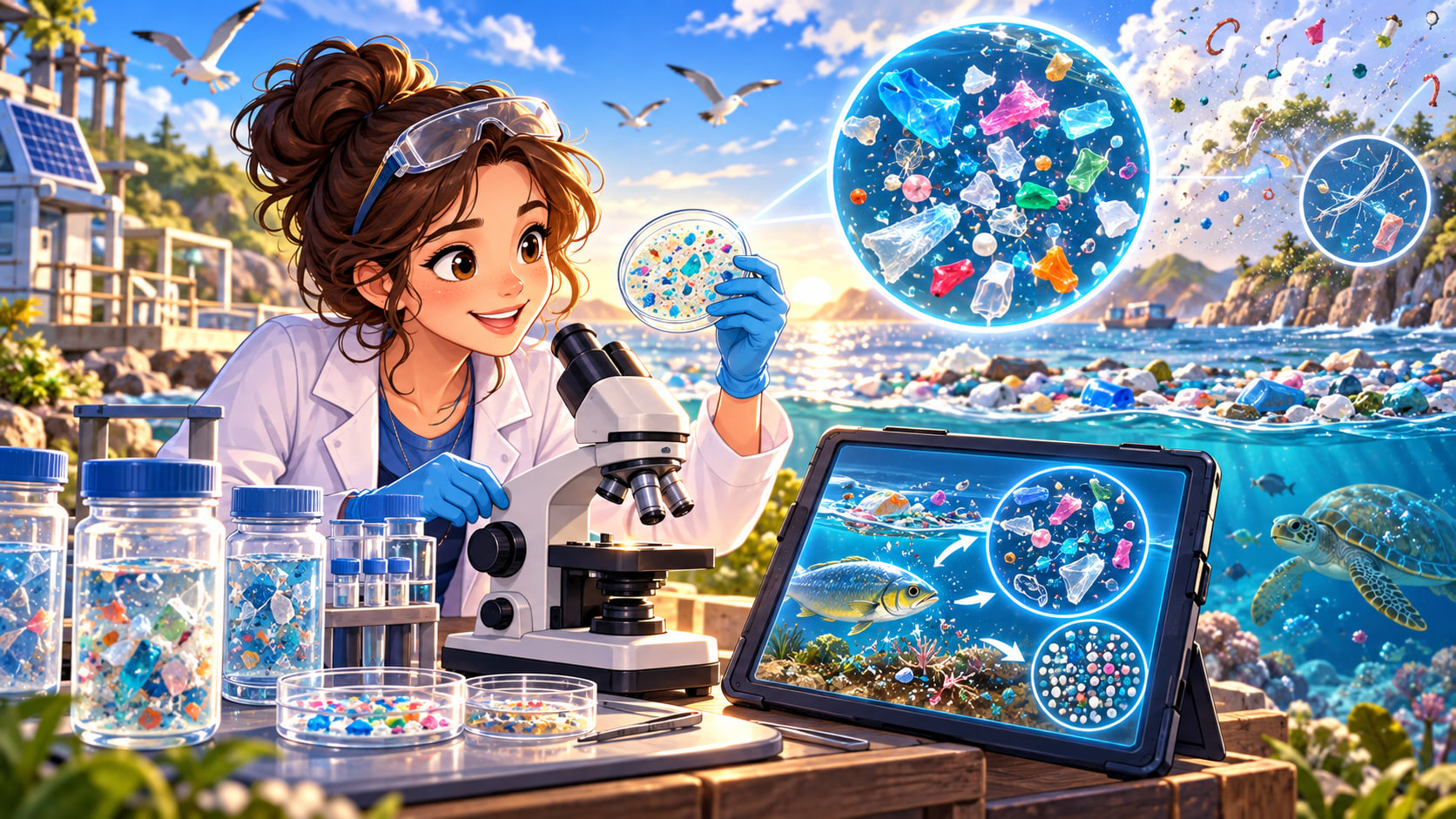
Plastic pollution is no longer limited to discarded bottles, floating garbage, or abandoned fishing nets.
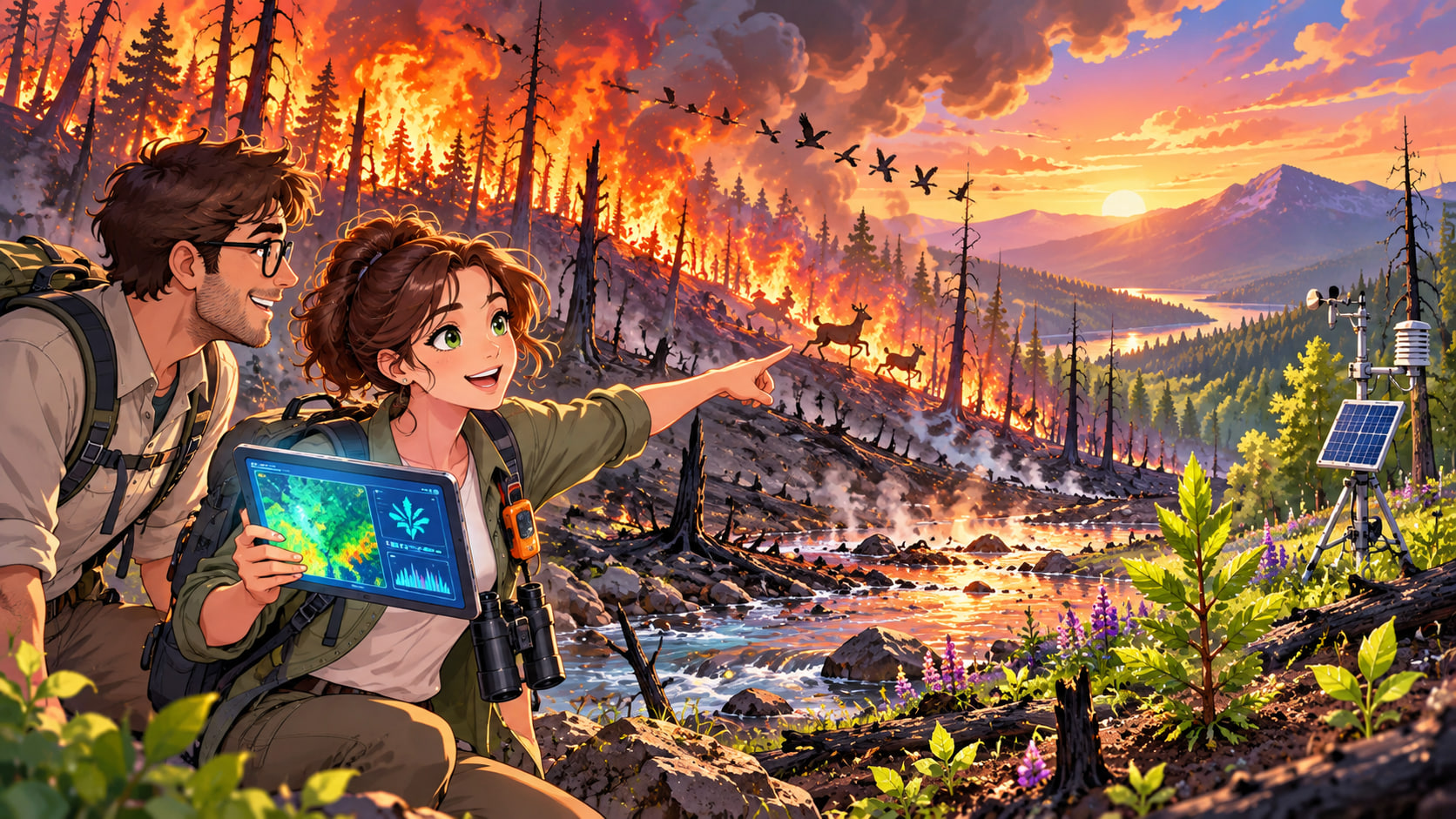
Every year, wildfires burn across forests, grasslands, and other natural landscapes, transforming enormous areas of our planet.
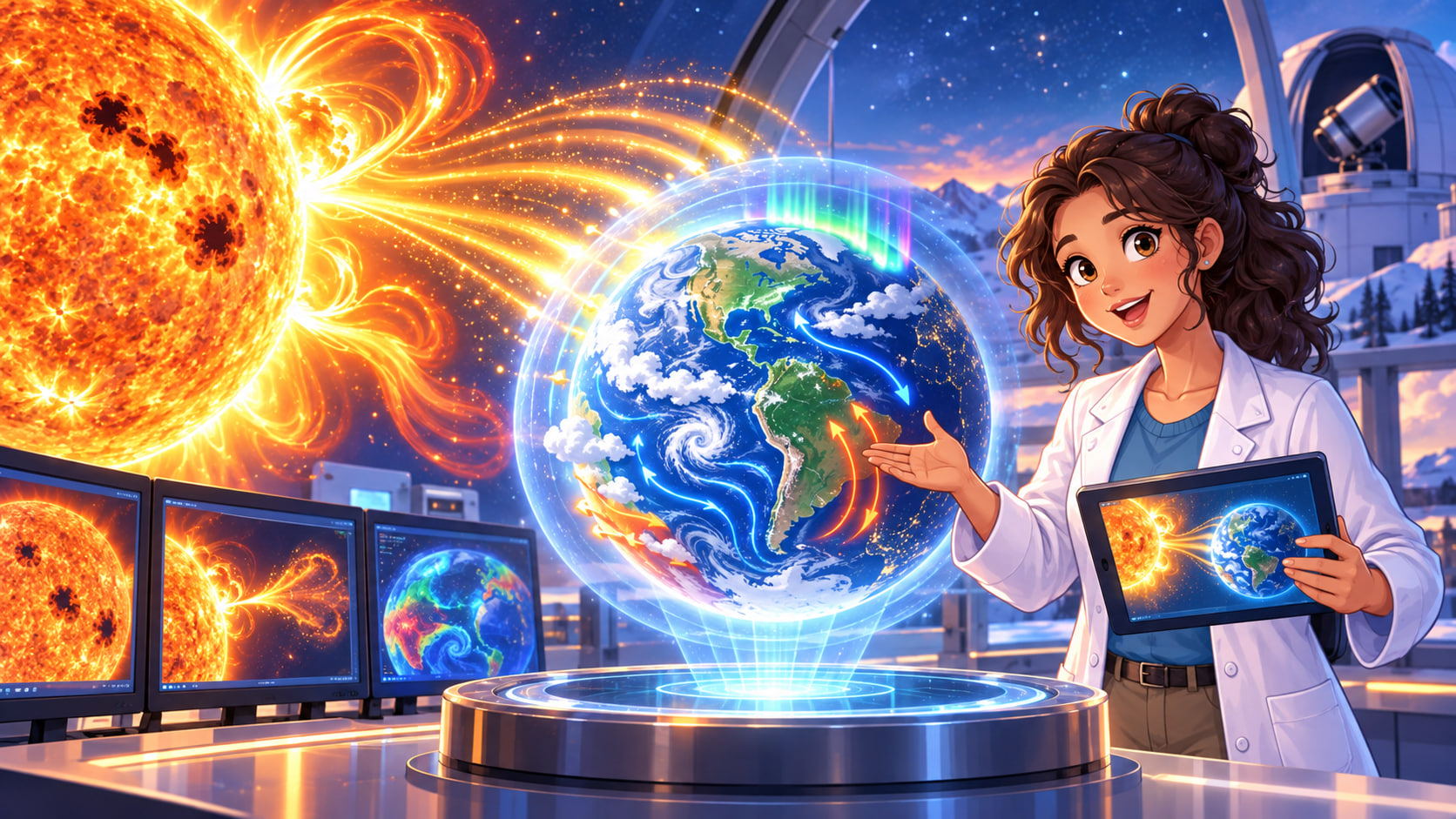
The Sun is the ultimate energy source for Earth’s climate system. Almost every weather pattern, ocean current, and ecosystem depends directly or indirectly on solar energy.
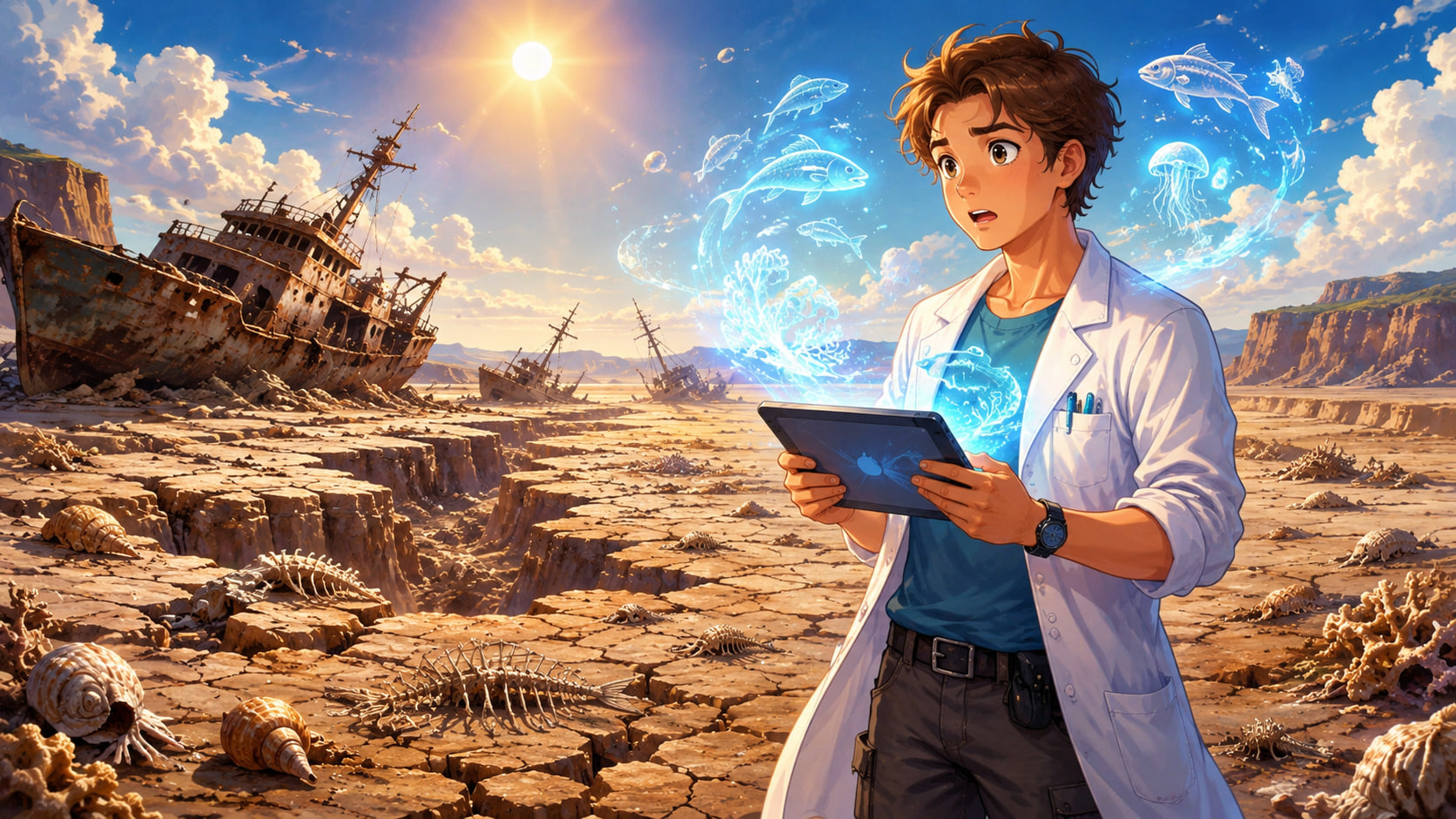
Seas and oceans are not simply giant reservoirs of water. They regulate climate, produce much of the oxygen in the atmosphere, transport heat around the planet, support vast food webs, and...
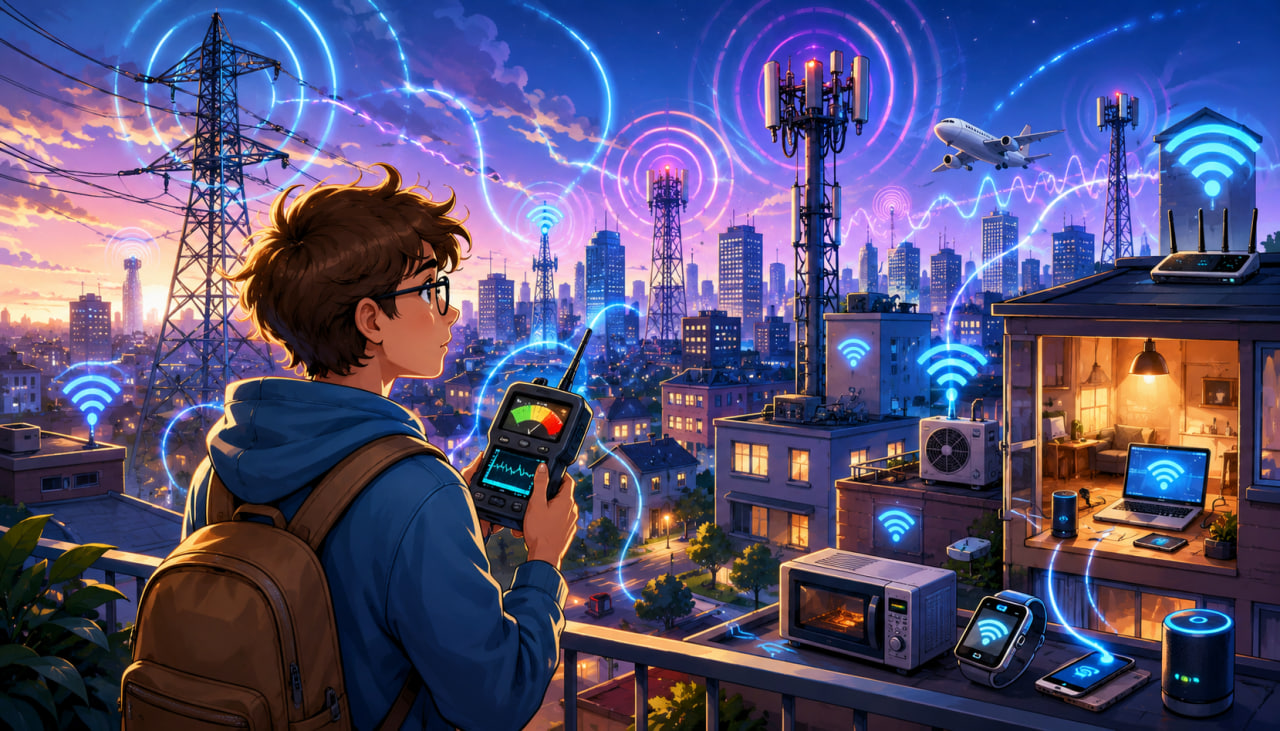
Unlike air pollution, electromagnetic smog cannot be seen, smelled, or touched. That makes it easy to misunderstand. Some people imagine it as a dangerous cloud surrounding every city.
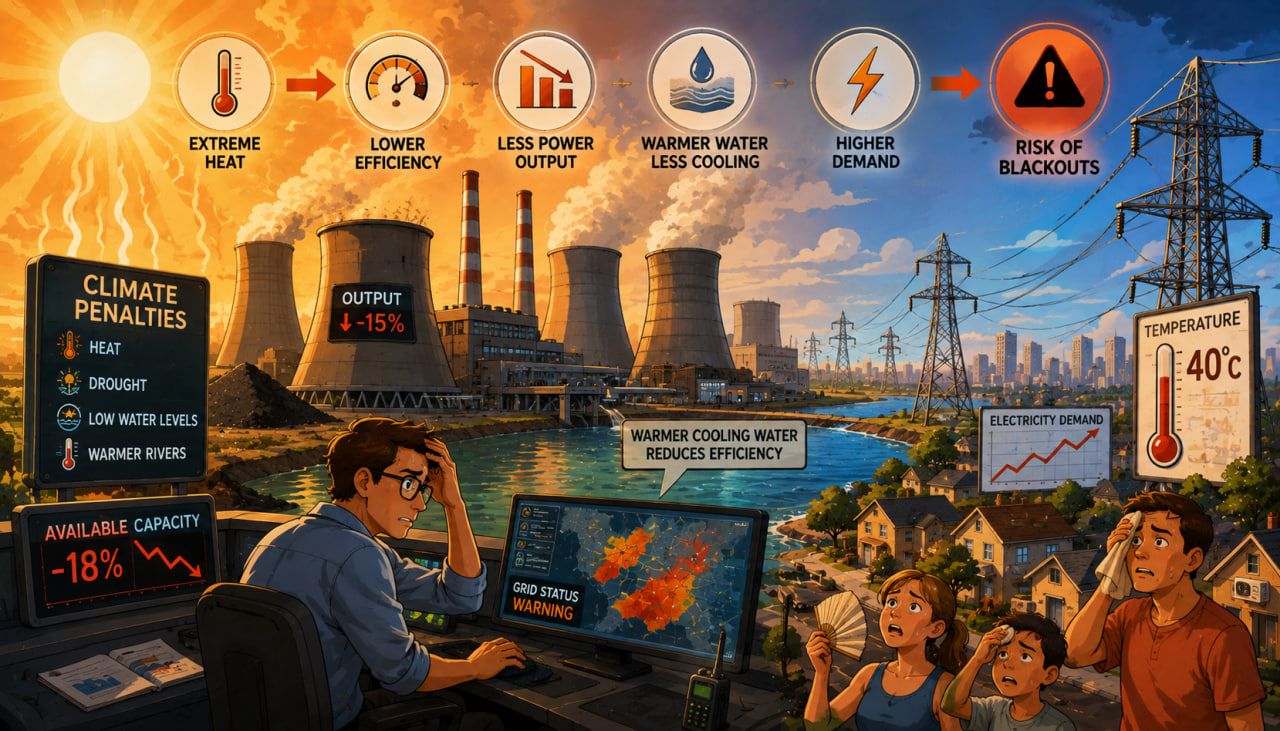
When temperatures rise, electricity demand usually rises with them. Air conditioners run harder, refrigeration systems work longer, and cities consume more power to stay livable.
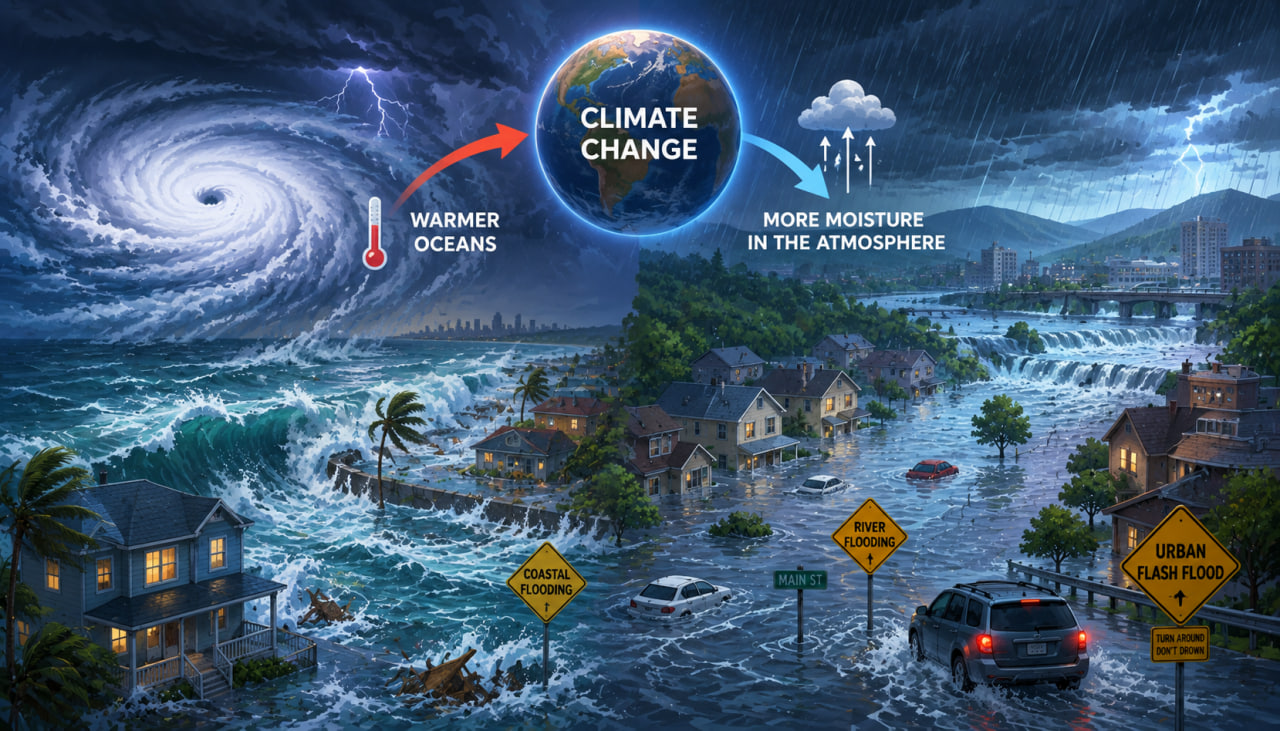
Floods and hurricanes have always been part of Earth’s weather system. Rivers overflowed long before modern cities existed.
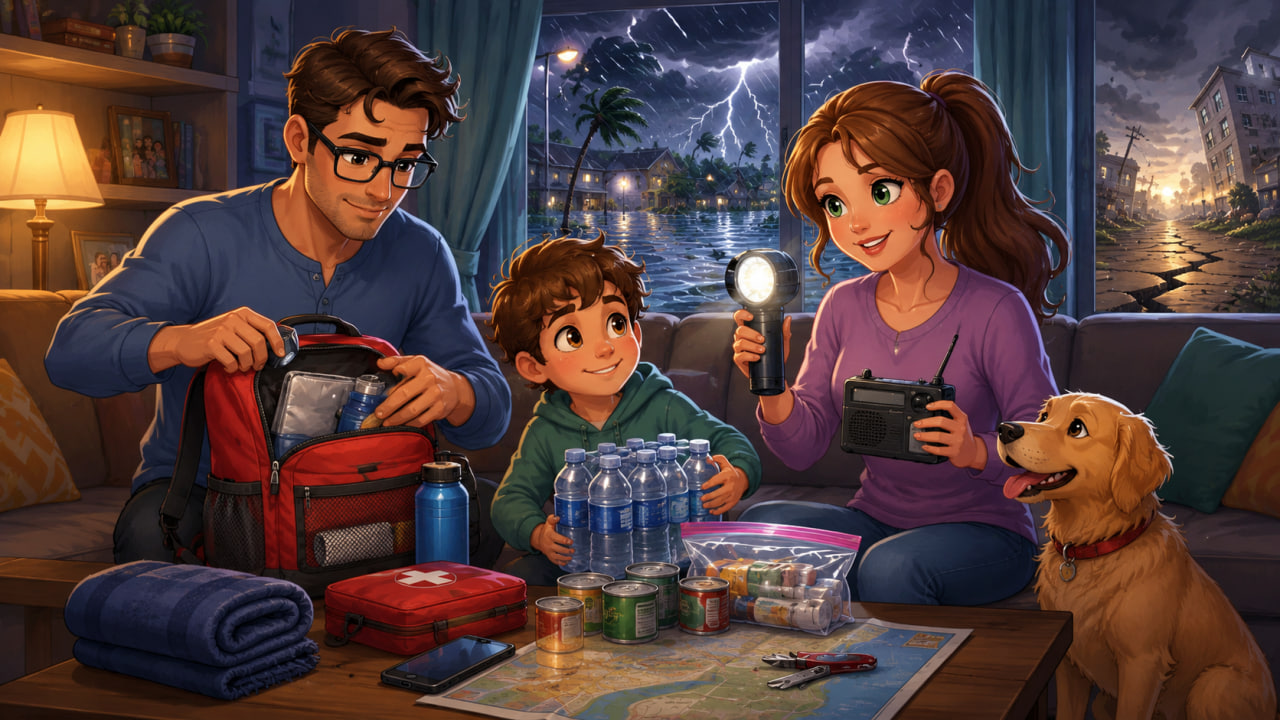
Natural disasters can develop with little warning, damage communications, interrupt electricity and water supplies, and force entire communities to evacuate.
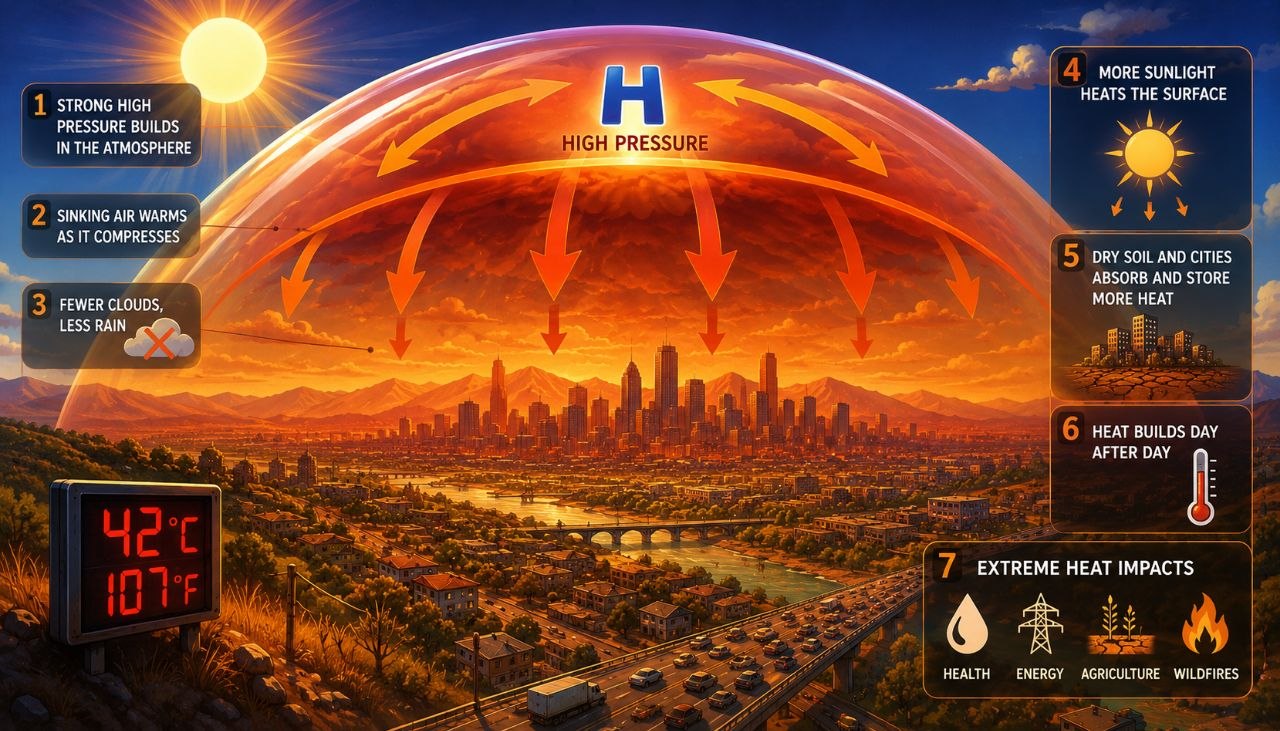
A heat dome is one of the most dangerous summer weather patterns because it can turn ordinary hot weather into a long-lasting extreme heat event.
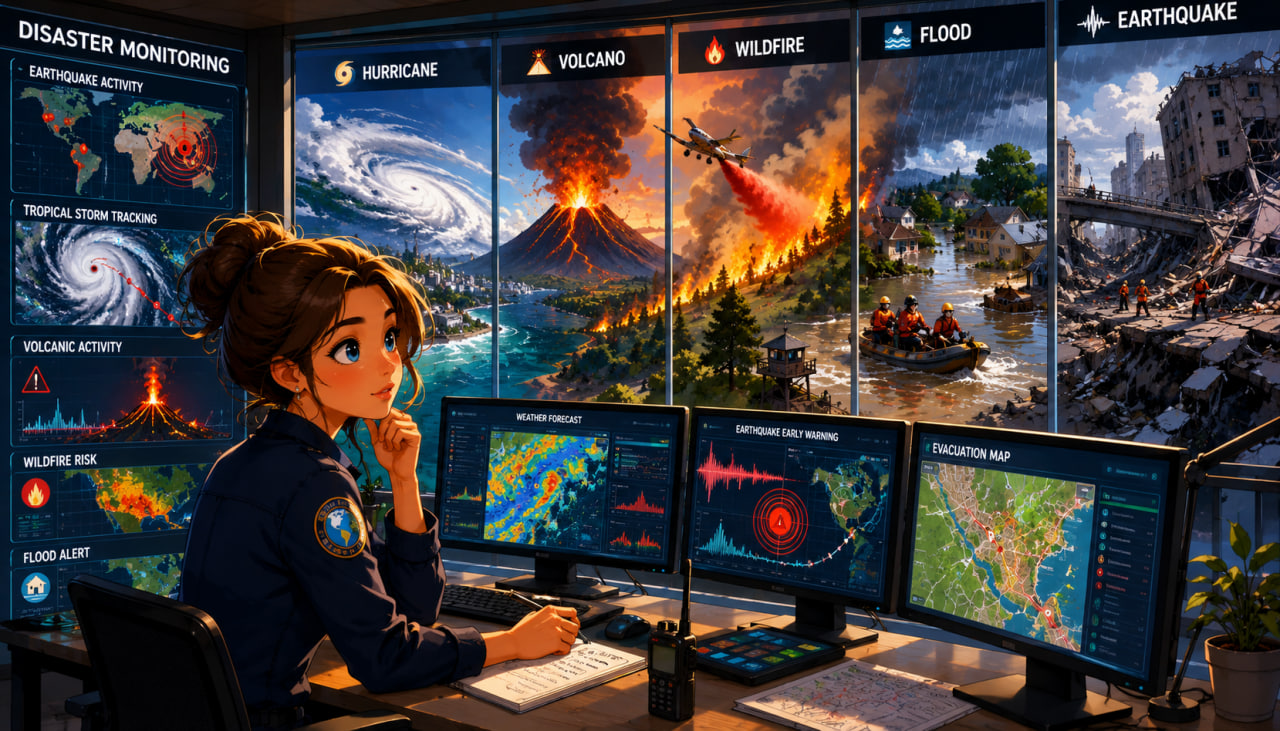
Natural disasters often seem sudden: an earthquake shakes a city, a hurricane changes direction, a wildfire spreads overnight, or a volcano erupts after weeks of unrest.