
How Global Warming Influences Epidemics: Climate Change, Infections, and Public Health Risks
Global warming is usually discussed through heatwaves, melting glaciers, droughts, wildfires, and rising sea levels.
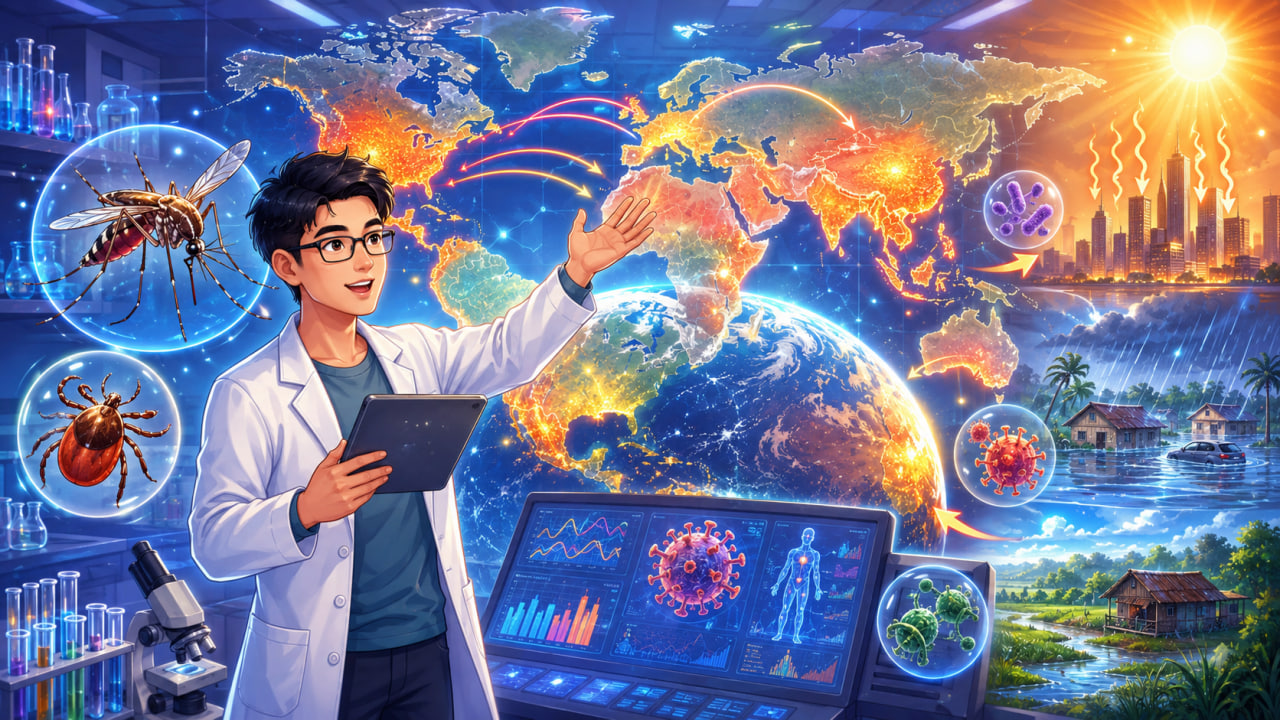
Global warming is usually discussed through heatwaves, melting glaciers, droughts, wildfires, and rising sea levels.
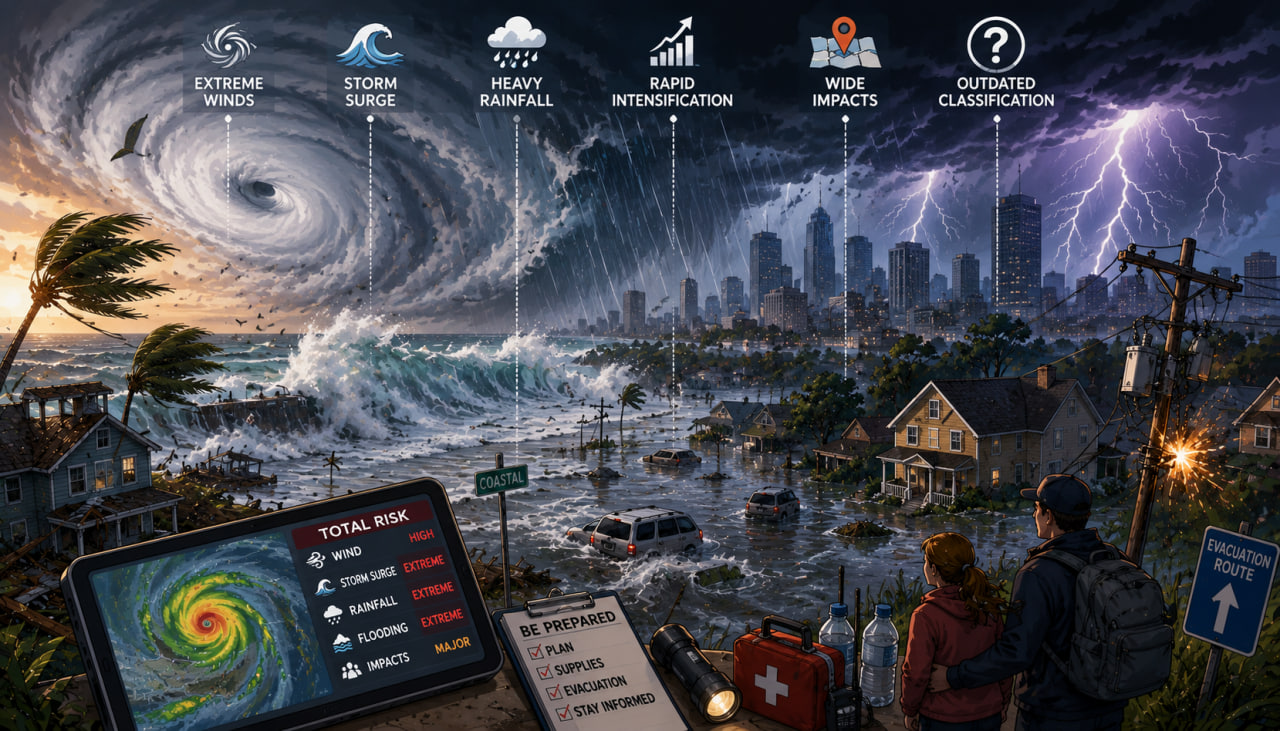
The word superstorm is not a strict scientific category like “Category 4 hurricane” or “tropical cyclone.
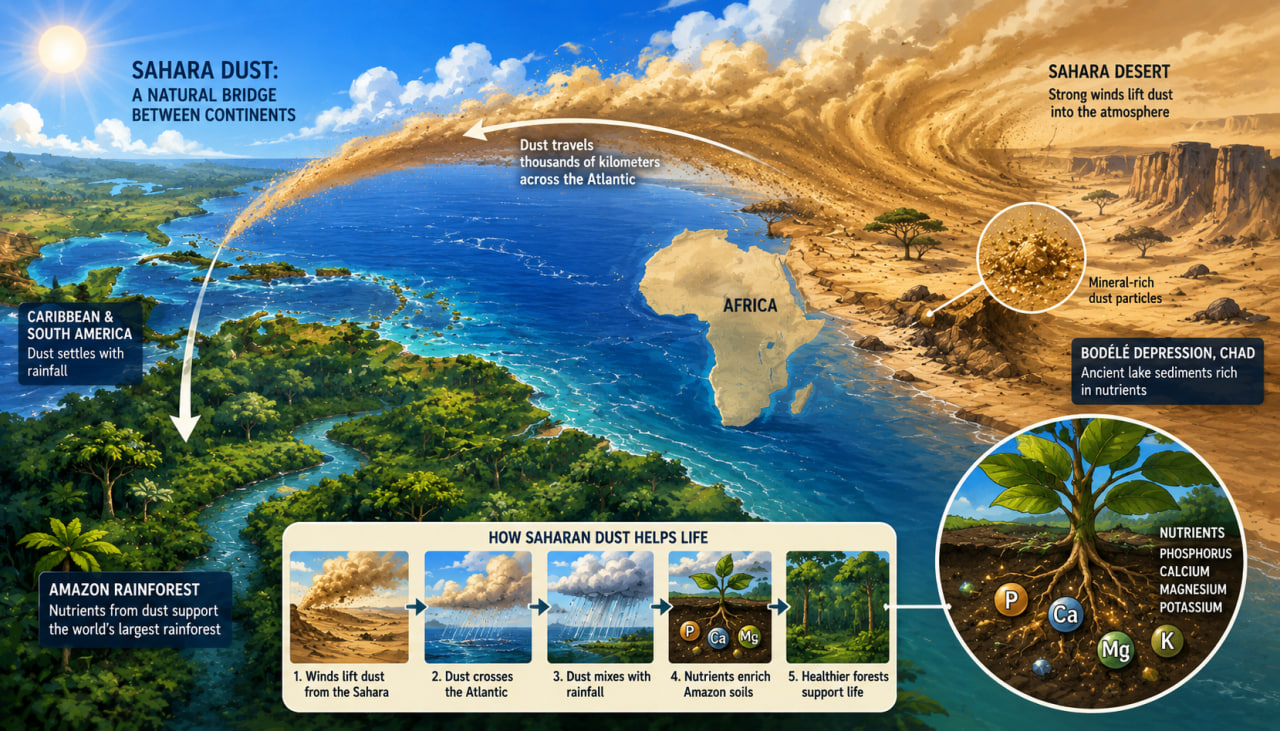
The Sahara Desert is often imagined as a vast, lifeless landscape of endless sand dunes and scorching temperatures.
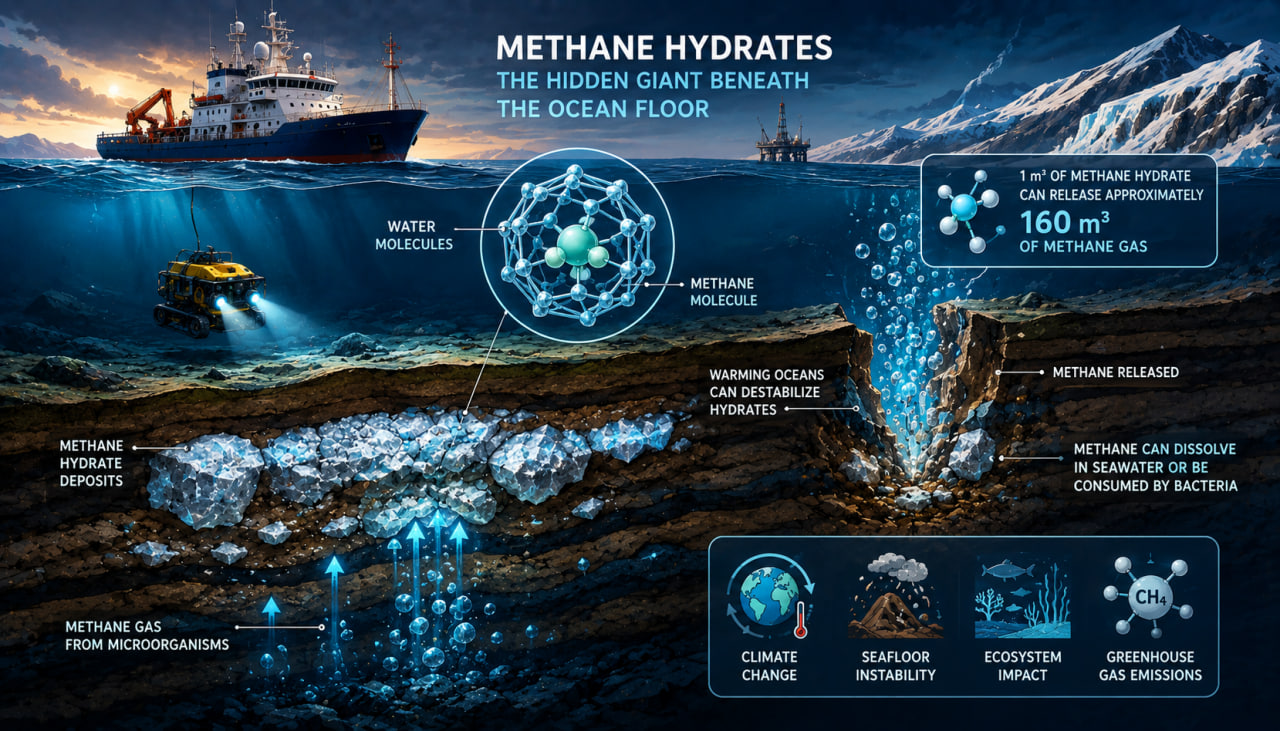
Far below the ocean's surface, beneath layers of sediment and icy cold seawater, lies one of Earth's largest hidden carbon reservoirs—methane hydrates.

Earthquakes are among the most destructive natural disasters on Earth. Unlike hurricanes or floods, they often strike without warning, releasing enormous amounts of energy in just a few seconds.
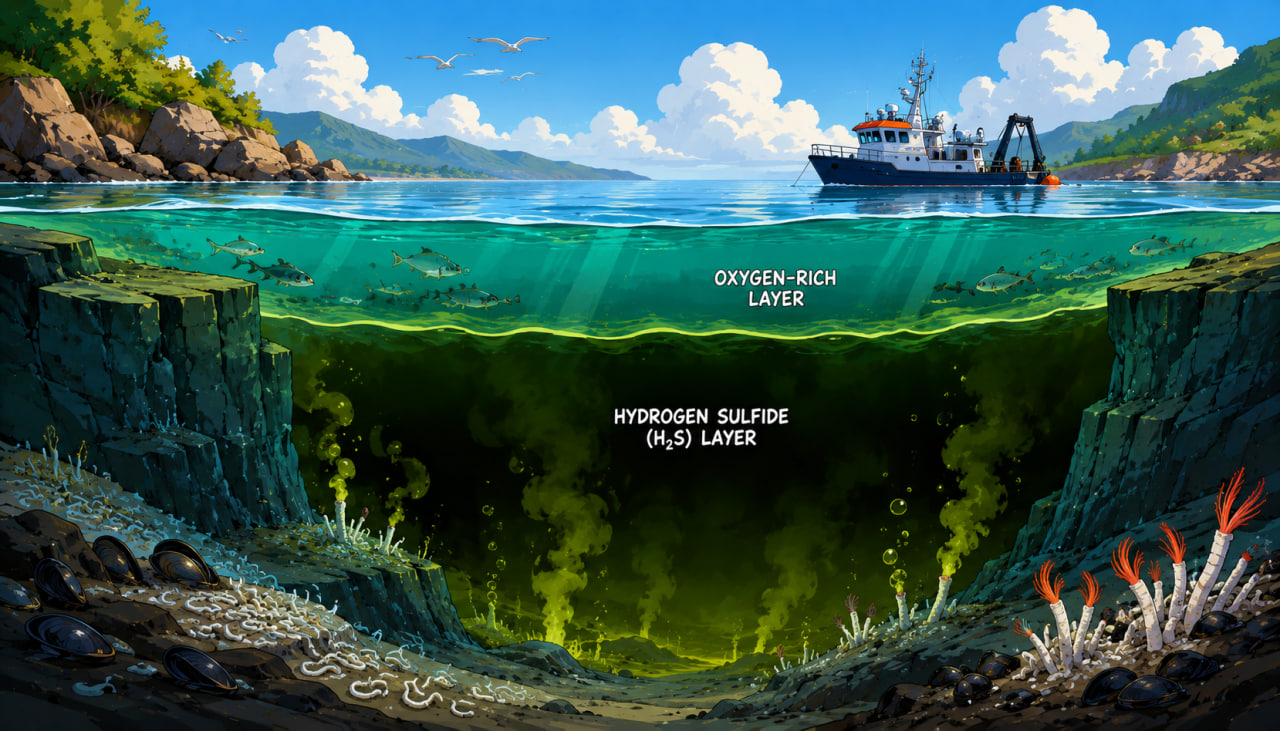
Although Earth's oceans are usually associated with abundant marine life and oxygen-rich waters, not all aquatic environments are hospitable.
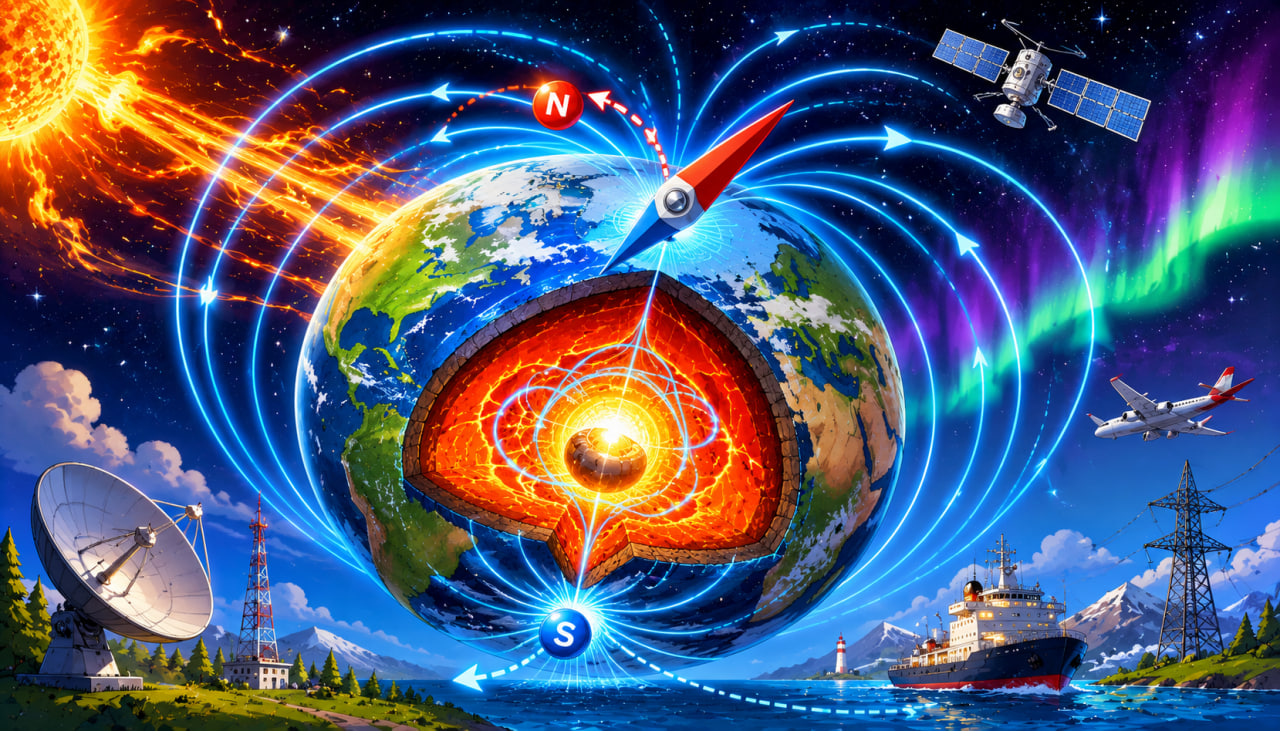
Earth's magnetic field is one of the planet's most remarkable natural features. Invisible yet essential, it protects life from harmful solar radiation, guides migratory animals across...
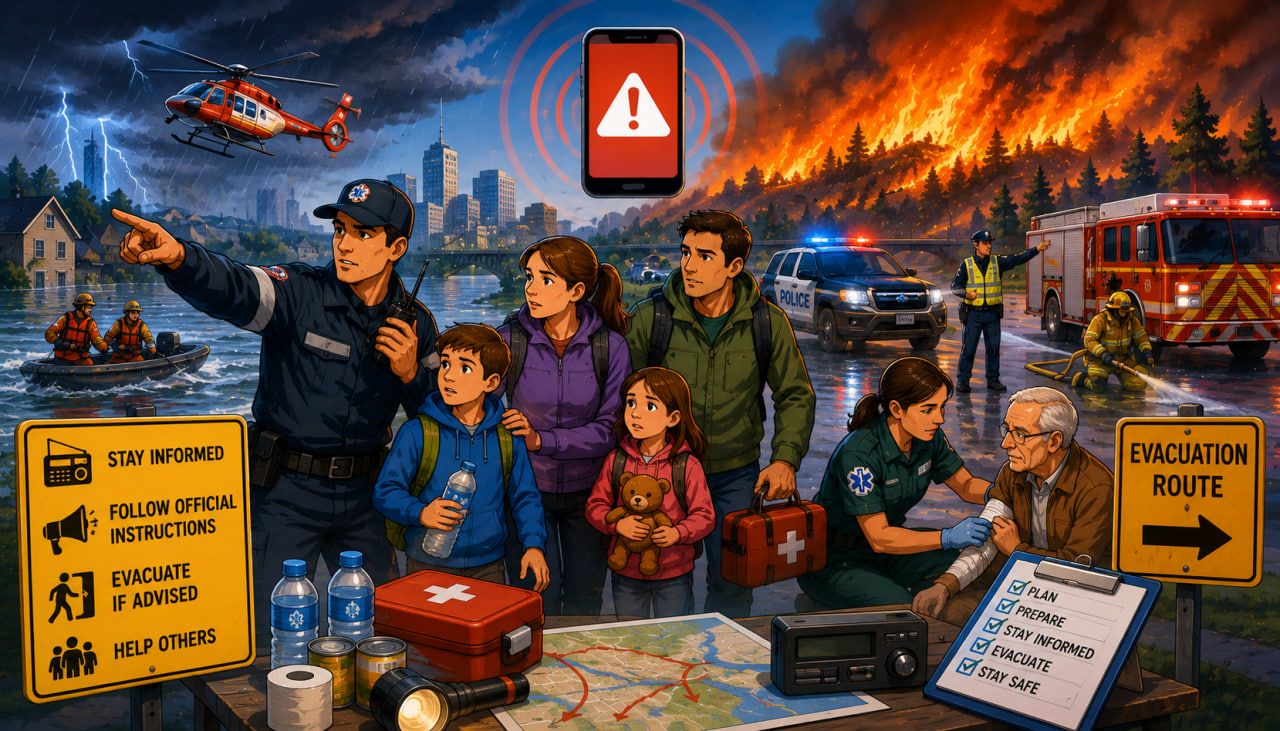
Natural disasters, pandemics, large-scale industrial accidents, armed conflicts, and other major crises can overwhelm the normal capabilities of governments and emergency services.
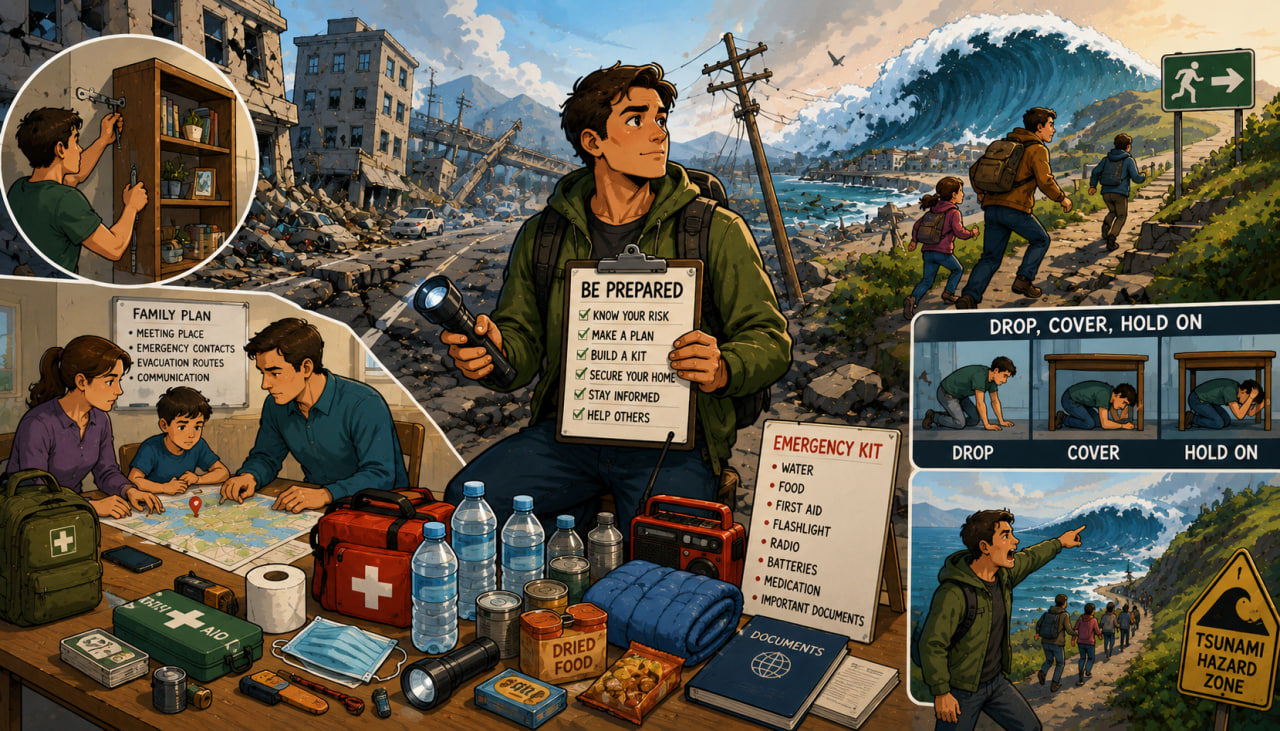
Mega-earthquakes are among the most powerful natural disasters on Earth. Unlike ordinary earthquakes, they can release enormous amounts of energy, trigger tsunamis, destroy infrastructure...
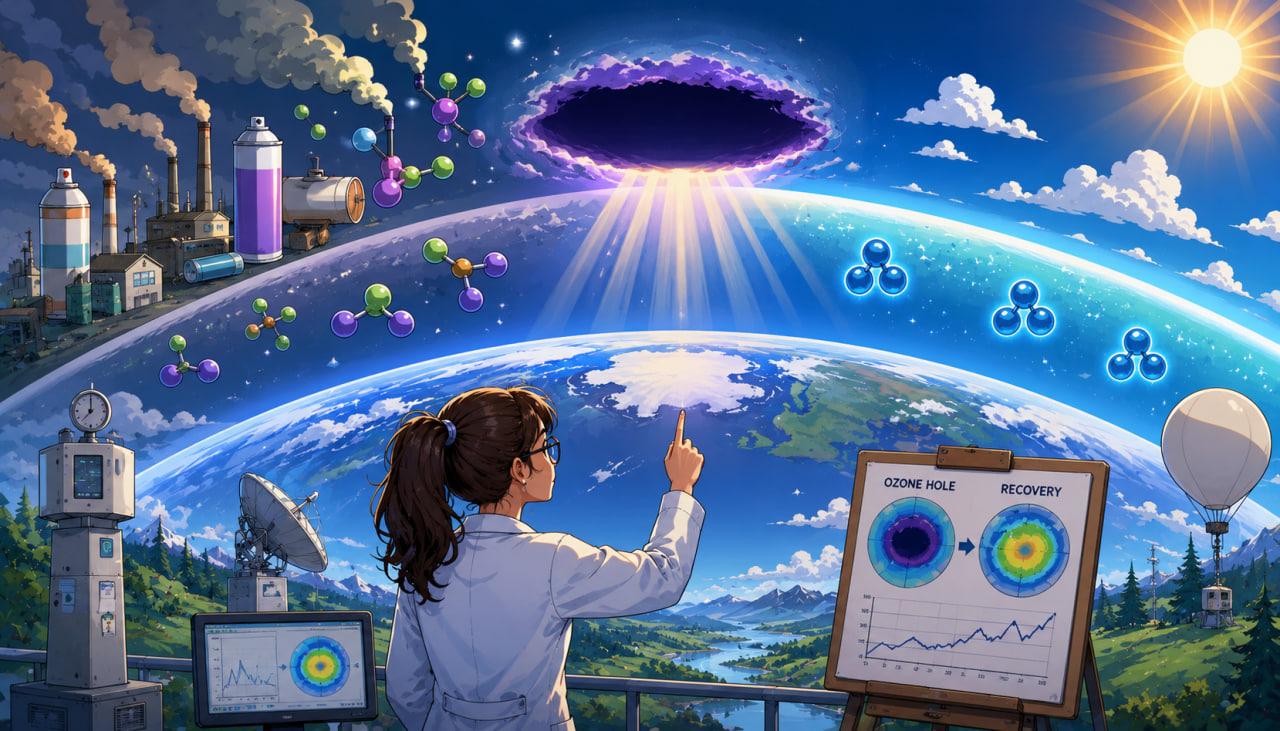
In the 1980s and 1990s, the ozone hole was one of the most widely discussed environmental threats on Earth.