
Ecosystem Restoration: Can Nature Heal Itself?
Nature has an extraordinary capacity for recovery, often surprising scientists with its ability to rebound after disturbance.
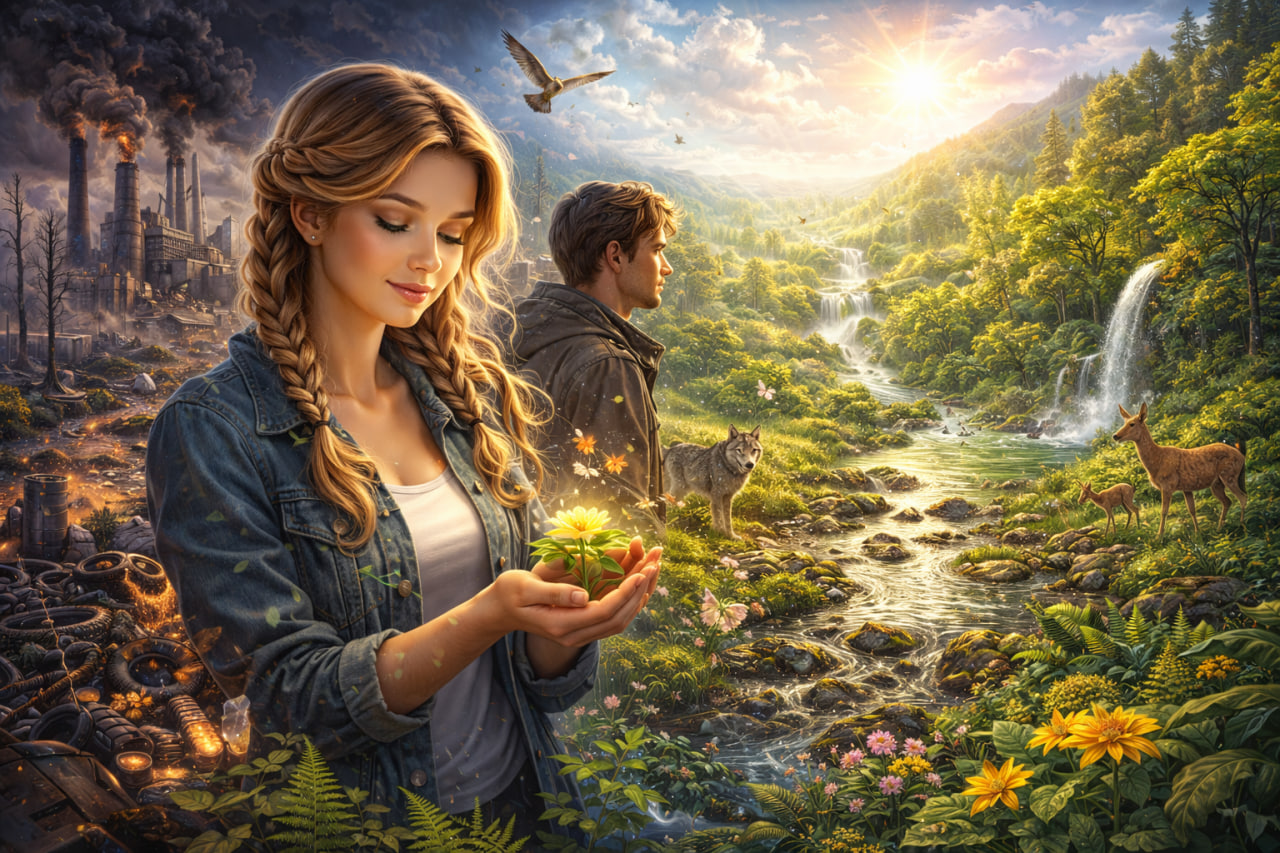
Nature has an extraordinary capacity for recovery, often surprising scientists with its ability to rebound after disturbance.

Feeding a growing global population is one of the greatest challenges of the 21st century.

Earthquake-resistant buildings are designed to withstand ground shaking and reduce damage during seismic events.
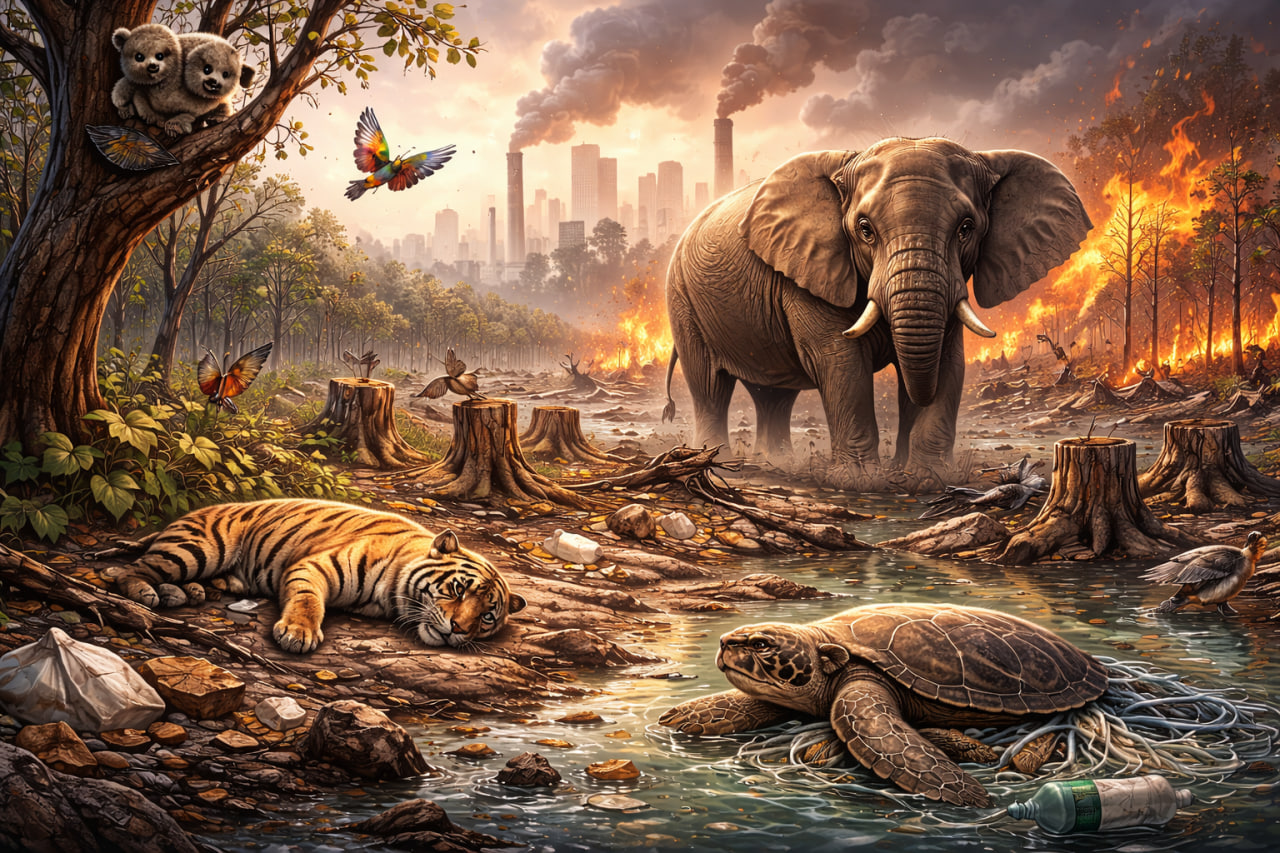
The sixth mass extinction refers to the ongoing and rapid loss of biodiversity occurring on Earth today.
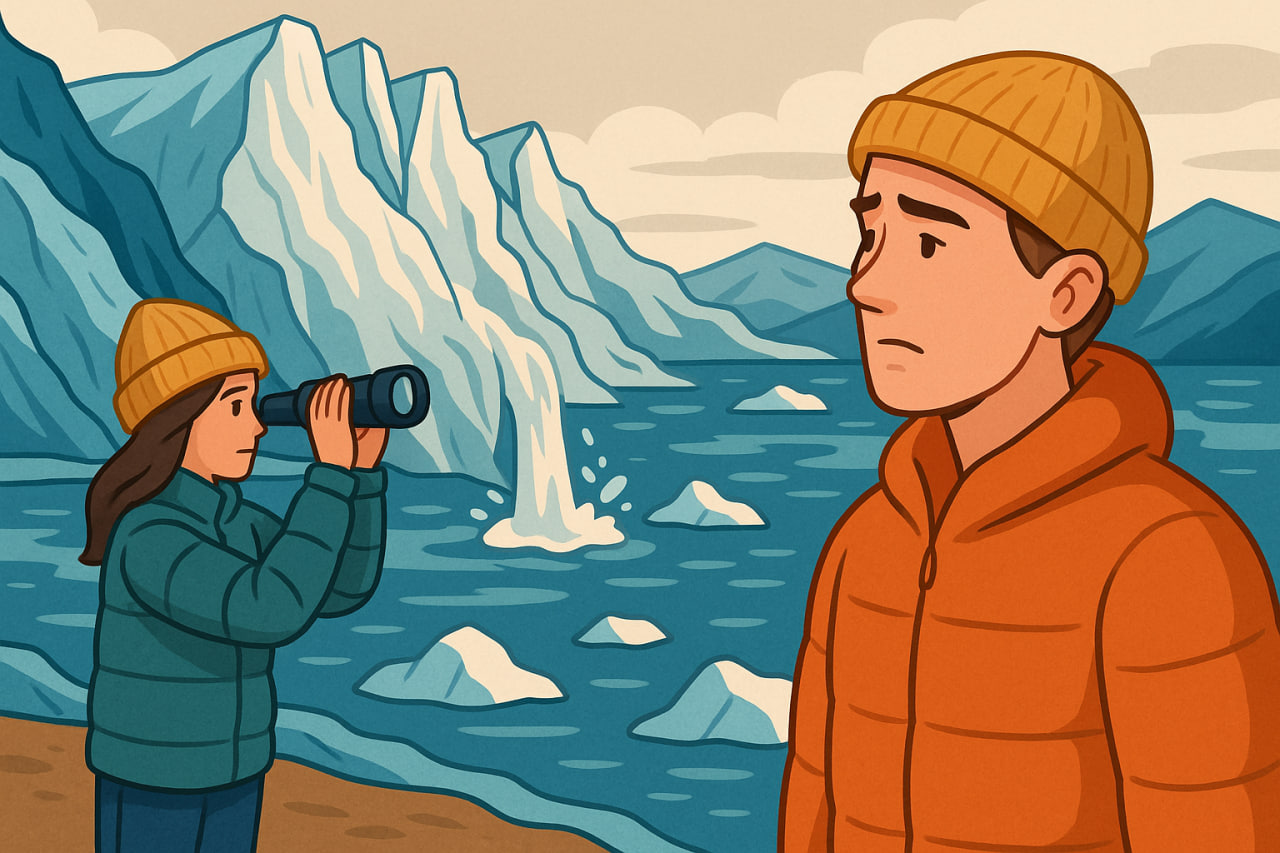
Over the past century, glaciers around the world have been melting at an accelerating rate.
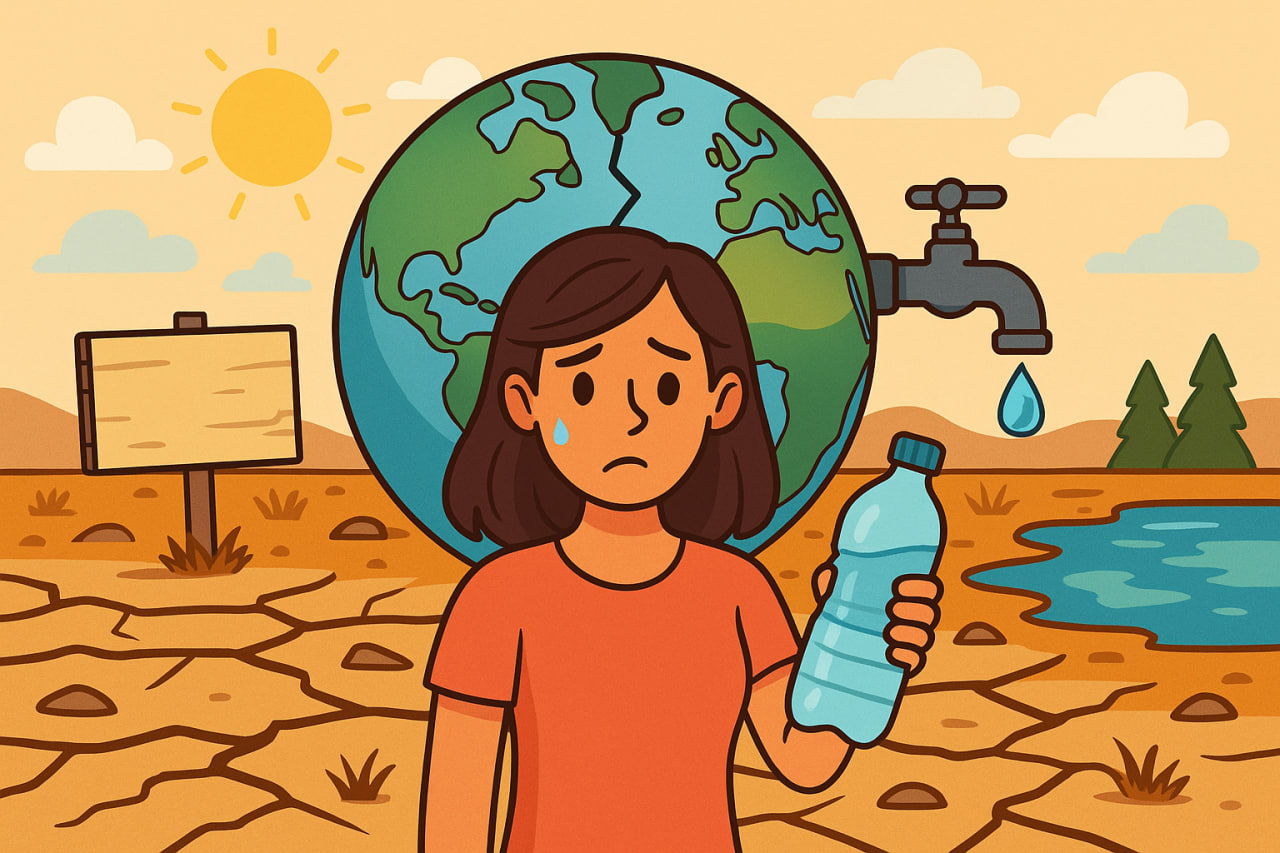
The world is facing one of the most urgent environmental and humanitarian challenges of the 21st century — the growing shortage of safe drinking water.
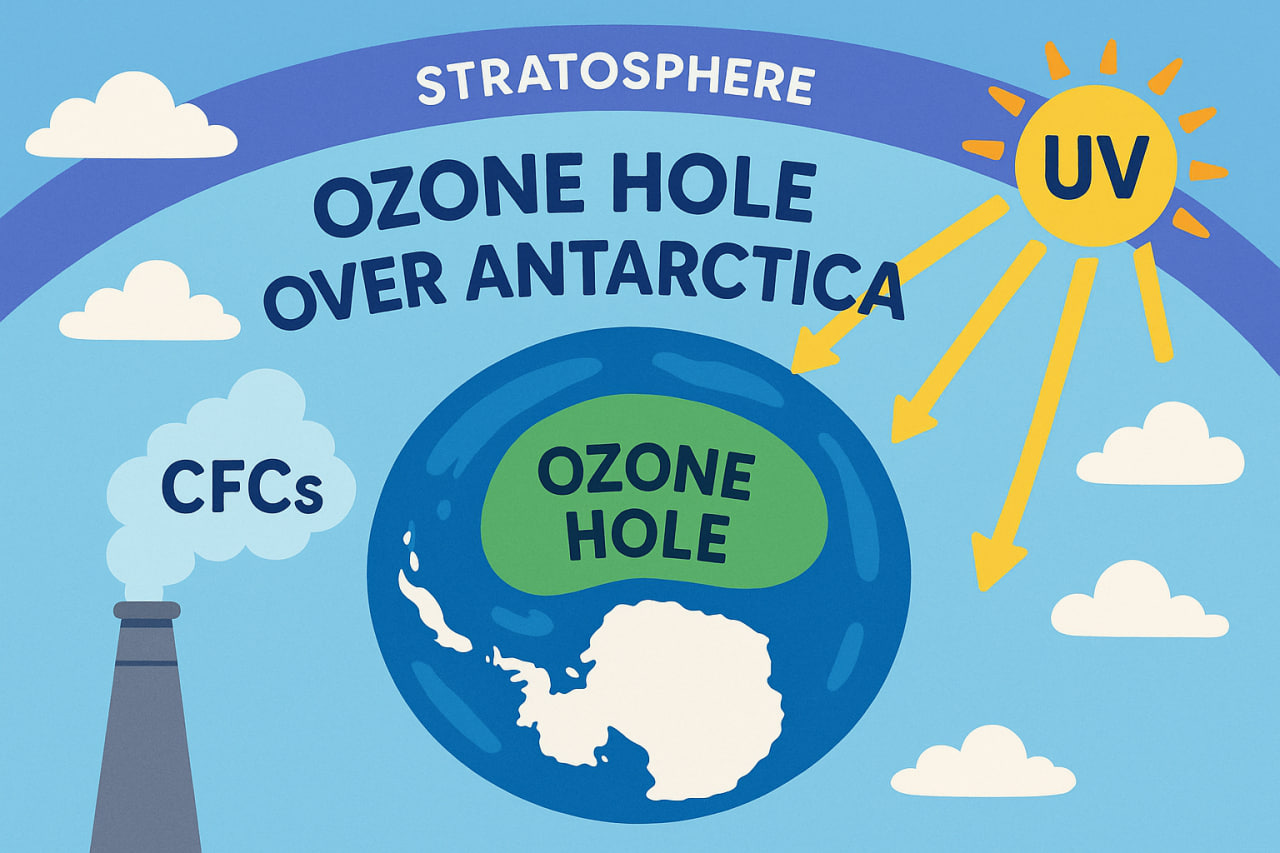
The ozone hole over Antarctica is one of the most significant environmental issues ever identified, revealing how human activity can affect the planet’s protective atmospheric layers.
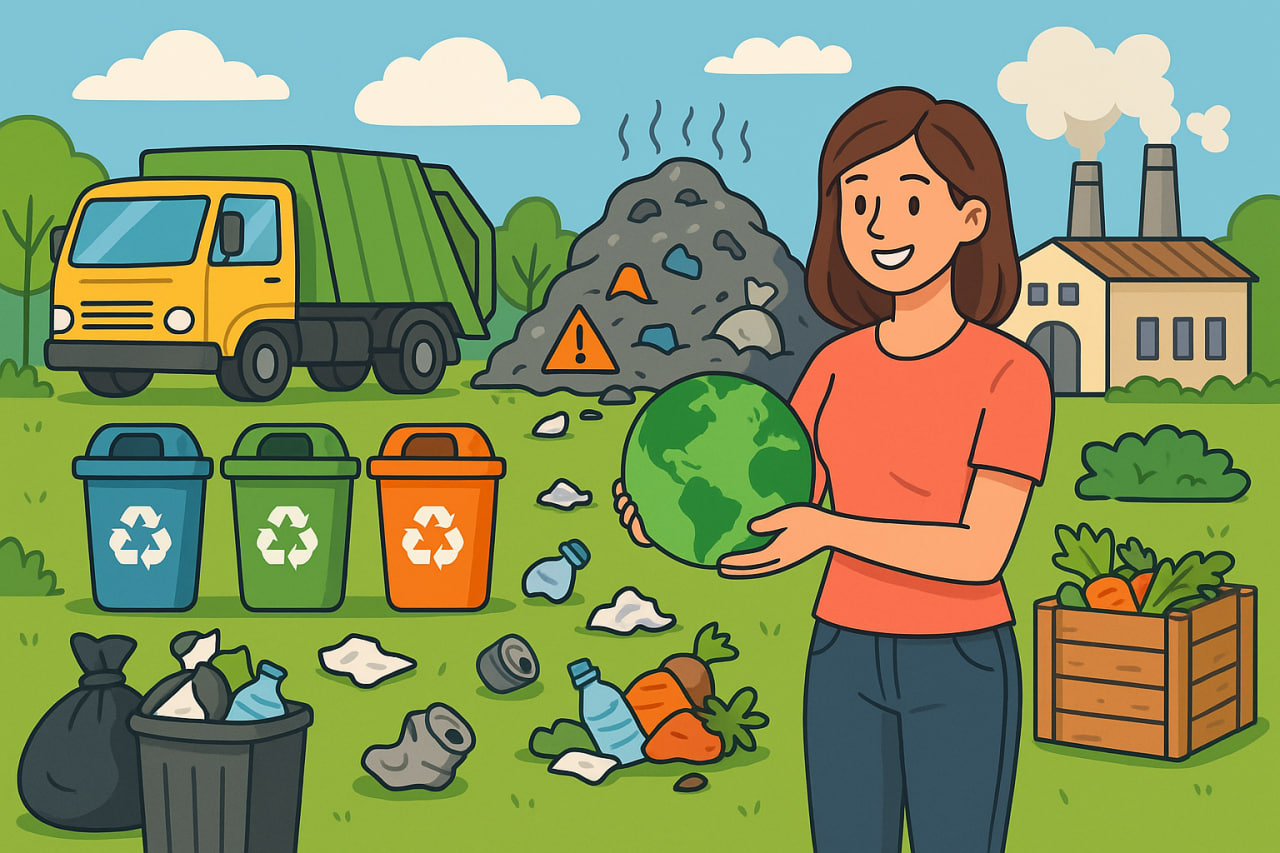
The world is facing a rapidly growing waste crisis, driven by population growth, consumer culture, urbanization, and the rise of disposable products.
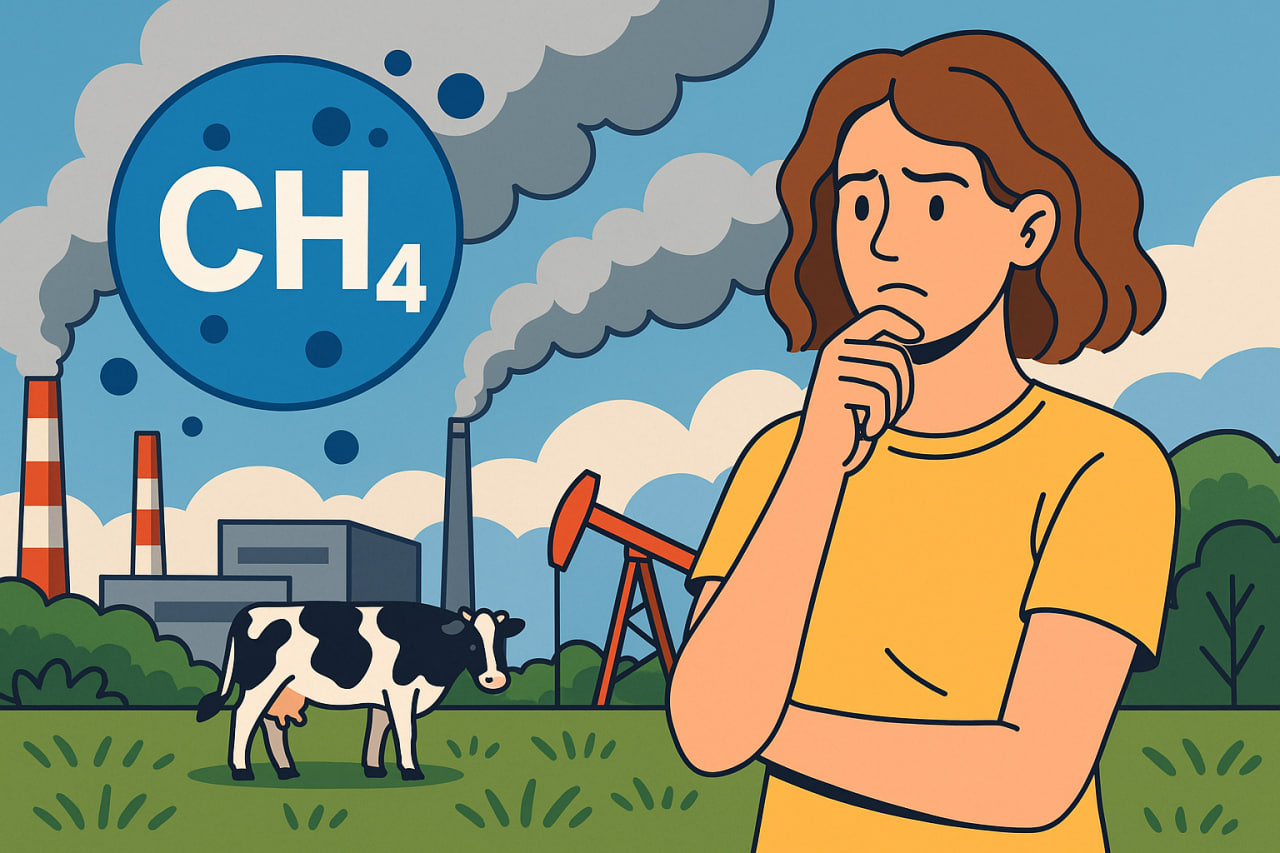
Methane (CH₄) is one of the most influential greenhouse gases in Earth’s atmosphere, playing a major role in climate regulation and global warming.
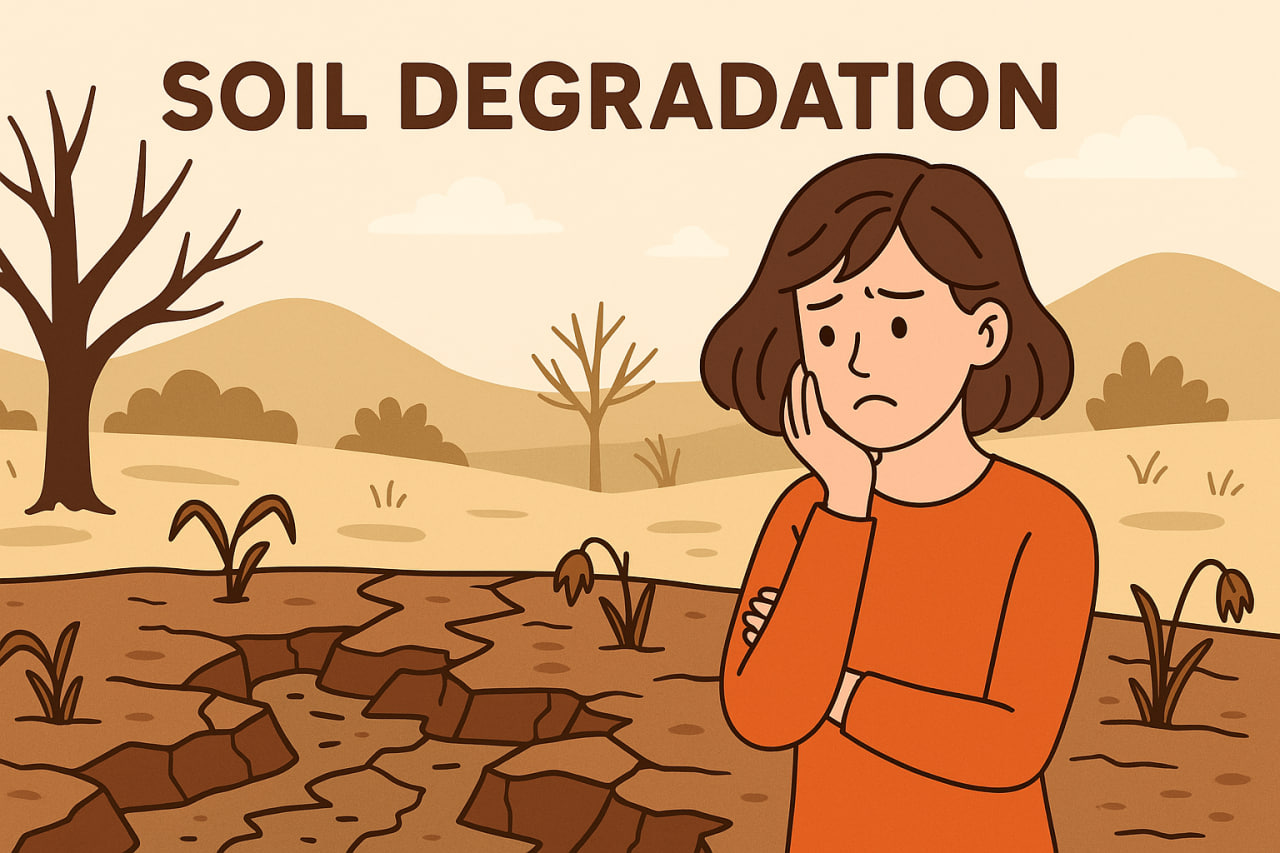
Soil degradation is one of the most critical environmental challenges of the modern world, affecting ecosystems, agriculture, water resources, and long-term sustainability.