
The Global Ecological Crisis: Causes, Consequences, and What Humanity Must Do Next
The global ecological crisis is one of the most urgent and complex challenges facing humanity today.
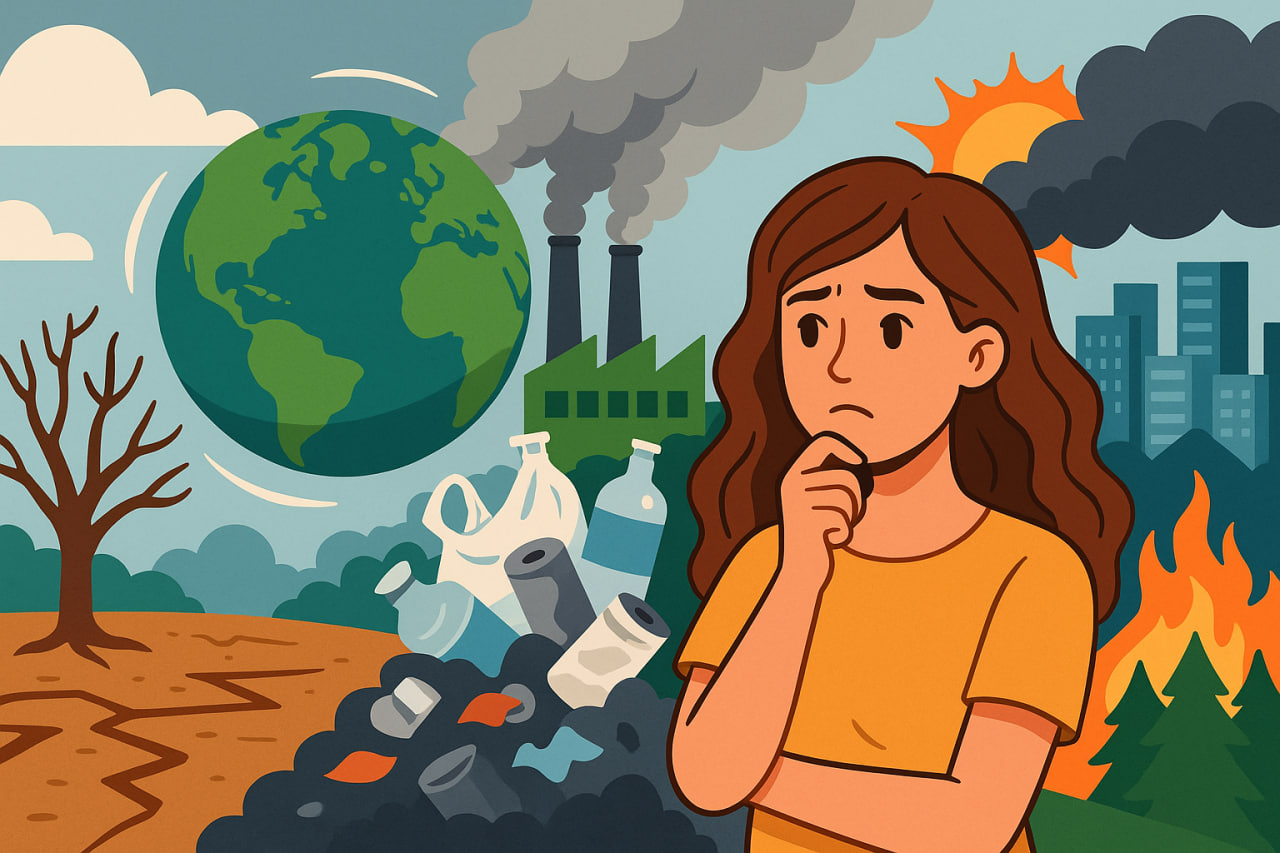
The global ecological crisis is one of the most urgent and complex challenges facing humanity today.
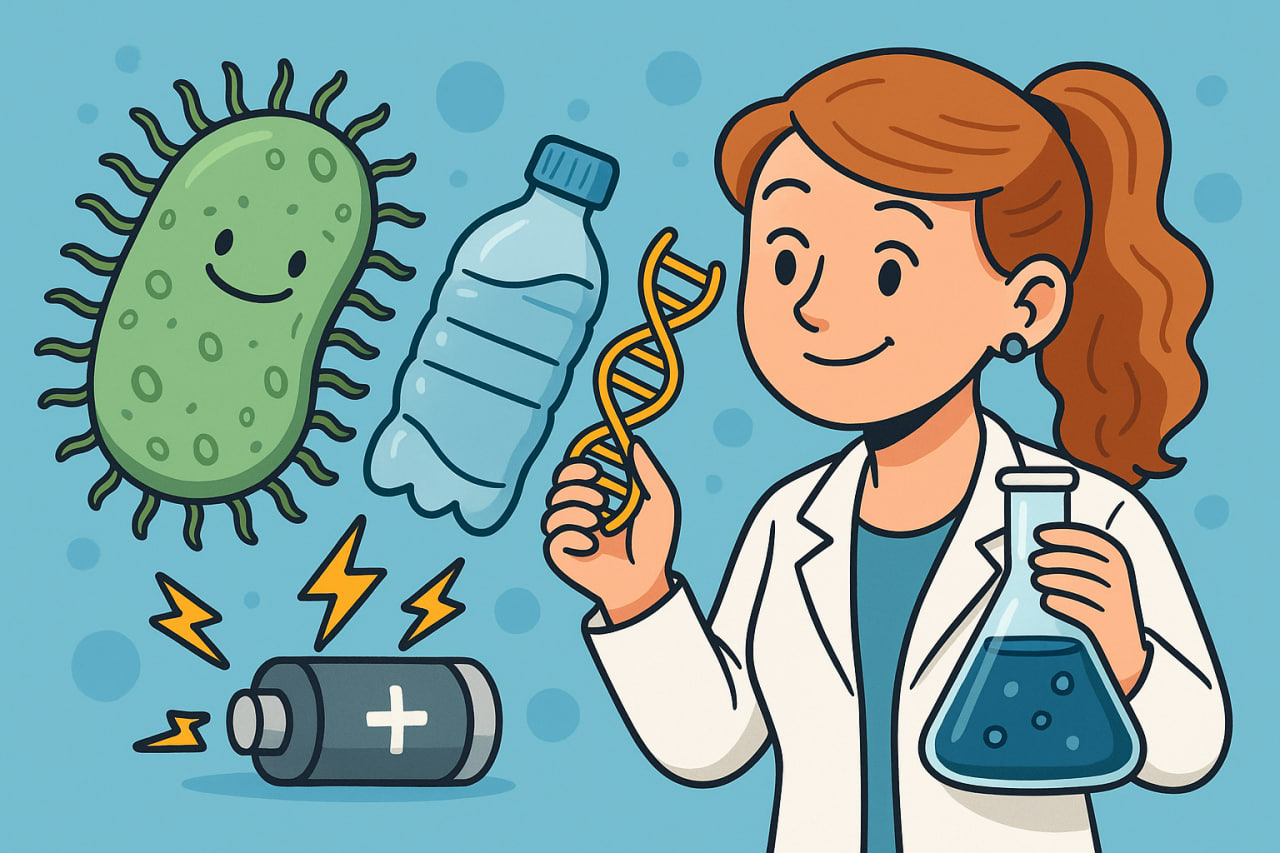
Plastic pollution is one of the biggest environmental challenges of the 21st century.
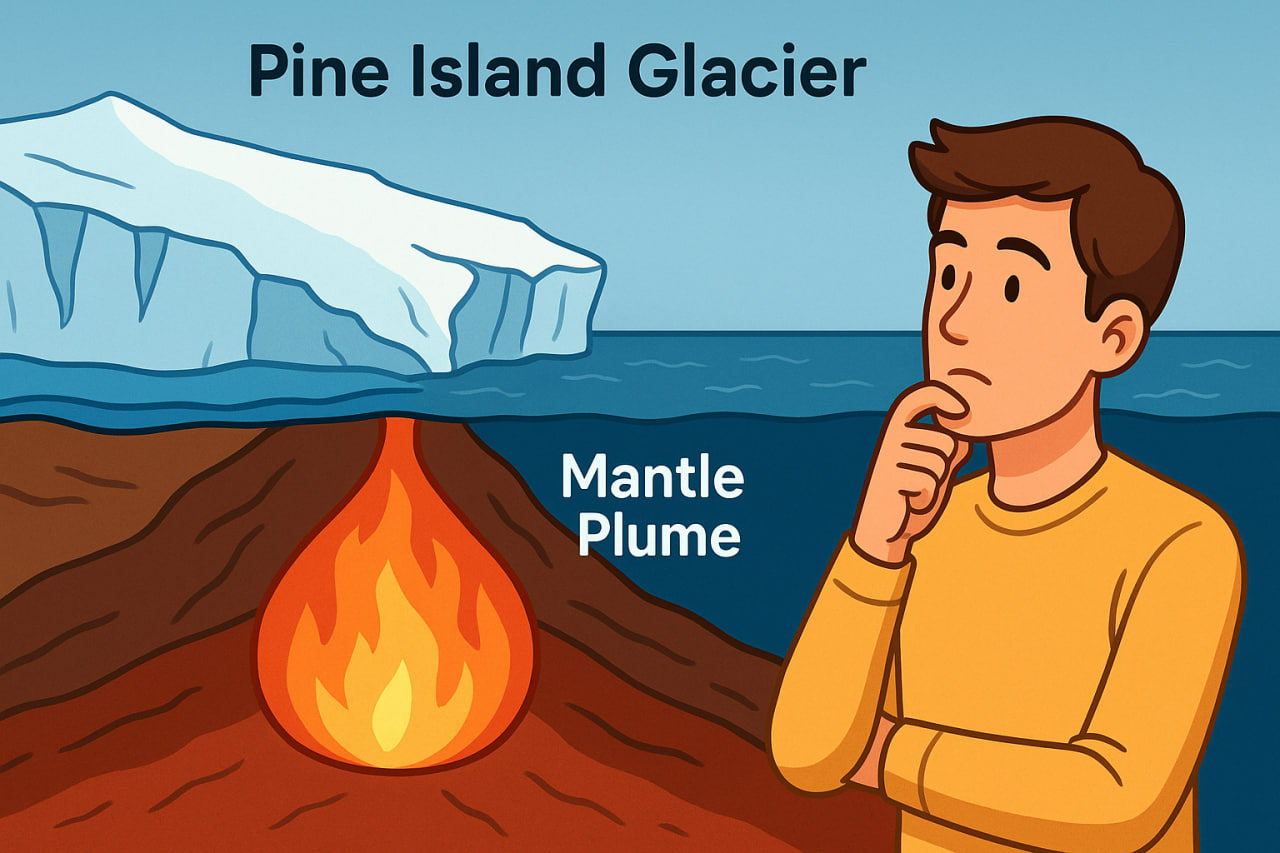
The Pine Island Glacier, located in the remote Amundsen Sea sector of West Antarctica, is one of the fastest-melting and most closely monitored glaciers on the planet.
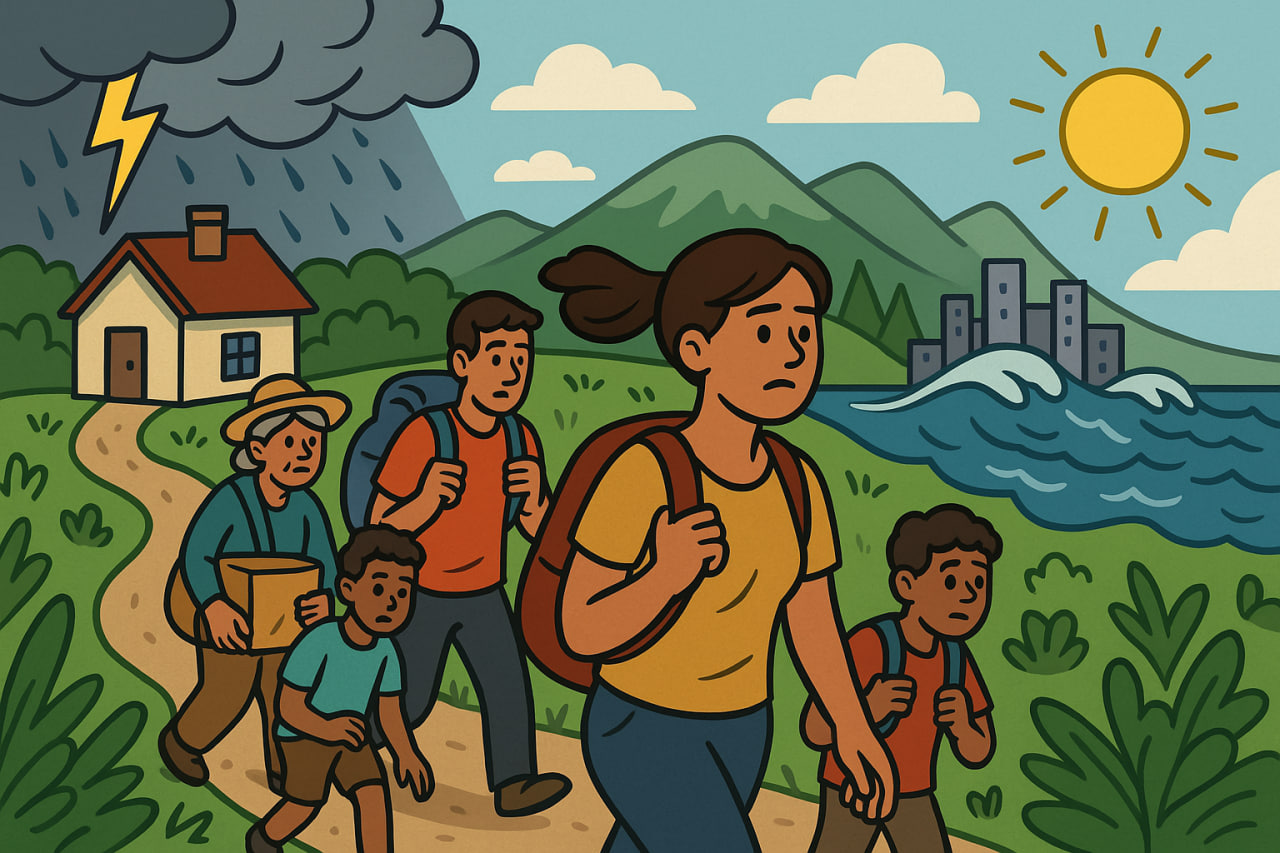
Climate migration refers to the movement of people driven by the impacts of climate change — rising sea levels, extreme weather, droughts, heatwaves, and ecological degradation.

Solar geoengineering, also known as solar radiation management (SRM), refers to a set of proposed technologies aimed at cooling the Earth by reflecting a portion of incoming sunlight back...
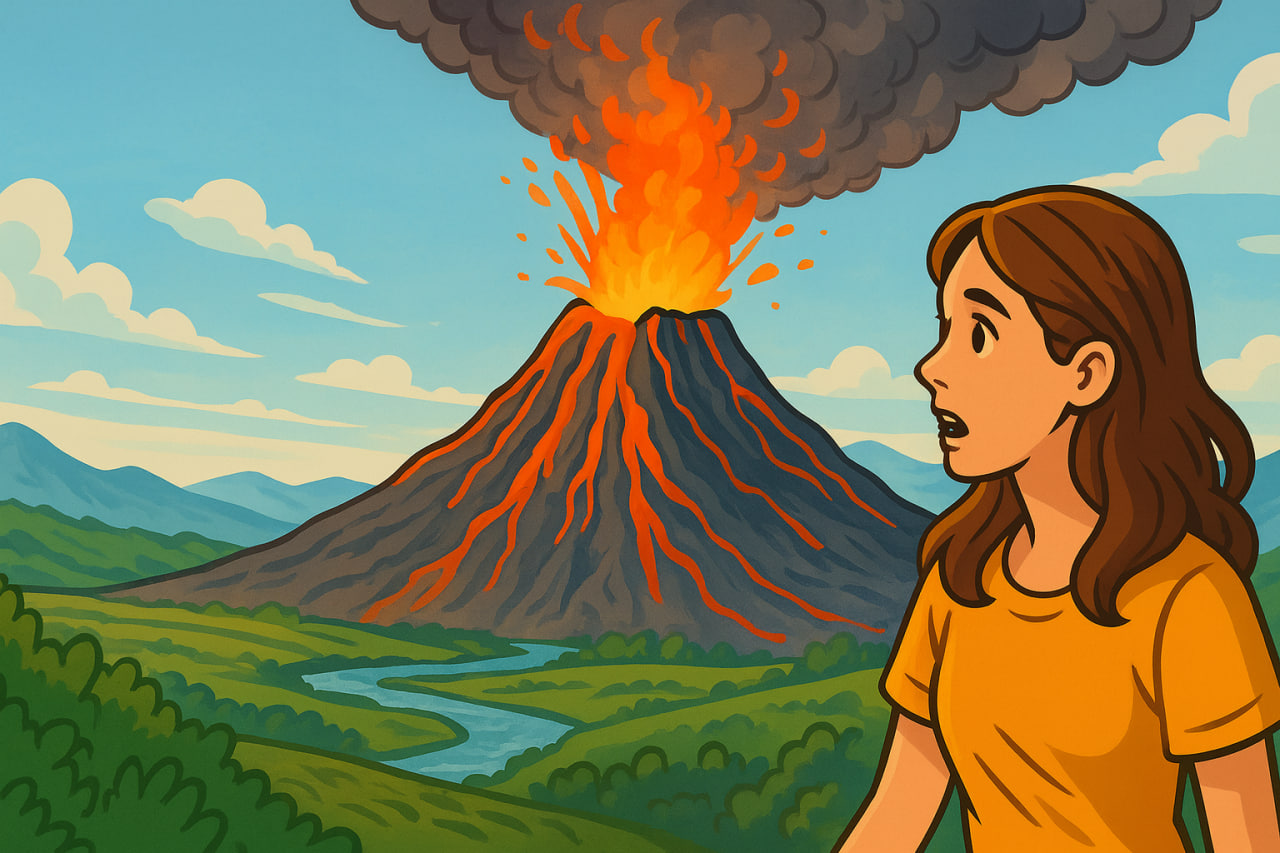
Supervolcanoes are among the most powerful natural forces on the planet, capable of releasing thousands of times more material than typical volcanic eruptions.
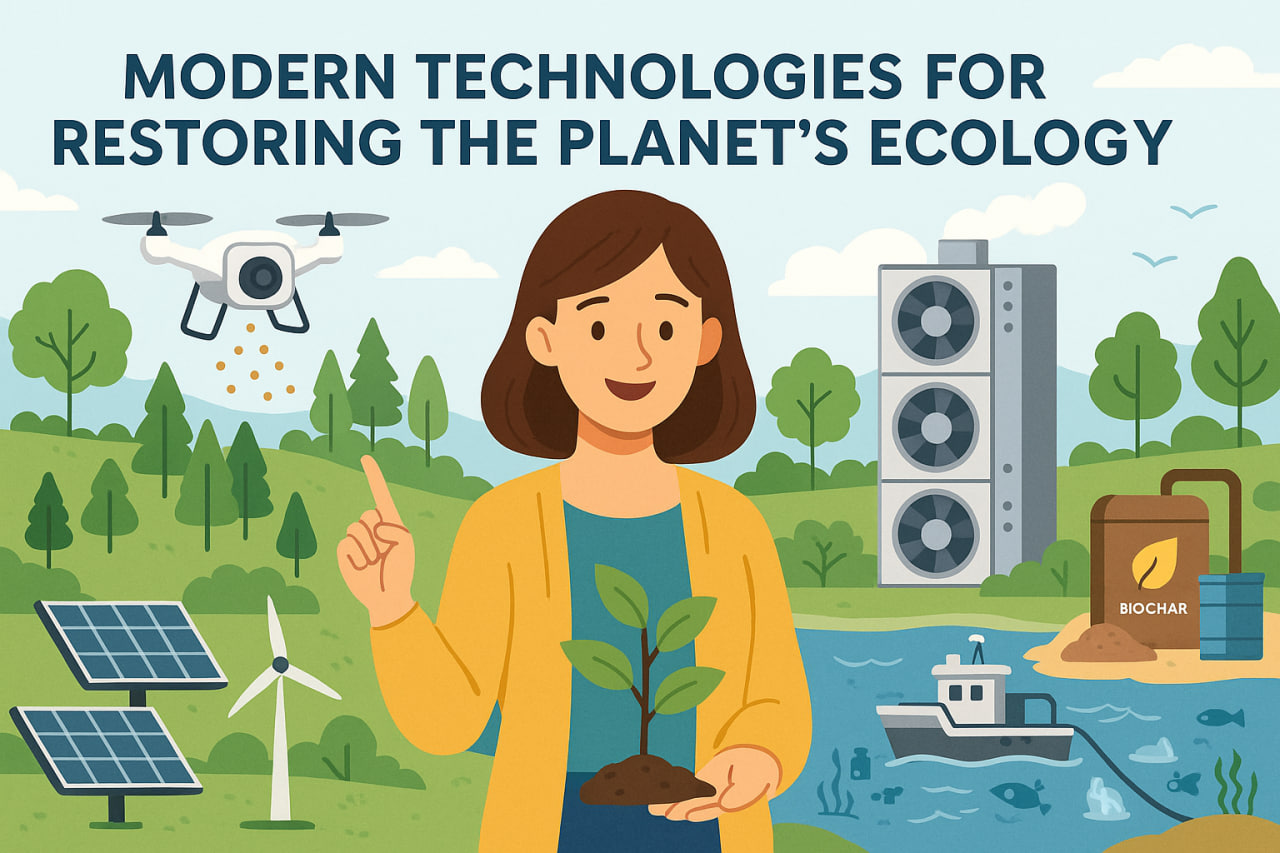
Modern ecological restoration relies not only on conservation efforts but also on advanced technologies designed to repair damaged ecosystems and reduce the impact of human activity.
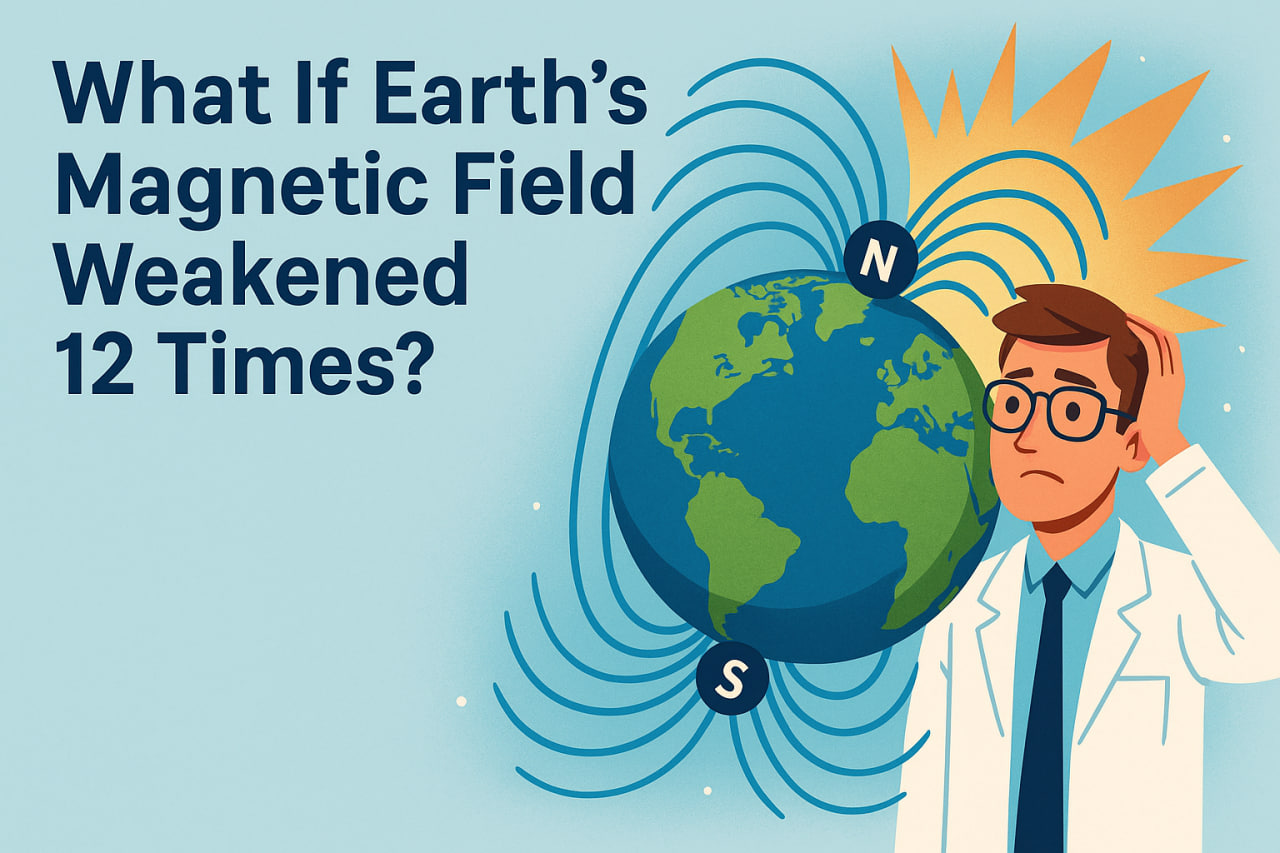
Earth’s magnetic field is an essential shield that protects the planet from solar wind, cosmic radiation, and charged particles from the Sun.
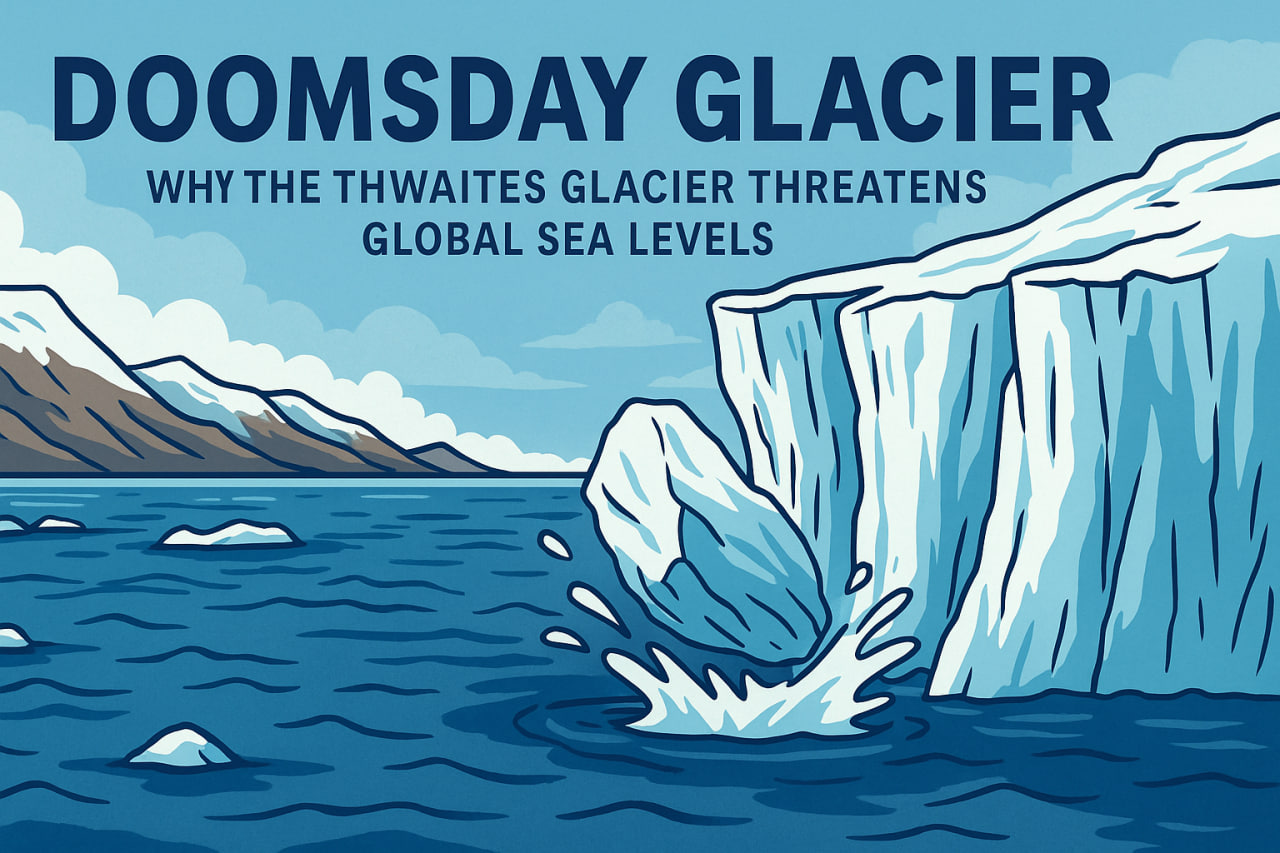
The Thwaites Glacier in West Antarctica — often called the “Doomsday Glacier” — is one of the most critical and unstable ice formations on Earth.
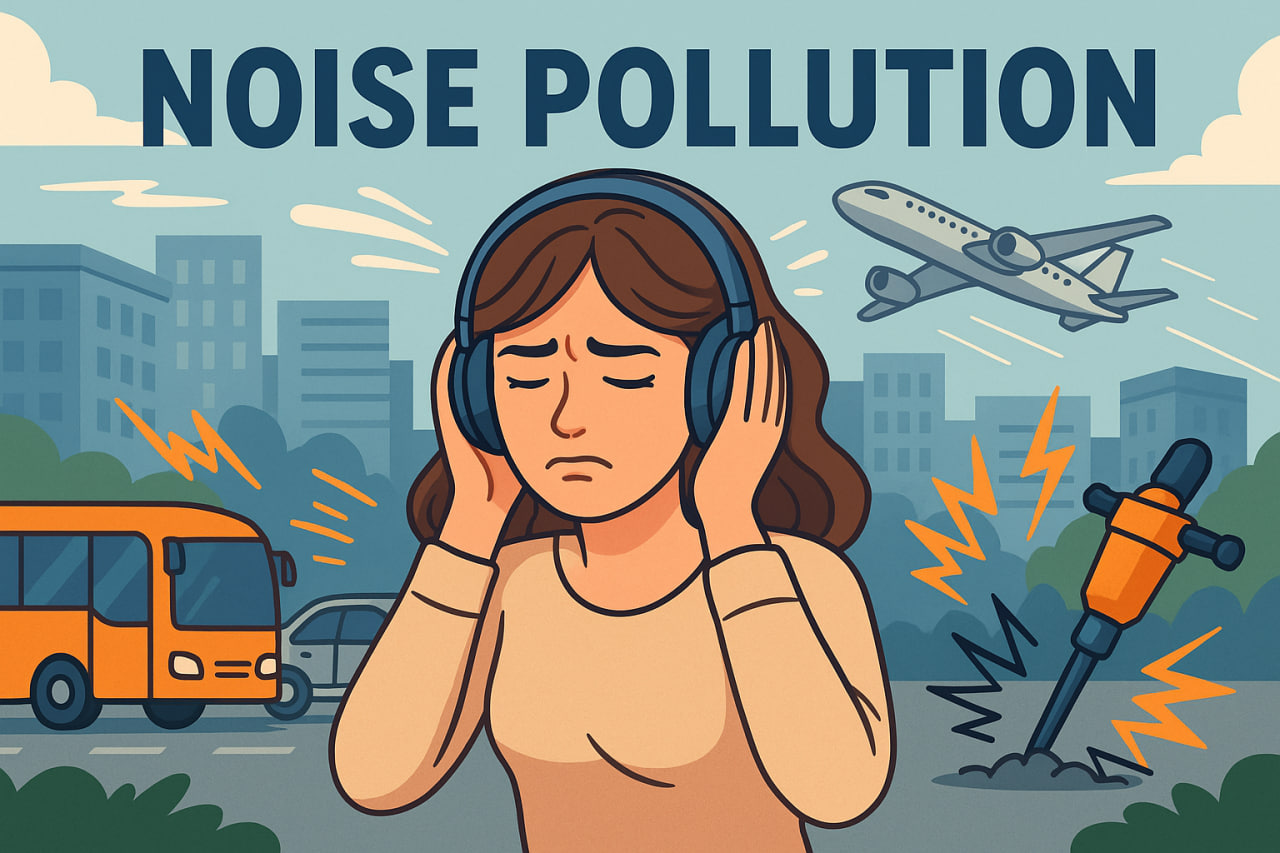
Noise pollution refers to unwanted or harmful levels of sound that disrupt natural environments, human health, and daily activities.