
How We Can Clean the Ocean: Technologies and Solutions for a Healthier Planet
The world’s oceans cover more than 70% of Earth’s surface and are vital for climate regulation, weather systems, biodiversity, and human life.
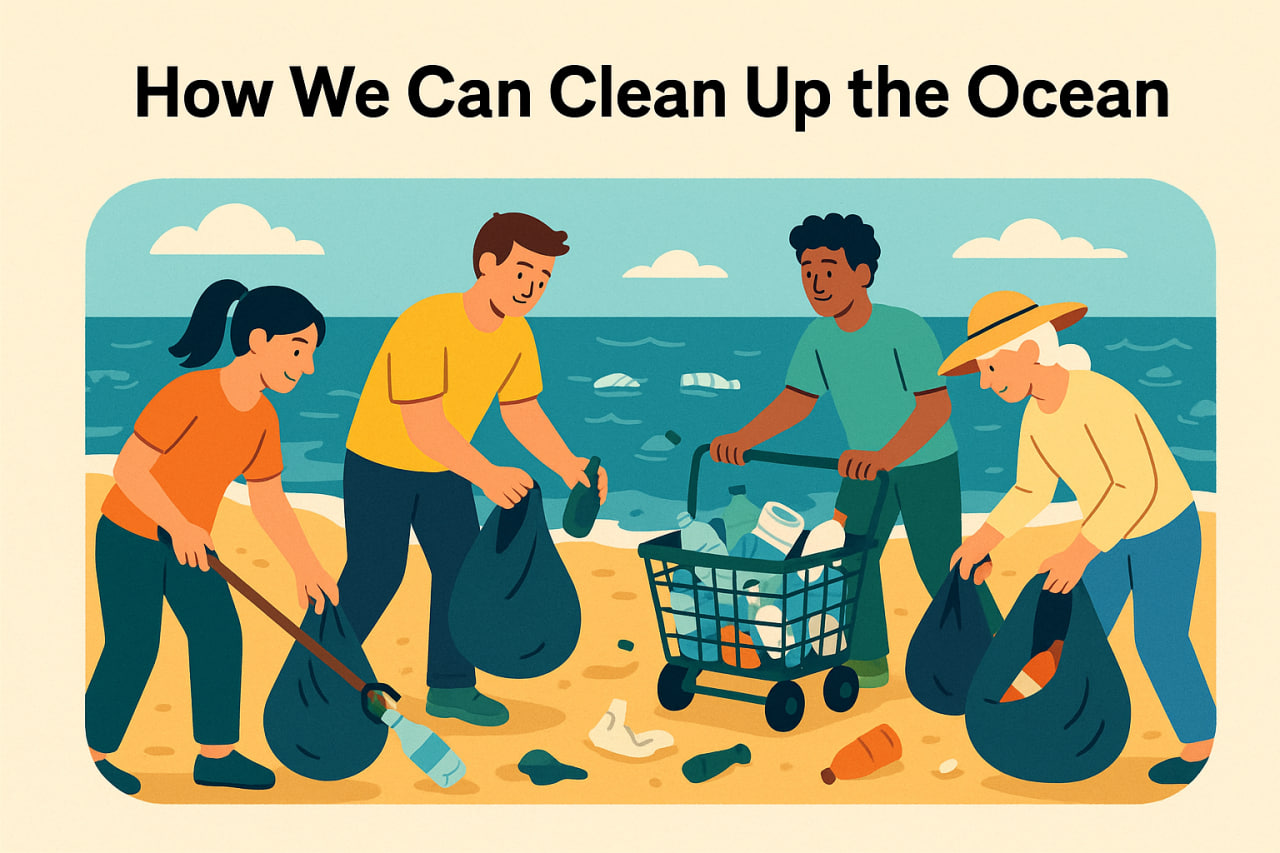
The world’s oceans cover more than 70% of Earth’s surface and are vital for climate regulation, weather systems, biodiversity, and human life.

Imagine waking up in a world where all conflicts — wars, hostilities, armed tensions — suddenly cease. No gunfire, no bombs, no political aggression. Just an immediate, global pause.
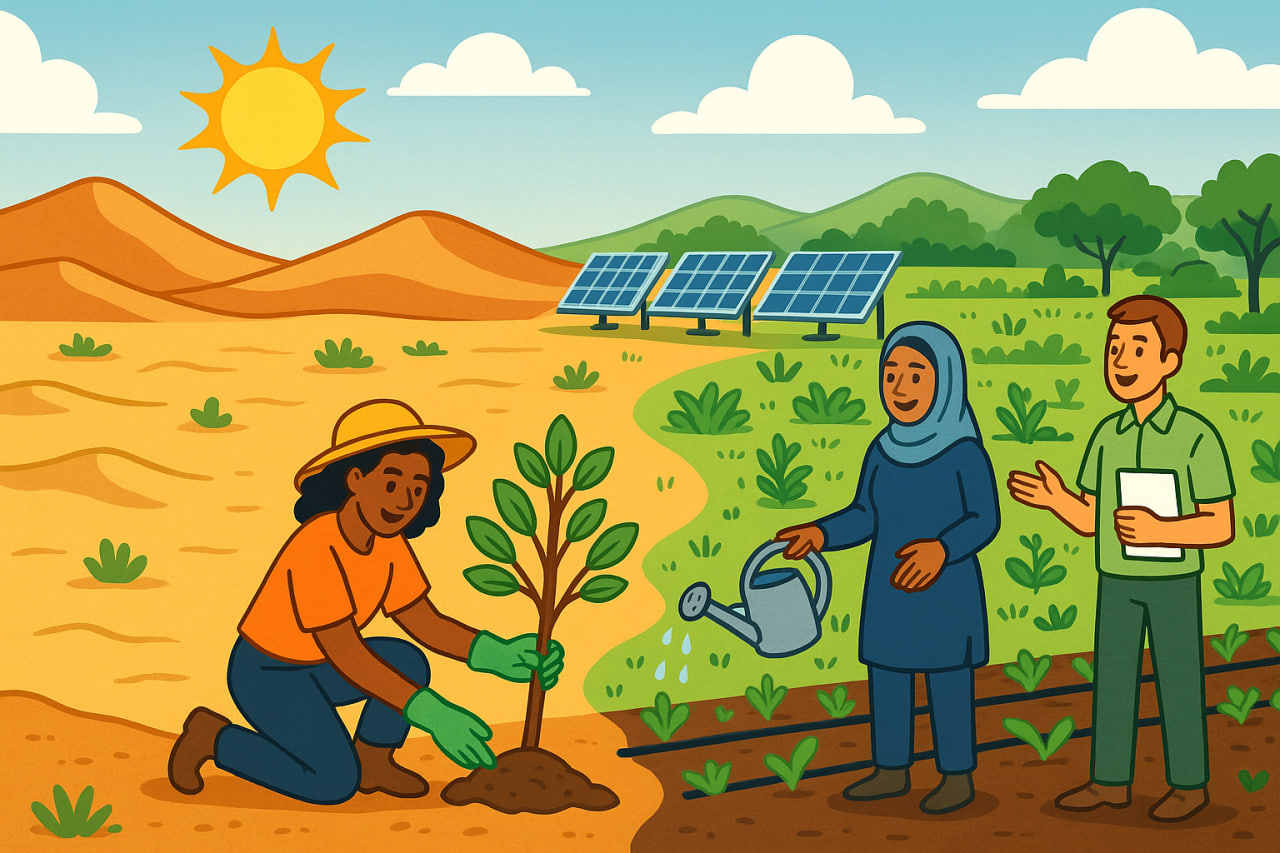
The idea of transforming a dry, barren desert into a green oasis may sound like a miracle — yet it’s a goal that science, technology, and human determination are gradually making real.
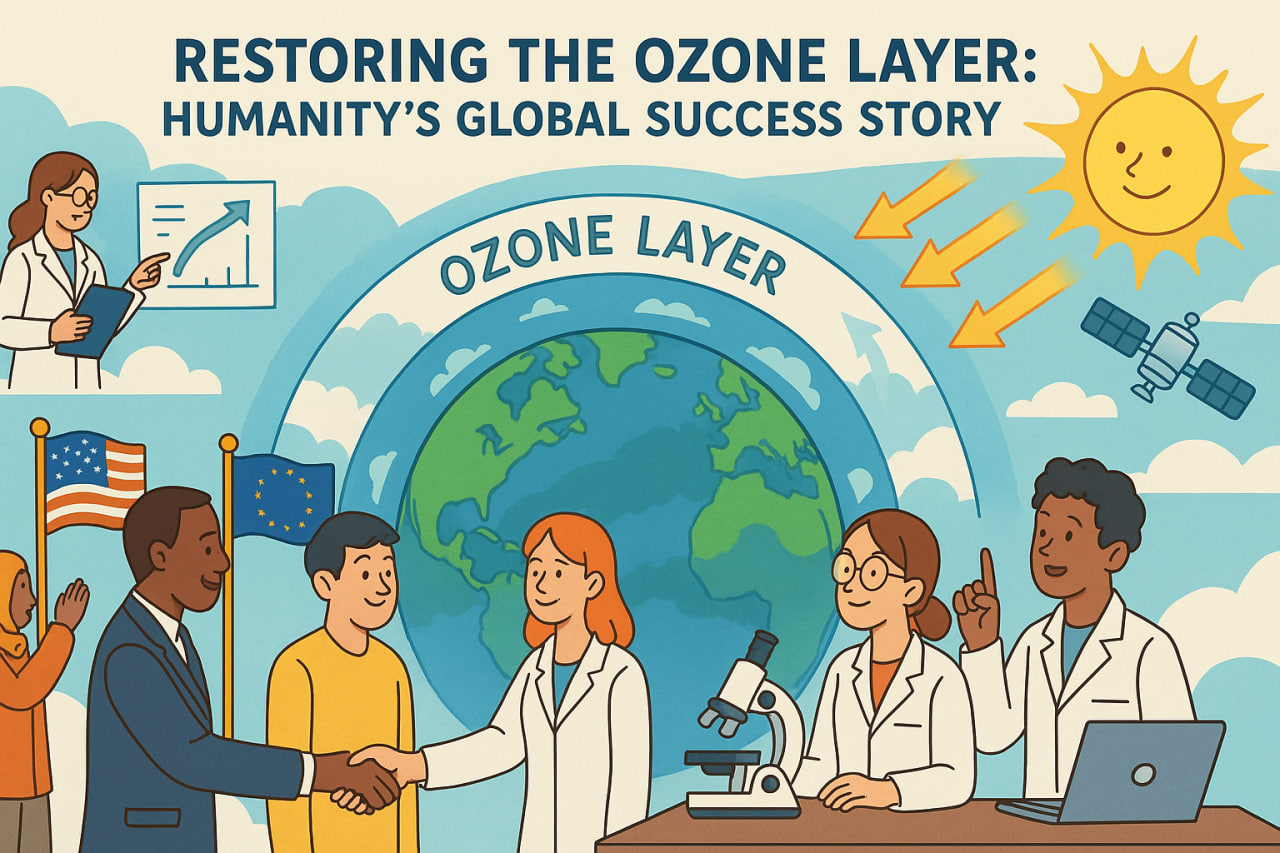
In an age of environmental crises, the recovery of the ozone layer stands as one of humanity’s most inspiring success stories.
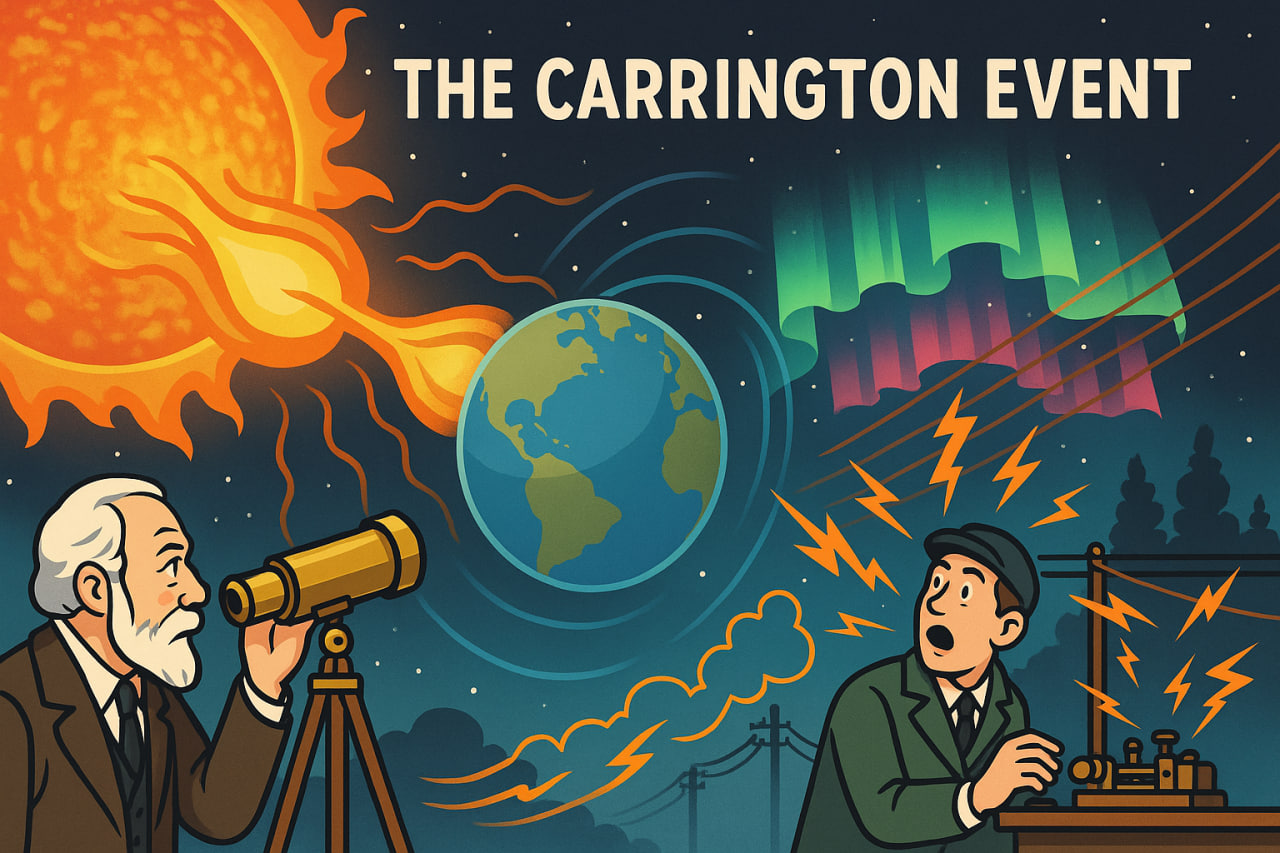
In 1859, long before satellites or smartphones existed, Earth was struck by the most powerful solar storm ever recorded — known as The Carrington Event.
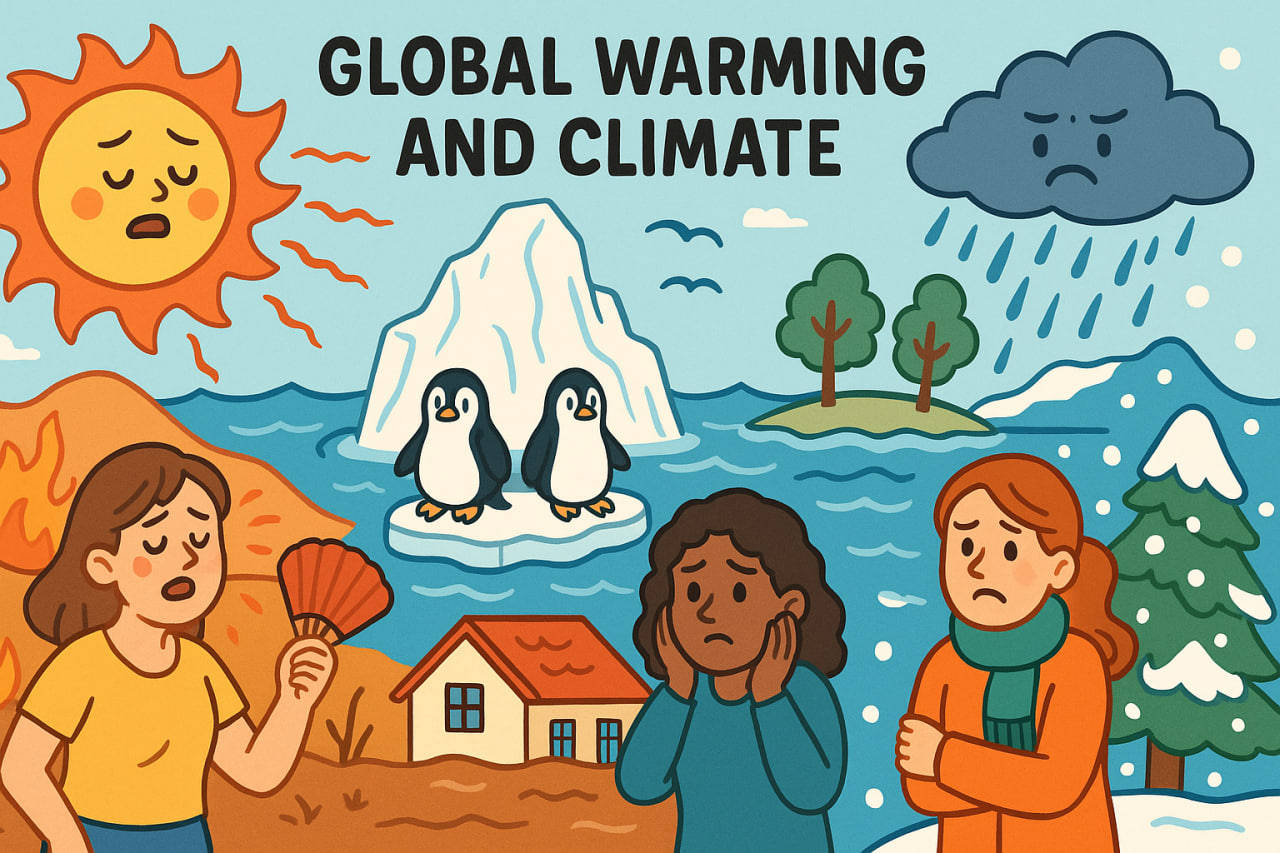
Global warming refers to the long-term increase in Earth’s average surface temperature, primarily driven by the accumulation of greenhouse gases such as carbon dioxide, methane, and nitrous...
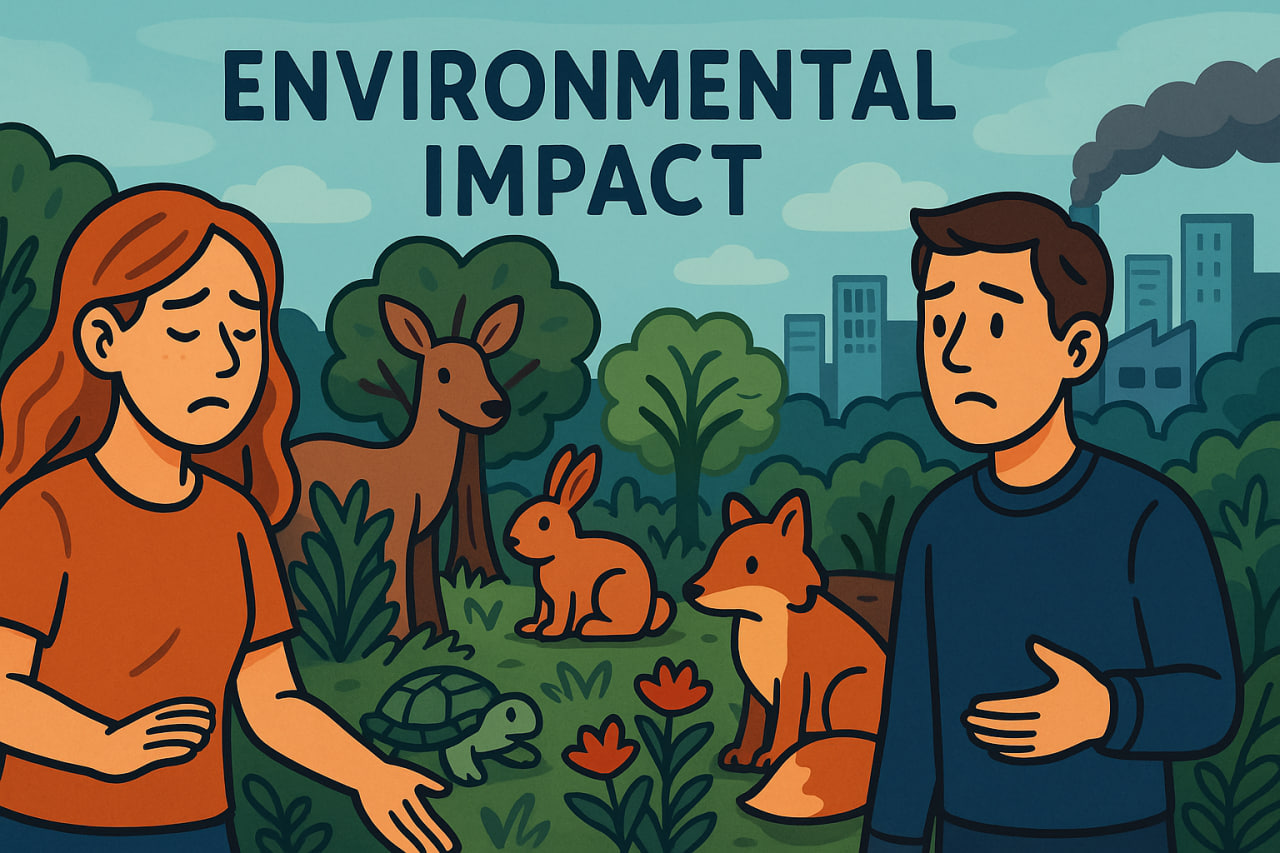
Over the past thousand years, both humans and animals have shaped the natural environment in significant ways, although the scale of influence differs greatly between them.
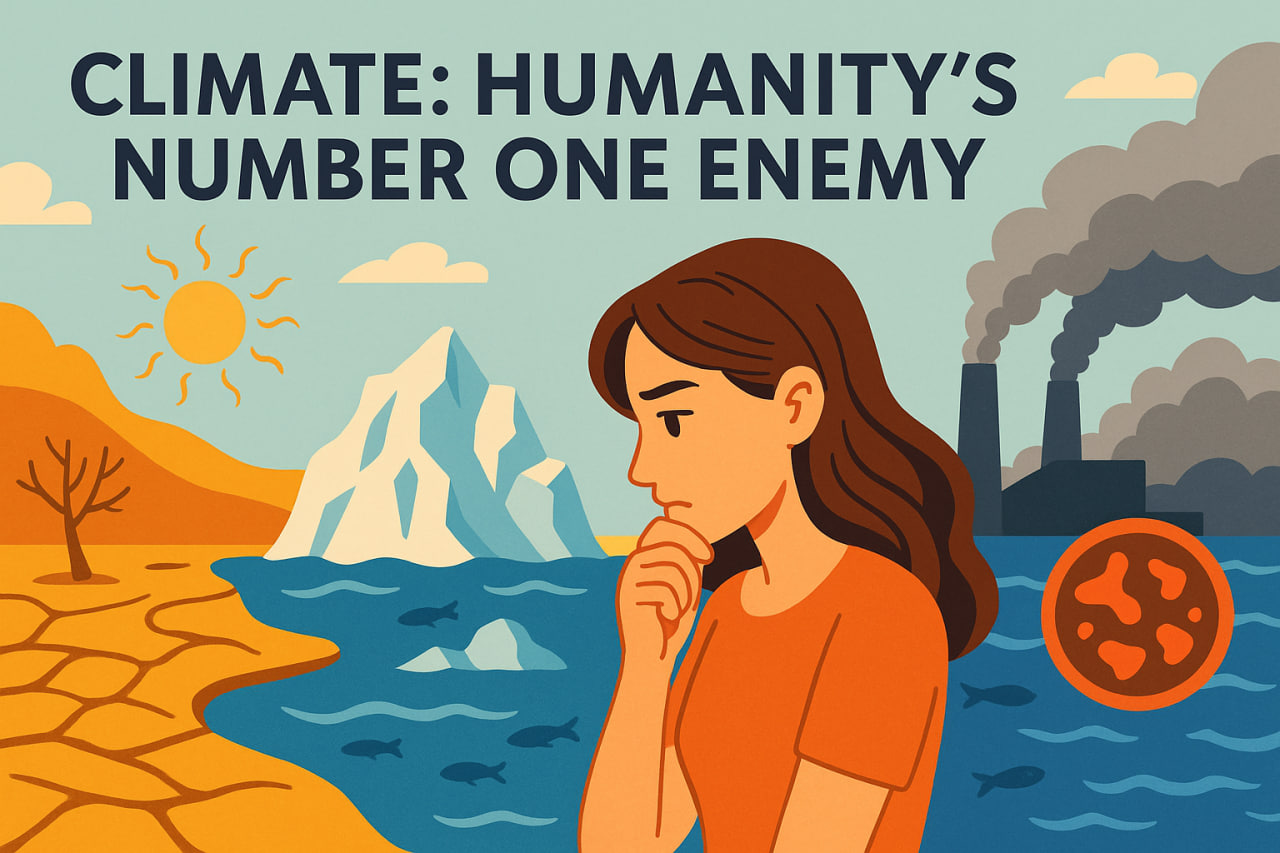
Climate operates as one of the most powerful forces shaping life on Earth, influencing ecosystems, weather patterns, and the stability of environments humans depend on.
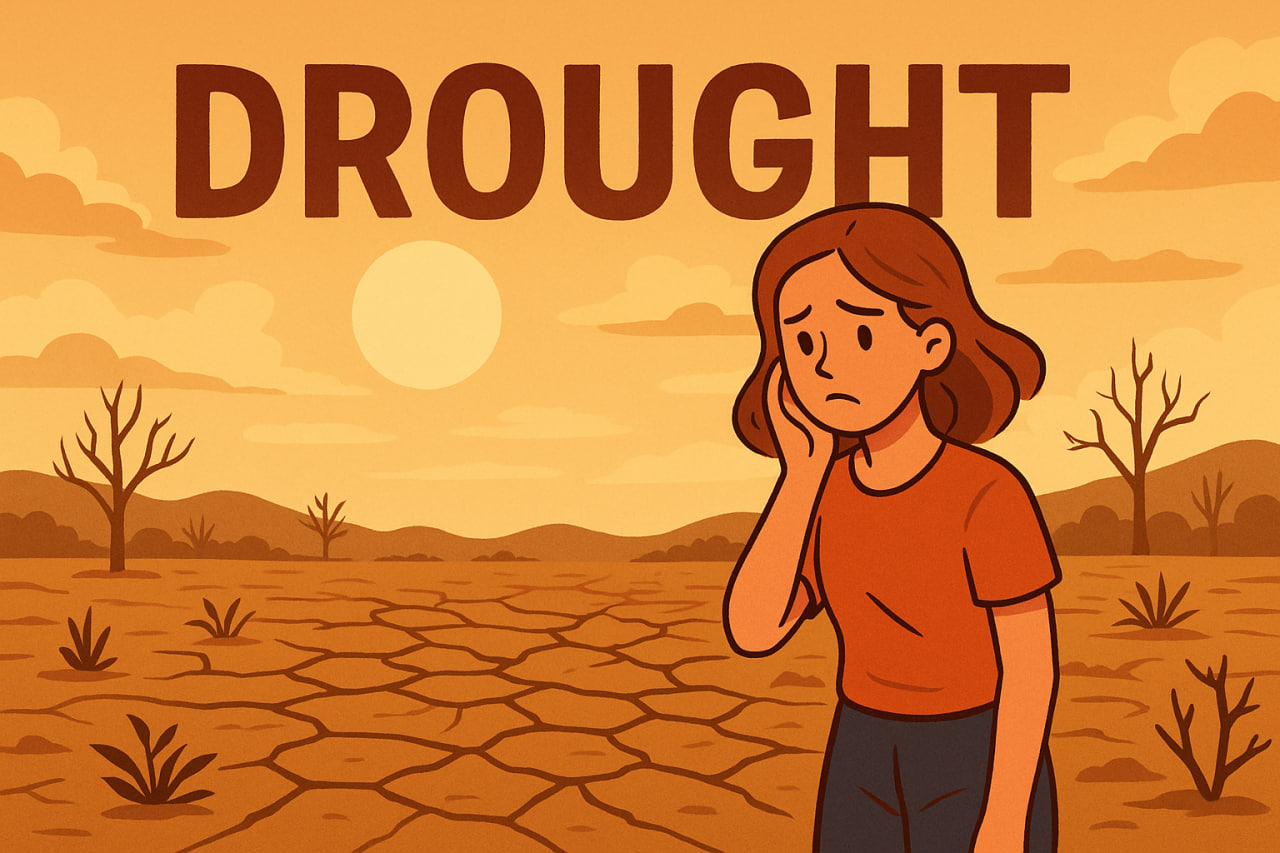
Drought is a prolonged period of unusually low rainfall that leads to water shortages across landscapes, affecting agriculture, ecosystems, and human populations.
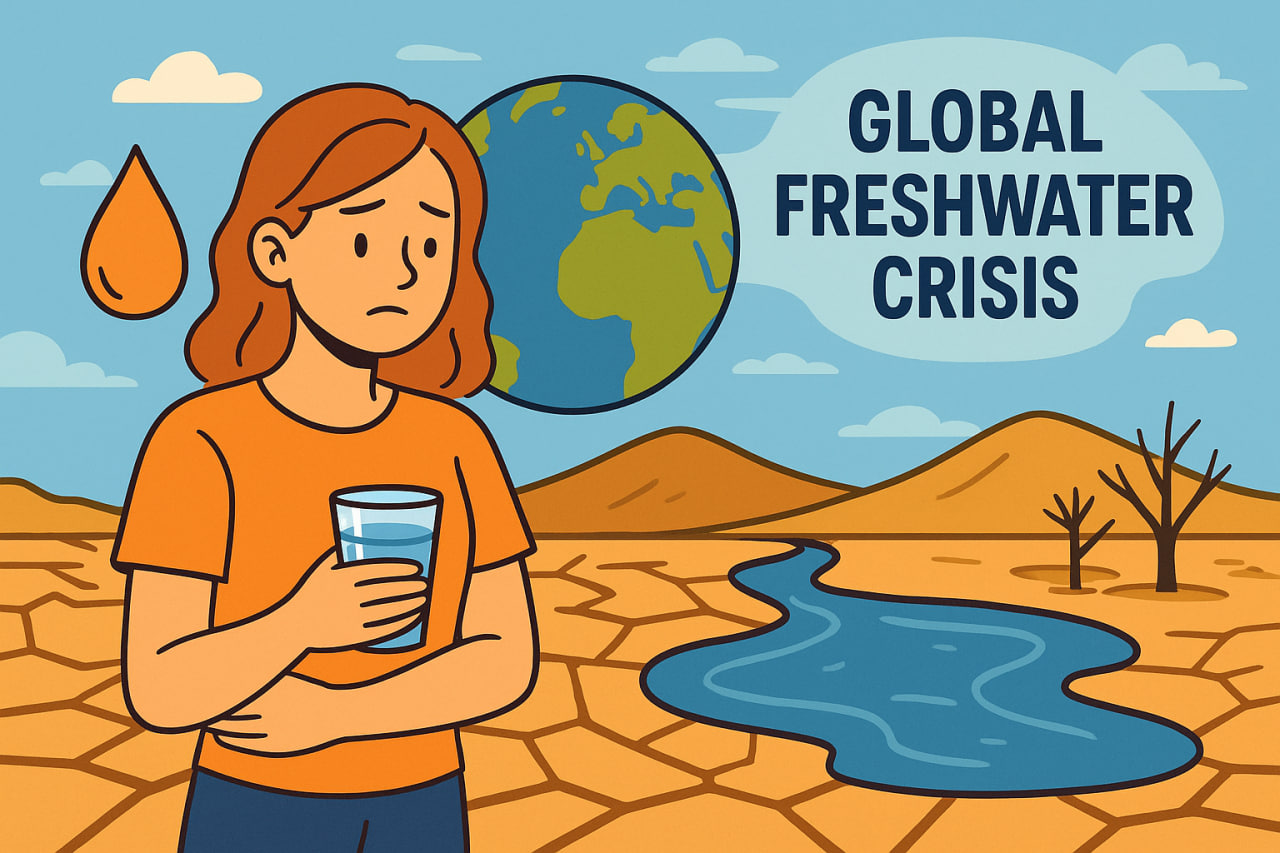
Freshwater is one of the most essential resources for life, yet it represents only a small fraction of the planet’s total water supply.