
The Evolution of Trees
Trees are among the oldest and most important life forms on Earth. They have shaped the environment, stabilized ecosystems, and supported countless species — including humans.
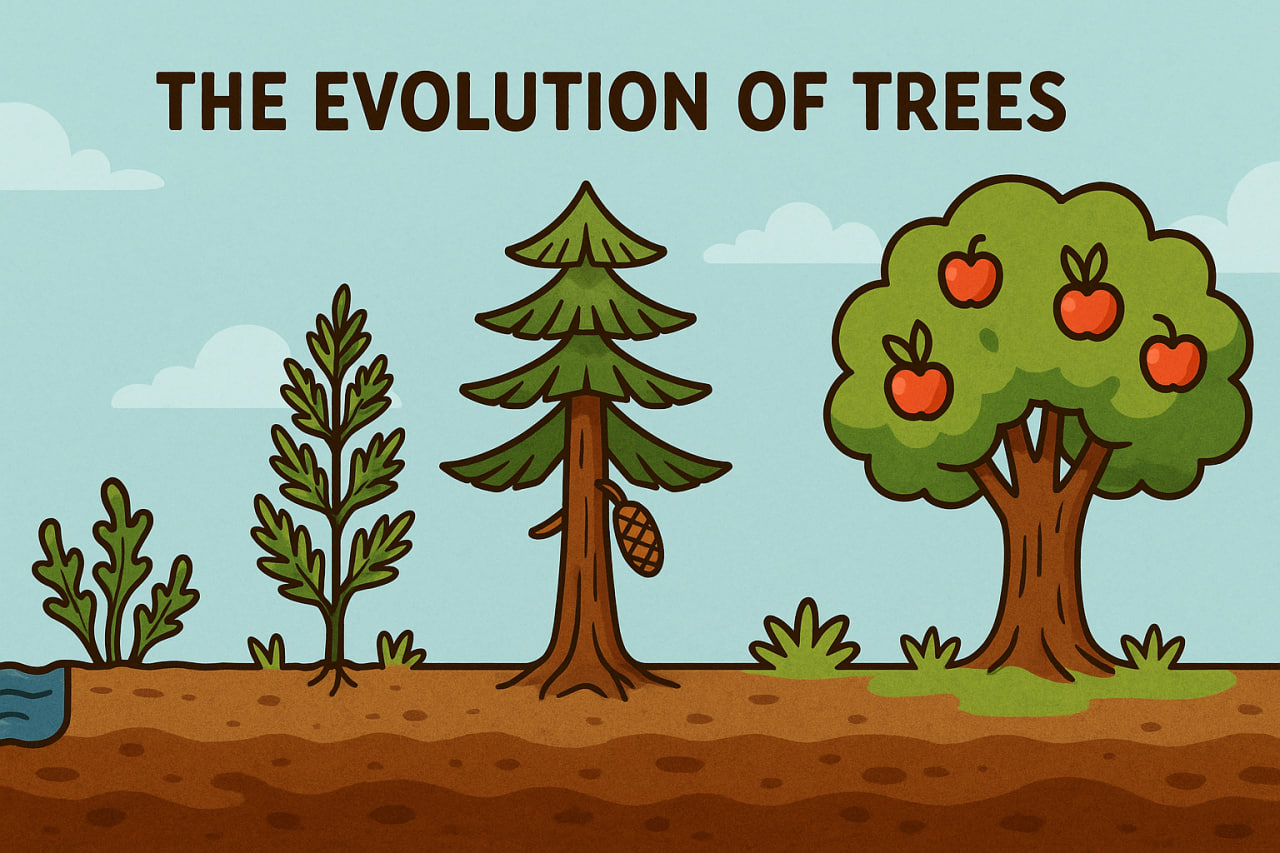
Trees are among the oldest and most important life forms on Earth. They have shaped the environment, stabilized ecosystems, and supported countless species — including humans.
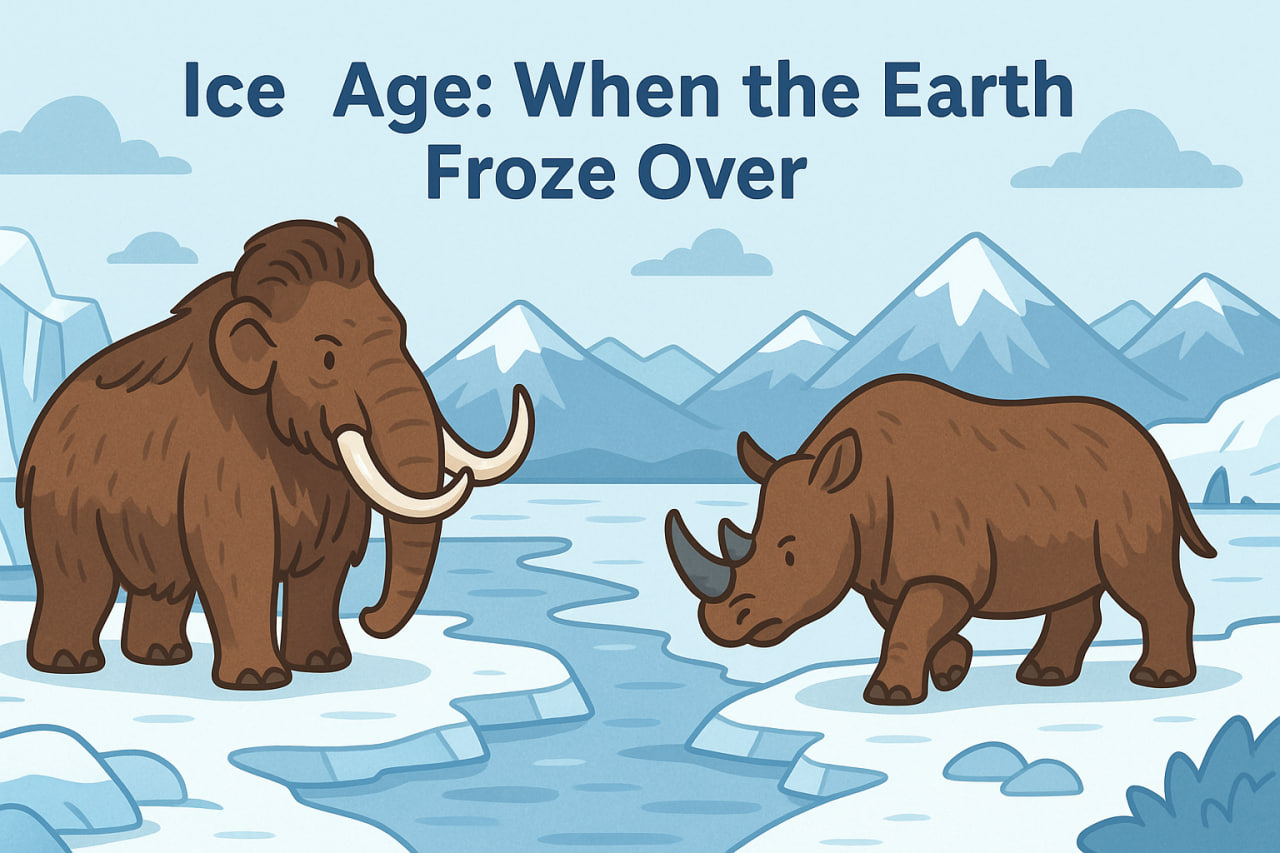
An Ice Age is a long period in Earth’s history when global temperatures drop significantly, causing large parts of the planet to be covered in glaciers.
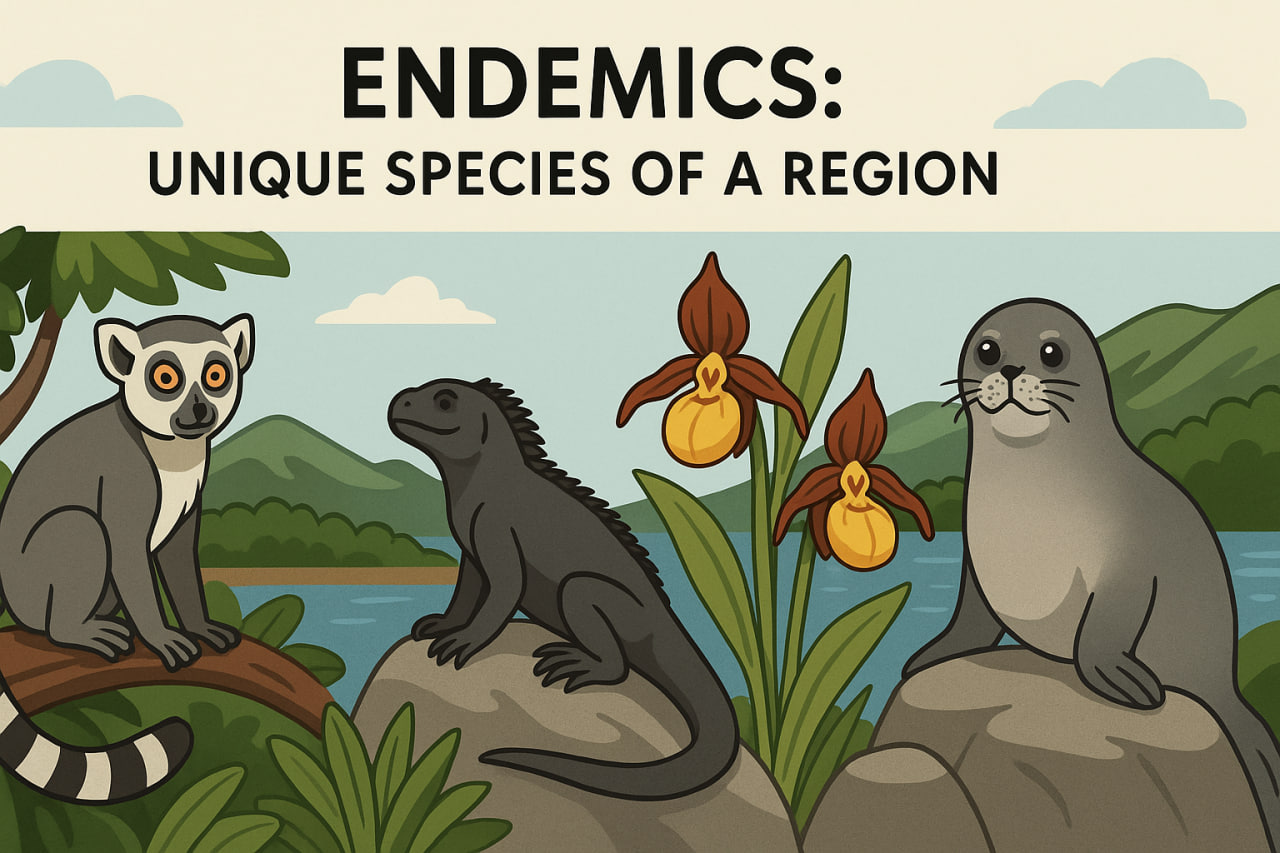
The natural world is filled with an incredible variety of plants and animals. Some of them are found all over the world, while others exist in only one specific place.
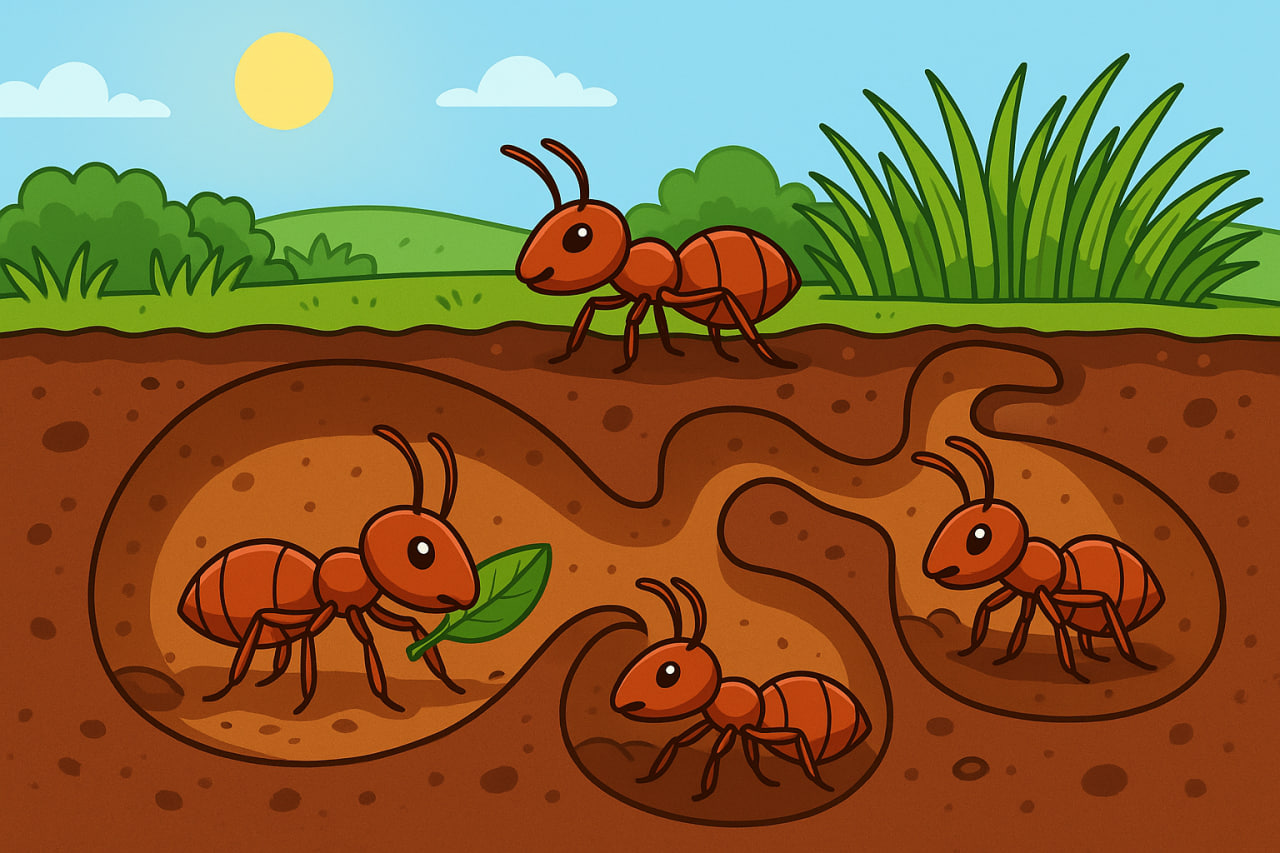
Ants are among the most organized and industrious creatures on Earth. Despite their size, they create complex colonies that can house millions of individuals.
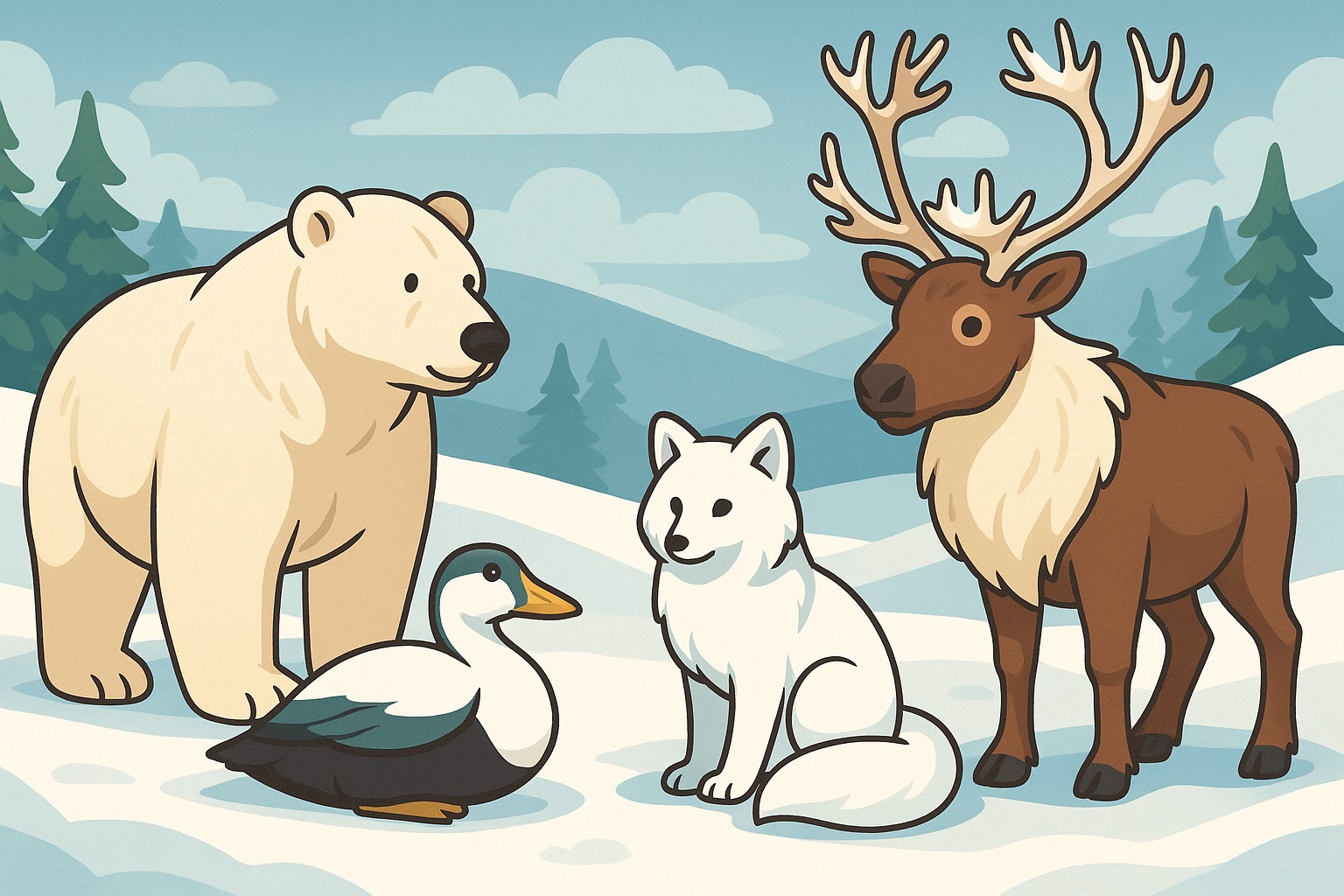
Surviving in cold environments like the Arctic, Alpine mountains, or taiga forests requires remarkable biological and behavioral adaptations.
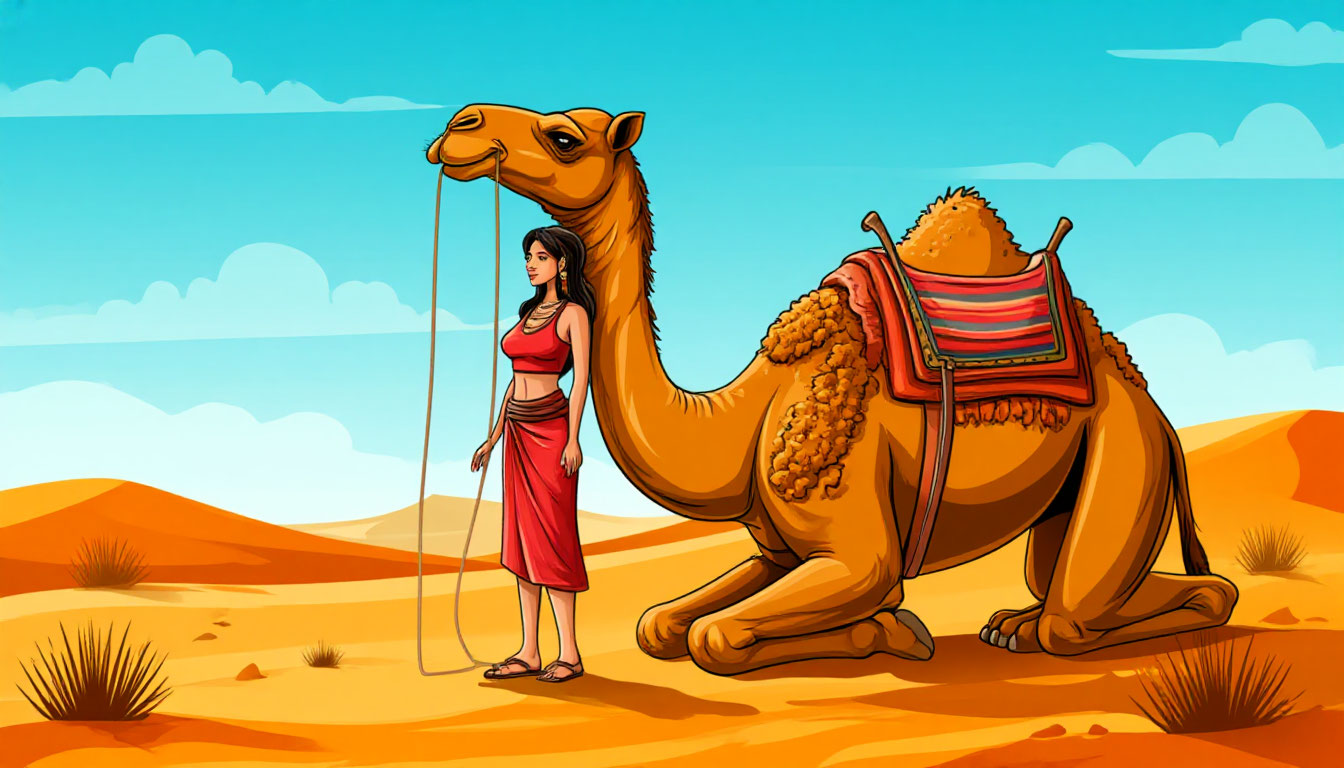
Deserts are often imagined as lifeless places of endless sand, but in reality, they are dynamic ecosystems filled with adaptable life.
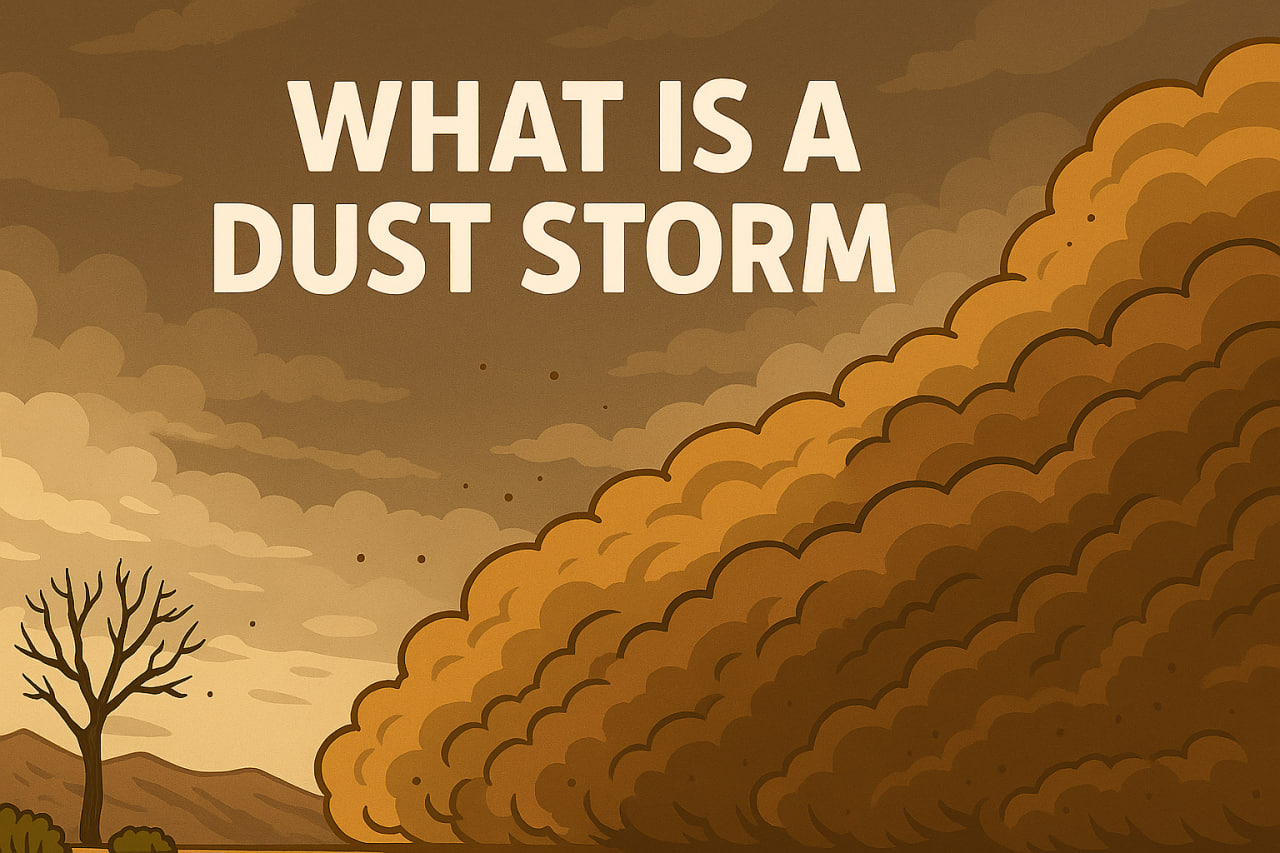
A dust storm is a strong wind event that lifts large amounts of dust, sand, and dirt into the air, creating thick clouds that can reduce visibility and cause environmental and health problems.
Plants may not have mouths, eyes, or ears, but that doesn’t mean they are silent. In fact, recent scientific research has revealed that plants do communicate—not with words or sounds like...
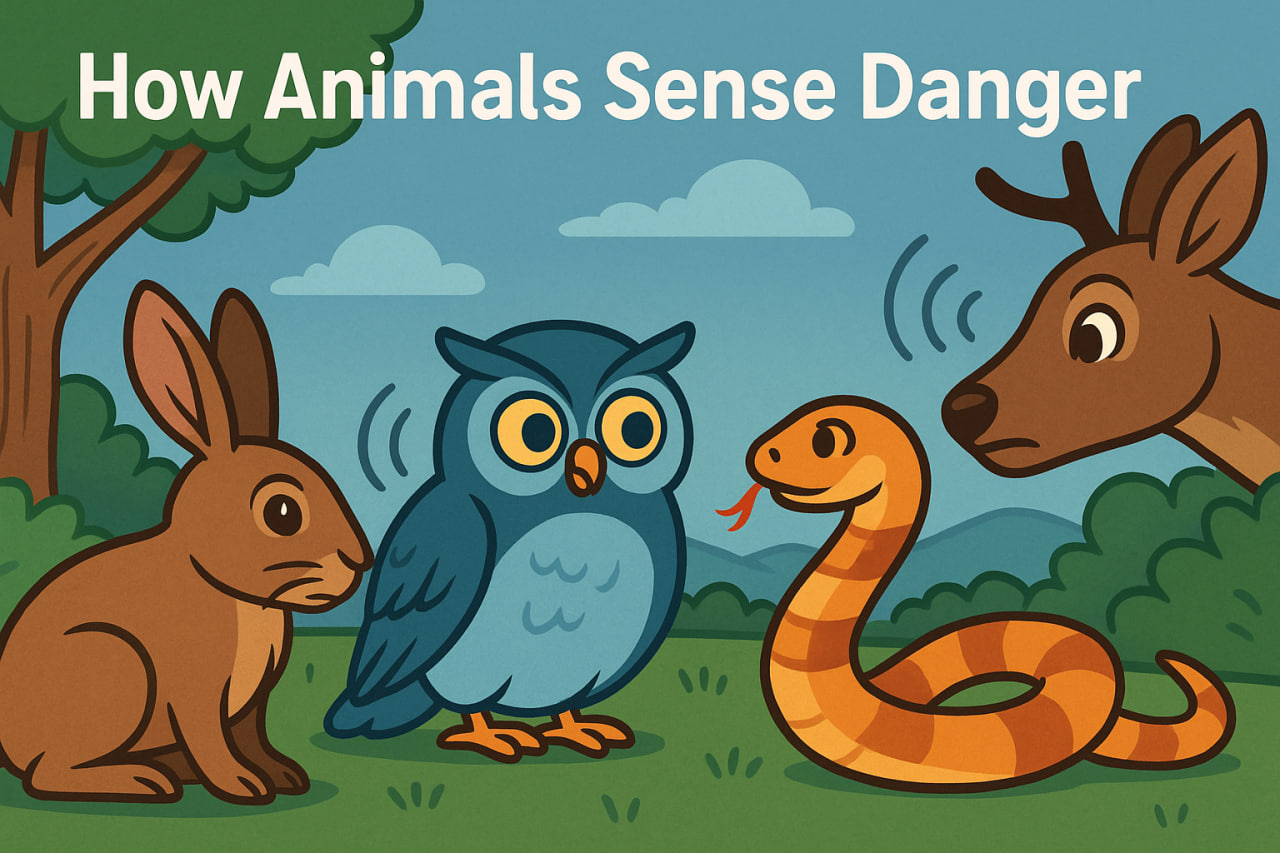
Animals live in a world full of predators, environmental threats, and unpredictable changes.
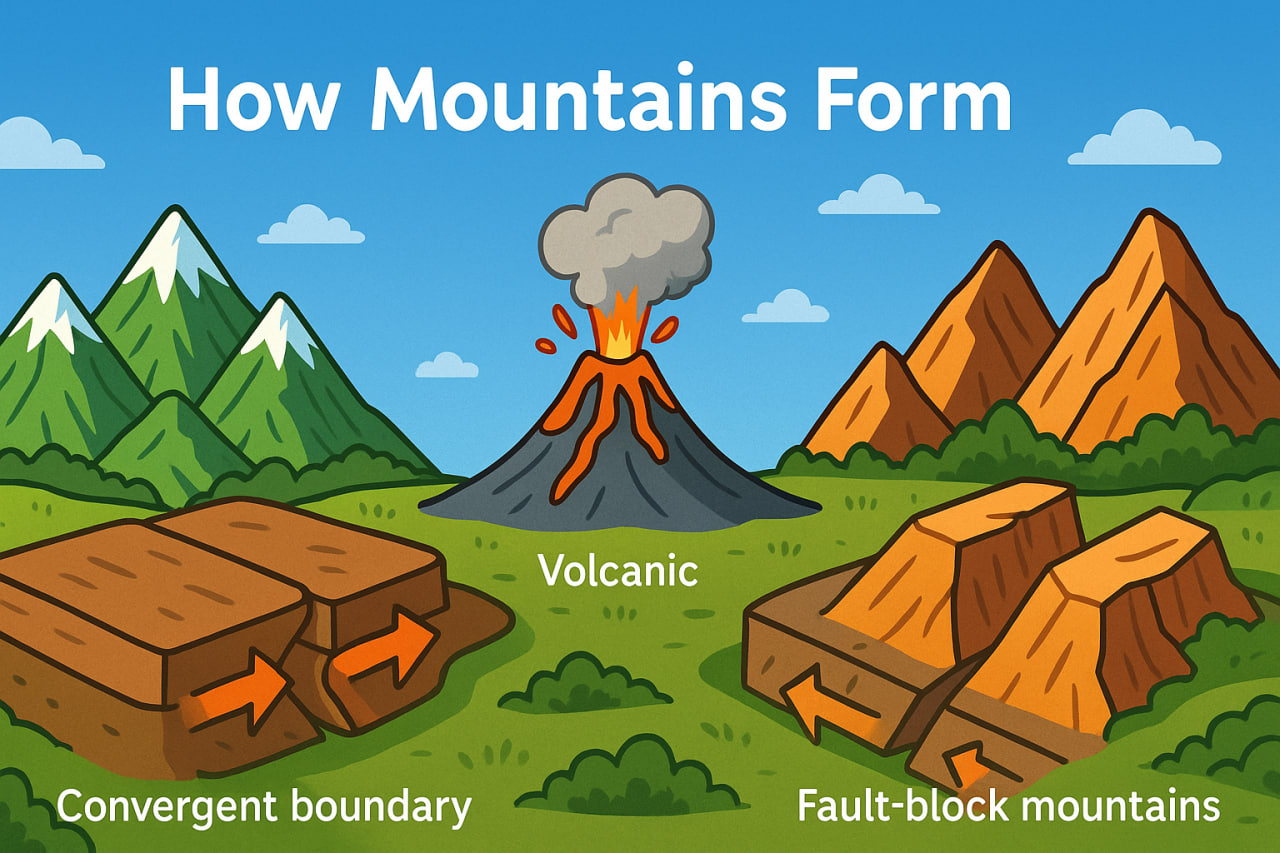
Mountains are some of the most majestic and recognizable features on Earth, but their formation is the result of powerful and often slow-moving geological forces deep within the planet.