
What Influences Earth's Climate?
Climate is the long-term pattern of temperature, humidity, wind, and precipitation in a given region.
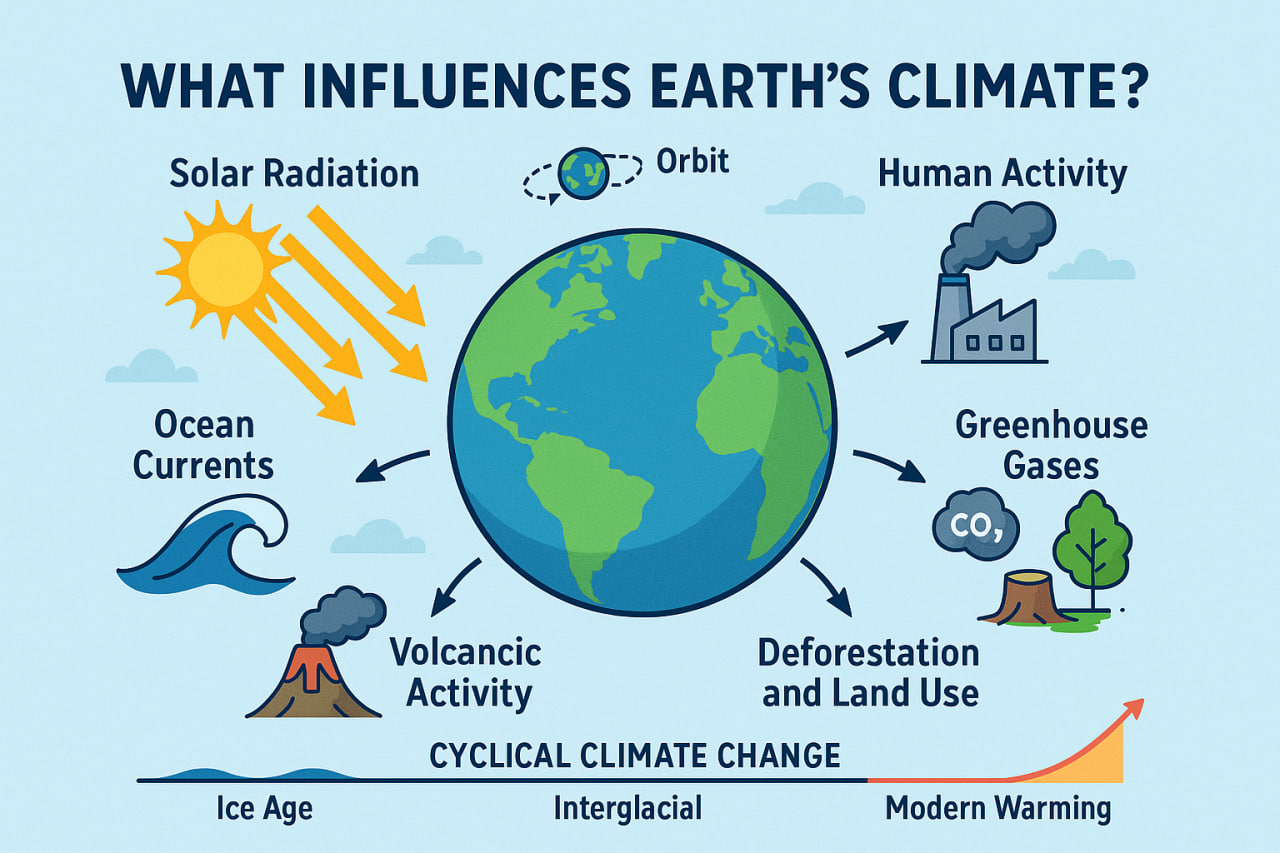
Climate is the long-term pattern of temperature, humidity, wind, and precipitation in a given region.
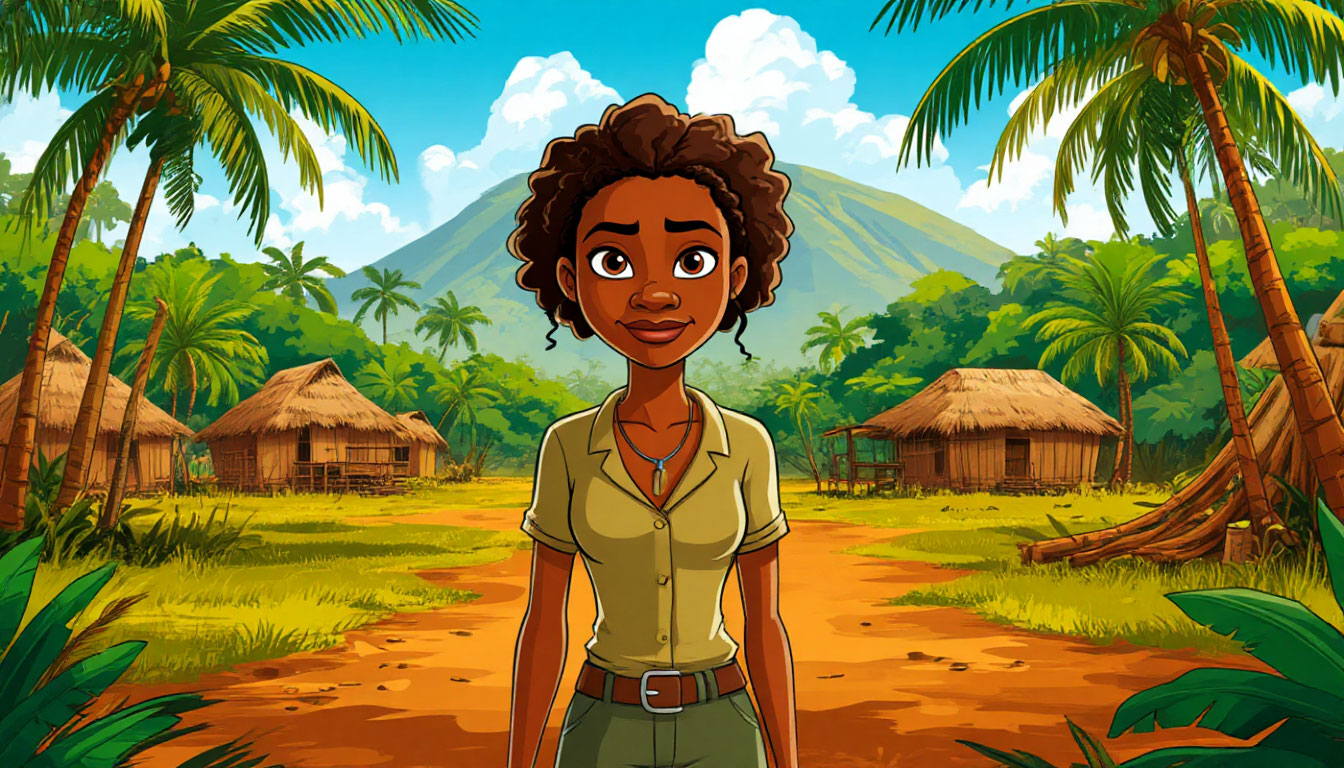
Madagascar is the fourth largest island in the world, located in the Indian Ocean off the southeastern coast of Africa.
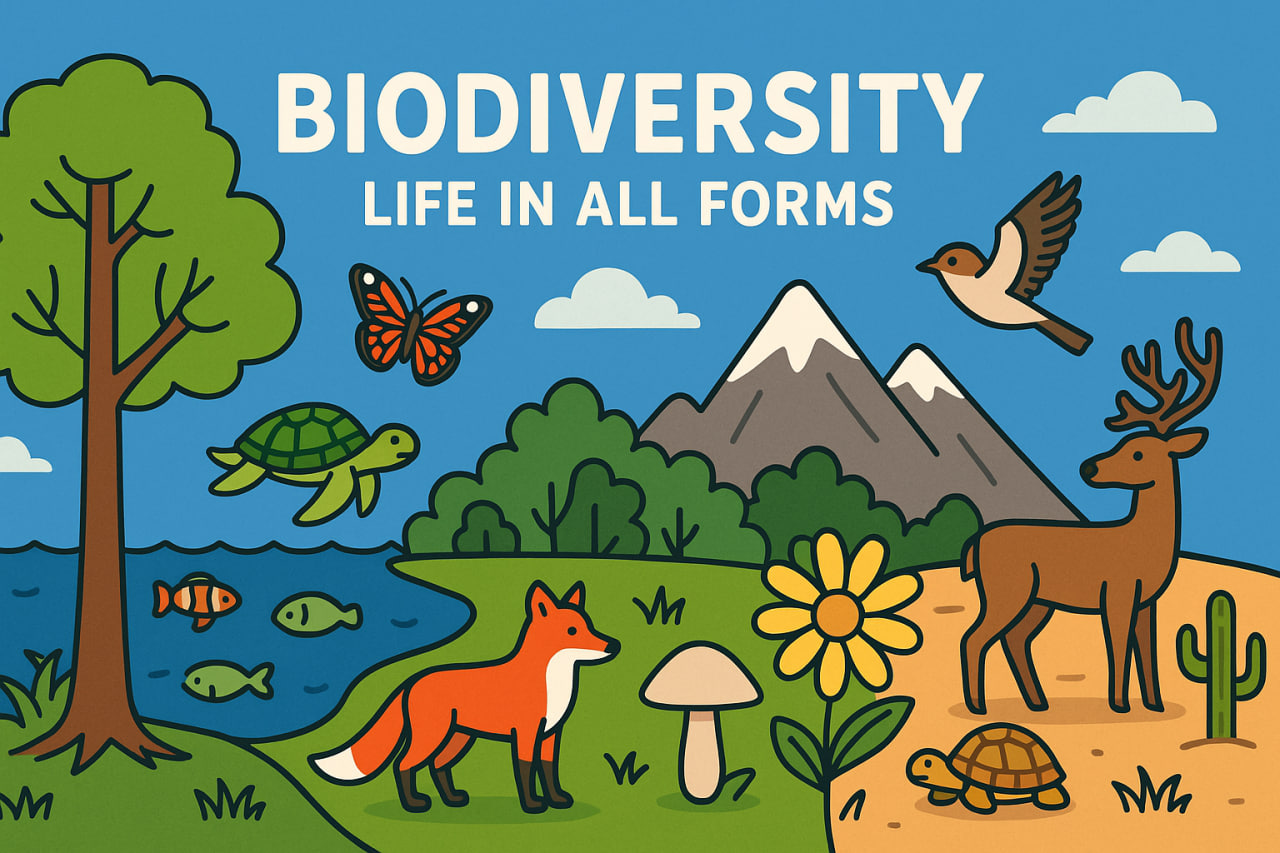
Biodiversity, or biological diversity, refers to the variety of life on Earth. It includes all plants, animals, fungi, and microorganisms, the ecosystems they form, and the genetic variation...
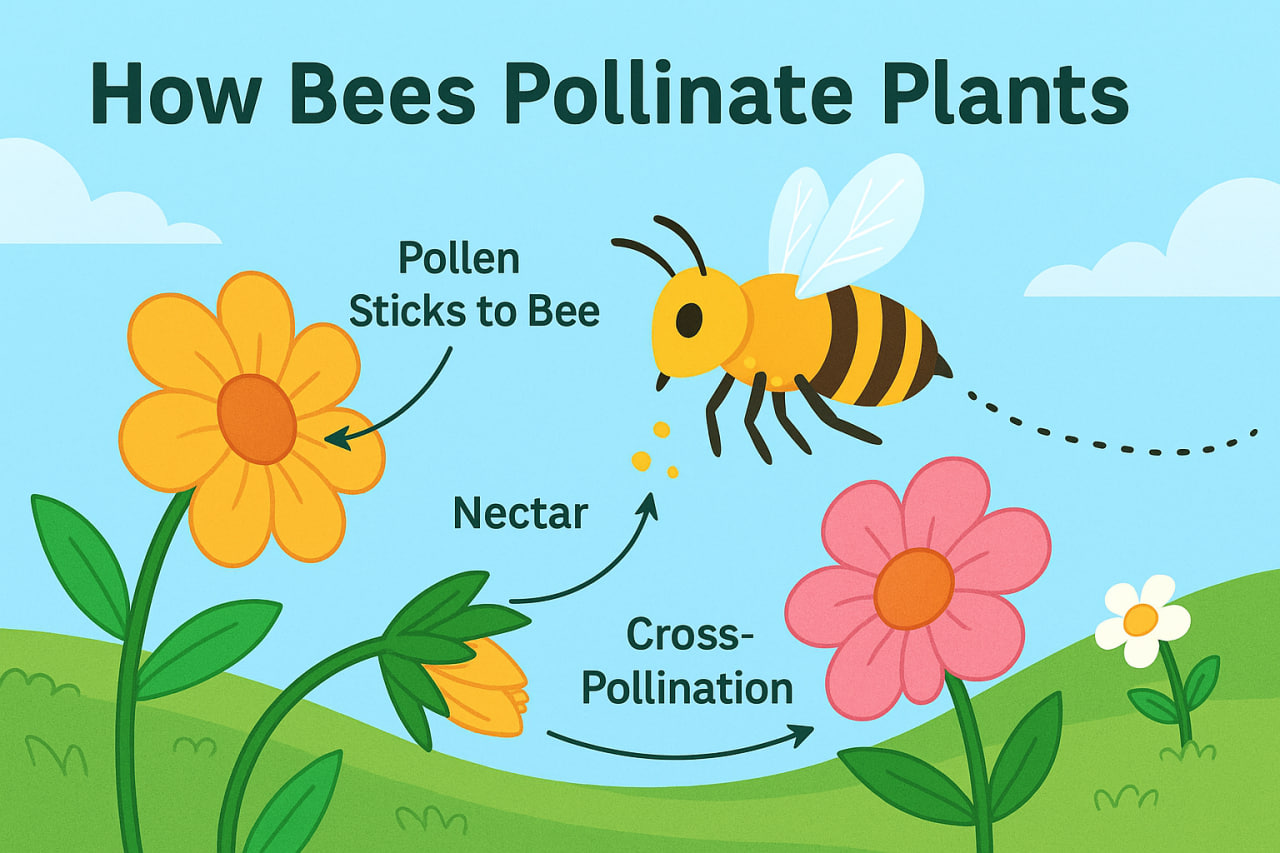
Bees are among the most effective and essential pollinators on Earth. Their ability to transfer pollen from flower to flower not only allows plants to reproduce, but also supports the...
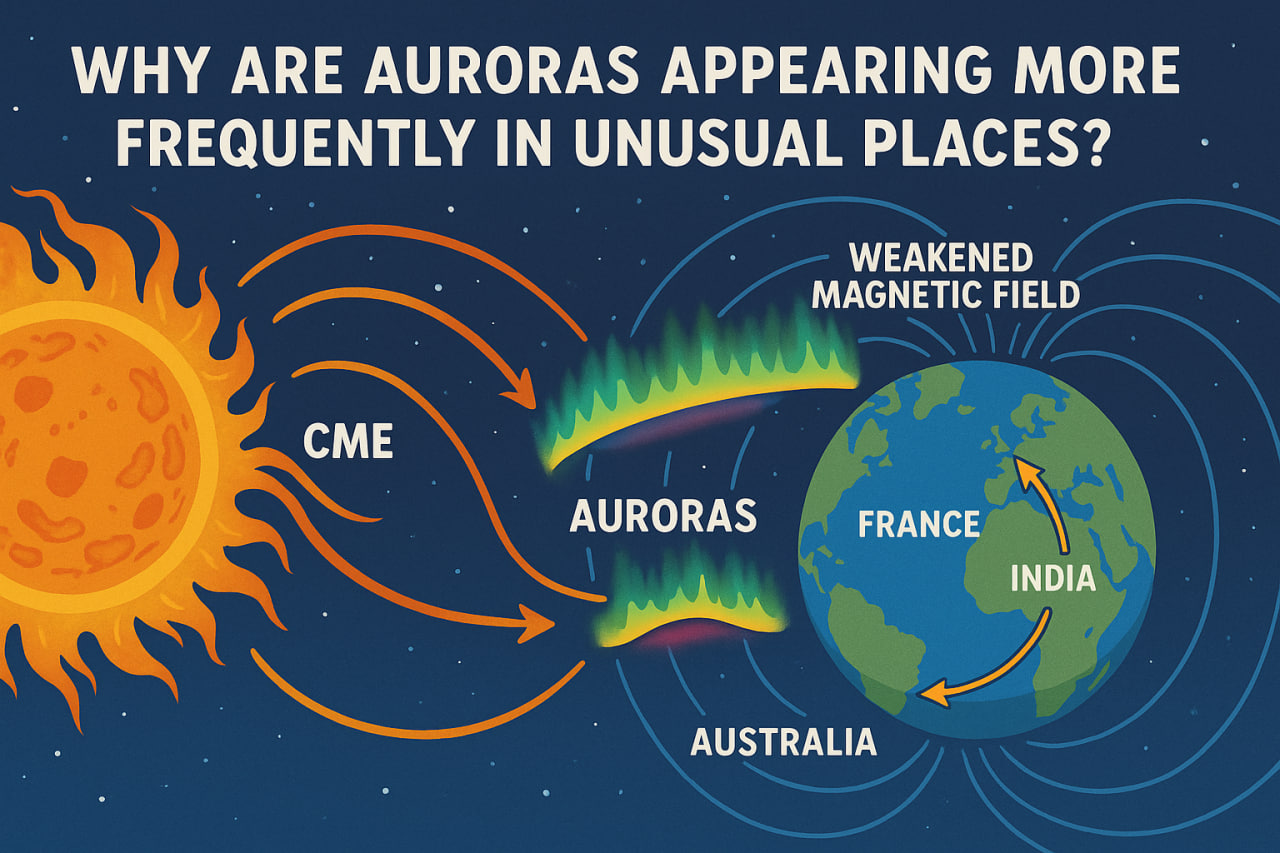
In recent years, auroras—usually visible only near the polar regions—have been spotted in unusual areas such as Central Europe, the continental United States, and even parts of northern...
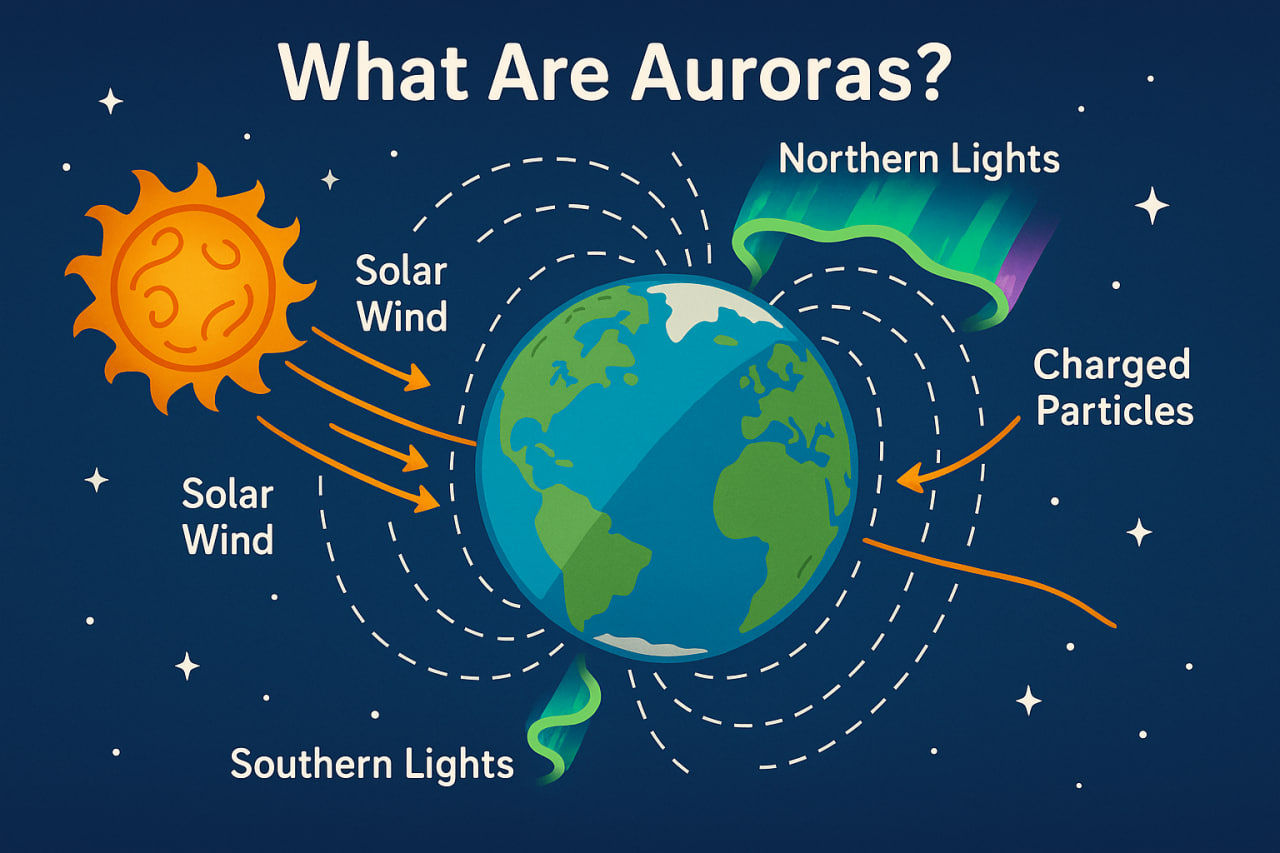
Polar auroras, also known as the Northern Lights (Aurora Borealis) and Southern Lights (Aurora Australis), are stunning light displays in the night sky near the poles.
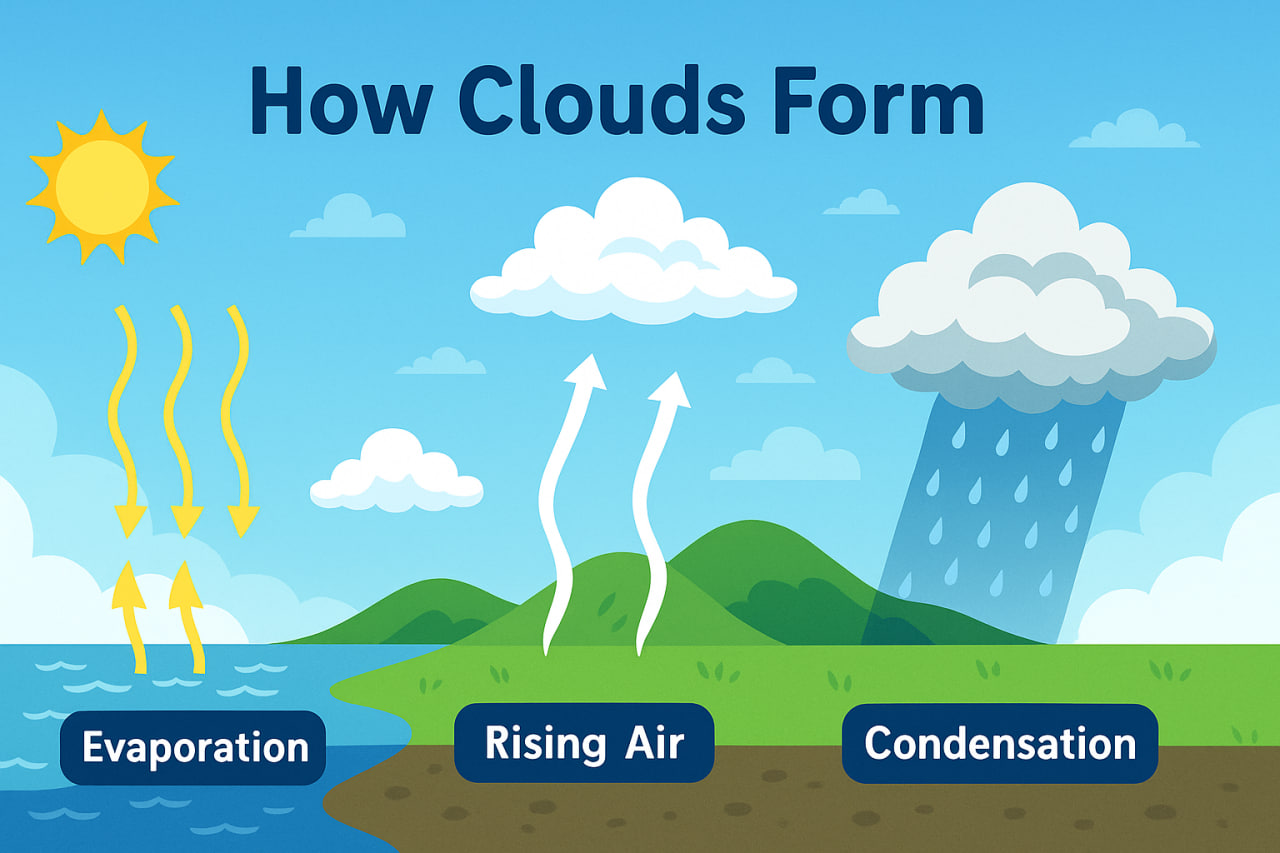
Clouds are one of the most familiar and fascinating parts of our atmosphere. From soft white puffs to towering storm formations, clouds play a vital role in Earth’s weather and climate.

Bird migration is one of nature’s most spectacular phenomena. Each year, billions of birds fly thousands of kilometers across continents and oceans.
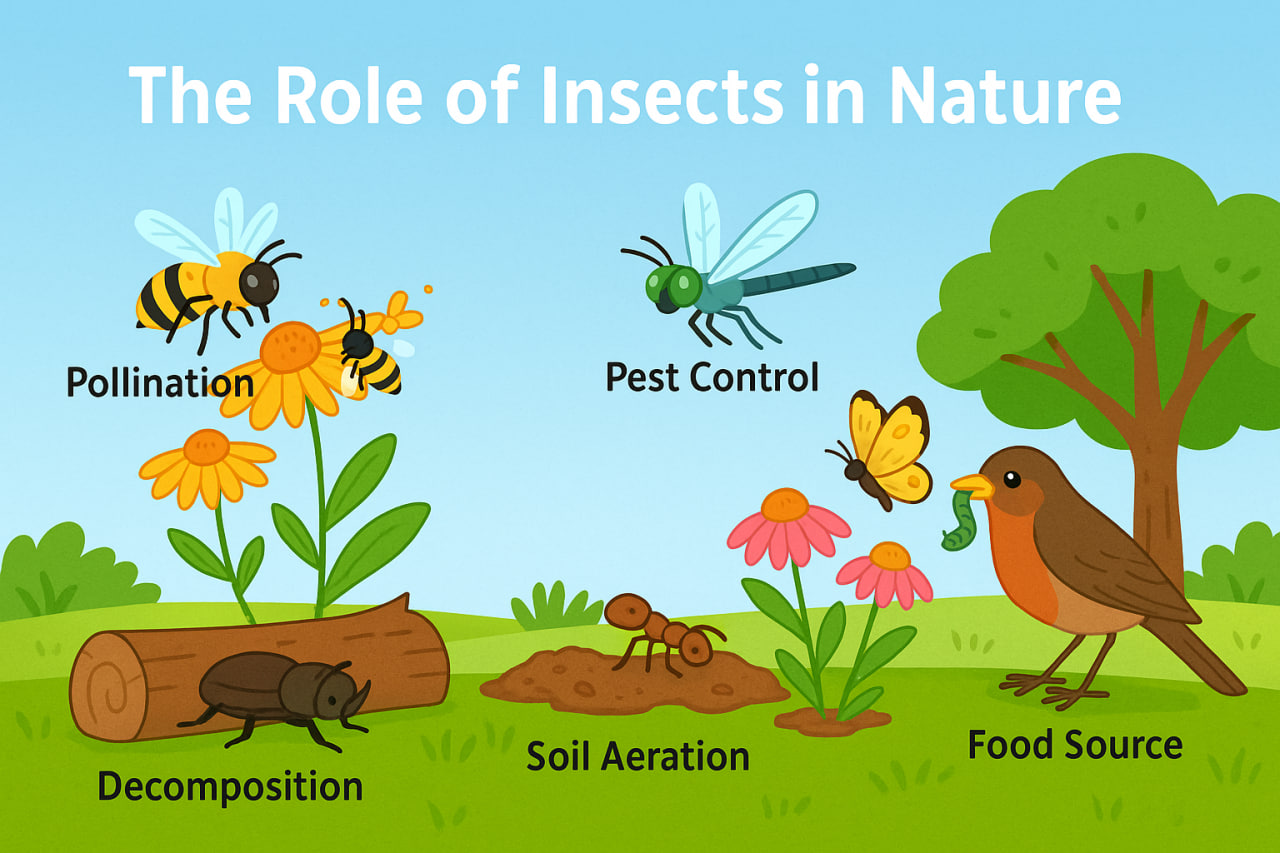
Insects may be small, but they are among the most important creatures on Earth. With over 5 million estimated species, insects play a crucial role in maintaining ecological balance.
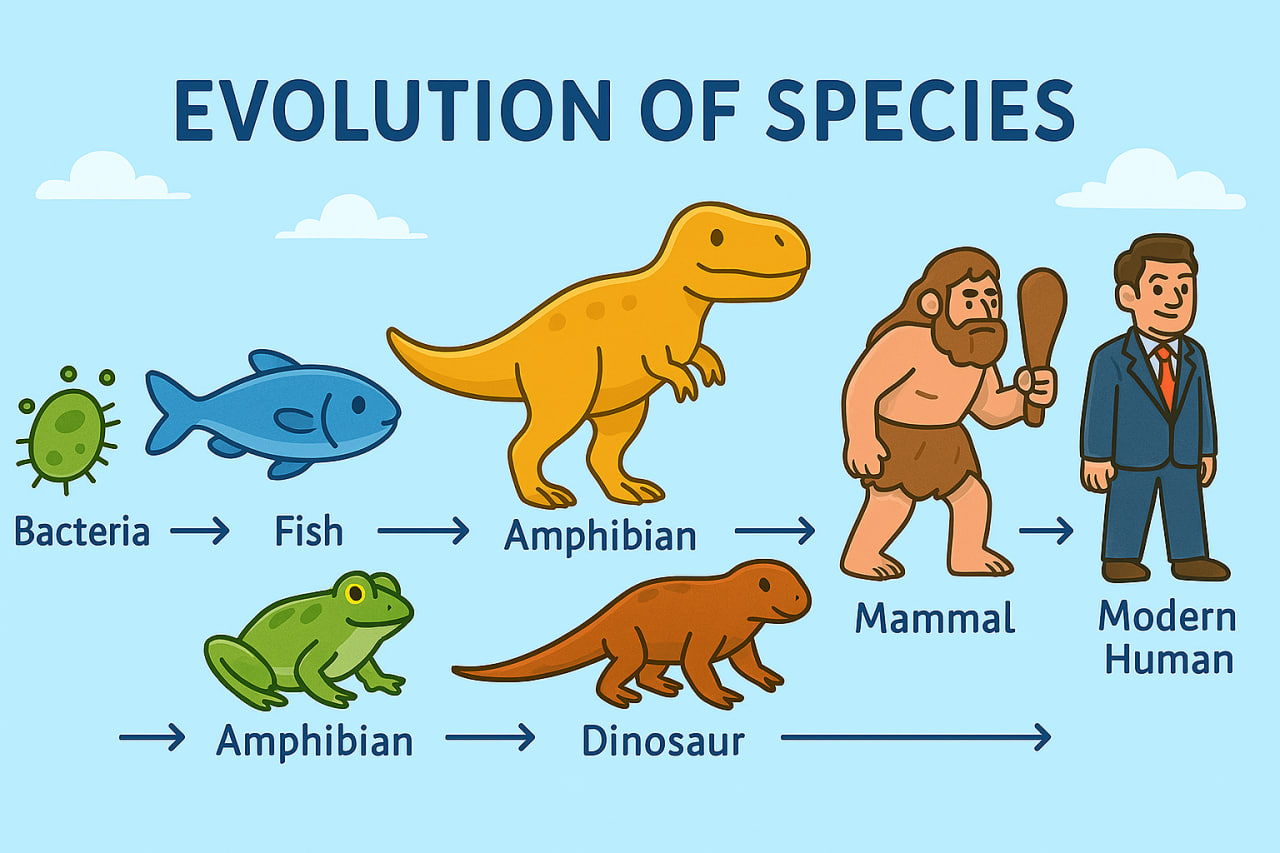
Life on Earth didn’t always look like it does today. Over billions of years, living organisms have undergone gradual, fascinating changes through a process called evolution.