
Forests and Their Role in the Life of the Planet
Forests are among the most vital ecosystems on Earth. Covering about 31% of the planet’s land area, they provide food, shelter, clean air, and are home to more than 80% of terrestrial species.
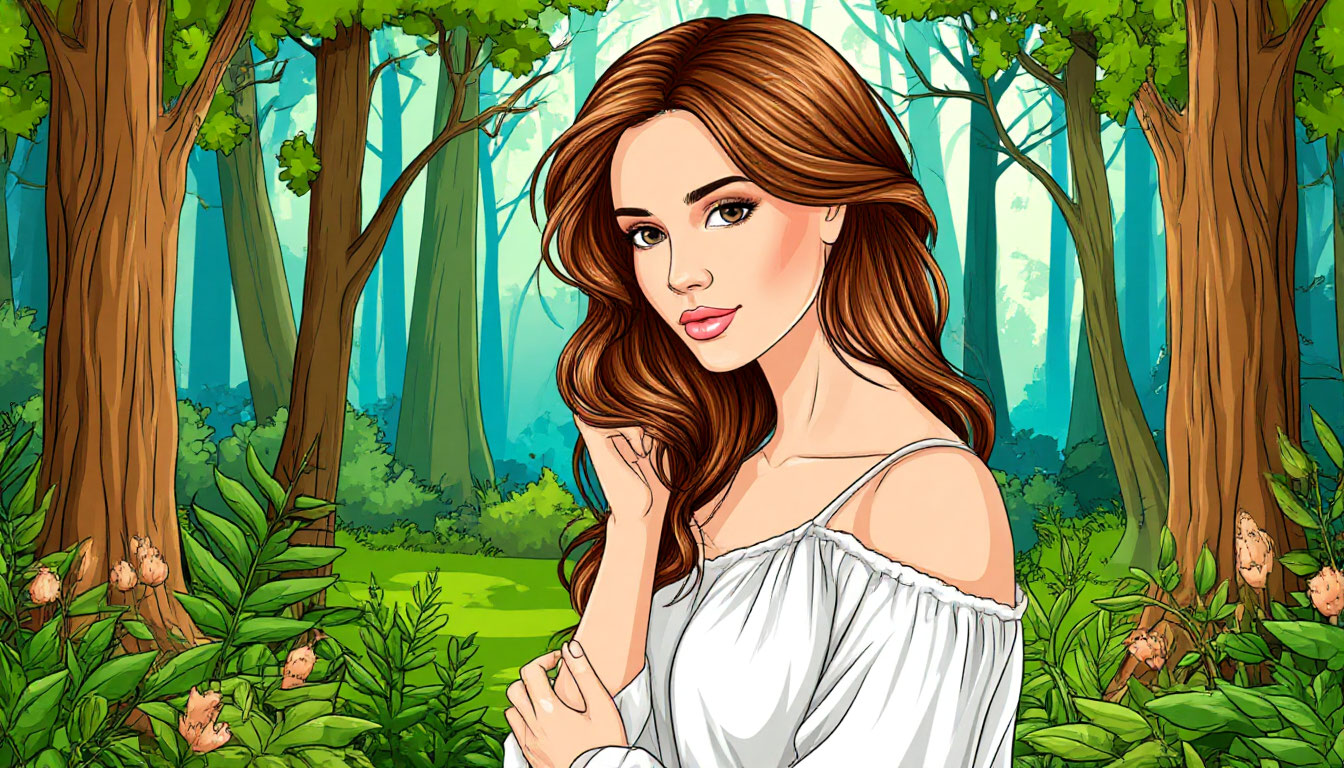
Forests are among the most vital ecosystems on Earth. Covering about 31% of the planet’s land area, they provide food, shelter, clean air, and are home to more than 80% of terrestrial species.
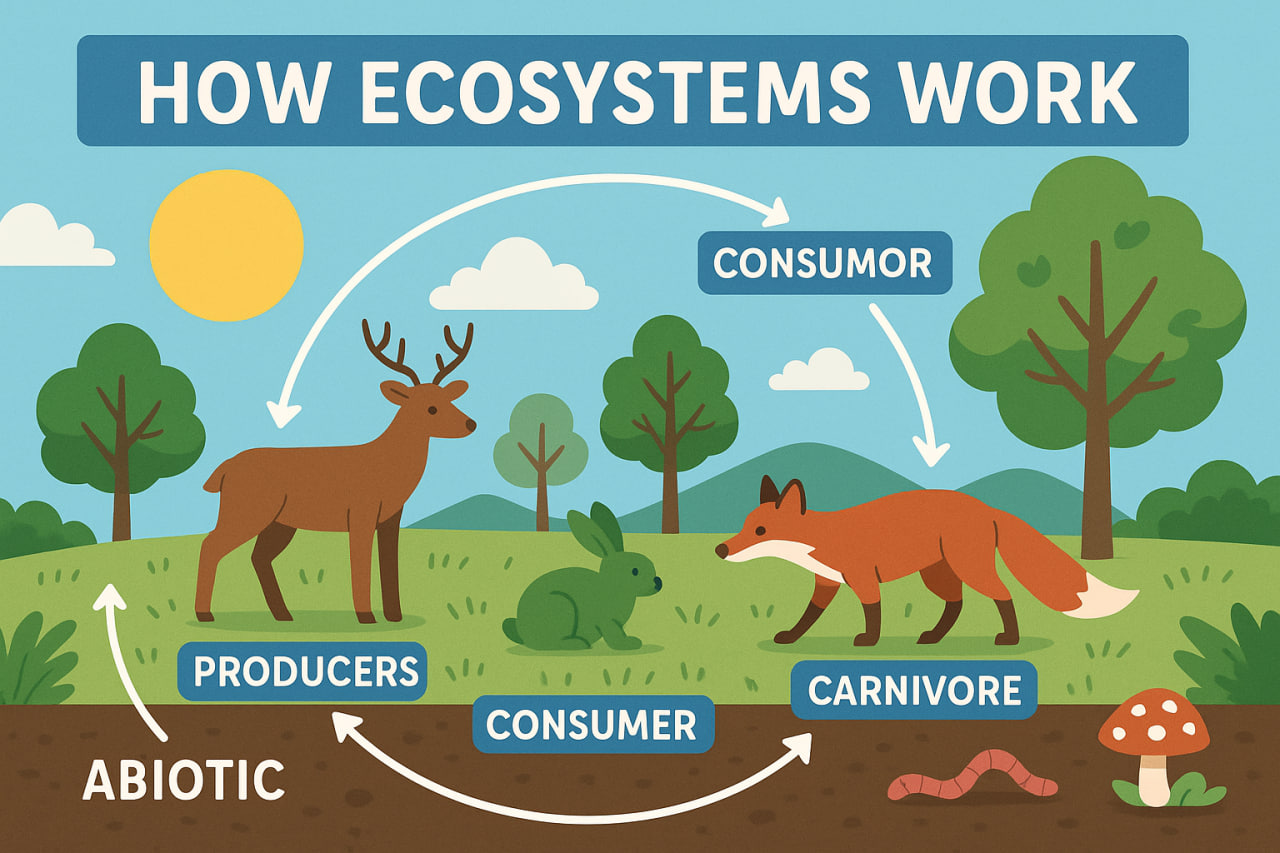
An ecosystem is a dynamic community of living organisms interacting with one another and with their physical environment.
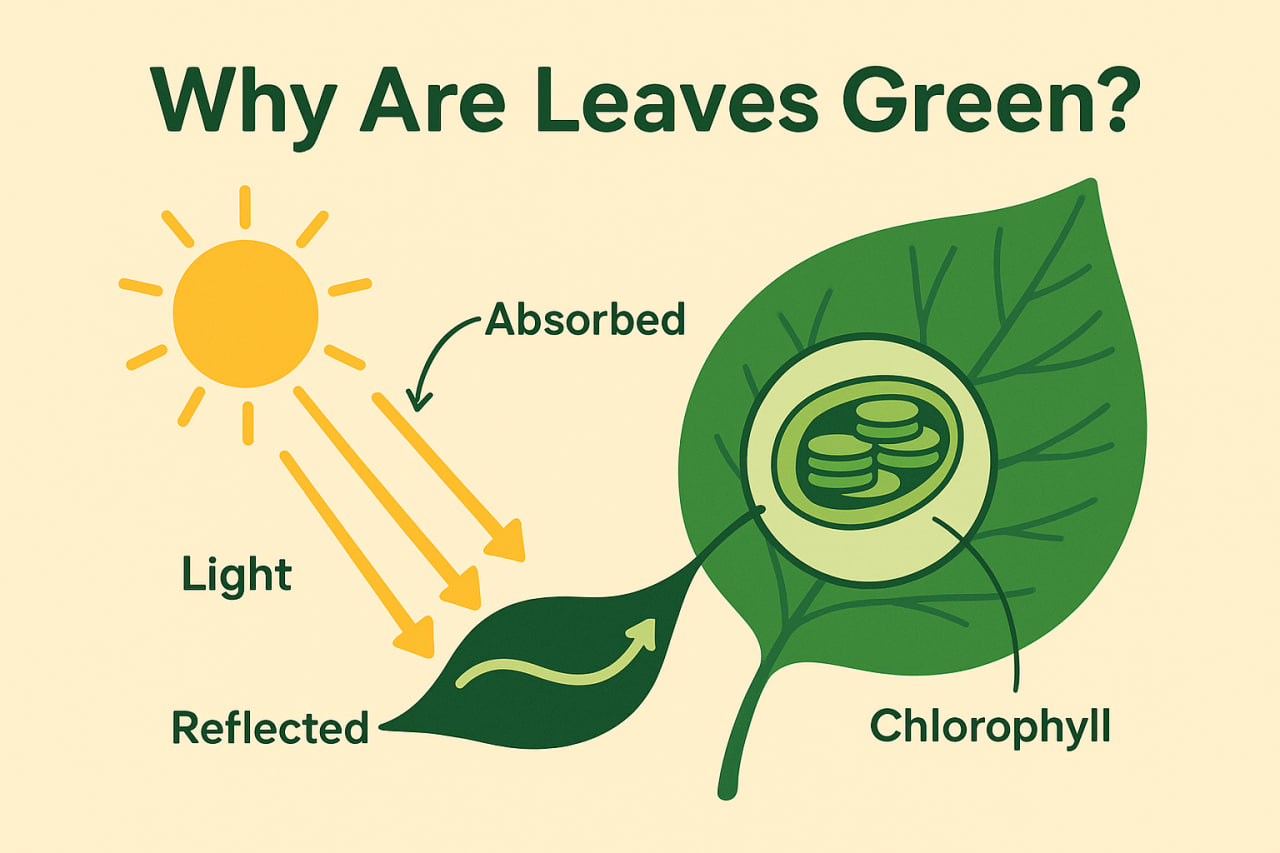
When you walk through a forest or look at a garden, one of the most common colors you’ll see is green. But why are leaves green and not blue, red, or purple?
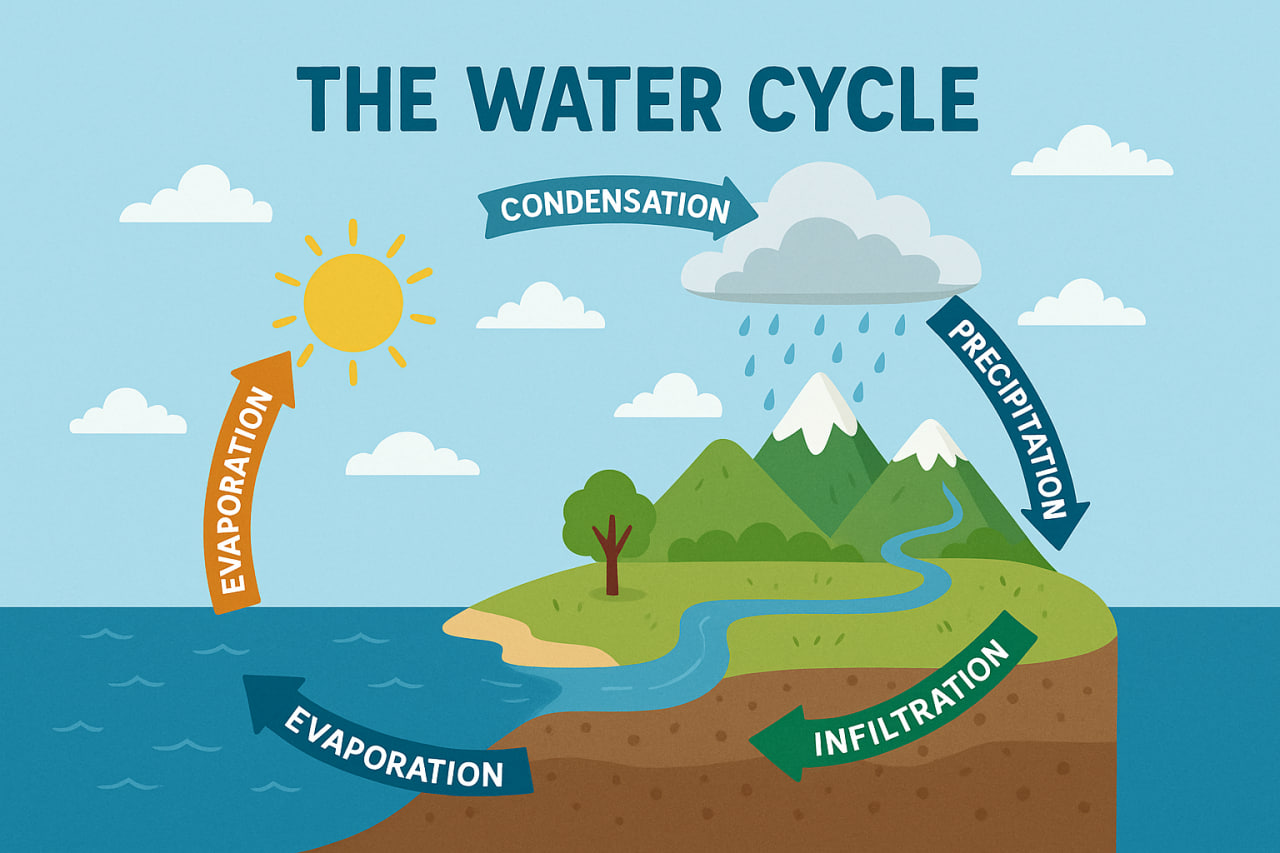
Water is constantly on the move. It flows, evaporates, freezes, melts, and condenses in a repeating loop that supports all life on Earth.
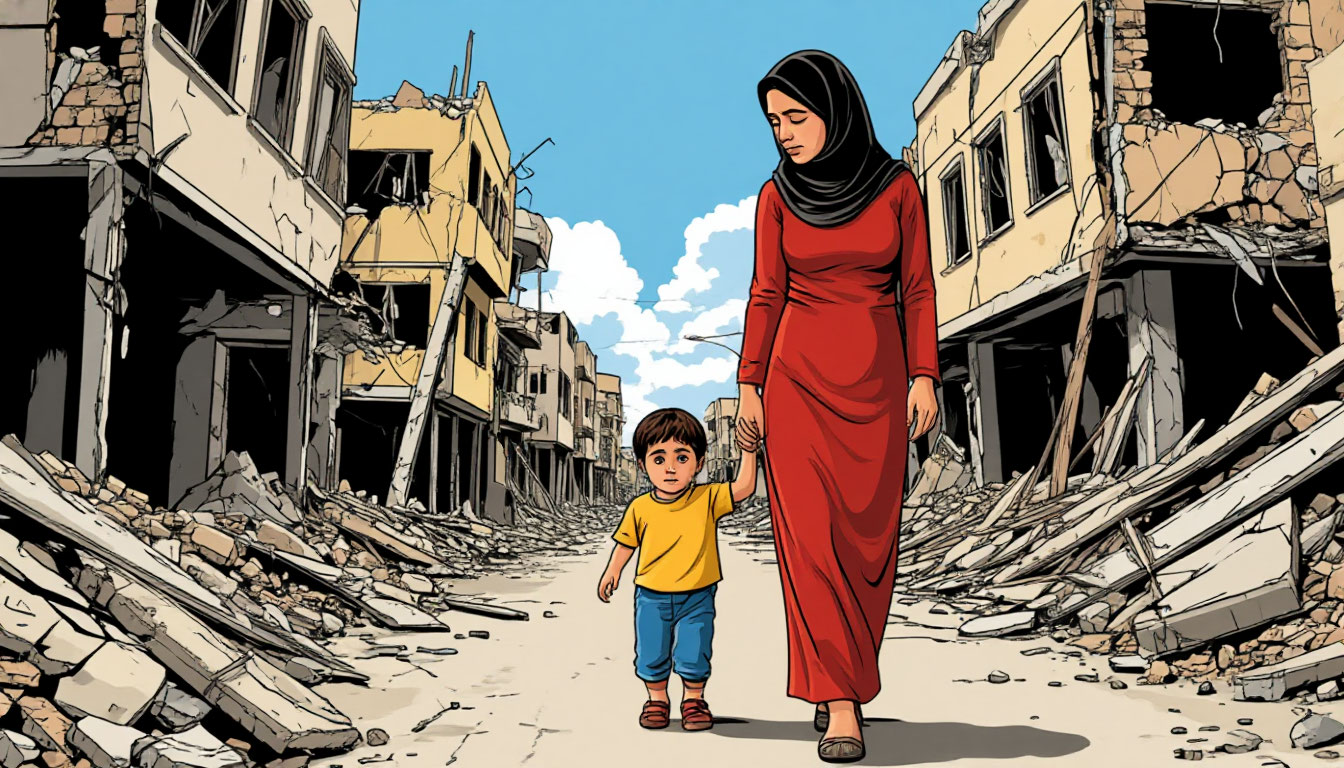
Japan sits along the Pacific Ring of Fire and is prone to powerful seismic events. Among the gravest threats is a mega‑earthquake (magnitude 8–9) in the Nankai Trough, an undersea trench off...
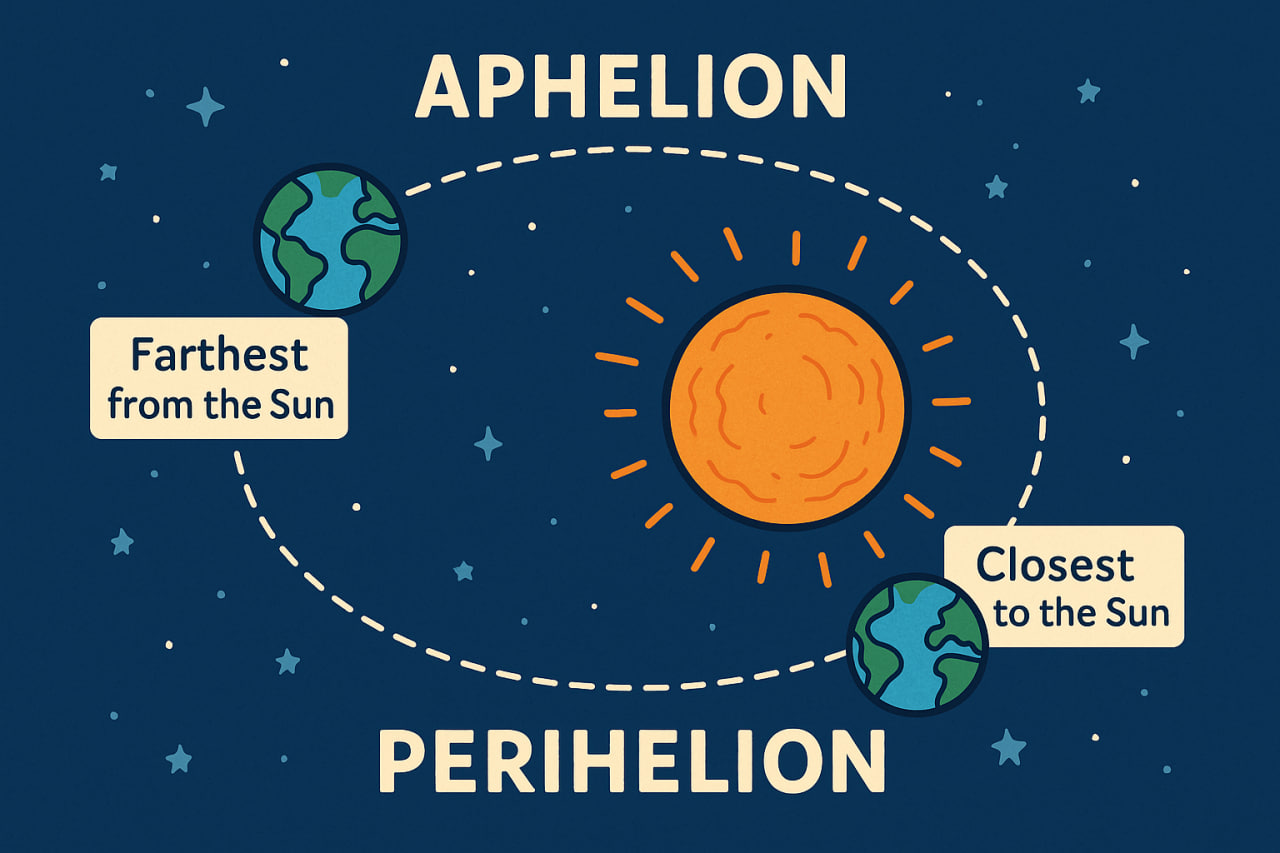
Every planet in our Solar System follows an elliptical orbit around the Sun, not a perfect circle. This means the distance between the planet and the Sun changes throughout the year.
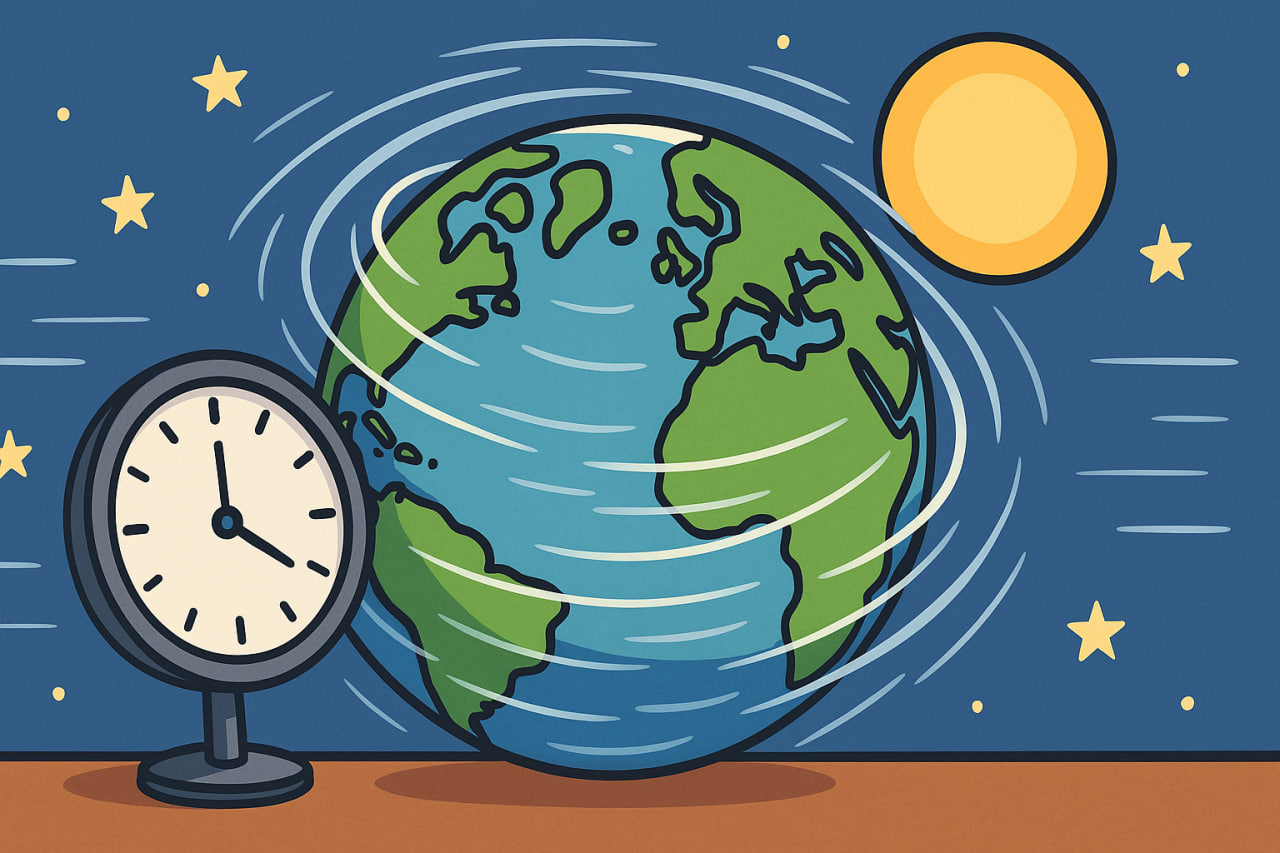
The Earth rotates once every 24 hours, giving us the day-night cycle. But this rotation isn't perfectly constant.
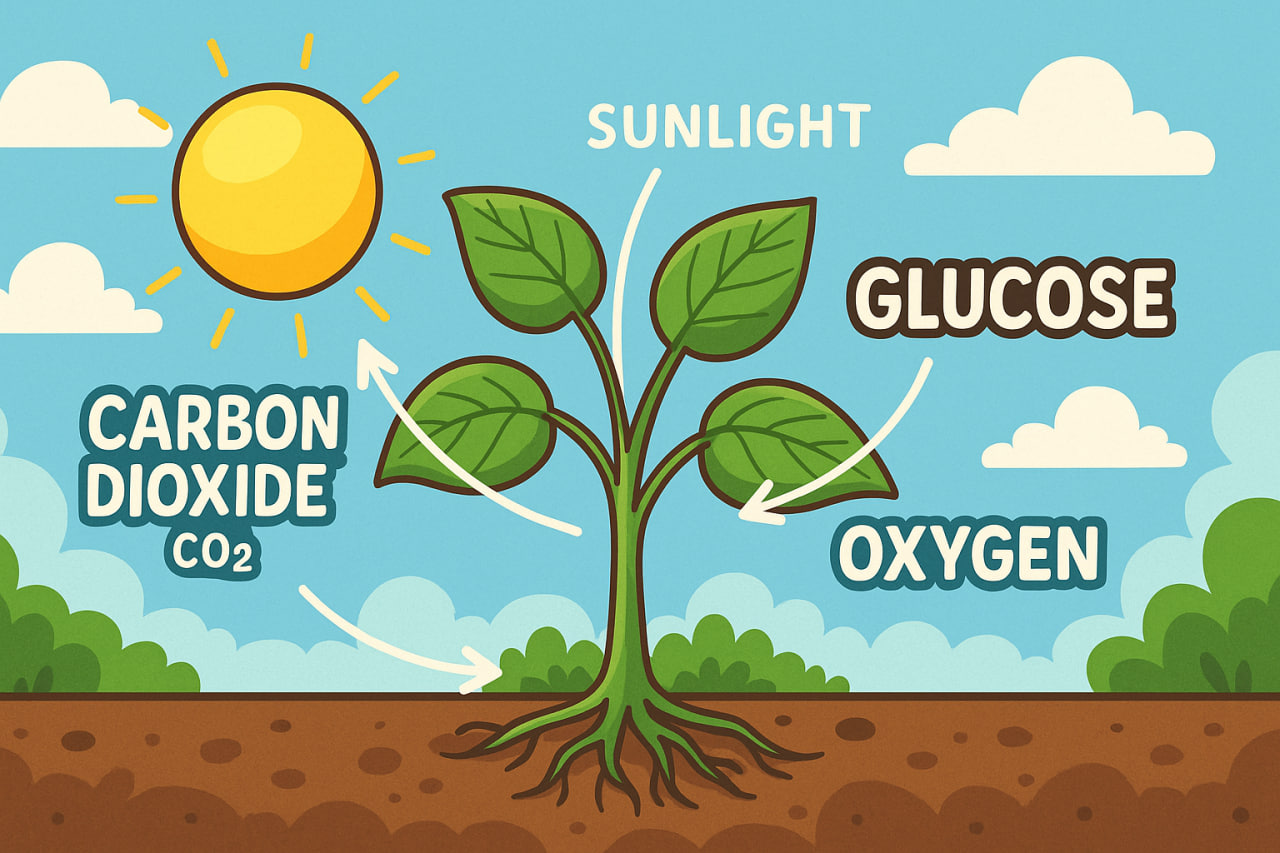
Photosynthesis is a process by which plants, algae, and some bacteria use sunlight, water, and carbon dioxide to produce glucose (a form of sugar) and oxygen.
Sunlight is the primary energy source for our planet. It provides the warmth that makes Earth habitable.
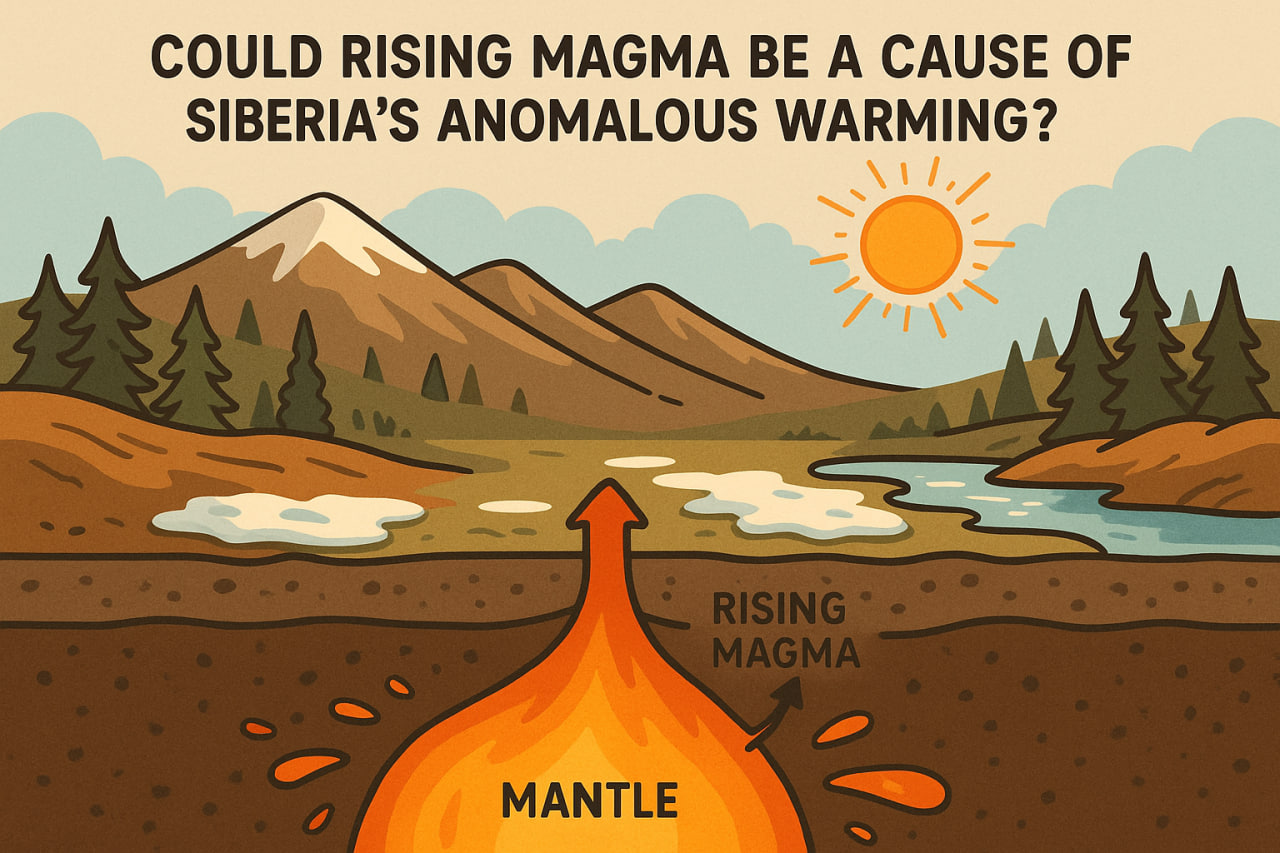
Siberia, one of the coldest inhabited regions on Earth, has been experiencing anomalous warming at a rate much faster than the global average.