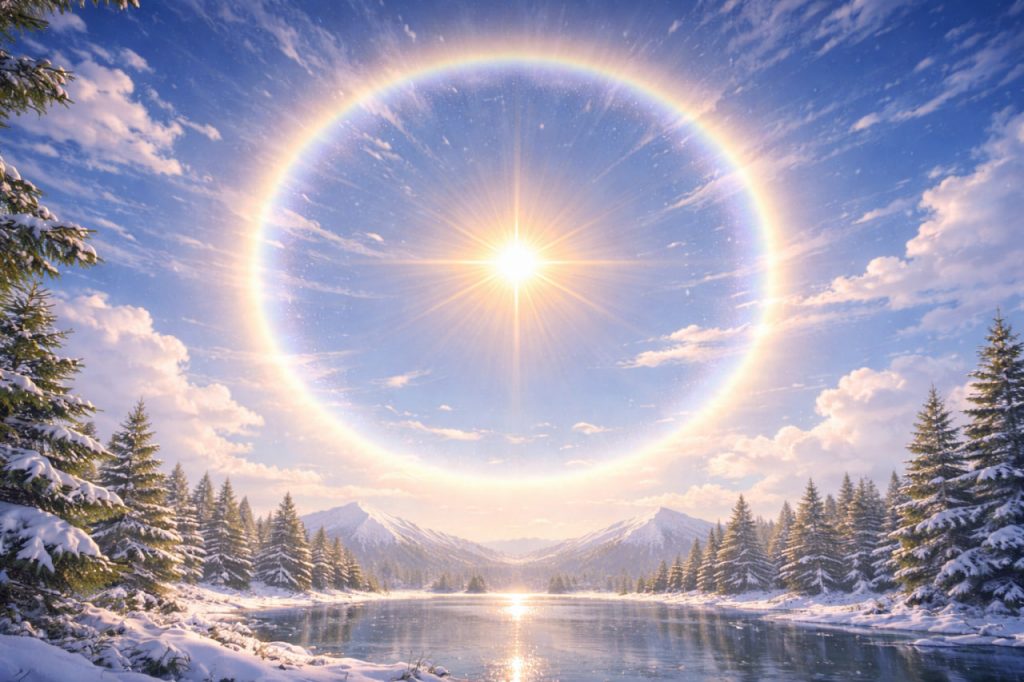
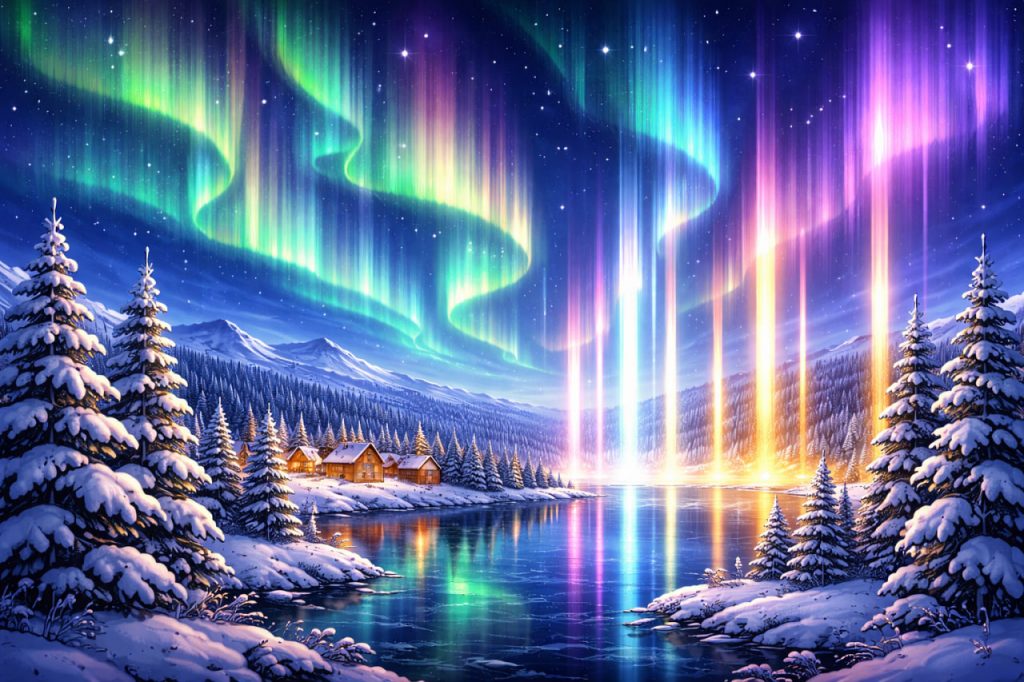
A halo is a beautiful and sometimes mysterious atmospheric phenomenon that appears as a bright ring or arc of light around the Sun or the Moon. For many people, seeing…
Australia is one of the most distinctive regions on Earth, unique in being both a sovereign country and an entire continent. Its isolation over millions of years shaped landscapes, ecosystems,…
Snow is one of the most familiar natural phenomena, yet its formation involves complex physical processes happening high in the atmosphere. At its core, snow is a form of frozen…
Climate defines the long-term patterns of temperature, precipitation, wind, and seasonal change that characterize different regions of Earth. Unlike weather, which can change from hour to hour, climate reflects conditions…
Death Valley is a landscape of extremes, holding records that make it one of the most inhospitable yet scientifically fascinating places on the planet. Located in eastern California, this desert…
The Egyptian pyramids are among the most iconic and enduring monuments ever built by human civilization. Rising from the desert sands for more than four thousand years, they continue to…
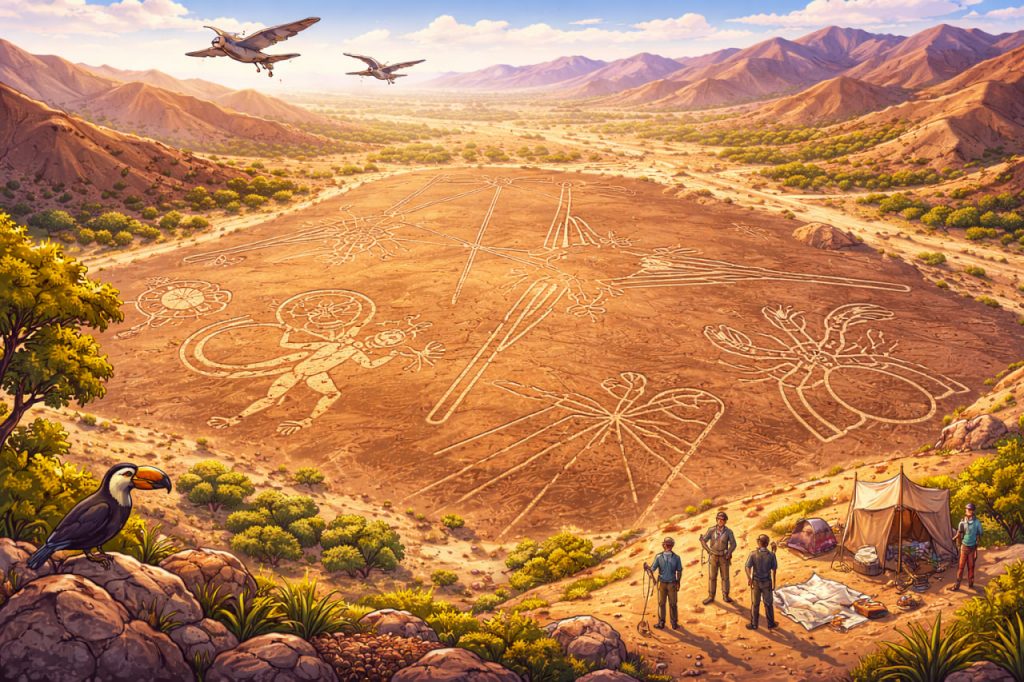
The Nazca geoglyphs are among the most enigmatic archaeological phenomena on Earth. Located in the arid desert of southern Peru, these enormous ground drawings depict animals, plants, geometric shapes, and…
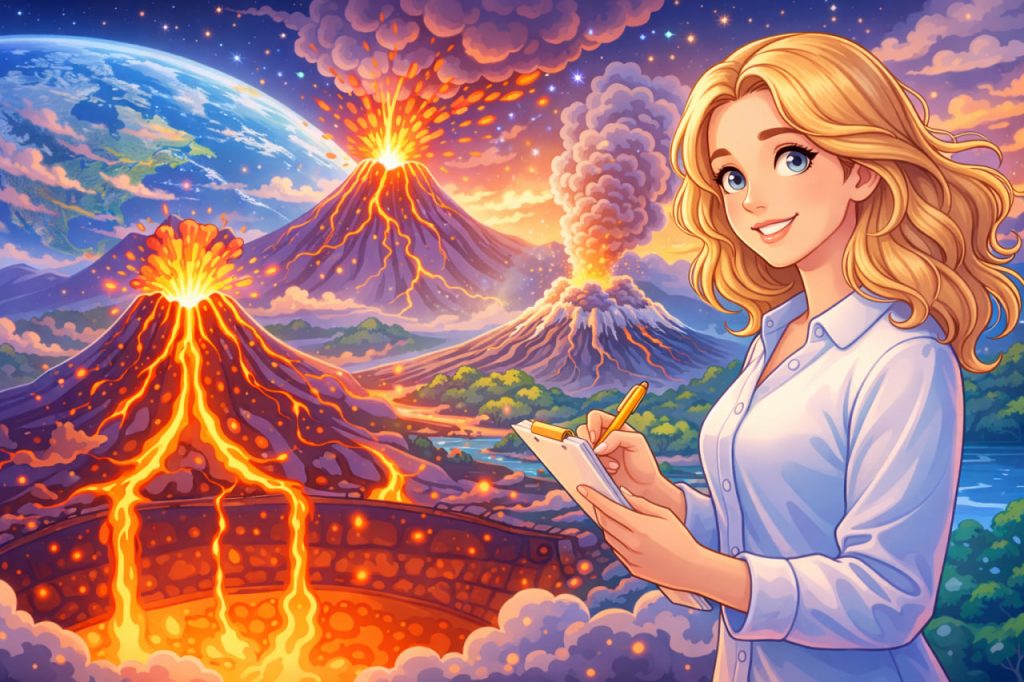
Volcanism is one of the fundamental processes shaping Earth’s surface and interior. Through volcanic activity, heat and material from deep within the planet reach the surface, influencing landscapes, atmosphere, and…
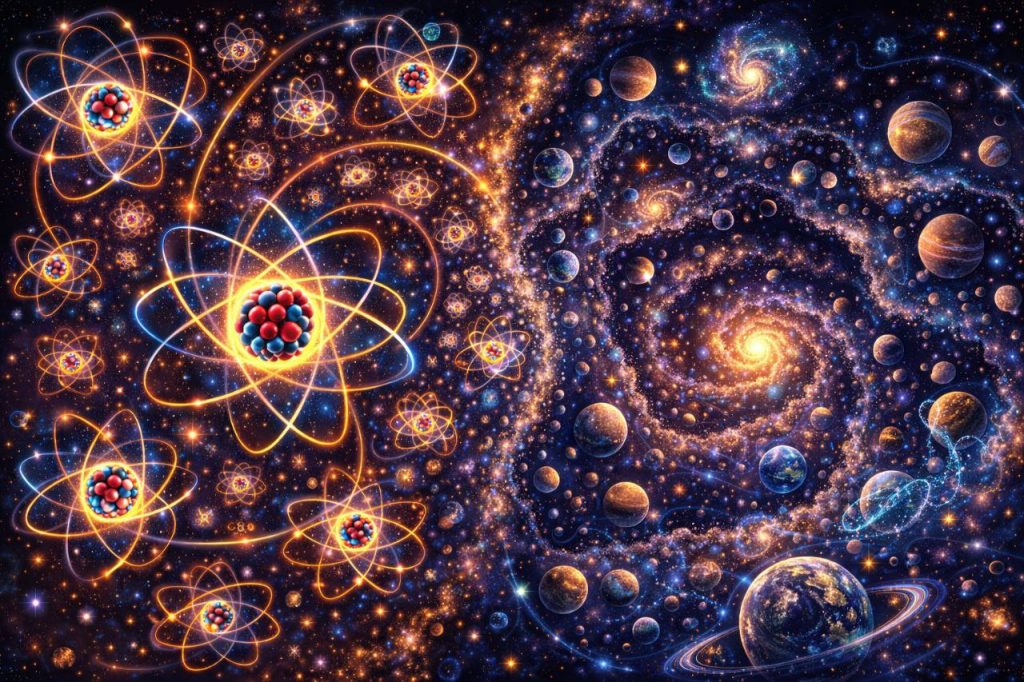
Fractality in nature describes a fundamental pattern in which similar shapes repeat across different scales, from the microscopic to the cosmic. Unlike simple geometric forms, fractal structures retain their complexity…
The northern lights and light pillars are two of the most striking atmospheric optical phenomena, often observed in cold, high-latitude regions. Although they may sometimes appear together in winter skies,…