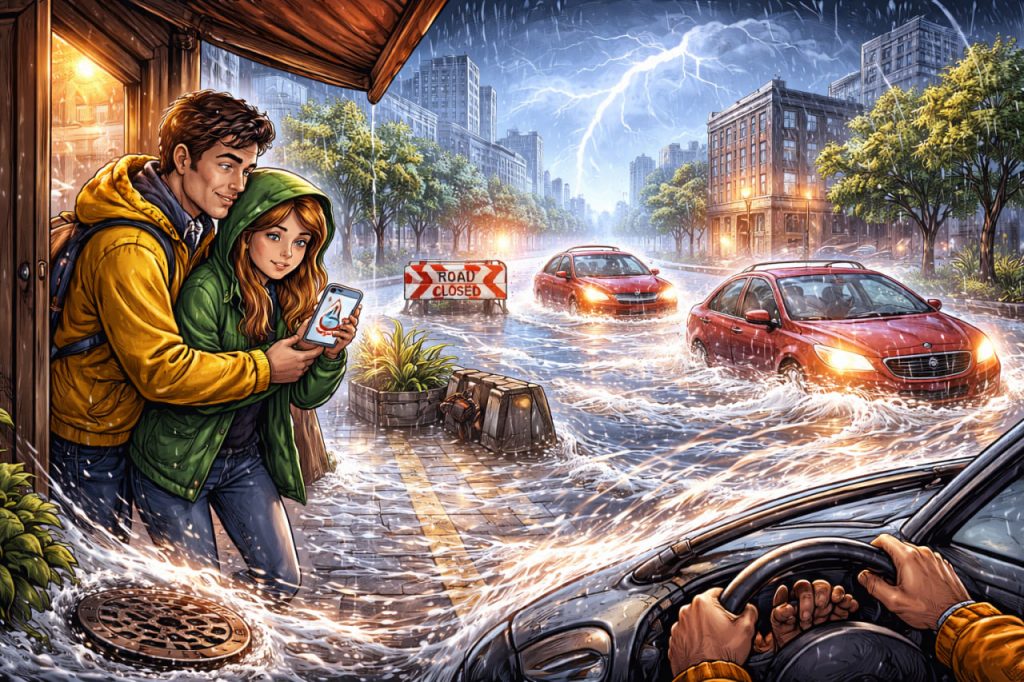
Heavy rain is often underestimated as a natural hazard, yet it can quickly create dangerous conditions in both urban and rural environments. Intense rainfall reduces visibility, overwhelms drainage systems, and…
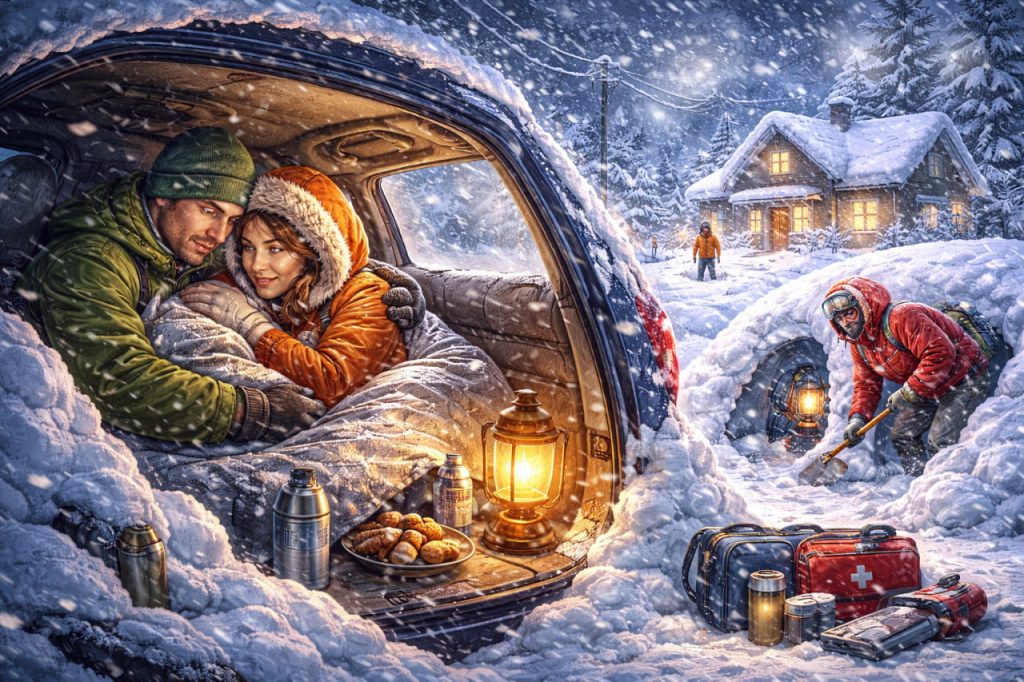
Severe snowstorms are among the most dangerous natural events in cold climates, capable of isolating communities, disabling infrastructure, and turning ordinary situations into life-threatening emergencies. Heavy snowfall, strong winds, and…
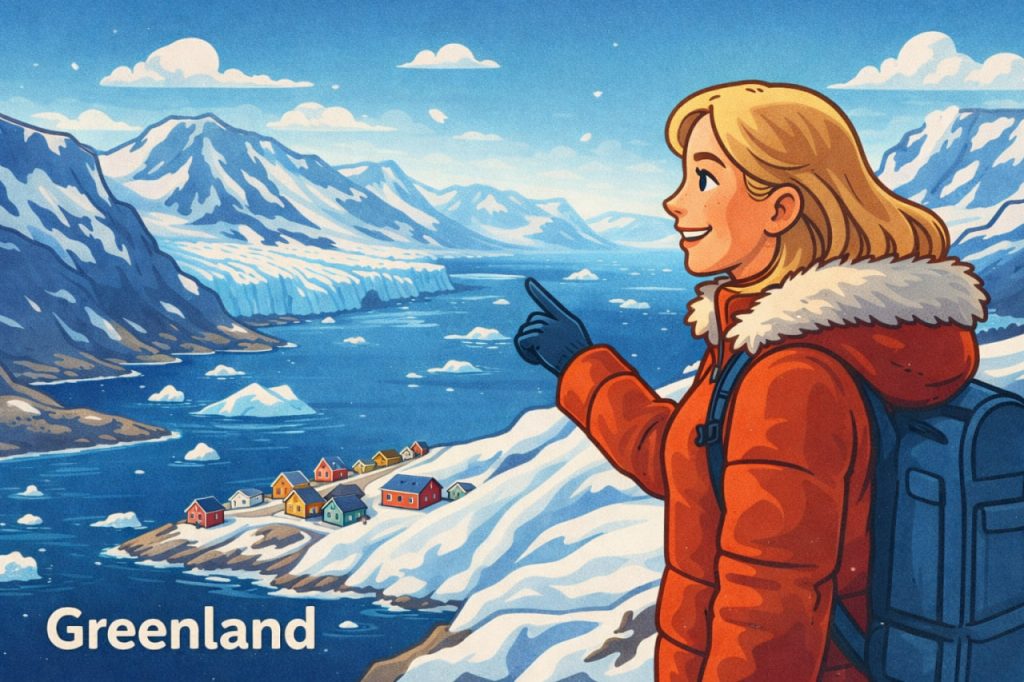
Greenland is the largest island on Earth and one of the most important regions for understanding how our planet’s climate system works. Covered mostly by a massive ice sheet, Greenland…
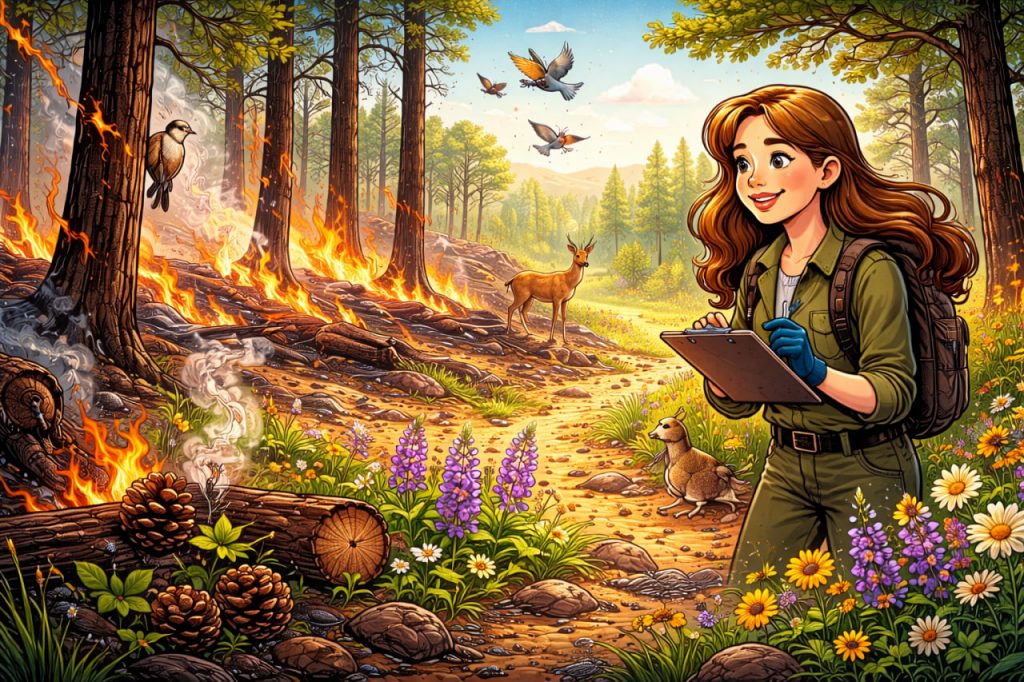
Forest fires are often perceived only as destructive events that threaten wildlife, forests, and human settlements. However, from an ecological perspective, fire has long been a natural force shaping many…
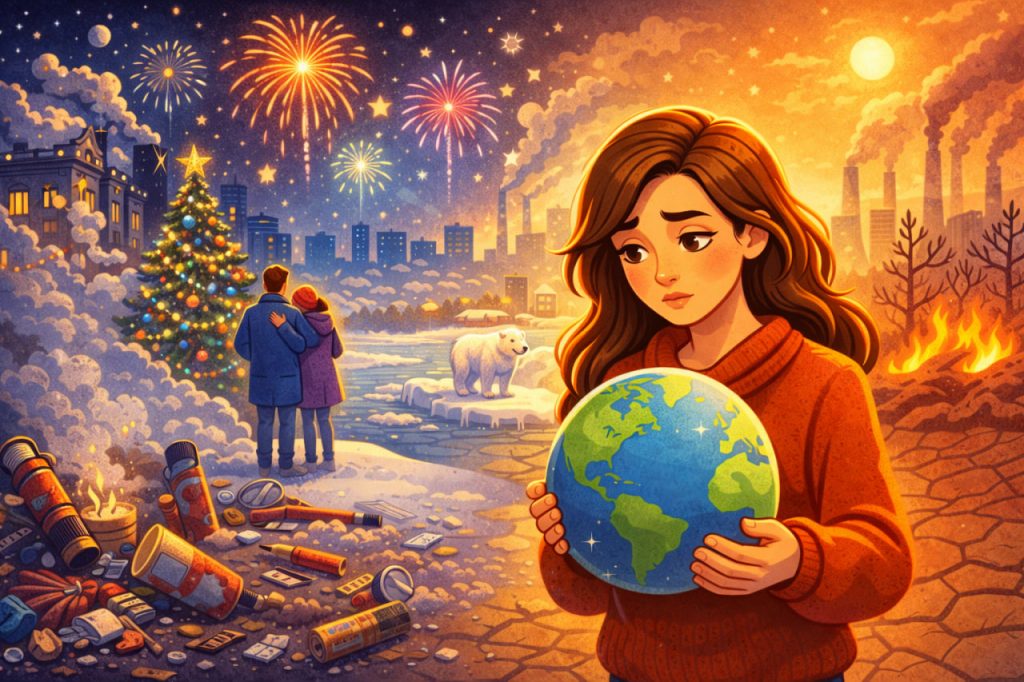
The New Year is a global celebration that unites billions of people, yet behind the lights, fireworks, and festivities lies a noticeable environmental footprint. Each year, seasonal traditions influence energy…
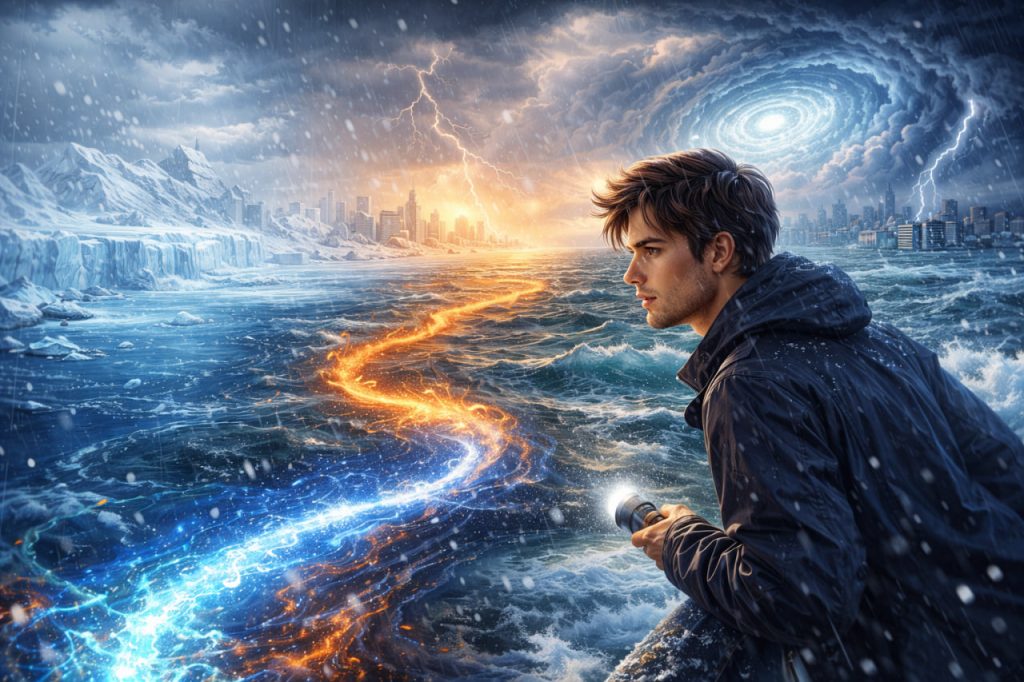
The Gulf Stream is one of the most powerful and influential ocean currents on Earth, playing a crucial role in regulating climate across the Northern Hemisphere. By transporting warm water…
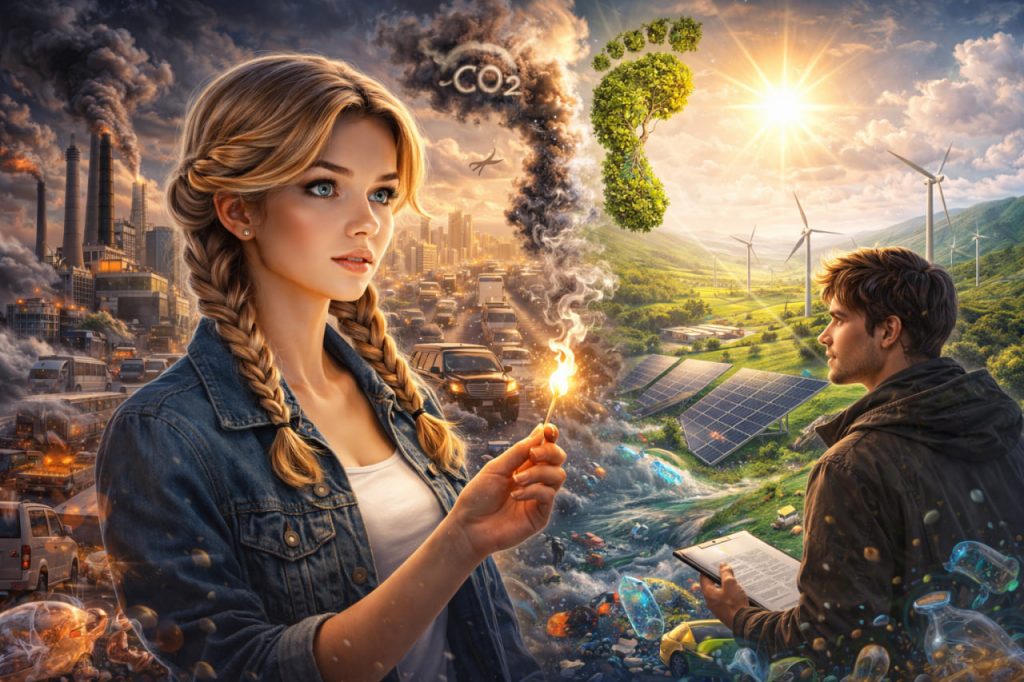
The concept of the carbon footprint has become central to discussions about climate change, sustainability, and personal responsibility. It is often presented as a simple measure of how much harm…
The cryosphere is one of the least visible yet most influential components of Earth’s climate system. It includes all regions where water exists in frozen form—glaciers, ice sheets, sea ice,…
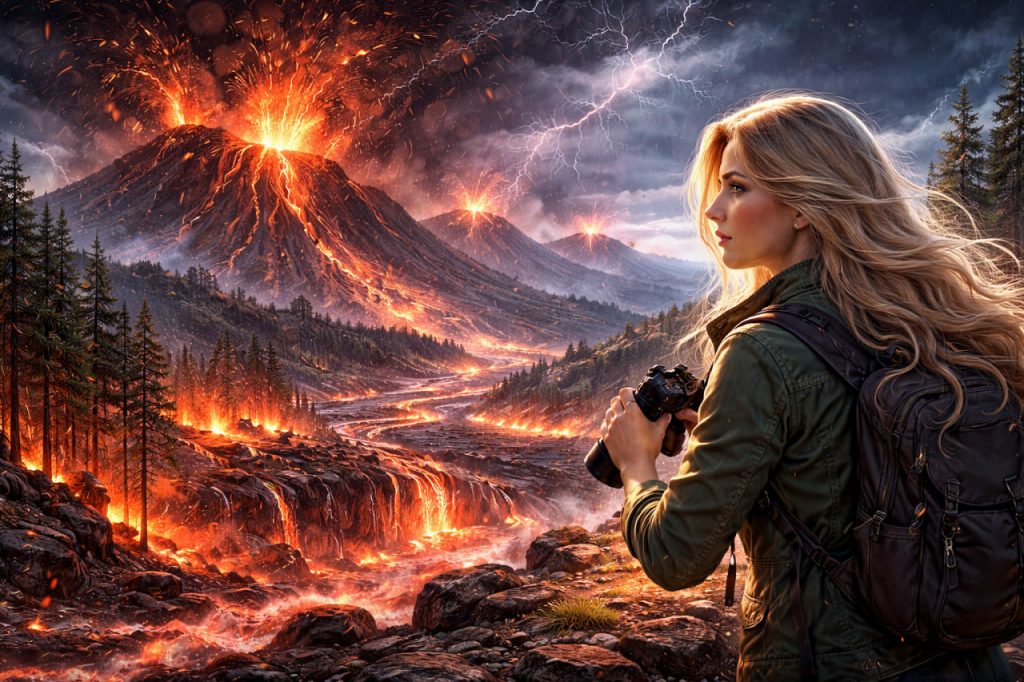
The Siberian Traps are one of the most powerful volcanic systems in Earth’s history, associated with catastrophic environmental change. Around 252 million years ago, massive eruptions in this region coincided…
The sixth mass extinction refers to the ongoing and rapid loss of biodiversity occurring on Earth today. Unlike previous mass extinctions caused by natural catastrophes such as volcanic eruptions or…