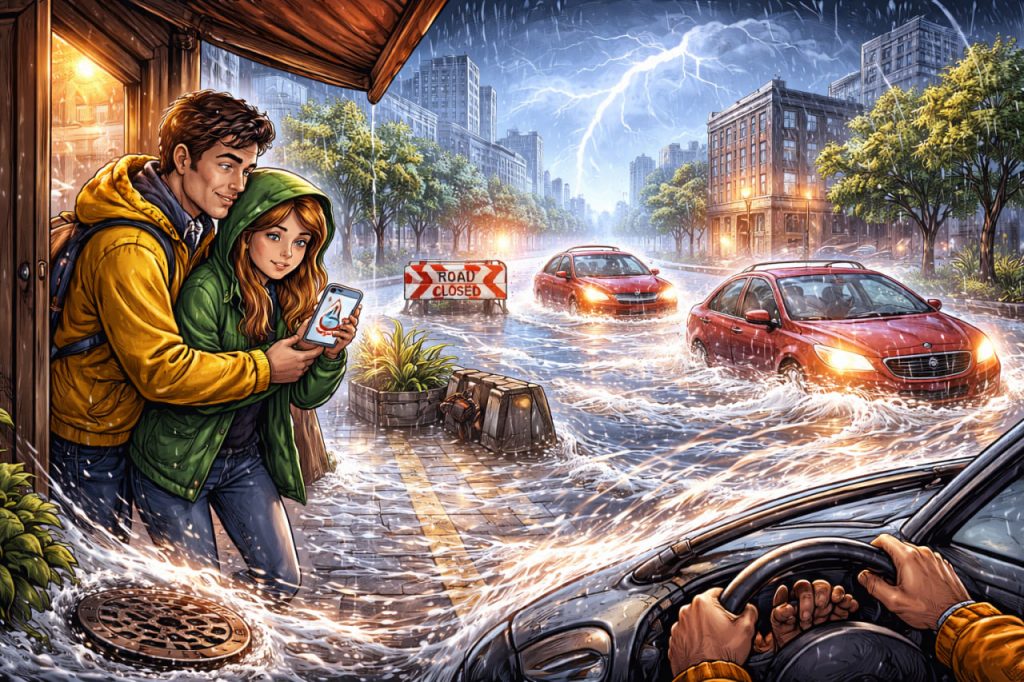
Heavy rain is often underestimated as a natural hazard, yet it can quickly create dangerous conditions in both urban and rural environments. Intense rainfall reduces visibility, overwhelms drainage systems, and…
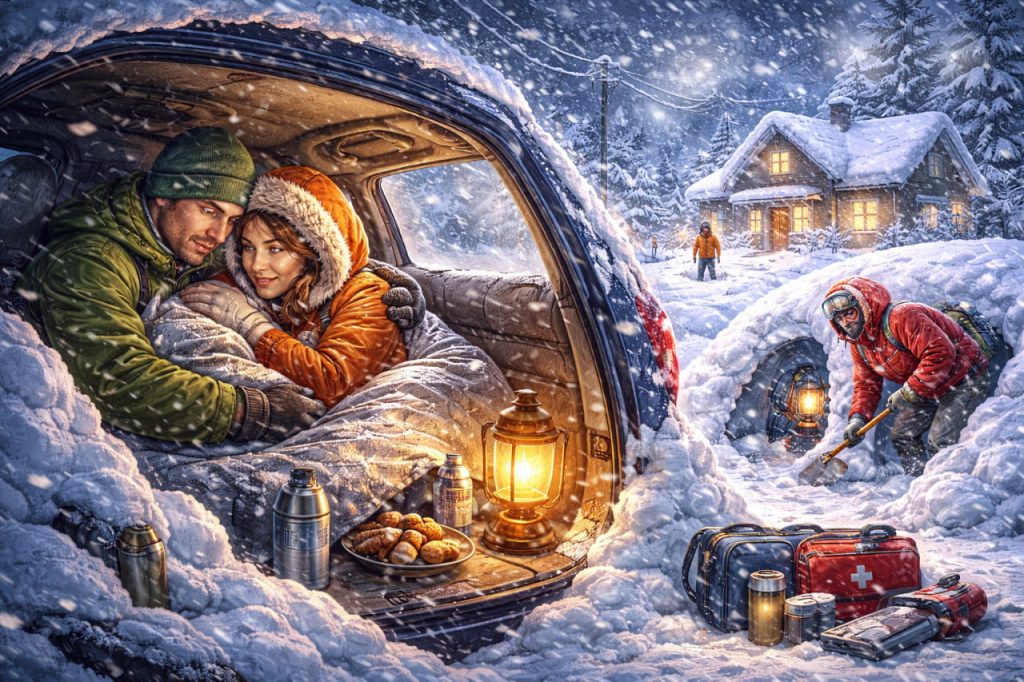
Severe snowstorms are among the most dangerous natural events in cold climates, capable of isolating communities, disabling infrastructure, and turning ordinary situations into life-threatening emergencies. Heavy snowfall, strong winds, and…
A tsunami is a fast-moving and extremely dangerous natural disaster that leaves very little time for hesitation. Knowing what to do before, during, and after a tsunami can significantly reduce…
Tsunamis are among the most powerful and destructive natural phenomena on Earth, capable of reshaping coastlines within minutes. Unlike ordinary sea waves caused by wind, tsunamis originate from sudden and…
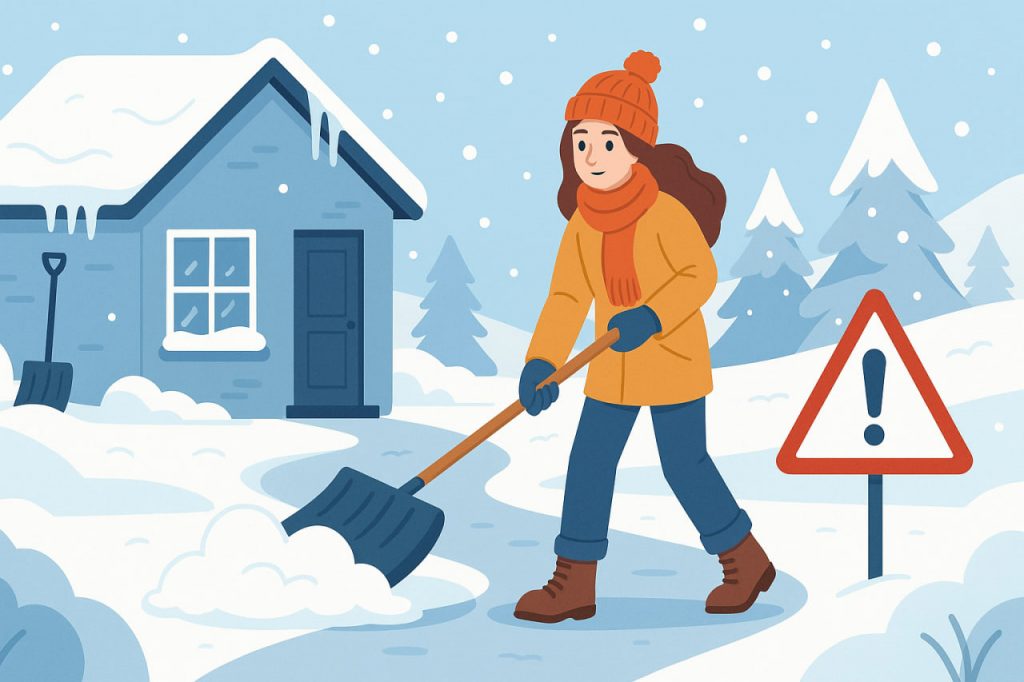
Winter is a season that brings beauty, celebration, and calm, but it also introduces specific hazards that require attention and preparation. Low temperatures, icy surfaces, storms, and limited daylight can…
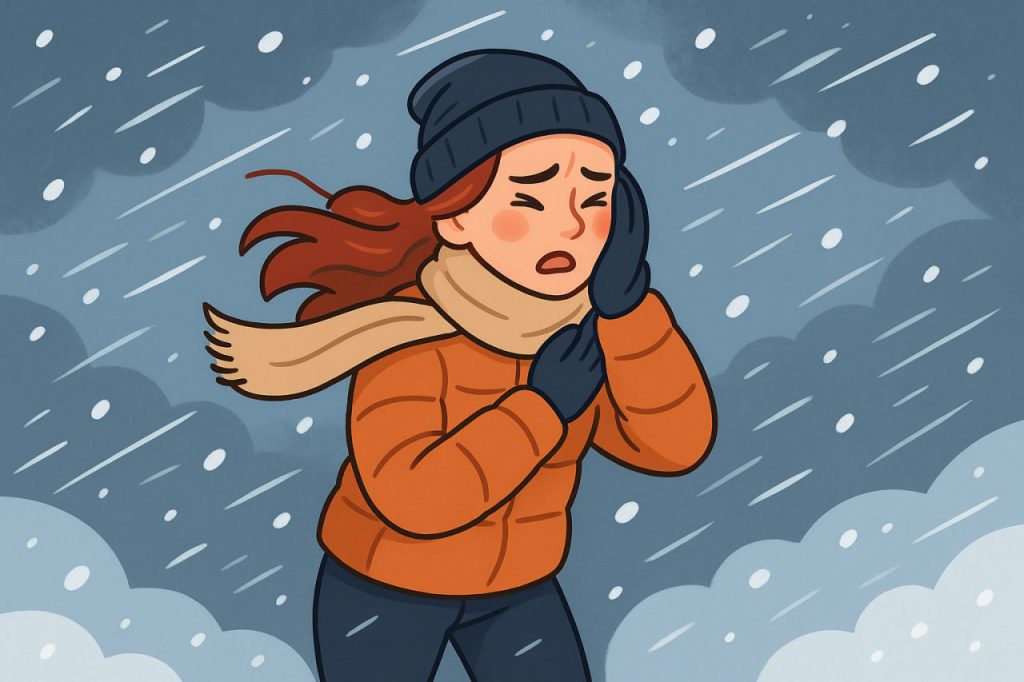
A snowstorm, or blizzard, can develop suddenly and create dangerous conditions that threaten visibility, mobility, and personal safety. Strong winds, heavy snowfall, and rapidly dropping temperatures can disorient even experienced…
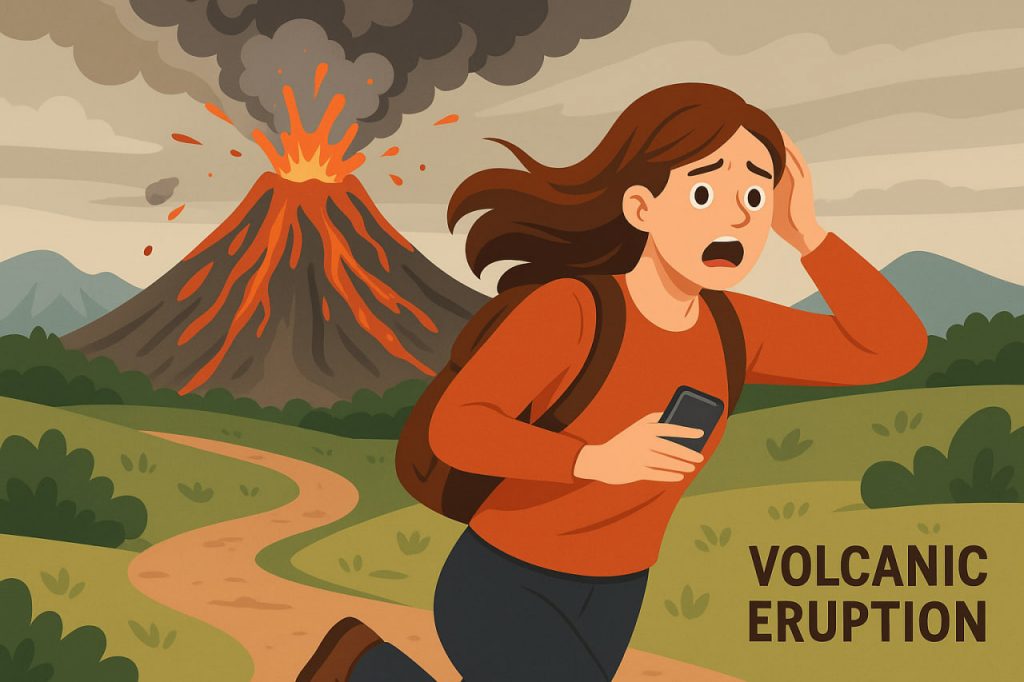
A volcanic eruption is one of the most dangerous natural events on Earth, capable of releasing ash clouds, lava flows, toxic gases, and fast-moving pyroclastic currents. When an eruption begins…
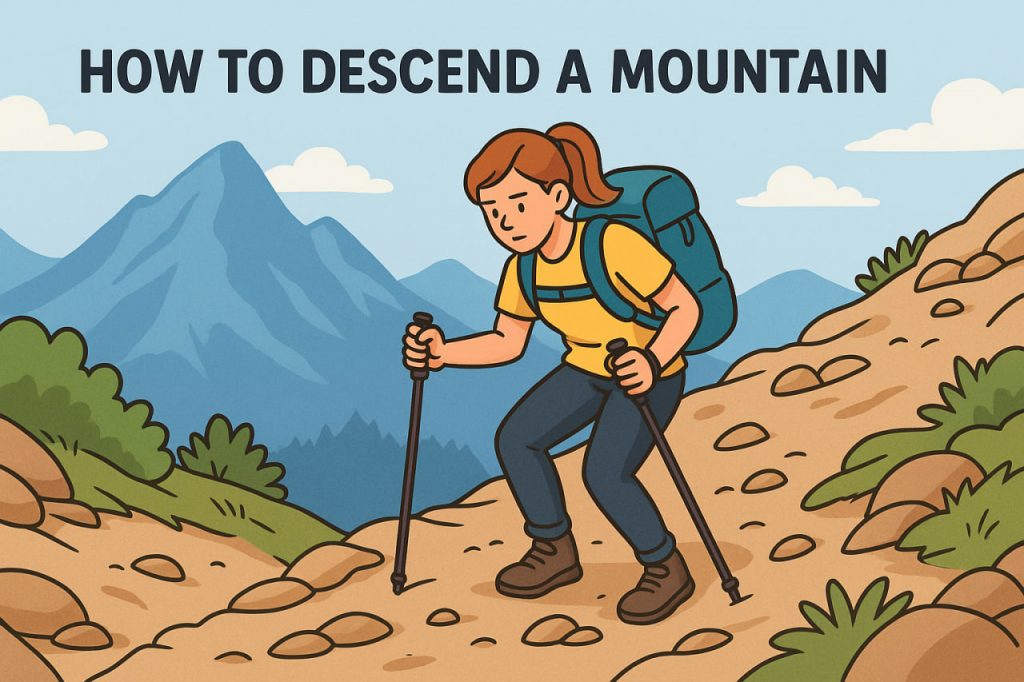
Descending a mountain may seem easier than climbing up, but in reality it is one of the most technically demanding and risky parts of any hike. When going downhill, the…
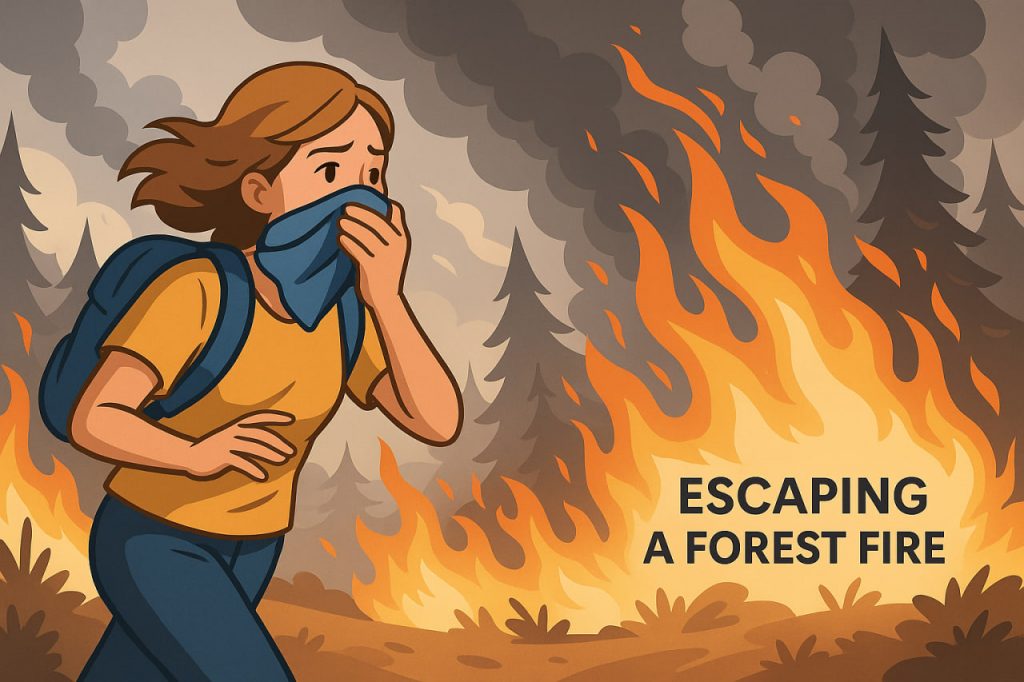
Finding yourself in a forest fire is one of the most dangerous and stressful situations a person can experience. Wildfires spread quickly, create intense heat, and fill the air with…
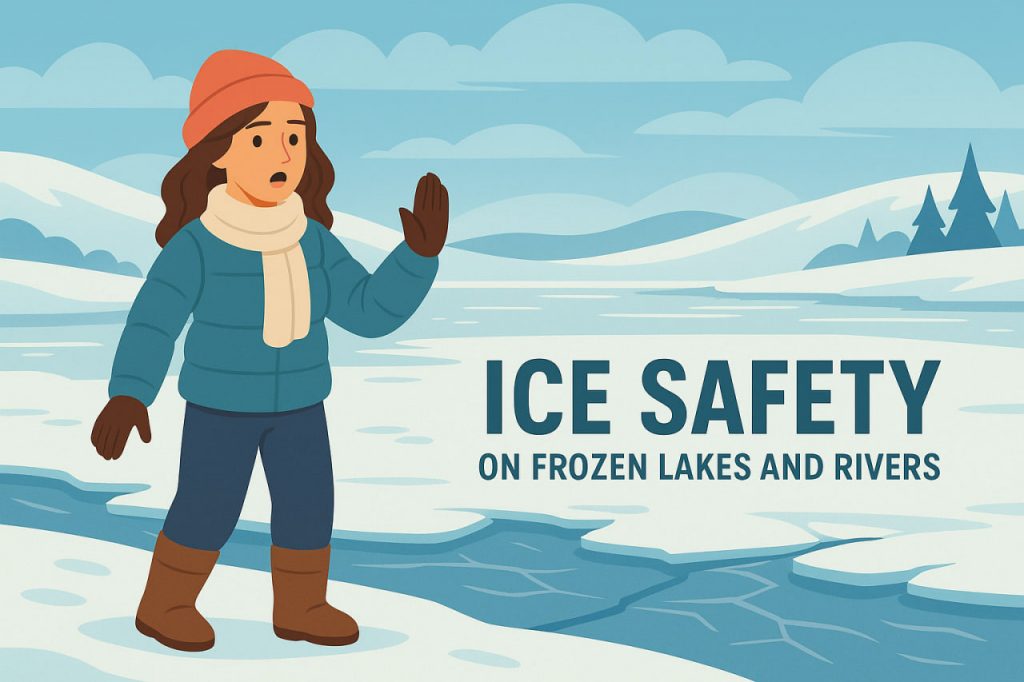
Ice safety is an essential topic for anyone who spends time near frozen lakes, rivers, or ponds during winter. Although ice may appear solid from the surface, its strength depends…