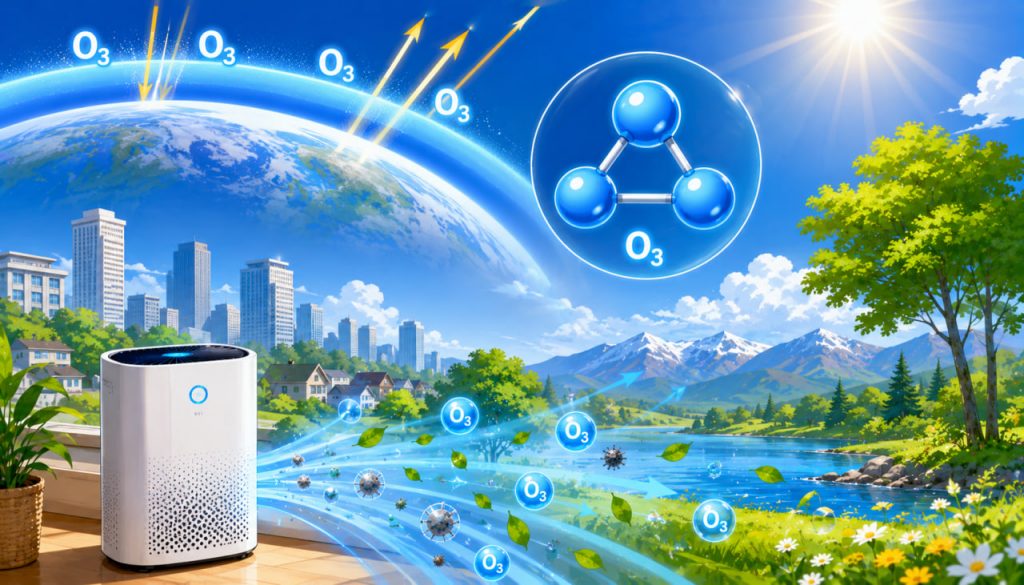
The ozone layer is one of the most important protective systems on our planet. Although it is invisible and relatively thin, it plays a critical role in preserving life on…
Ozone is a unique molecule composed of three oxygen atoms (O₃) and is known for its distinctive sharp smell, often noticed after thunderstorms. It plays a complex role in Earth's…
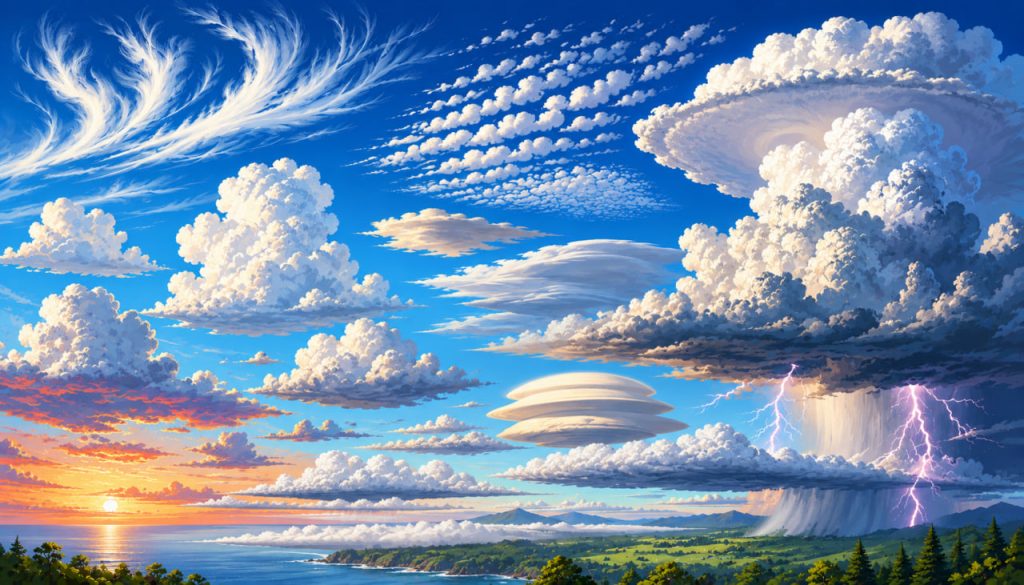
Clouds are among the most familiar features of Earth's atmosphere. They drift above us every day, creating dramatic sunsets, bringing rain, and shaping weather patterns across the planet. Yet despite…
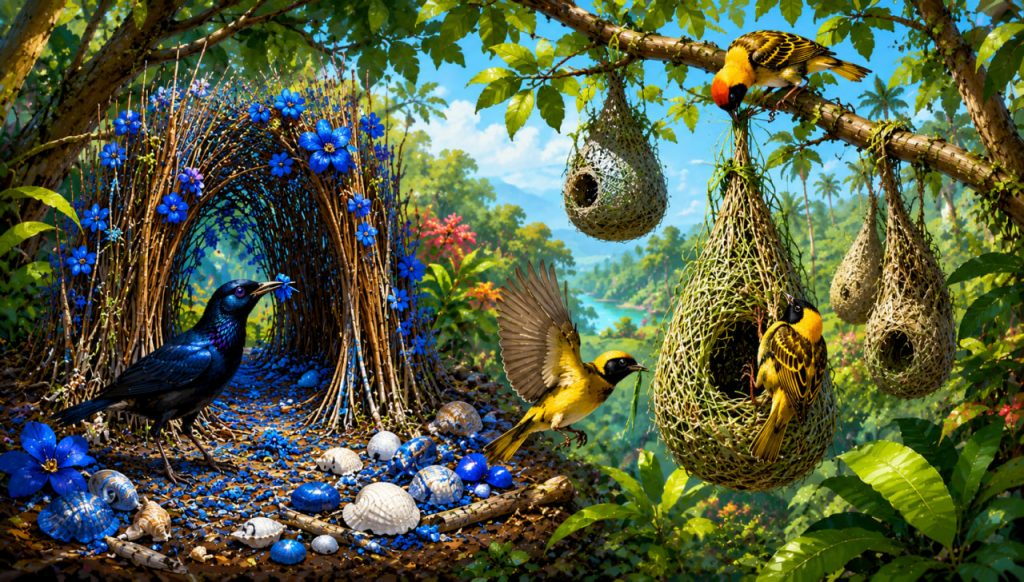
Humans often consider architecture one of the defining achievements of civilization. We design houses, bridges, skyscrapers, and entire cities. Yet long before human architects appeared, birds had already evolved astonishing…
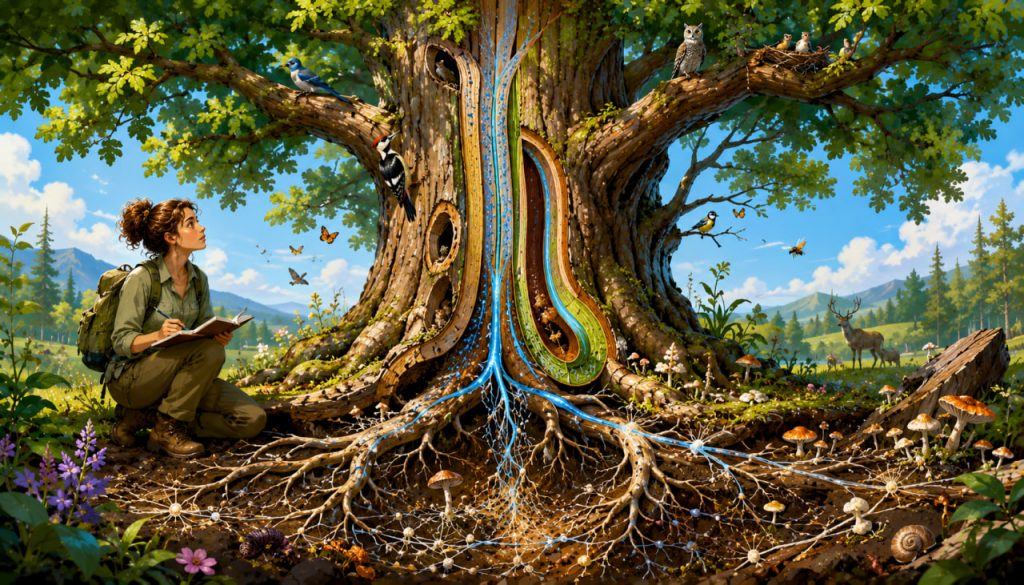
At first glance, a tree may seem like a simple organism. It stands in one place, grows slowly, and appears far less active than animals. Yet modern science reveals a…
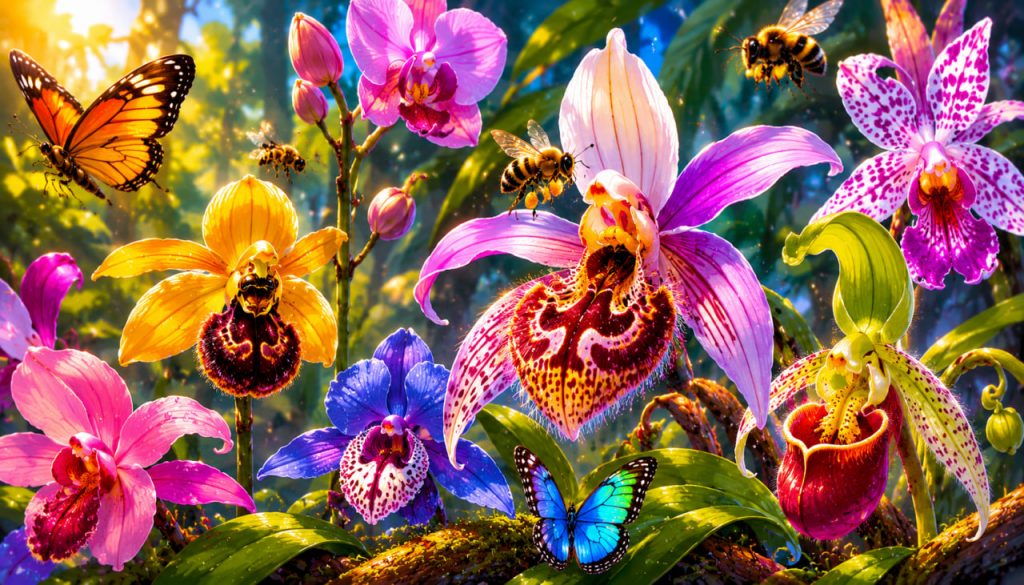
Orchids are among the most extraordinary plants on Earth. With more than 25,000 known species, they inhabit nearly every continent and display an astonishing variety of shapes, colors, and fragrances.…
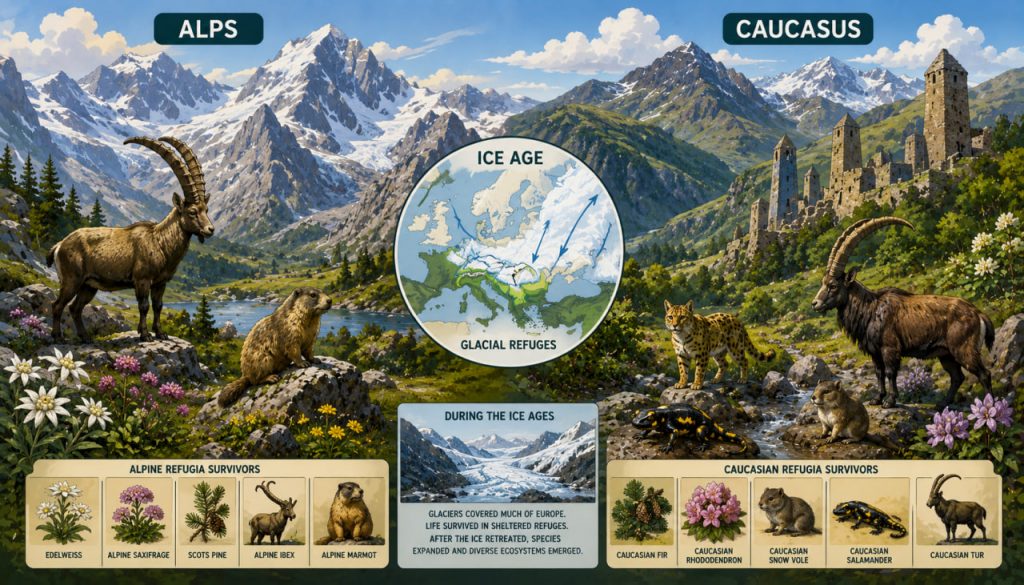
The Ice Ages were among the most dramatic climatic events in Earth's history. Vast glaciers covered large portions of Europe, transforming landscapes and forcing plants and animals to either adapt,…
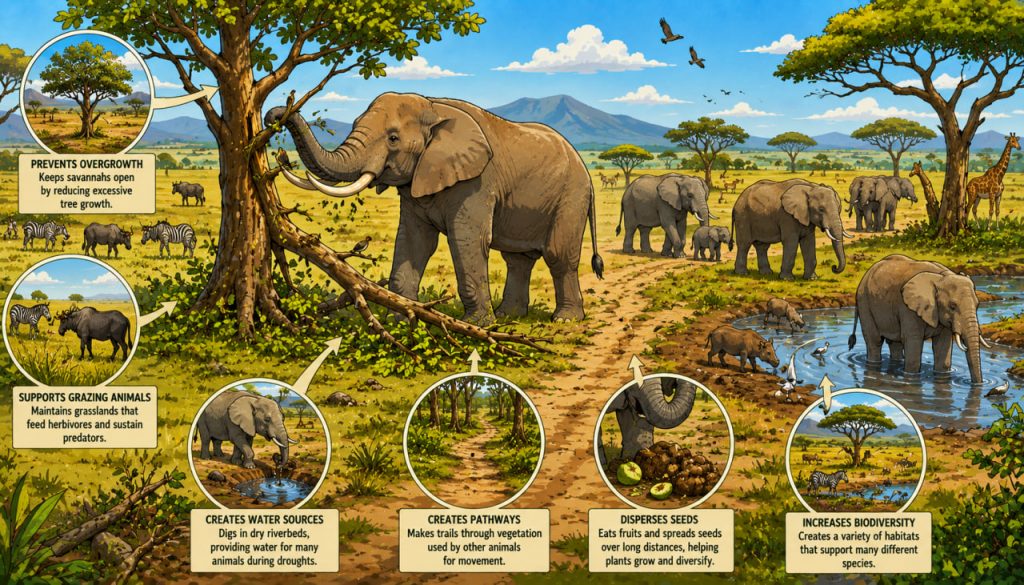
Elephants are often called the giants of the animal kingdom, but their importance goes far beyond their impressive size. In African savannahs, elephants act as ecosystem engineers—animals that physically modify…
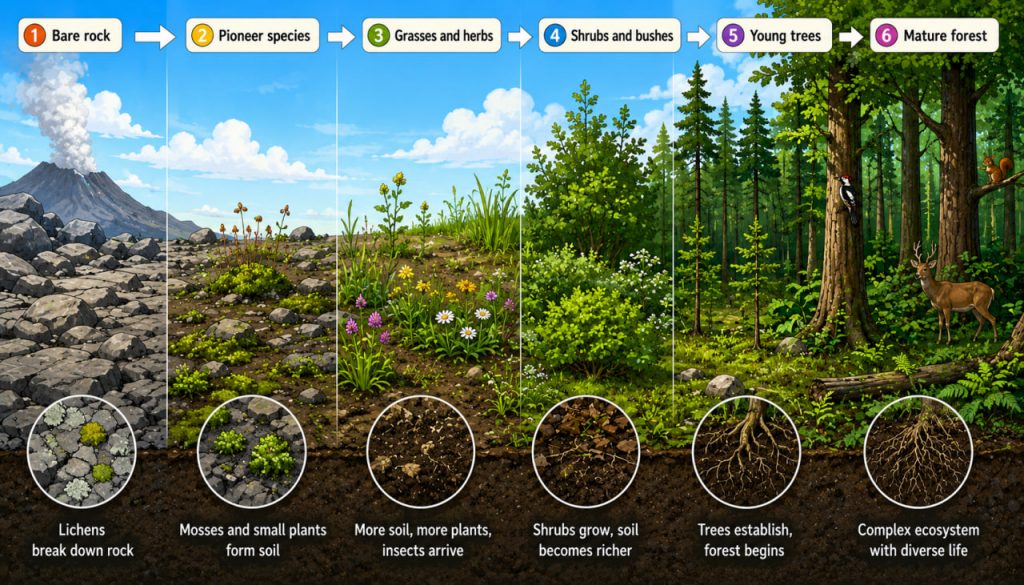
Nature is constantly changing. A barren landscape created by a volcanic eruption, an abandoned agricultural field, or a patch of land cleared by fire may initially appear lifeless. Yet given…
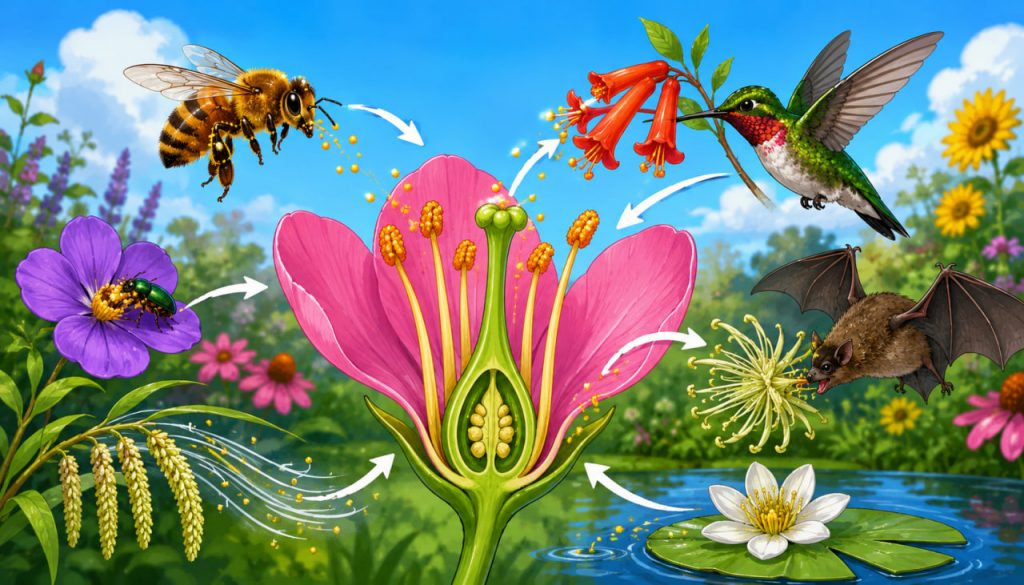
Flowers are among the most beautiful and diverse structures in nature, but their colorful petals and sweet fragrances serve a purpose beyond decoration. They play a crucial role in reproduction…